%22%3E%0A%3Cpath%20d%3D%22M412%20101.2H393.7C393.1%20101.2%20392.3%20100.9%20391.8%20100.5C377.3%2087.6004%20362.9%2074.6004%20348.4%2061.6004C344.8%2058.4004%20341.3%2055.2004%20337.7%2052.0004C337.1%2051.5004%20336.2%2051.1004%20335.5%2051.0004C334.2%2050.8004%20333%2051.0004%20331.5%2051.0004V101.1H316.7V0.100391H331.4V44.3004C331.9%2044.3004%20332.2%2044.4004%20332.5%2044.4004C334.9%2044.4004%20337.2%2044.5004%20339.6%2044.4004C340.4%2044.4004%20341.3%2044.0004%20341.8%2043.5004C351.6%2034.4004%20361.4%2025.2004%20371.1%2016.0004C376.5%2010.9004%20381.9%205.90039%20387.3%200.800391C387.9%200.200391%20388.5%200.000390626%20389.3%200.000390626H400.9C384.2%2015.8004%20367.8%2031.3004%20351.2%2047.0004C371.5%2065.0004%20391.8%2082.9004%20412.1%20100.9C412.1%20101%20412.1%20101.1%20412%20101.2ZM180.9%20101.2C184.1%2094.9004%20187.2%2088.9004%20190.3%2082.8004C198.3%2067.3004%20206.2%2051.8004%20214.2%2036.2004C220.3%2024.4004%20226.4%2012.5004%20232.4%200.700391C232.7%200.100391%20233%20-0.0996094%20233.7%20-0.0996094H248.1C248.8%20-0.0996094%20249.2%200.100391%20249.6%200.800391C256%2013.3004%20262.4%2025.7004%20268.8%2038.2004C279.3%2058.6004%20289.8%2079.0004%20300.3%2099.5004C300.5%20100%20300.8%20100.4%20301.1%20101.1C300.5%20101.1%20300.1%20101.2%20299.7%20101.2H286.5C285.6%20101.2%20285.1%20100.9%20284.7%20100.2C280.1%2091.3004%20275.4%2082.4004%20270.8%2073.4004C270.1%2072.1004%20269.3%2071.6004%20267.8%2071.6004H209.9C208.7%2071.6004%20208.1%2072.0004%20207.5%2073.1004C202.9%2082.1004%20198.2%2091.0004%20193.6%20100C193.1%20101%20192.6%20101.3%20191.5%20101.3C188.4%20101.2%20185.3%20101.3%20182.3%20101.3C182%20101.2%20181.6%20101.2%20180.9%20101.2ZM239.1%2011.4004C230%2029.2004%20221.1%2046.7004%20212.1%2064.3004H266.4C257.2%2046.7004%20248.2%2029.2004%20239.1%2011.4004ZM0%200.000390626H43.4C51.2%200.000390626%2058.7%201.20039%2065.7%204.80039C75.9%2010.0004%2078.9%2018.0004%2078.6%2027.4004C78.3%2034.3004%2076%2040.5004%2071.2%2045.5004C67.3%2049.6004%2062.4%2052.3004%2057.1%2054.3004C50.6%2056.7004%2043.9%2058.0004%2037.1%2058.6004C30.1%2059.2004%2023.1%2059.4004%2016.2%2059.7004C15.8%2059.7004%2015.3%2059.8004%2014.8%2059.8004V101.1H0.1C0%2067.4004%200%2033.8004%200%200.000390626ZM14.8%207.10039V52.2004C23.7%2052.4004%2032.6%2052.3004%2041.2%2050.1004C44.4%2049.3004%2047.6%2048.2004%2050.6%2046.7004C58.4%2043.0004%2062.3%2036.7004%2062.7%2028.0004C63%2019.9004%2059.5%2014.1004%2052.4%2010.5004C47.6%208.00039%2042.5%207.10039%2037.2%207.10039H14.8ZM95.9%20101.1V0.100391H167.3V7.20039H110.7V44.7004H158.1V51.9004H110.8V93.9004H171.1V101C146.1%20101.1%20121%20101.1%2095.9%20101.1Z%22%20fill%3D%22black%22%2F%3E%0A%3Cpath%20d%3D%22M35.0004%2025.7996H42.5004V20.6996H44.8004V33.1996H42.6004V27.5996H34.9004V33.2996H32.7004V20.7996H35.0004V25.7996ZM54.4004%2025.8996V27.2996H48.9004V31.6996H55.9004C55.9004%2032.1996%2056.0004%2032.5996%2056.0004%2033.0996H46.5004V20.5996H55.5004V21.8996H49.0004V25.7996C50.7004%2025.8996%2052.5004%2025.8996%2054.4004%2025.8996ZM25.9004%2033.0996H23.5004V21.9996H17.9004V20.6996H31.6004V22.0996H27.1004C26.2004%2022.0996%2025.9004%2022.2996%2025.9004%2023.1996C26.0004%2026.0996%2025.9004%2028.9996%2025.9004%2031.7996V33.0996Z%22%20fill%3D%22black%22%2F%3E%0A%3C%2Fg%3E%0A%3Cdefs%3E%0A%3CclipPath%20id%3D%22clip0_388_462%22%3E%0A%3Crect%20width%3D%22411%22%20height%3D%22101.2%22%20fill%3D%22white%22%2F%3E%0A%3C%2FclipPath%3E%0A%3C%2Fdefs%3E%0A%3C%2Fsvg%3E%0A)
Stijn Oyen, MD of Design Hotels, on protecting identity in a business that rewards expansion
In an industry that equates expansion with success, Stijn Oyen reflects on the discipline required to grow without diluting what made a brand matter in the first place.
By Zat Astha /
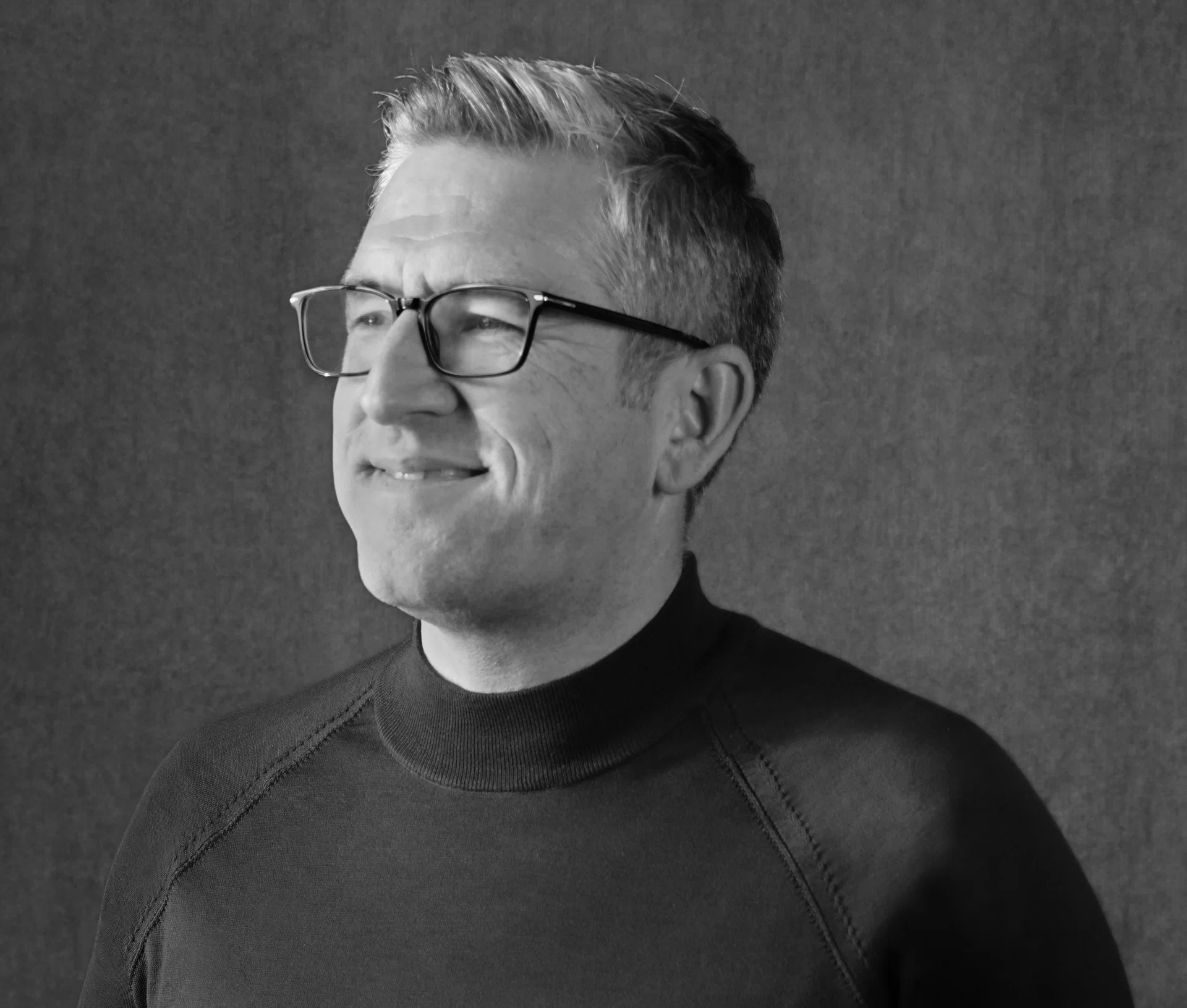
“How They See It” is where we delve into the minds of those shaping the future of today’s most dynamic companies. In this instalment, we speak with Stijn Oyen, managing director of Design Hotels. He reflects on what it means to build a global brand without diluting its individuality, why restraint often matters more than scale in hospitality, and how Design Hotels continues to evolve as a community of Originals — guided by care, long-term vision, and a deliberate resistance to sameness.
“Care sits at the centre of everything I do. Care for people, for places, for the stories we help tell. It sounds simple, almost reductive, but it is the one principle I return to when things become complex — when growth accelerates, when decisions multiply, when the weight of expectation begins to blur what matters.
That complexity shows up most clearly in the tension I navigate every day: growth versus integrity. There is always a version of the future that moves faster, scales wider, says yes more often.
But not every opportunity deserves that kind of momentum. As we expand our community of Originals, the work becomes less about how many and more about who — whether each addition feels right, whether it strengthens what already exists rather than diluting it. It is a slower, more deliberate way of building, and at times, it requires resisting what might otherwise look like progress.
Perhaps that instinct for restraint began much earlier than I realised.
Before any of this, I worked as a chef. Kitchens leave very little room for ego. You learn quickly that collaboration is not optional, that humility is a survival skill, and that decisions often need to be made before you have the luxury of certainty. Speed matters, but so does awareness — the ability to read a room, to understand who stands in front of you and what they need in that moment.
Those early lessons have stayed with me, shaping how I lead long after I left the kitchen.
Leadership, in that sense, has become less about control and more about direction. With my team, it means creating the conditions for honest dialogue and meaningful work. With the organisation, it means protecting what makes us distinctive.
And with myself, it has required a more disciplined relationship with attention — recognising where I can add value, and where stepping back might serve the work better.
The value of distance
Stepping back, in fact, has become a quiet but essential part of the rhythm. On days when the pace feels relentless, perspective rarely comes from pushing harder. It comes from distance — from time with family and friends, from returning to the kitchen and cooking something simple, from the physical clarity of movement through sport. These moments do not solve problems directly, but they recalibrate how I approach them.
That recalibration also reshaped how I think about success. Early in my career, I believed in a linear trajectory — that progress meant constant upward movement, measured in hours, effort, and visible output. I was told, as many in hospitality are, that success demanded sixteen-hour days.
I no longer subscribe to that idea. There are moments that require intensity, but presence matters far more than endurance. Being physically there is not the same as being engaged, and over time, that distinction becomes impossible to ignore.
Today, what feels most meaningful is the intersection of people and long-term vision. Design Hotels has always occupied a space that challenges convention, and there is something quietly powerful about working on ideas whose impact may only fully reveal itself years from now.
Last year, we brought together second- and third-generation hotel owners in Madrid for our first Legacy Lab session. It was less about immediate outcomes and more about collective direction — a space to think about where hospitality is heading, and how we might shape that future together.
The discipline of holding back
It is, in many ways, difficult to explain what I do in simple terms. I often say that I work with independent, design-led boutique hotels and help shape a global brand around them. But the reality is far more fluid — moving between teams in Berlin, colleagues at Marriott, our Originals, and a wider creative community of designers, architects, and artists. The work exists in those intersections, in the conversations and collaborations that do not fit neatly into a single description.
And perhaps that is why restraint has become such an important part of how I lead. Not everything needs to be pushed forward. Some ideas require space, some people need room to grow into their roles, and some decisions benefit from waiting.
Leadership, at times, is about knowing when not to act — trusting that progress can come from allowing things to unfold.
Through all of this, I find myself returning to that same thread. Care. It is not a strategy in the conventional sense, nor is it easily measurable. But it is what anchors the work, what ensures that as things expand and evolve, they remain grounded in something human, something considered, something worth building over time.”