%22%3E%0A%3Cpath%20d%3D%22M412%20101.2H393.7C393.1%20101.2%20392.3%20100.9%20391.8%20100.5C377.3%2087.6004%20362.9%2074.6004%20348.4%2061.6004C344.8%2058.4004%20341.3%2055.2004%20337.7%2052.0004C337.1%2051.5004%20336.2%2051.1004%20335.5%2051.0004C334.2%2050.8004%20333%2051.0004%20331.5%2051.0004V101.1H316.7V0.100391H331.4V44.3004C331.9%2044.3004%20332.2%2044.4004%20332.5%2044.4004C334.9%2044.4004%20337.2%2044.5004%20339.6%2044.4004C340.4%2044.4004%20341.3%2044.0004%20341.8%2043.5004C351.6%2034.4004%20361.4%2025.2004%20371.1%2016.0004C376.5%2010.9004%20381.9%205.90039%20387.3%200.800391C387.9%200.200391%20388.5%200.000390626%20389.3%200.000390626H400.9C384.2%2015.8004%20367.8%2031.3004%20351.2%2047.0004C371.5%2065.0004%20391.8%2082.9004%20412.1%20100.9C412.1%20101%20412.1%20101.1%20412%20101.2ZM180.9%20101.2C184.1%2094.9004%20187.2%2088.9004%20190.3%2082.8004C198.3%2067.3004%20206.2%2051.8004%20214.2%2036.2004C220.3%2024.4004%20226.4%2012.5004%20232.4%200.700391C232.7%200.100391%20233%20-0.0996094%20233.7%20-0.0996094H248.1C248.8%20-0.0996094%20249.2%200.100391%20249.6%200.800391C256%2013.3004%20262.4%2025.7004%20268.8%2038.2004C279.3%2058.6004%20289.8%2079.0004%20300.3%2099.5004C300.5%20100%20300.8%20100.4%20301.1%20101.1C300.5%20101.1%20300.1%20101.2%20299.7%20101.2H286.5C285.6%20101.2%20285.1%20100.9%20284.7%20100.2C280.1%2091.3004%20275.4%2082.4004%20270.8%2073.4004C270.1%2072.1004%20269.3%2071.6004%20267.8%2071.6004H209.9C208.7%2071.6004%20208.1%2072.0004%20207.5%2073.1004C202.9%2082.1004%20198.2%2091.0004%20193.6%20100C193.1%20101%20192.6%20101.3%20191.5%20101.3C188.4%20101.2%20185.3%20101.3%20182.3%20101.3C182%20101.2%20181.6%20101.2%20180.9%20101.2ZM239.1%2011.4004C230%2029.2004%20221.1%2046.7004%20212.1%2064.3004H266.4C257.2%2046.7004%20248.2%2029.2004%20239.1%2011.4004ZM0%200.000390626H43.4C51.2%200.000390626%2058.7%201.20039%2065.7%204.80039C75.9%2010.0004%2078.9%2018.0004%2078.6%2027.4004C78.3%2034.3004%2076%2040.5004%2071.2%2045.5004C67.3%2049.6004%2062.4%2052.3004%2057.1%2054.3004C50.6%2056.7004%2043.9%2058.0004%2037.1%2058.6004C30.1%2059.2004%2023.1%2059.4004%2016.2%2059.7004C15.8%2059.7004%2015.3%2059.8004%2014.8%2059.8004V101.1H0.1C0%2067.4004%200%2033.8004%200%200.000390626ZM14.8%207.10039V52.2004C23.7%2052.4004%2032.6%2052.3004%2041.2%2050.1004C44.4%2049.3004%2047.6%2048.2004%2050.6%2046.7004C58.4%2043.0004%2062.3%2036.7004%2062.7%2028.0004C63%2019.9004%2059.5%2014.1004%2052.4%2010.5004C47.6%208.00039%2042.5%207.10039%2037.2%207.10039H14.8ZM95.9%20101.1V0.100391H167.3V7.20039H110.7V44.7004H158.1V51.9004H110.8V93.9004H171.1V101C146.1%20101.1%20121%20101.1%2095.9%20101.1Z%22%20fill%3D%22black%22%2F%3E%0A%3Cpath%20d%3D%22M35.0004%2025.7996H42.5004V20.6996H44.8004V33.1996H42.6004V27.5996H34.9004V33.2996H32.7004V20.7996H35.0004V25.7996ZM54.4004%2025.8996V27.2996H48.9004V31.6996H55.9004C55.9004%2032.1996%2056.0004%2032.5996%2056.0004%2033.0996H46.5004V20.5996H55.5004V21.8996H49.0004V25.7996C50.7004%2025.8996%2052.5004%2025.8996%2054.4004%2025.8996ZM25.9004%2033.0996H23.5004V21.9996H17.9004V20.6996H31.6004V22.0996H27.1004C26.2004%2022.0996%2025.9004%2022.2996%2025.9004%2023.1996C26.0004%2026.0996%2025.9004%2028.9996%2025.9004%2031.7996V33.0996Z%22%20fill%3D%22black%22%2F%3E%0A%3C%2Fg%3E%0A%3Cdefs%3E%0A%3CclipPath%20id%3D%22clip0_388_462%22%3E%0A%3Crect%20width%3D%22411%22%20height%3D%22101.2%22%20fill%3D%22white%22%2F%3E%0A%3C%2FclipPath%3E%0A%3C%2Fdefs%3E%0A%3C%2Fsvg%3E%0A)
In a time of LLMs, FORMAS.AI takes architectural AI beyond the predictable
As tech investors chase the glitter of generative imagery, Yiping Goh attempts something far more radical: connecting generative imagery with the practical realities of construction and design.
By Zat Astha /

Share this article
The tech industry is currently awash in what might be called the illusion of the instantaneous. A prompt is entered, a server hums, and a hyper-realistic render materialises on screen. To the uninitiated, it looks like magic; to a seasoned architect or structural engineer, it looks like a beautiful lie.
The rendering might feature a gravity-defying cantilever or an ethereal glass facade, but ask the software whether it can withstand a category-four typhoon or if the plumbing lines align, and the illusion swiftly evaporates. It is this profound disconnect between aesthetic seduction and structural reality that Yiping Goh, the co-founder and chief executive of Formas.ai, has set out to dismantle.
Founded as an applied artificial intelligence workspace for the built environment — an industry that commands an astonishing thirteen per cent of global gross domestic product yet remains notoriously stubborn to technological evolution — Formas.ai represents a sharp departure from the prevailing Silicon Valley ethos.
Rather than launching another monolithic model designed to automate human creation out of existence, the company operates as a sophisticated conductor. It orchestrates roughly 60 distinct models within a single design pipeline, ensuring that a conceptual sketch can evolve into buildable data without losing its structural or artistic integrity.
It is an approach that earned Goh a spot on this year’s Power List under the theme A New Form, a category honouring leaders who refuse to abandon the core conviction of their craft, choosing instead to modernise the architecture surrounding it.
The illusion of the render
To understand the necessity of Formas.ai, one must first understand the unique frustrations of modern architectural software.
For decades, the professional toolkit has been deeply fragmented, requiring designers to leap between disconnected programmes and lose nuance at every transition. When generative AI burst into the mainstream, the immediate corporate reaction was to fund flashy image generators.
“Choosing to build an orchestrator rather than a model — an all-encompassing design workspace rather than an image renderer,” Goh explains, reflecting on the genesis of the company, was the defining pivot. “When we started, every incentive pointed the other way: the funding, the hype, the applause all rewarded training your own model, reselling LLMs, or shipping yet another AI image tool.”
The venture capital ecosystem, she notes with a touch of dry amusement, is easily swayed by superficial metrics. “It’s a strange moment to build in — companies reach unicorn status as the hundredth image or video model, or as resellers repackaged to look like they trained their own, and even sophisticated investors rarely peel the onion to see what’s actually under the hood.”
The scepticism is justified. An image generator does not know what a load-bearing wall is; it merely knows what a picture of a wall looks like. By positioning Formas.ai as an infrastructure layer rather than a mere feature, Goh challenged the tech industry’s obsession with isolated tools. “Sitting with real designers showed us the truth: No single model can carry an idea from a sketch to a buildable model without losing the designer’s intent somewhere along the way.
The value was never in any one model — it was in conducting 60 of them across the entire pipeline, with the data and the intent carried intact,” she says. “For us, that choice was easy to make and hard to hold, because the noise never stops.”
The human at the centre
There is a pervasive anxiety within the creative industries that artificial intelligence is a zero-sum game — that as the software grows more competent, humans become obsolete. When I pressed her on whether Formas.ai risks reducing the poetic act of architecture to an automated checklist, Goh countered firmly, arguing that the true enemy of creativity isn’t technology, but the administrative drudgery that currently consumes a designer’s day.
“Two things,” she observes when asked what outsiders most frequently misinterpret about her mission. “The first is the assumption that AI in design means replacing designers — automating creativity out of existence. It’s the opposite of what we’re doing. We automate the drudgery — the software-wrangling, the repetitive rework — precisely so that more of a designer’s time goes to the creative leaps, the high-judgement calls, the communicating and relationship-building.”
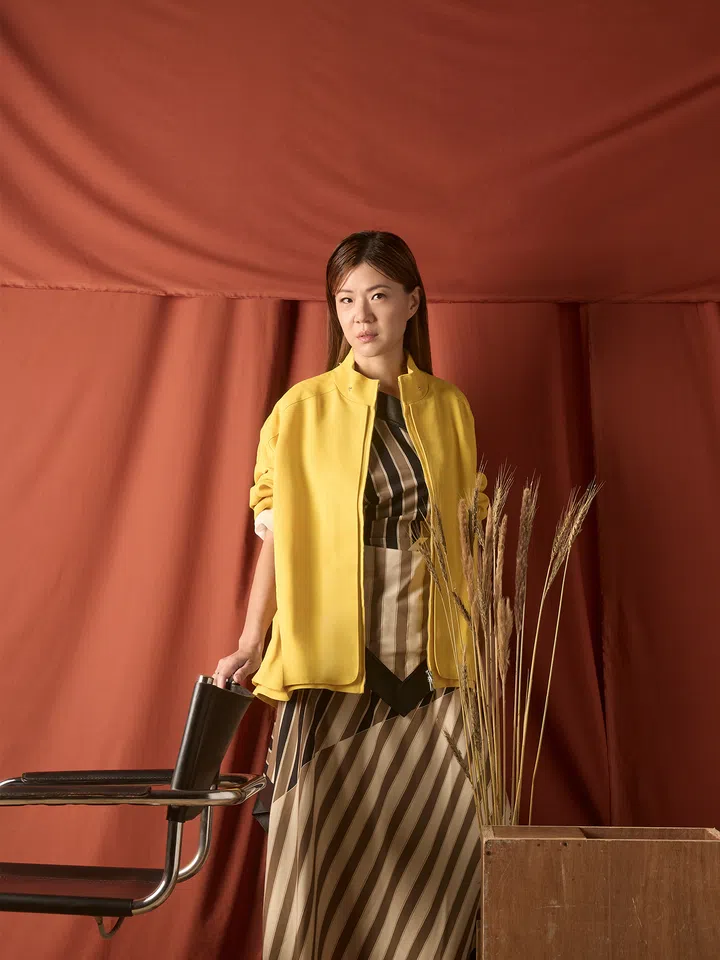
This represents the heart of the New Form philosophy: transformation with continuity. The medium changes, but the mastery remains human. “The second is that this is ‘just pretty pictures’ — another render generator,” Goh continues.
“People don’t see the machinery underneath: the orchestration across dozens of models, and the discipline of keeping every option tied to real geometry as we work to translate ideas into buildable data. Making images was never the destination; it’s one step in the process. We’re in the business of preserving a human idea — and carrying it intact from a sketch all the way to something you actually want to build.”
To achieve this, Goh had to completely restructure her own team’s operational philosophy. Building an AI-native workspace meant that even her most veteran engineers had to abandon decades of deterministic, rules-based programming in favour of probabilistic systems.
“What we’ve refused to compromise is the place of the human,” she emphasises. “We do not take the designer out of the loop. The intent, the taste, the direction, the final call — those stay with the designer. Everything we automate is in service of that, never a substitute for it.”
The grind and the democratisation
One might wonder if Goh’s vision of a frictionless, joyful design future underestimates the sheer friction of the real world. The built environment is governed by Byzantine zoning laws, physical constraints, and tight margins. But Goh is no wide-eyed idealist; Formas.ai is her fourth venture, a reality she approached with the calculated discipline of her past tenures at McKinsey and within the high-intensity world of global immersive experiences.
“Honestly, I came prepared for anything,” she reflects. “Formas is my fourth company, so I hold no rose-tinted lens about foundership. I arrived from two highly demanding environments — McKinsey and, before that, a global immersive-experiences company — and from years of building my own companies. I was well trained for intensity, and prepared to do whatever it takes.”
Still, even for a seasoned entrepreneur, the current AI gold rush demands a punishing pace that tests the limits of human endurance. “The market is extremely noisy, the competitive landscape has to be watched like a hawk, and we move in micro- and nano-pivots — reacting, responding, adjusting, leading and staying hands-on all at once, often within the same day,” she admits. “It’s a pace beyond even the 996 or 007 that people talk about. And it’s something I believe deeply as well: talent alone isn’t enough. Talent has to meet extreme ownership and a real obsession to put in the hours without even counting them.”
Ultimately, Goh’s grand hypothesis is that by removing the technical bottlenecks of archaic software, design can become a democratised, universal language. “If my work succeeds at its highest level, design becomes more accessible and democratised — the way code is being democratised today,” she muses, looking toward the horizon.
“Design is so much more than software. It’s a way of thinking, of communicating, of making sense of the world and our preferences — and at its best, it is deeply joyful. When expressing an idea is no longer the hard part, the only limit left is imagination.”
Photography: Lawrence Teo
Art direction: Ashruddin Sani
Stylist: Dolphin Yeo
Make-up: Angel Gwee, using Chanel
Hair: Joanne Ong, The Parlour, using Kevin Murphy

For more stories on The Peak Power List, visit here.