%22%3E%0A%3Cpath%20d%3D%22M412%20101.2H393.7C393.1%20101.2%20392.3%20100.9%20391.8%20100.5C377.3%2087.6004%20362.9%2074.6004%20348.4%2061.6004C344.8%2058.4004%20341.3%2055.2004%20337.7%2052.0004C337.1%2051.5004%20336.2%2051.1004%20335.5%2051.0004C334.2%2050.8004%20333%2051.0004%20331.5%2051.0004V101.1H316.7V0.100391H331.4V44.3004C331.9%2044.3004%20332.2%2044.4004%20332.5%2044.4004C334.9%2044.4004%20337.2%2044.5004%20339.6%2044.4004C340.4%2044.4004%20341.3%2044.0004%20341.8%2043.5004C351.6%2034.4004%20361.4%2025.2004%20371.1%2016.0004C376.5%2010.9004%20381.9%205.90039%20387.3%200.800391C387.9%200.200391%20388.5%200.000390626%20389.3%200.000390626H400.9C384.2%2015.8004%20367.8%2031.3004%20351.2%2047.0004C371.5%2065.0004%20391.8%2082.9004%20412.1%20100.9C412.1%20101%20412.1%20101.1%20412%20101.2ZM180.9%20101.2C184.1%2094.9004%20187.2%2088.9004%20190.3%2082.8004C198.3%2067.3004%20206.2%2051.8004%20214.2%2036.2004C220.3%2024.4004%20226.4%2012.5004%20232.4%200.700391C232.7%200.100391%20233%20-0.0996094%20233.7%20-0.0996094H248.1C248.8%20-0.0996094%20249.2%200.100391%20249.6%200.800391C256%2013.3004%20262.4%2025.7004%20268.8%2038.2004C279.3%2058.6004%20289.8%2079.0004%20300.3%2099.5004C300.5%20100%20300.8%20100.4%20301.1%20101.1C300.5%20101.1%20300.1%20101.2%20299.7%20101.2H286.5C285.6%20101.2%20285.1%20100.9%20284.7%20100.2C280.1%2091.3004%20275.4%2082.4004%20270.8%2073.4004C270.1%2072.1004%20269.3%2071.6004%20267.8%2071.6004H209.9C208.7%2071.6004%20208.1%2072.0004%20207.5%2073.1004C202.9%2082.1004%20198.2%2091.0004%20193.6%20100C193.1%20101%20192.6%20101.3%20191.5%20101.3C188.4%20101.2%20185.3%20101.3%20182.3%20101.3C182%20101.2%20181.6%20101.2%20180.9%20101.2ZM239.1%2011.4004C230%2029.2004%20221.1%2046.7004%20212.1%2064.3004H266.4C257.2%2046.7004%20248.2%2029.2004%20239.1%2011.4004ZM0%200.000390626H43.4C51.2%200.000390626%2058.7%201.20039%2065.7%204.80039C75.9%2010.0004%2078.9%2018.0004%2078.6%2027.4004C78.3%2034.3004%2076%2040.5004%2071.2%2045.5004C67.3%2049.6004%2062.4%2052.3004%2057.1%2054.3004C50.6%2056.7004%2043.9%2058.0004%2037.1%2058.6004C30.1%2059.2004%2023.1%2059.4004%2016.2%2059.7004C15.8%2059.7004%2015.3%2059.8004%2014.8%2059.8004V101.1H0.1C0%2067.4004%200%2033.8004%200%200.000390626ZM14.8%207.10039V52.2004C23.7%2052.4004%2032.6%2052.3004%2041.2%2050.1004C44.4%2049.3004%2047.6%2048.2004%2050.6%2046.7004C58.4%2043.0004%2062.3%2036.7004%2062.7%2028.0004C63%2019.9004%2059.5%2014.1004%2052.4%2010.5004C47.6%208.00039%2042.5%207.10039%2037.2%207.10039H14.8ZM95.9%20101.1V0.100391H167.3V7.20039H110.7V44.7004H158.1V51.9004H110.8V93.9004H171.1V101C146.1%20101.1%20121%20101.1%2095.9%20101.1Z%22%20fill%3D%22black%22%2F%3E%0A%3Cpath%20d%3D%22M35.0004%2025.7996H42.5004V20.6996H44.8004V33.1996H42.6004V27.5996H34.9004V33.2996H32.7004V20.7996H35.0004V25.7996ZM54.4004%2025.8996V27.2996H48.9004V31.6996H55.9004C55.9004%2032.1996%2056.0004%2032.5996%2056.0004%2033.0996H46.5004V20.5996H55.5004V21.8996H49.0004V25.7996C50.7004%2025.8996%2052.5004%2025.8996%2054.4004%2025.8996ZM25.9004%2033.0996H23.5004V21.9996H17.9004V20.6996H31.6004V22.0996H27.1004C26.2004%2022.0996%2025.9004%2022.2996%2025.9004%2023.1996C26.0004%2026.0996%2025.9004%2028.9996%2025.9004%2031.7996V33.0996Z%22%20fill%3D%22black%22%2F%3E%0A%3C%2Fg%3E%0A%3Cdefs%3E%0A%3CclipPath%20id%3D%22clip0_388_462%22%3E%0A%3Crect%20width%3D%22411%22%20height%3D%22101.2%22%20fill%3D%22white%22%2F%3E%0A%3C%2FclipPath%3E%0A%3C%2Fdefs%3E%0A%3C%2Fsvg%3E%0A)
The human in charge: Why agentic AI raises the stakes for executive leadership
Liher Urbizu, president and managing director of SAP Southeast Asia, reflects on why handing AI more day-to-day execution makes human judgment and accountability matter even more now
By The Peak Team /
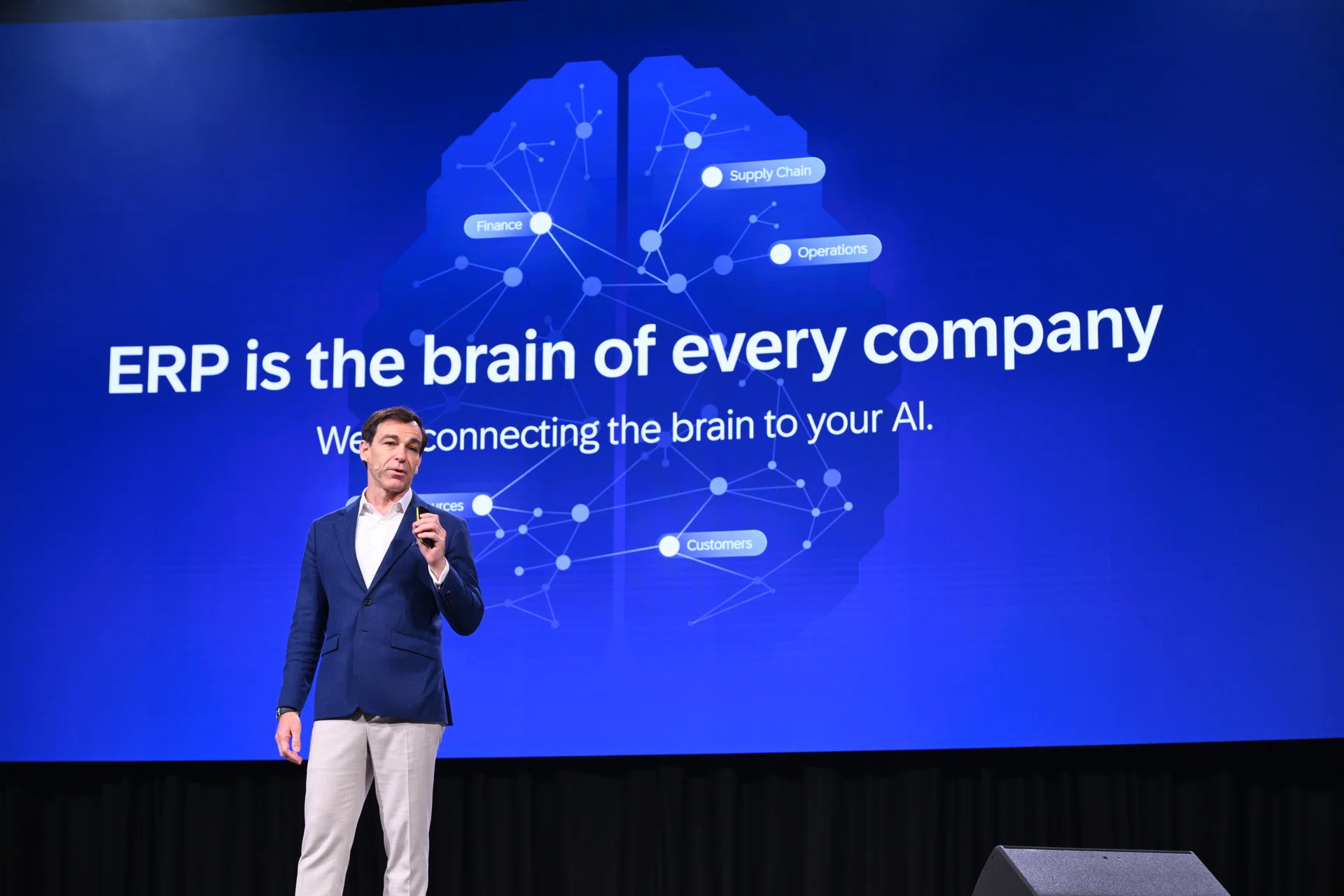
Liher Urbizu’s name trips people up more often than not. “In Spanish, you do not pronounce the H – H goes silent,” he explains, laughing. The Basque name from northern Spain is rare even in his hometown, making for a warm, disarming start to a conversation with the executive steering SAP’s business across Southeast Asia.
Urbizu finds himself at what he considers the technology industry’s biggest inflection point in decades: the rise of agentic AI. In the latest SAP Value of AI Report, 89 per cent of Singapore businesses acknowledge that agentic AI has high potential to transform their operations. Yet, a striking gap remains – only 2 per cent feel fully prepared to adopt it.
To Urbizu, that 87-point divide is less a warning about the technology’s capability than a diagnostic on modern leadership.
“The conversation has shifted beyond whether AI works,” he says. “The bigger challenge is ensuring businesses have the right data, governance and business processes to allow AI to deliver value at scale.”
People in charge, AI doing the work
At SAP’s global Sapphire event earlier this year, the company unveiled its vision for how businesses will run in the future: Autonomous Enterprise. With it, people stay in charge focusing on direction and decisions, while AI assistants and agents manage and execute end-to-end processes.
As Urbizu says, “When you put a system in place where people are in charge and AI is doing the work, then you have a truly autonomous enterprise. One in which every decision informs the next, insights turn into action and action drives continuous innovation.”
That distinction – people in charge, AI doing the work – is the thread running through how he talks about leadership in an agentic era. The priority, he argues, is not for businesses to deploy AI as fast as possible. It’s to build the judgment and governance to direct it well.
This framework for what makes AI trustworthy enough to handle real decisions has three parts: the outputs need to be trusted, governed and secure. SAP’s own agents, Urbizu notes, are built to be verified and traced, and will always be human-supervised. “They [the agents] may produce not only reports and insights – they may actually execute transactions – but should always be under the supervision of a human.”
Consider a routine corporate dispute over a late delivery invoice. Handled manually, it takes days of back-and-forth review. An AI agent can analyse thousands of historical settlements in seconds and present a fully reasoned recommendation to a manager.
“Something that takes days gets done in minutes or hours,” Urbizu says. “But it is so important that the person who gives the go-ahead is able to verify that the thinking logic and the reasoning is correct.”
Foundations before speed
Urbizu draws a sharp distinction between automating a single task and transforming a whole process – and it is here that his own leadership bias shows most clearly.
“If you do point automation, you unlock point productivity,” he says. “If you go for end-to-end business process automation with agentic AI, that is where you can really create exponential growth.”
He points to the month-end close as an example: instead of simply automating individual journal entries, agentic AI can continuously monitor the whole closing process, flag missing information, coordinate follow-up actions and recommend fixes before a reporting deadline is at risk.
But the SAP Value of AI Report 2026 suggests most Singapore businesses are not there yet. Fewer than half (45 per cent) have a dedicated AI leader; just 32 per cent tie leadership KPIs to AI adoption; and only 37 per cent train staff on its capabilities and risks.
Furthermore, data readiness among local firms has dipped to 55 per cent, from 62 per cent last year, as business ambitions rise. Urbizu views this drop positively: Leaders are finally realising the vast data foundation required for high-level AI deployment. His advice for executives centres on three pillars:
- Clean the data: Get enterprise data foundational assets AI-ready before scaling up.
- Anchor governance: Implement strict human oversight and tracing protocols prior to rollout.
- Target core processes: Focus AI deployment on critical revenue-driving workflows rather than isolated tools.
A leadership problem as much as a technology one
Beyond the technology, Urbizu sees this transition as a human one. Through initiatives like SAP’s AI Bilingual Workforce Programme, aimed at upskilling 3,000 Singaporeans in practical AI judgment, and his focus on embedding AI across standard software, his goal is to democratise access so businesses of all sizes can benefit.
A Harvard Business School AMP alumnus who has spent over 25 years navigating tech shifts across Japan and Southeast Asia, Urbizu remains clear on where true value lies: “The organisations that will unlock the most value from agentic AI will be the ones that connect AI to trusted data, sound governance, strong business processes and their people.”