%22%3E%0A%3Cpath%20d%3D%22M412%20101.2H393.7C393.1%20101.2%20392.3%20100.9%20391.8%20100.5C377.3%2087.6004%20362.9%2074.6004%20348.4%2061.6004C344.8%2058.4004%20341.3%2055.2004%20337.7%2052.0004C337.1%2051.5004%20336.2%2051.1004%20335.5%2051.0004C334.2%2050.8004%20333%2051.0004%20331.5%2051.0004V101.1H316.7V0.100391H331.4V44.3004C331.9%2044.3004%20332.2%2044.4004%20332.5%2044.4004C334.9%2044.4004%20337.2%2044.5004%20339.6%2044.4004C340.4%2044.4004%20341.3%2044.0004%20341.8%2043.5004C351.6%2034.4004%20361.4%2025.2004%20371.1%2016.0004C376.5%2010.9004%20381.9%205.90039%20387.3%200.800391C387.9%200.200391%20388.5%200.000390626%20389.3%200.000390626H400.9C384.2%2015.8004%20367.8%2031.3004%20351.2%2047.0004C371.5%2065.0004%20391.8%2082.9004%20412.1%20100.9C412.1%20101%20412.1%20101.1%20412%20101.2ZM180.9%20101.2C184.1%2094.9004%20187.2%2088.9004%20190.3%2082.8004C198.3%2067.3004%20206.2%2051.8004%20214.2%2036.2004C220.3%2024.4004%20226.4%2012.5004%20232.4%200.700391C232.7%200.100391%20233%20-0.0996094%20233.7%20-0.0996094H248.1C248.8%20-0.0996094%20249.2%200.100391%20249.6%200.800391C256%2013.3004%20262.4%2025.7004%20268.8%2038.2004C279.3%2058.6004%20289.8%2079.0004%20300.3%2099.5004C300.5%20100%20300.8%20100.4%20301.1%20101.1C300.5%20101.1%20300.1%20101.2%20299.7%20101.2H286.5C285.6%20101.2%20285.1%20100.9%20284.7%20100.2C280.1%2091.3004%20275.4%2082.4004%20270.8%2073.4004C270.1%2072.1004%20269.3%2071.6004%20267.8%2071.6004H209.9C208.7%2071.6004%20208.1%2072.0004%20207.5%2073.1004C202.9%2082.1004%20198.2%2091.0004%20193.6%20100C193.1%20101%20192.6%20101.3%20191.5%20101.3C188.4%20101.2%20185.3%20101.3%20182.3%20101.3C182%20101.2%20181.6%20101.2%20180.9%20101.2ZM239.1%2011.4004C230%2029.2004%20221.1%2046.7004%20212.1%2064.3004H266.4C257.2%2046.7004%20248.2%2029.2004%20239.1%2011.4004ZM0%200.000390626H43.4C51.2%200.000390626%2058.7%201.20039%2065.7%204.80039C75.9%2010.0004%2078.9%2018.0004%2078.6%2027.4004C78.3%2034.3004%2076%2040.5004%2071.2%2045.5004C67.3%2049.6004%2062.4%2052.3004%2057.1%2054.3004C50.6%2056.7004%2043.9%2058.0004%2037.1%2058.6004C30.1%2059.2004%2023.1%2059.4004%2016.2%2059.7004C15.8%2059.7004%2015.3%2059.8004%2014.8%2059.8004V101.1H0.1C0%2067.4004%200%2033.8004%200%200.000390626ZM14.8%207.10039V52.2004C23.7%2052.4004%2032.6%2052.3004%2041.2%2050.1004C44.4%2049.3004%2047.6%2048.2004%2050.6%2046.7004C58.4%2043.0004%2062.3%2036.7004%2062.7%2028.0004C63%2019.9004%2059.5%2014.1004%2052.4%2010.5004C47.6%208.00039%2042.5%207.10039%2037.2%207.10039H14.8ZM95.9%20101.1V0.100391H167.3V7.20039H110.7V44.7004H158.1V51.9004H110.8V93.9004H171.1V101C146.1%20101.1%20121%20101.1%2095.9%20101.1Z%22%20fill%3D%22black%22%2F%3E%0A%3Cpath%20d%3D%22M35.0004%2025.7996H42.5004V20.6996H44.8004V33.1996H42.6004V27.5996H34.9004V33.2996H32.7004V20.7996H35.0004V25.7996ZM54.4004%2025.8996V27.2996H48.9004V31.6996H55.9004C55.9004%2032.1996%2056.0004%2032.5996%2056.0004%2033.0996H46.5004V20.5996H55.5004V21.8996H49.0004V25.7996C50.7004%2025.8996%2052.5004%2025.8996%2054.4004%2025.8996ZM25.9004%2033.0996H23.5004V21.9996H17.9004V20.6996H31.6004V22.0996H27.1004C26.2004%2022.0996%2025.9004%2022.2996%2025.9004%2023.1996C26.0004%2026.0996%2025.9004%2028.9996%2025.9004%2031.7996V33.0996Z%22%20fill%3D%22black%22%2F%3E%0A%3C%2Fg%3E%0A%3Cdefs%3E%0A%3CclipPath%20id%3D%22clip0_388_462%22%3E%0A%3Crect%20width%3D%22411%22%20height%3D%22101.2%22%20fill%3D%22white%22%2F%3E%0A%3C%2FclipPath%3E%0A%3C%2Fdefs%3E%0A%3C%2Fsvg%3E%0A)
Raising global citizens: Why this entrepreneur is driven to cultivate future-ready thinkers
CEO and father of five Brian Ong reflects on how education, culture and critical thinking shaped his journey – and why these are more vital than ever for young people today
By The Peak Singapore /
Share this article
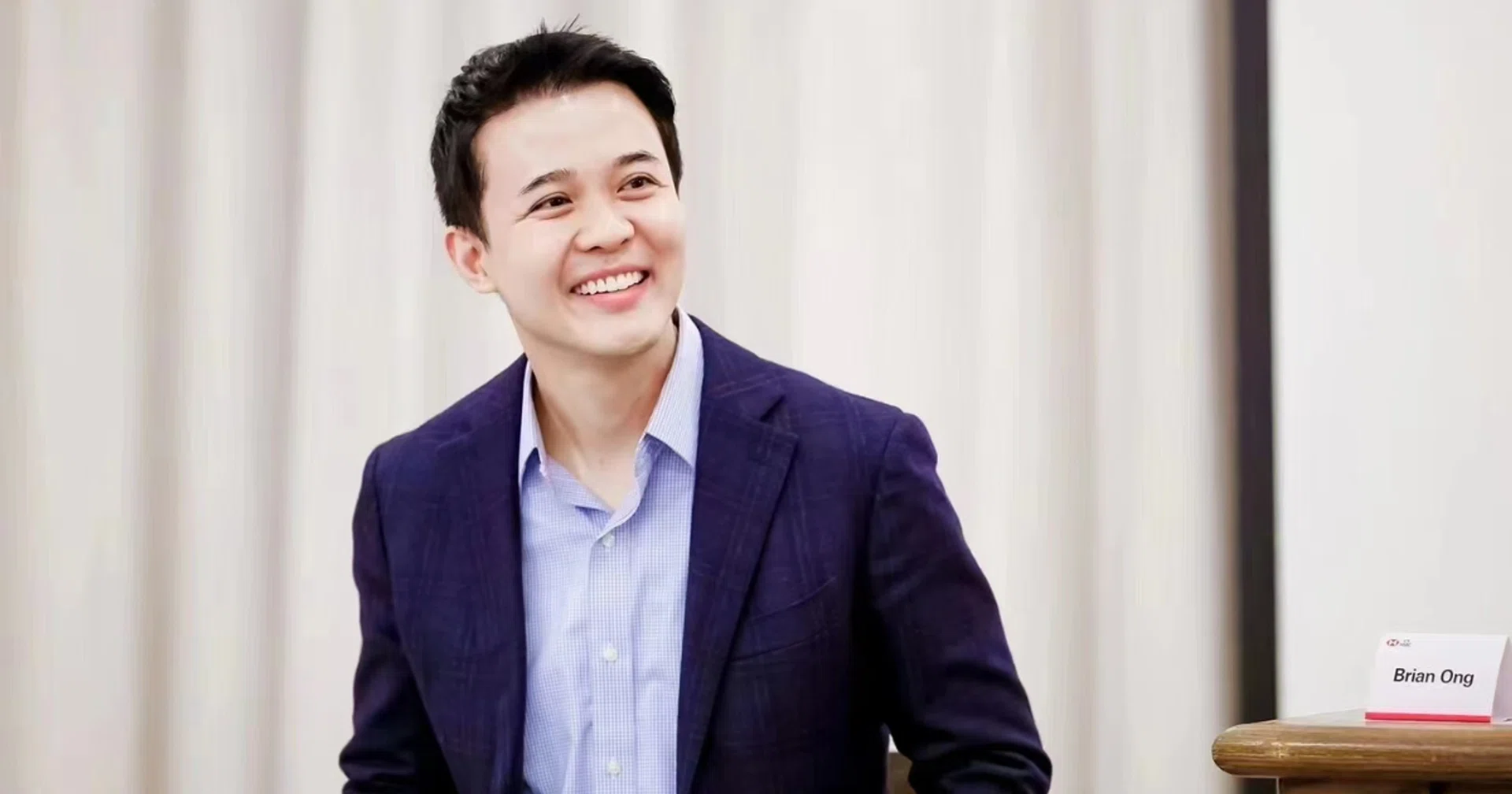
Born in Singapore, raised in Malaysia and educated in the UK and US, Brian Ong has spent his life moving between cultures — a journey that now informs his work at the helm of a Shanghai-based edtech and investment firm.
His career is guided by the belief that exposure to different worldviews builds not just better thinkers, but more empathetic and future-ready leaders.
It’s a cross-cultural perspective that shapes everything the 41-year-old does — from advising families and mentoring students, to raising his five children with an appreciation for global perspectives.
This year marks the 17th year since he embarked on his entrepreneurial journey in China. The company that he founded, Bonday International, works with students across Greater China. It offers personalised guidance and learning support for pursuing tertiary education overseas, particularly in the US, UK, and Canada — preparing them to succeed in diverse academic and career paths, and providing seed-funding for them to make a positive impact around the world.
A key part of Ong’s approach lies in nurturing trust and cultivating close, long-term ties with his clientele, some of whom come from China’s top tech and finance families. This often includes career mentorship and informal succession planning — helping prepare the next generation not just with academic credentials, but with the emotional maturity and intelligence needed to lead.
He supports his clients not only by providing educational resources but also by guiding them to better understand family values, recognise their strengths and navigate the complexities of succession planning.
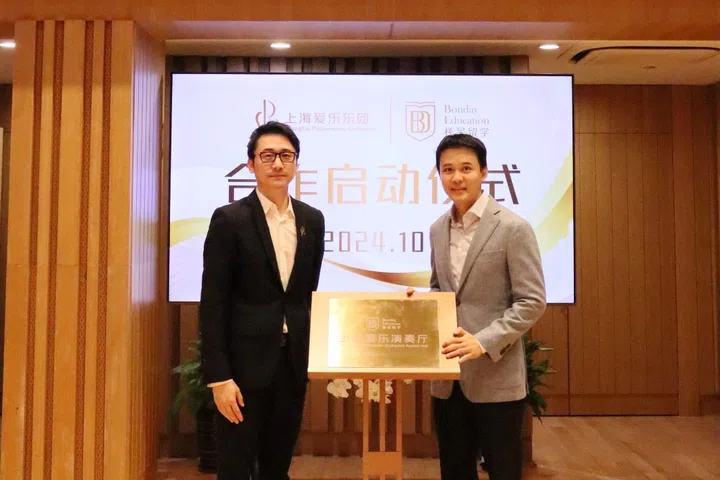
In China, Bonday also operates an investment arm through which Ong has earned a strong reputation for trust over the years. He provides seed funding and mentorship to numerous recent Chinese graduates from top universities in the US, supporting their entrepreneurial ventures in the country and helping turn their start-up ideas into reality.
“We become really involved with the kids and their parents,” Ong explains. “It’s about helping families nurture their children’s ambitions, sometimes even through entrepreneurial ventures or long-term mentorship.”
Ong explains that some students choose to pursue their entrepreneurial ambitions immediately after college. Ong and his team provide guidance not only on accessing resources but also on identifying paths that align with their personalities and complement their strengths.
Brian’s path into China
Those who knew Ong as a child would be surprised at where he is today. Not so much that he started his own business — “I’ve always felt a natural inclination toward entrepreneurship,” says Ong, whose family owned a publicly listed manufacturing company in Malaysia for many years — but more about the country that he chose to settle in.
Ong was educated in Sevenoaks School in England, recognised as one of top IB schools in the world. For university, he went to Yale, where he double majored in economics and international studies. After that, he did a master’s degree at Stanford, majoring in management science and engineering.
Among his huge extended family, Ong used to be the one with the “worst Mandarin”. His Westernised education gave him little opportunity to learn the language.
“I’m the last person you’d expect to end up in China,” says Ong, sharing that the Chinese he picked up from his extended family and the few Chinese courses he did during his tertiary studies in the US comprised the extent of his knowledge of the language before he moved to Shanghai in 2007.
“In my younger days, during Chinese New Year family reunions, I had to read subtitles for Chinese movies and could only use basic phrases in Mandarin to communicate with my cousins,” he says.
Still, that did not deter the young man — then a recent Stanford graduate living in a rental in Palo Alto — from packing up and moving to China. A conversation with a private equity firm owner in the US, who intended to acquire Ong’s family business, had prompted him to think seriously about China’s rising economic opportunities.
“It’s not like he was offering me a job or introducing me to anyone,” Ong says. “He just made me think deeply about the arc of global history, so I actually bought my ticket to Shanghai that night and arrived a week later.”
Ong found his way organically, drawing on his own schooling experience. “So many people asked me about education in the US that I started a team to try to help them,” he says.
The challenge in the early years was both about language and culture. “I forced myself to speak Mandarin and write it — you need to at least be able to type it in Wechat,” he says, sharing that he took a lot of notes whenever he couldn’t understand something.
“Picking up on the social cues and trying to understand how the Chinese think are crucial,” he says. “I hired a local team because I had to think local.” He also explains why he made a deliberate effort to eschew the expat bubble. “You can’t just stay in your comfort zone and hang out with Malaysians or Singaporeans all the time, or you’ll never understand the local dynamics and culture.”
Global exposure is the best education
In September 2017, Ong was featured on the cover of Forbes Asia, recognised as one of the region’s rising entrepreneurs. As someone who has found success in one of the most dynamic and competitive markets in the world, he has a highly valued perspective on China. “Many people think it is enough to travel here every two to three months, but if China is part of your plan, you really need to commit, and be based here for at least one to two years,” he says.
“It moves extremely fast, so you have to keep pace,” he adds, sharing some of the lessons he’s learnt from his 17 years based in the country. “It’s also good to ditch any superiority complex. I studied in some good schools but what helped me most was to have humility, to realise that a lot of the people around me were way smarter than I was.”
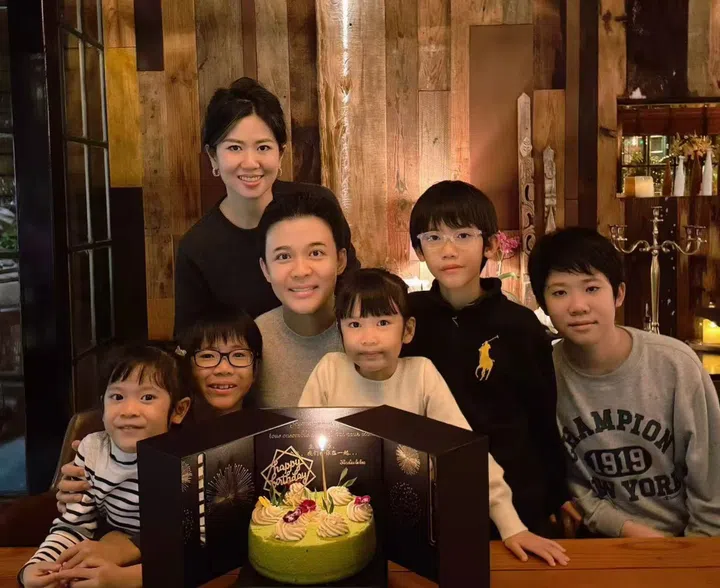
A father of five aged between 5 and 13, he has clear ideas of how he wishes to educate his own children. The first stage is to study in the UK — his eldest son is already at Eton, with the second son to join next year — because Ong believes that British schools offer students easier travel access to Europe to experience its diverse and influential legacy. He plans to send his daughters to his alma mater, Sevenoaks School, where he now serves as a trustee.
From the masterpieces of the Renaissance to the symphonies of classical composers, and from the architectural marvels of ancient civilisations to the literary works that shaped modern thought, this exposure, Ong argues, cultivates an appreciation for global culture and history.
The next stage will involve a university education in the US. “In Asia, people take a very career-focused cookie-cutter approach to university, but in the US, the liberal arts education emphasises exposure to subjects beyond the core ones. And I think they are able to be so innovative because of that.”
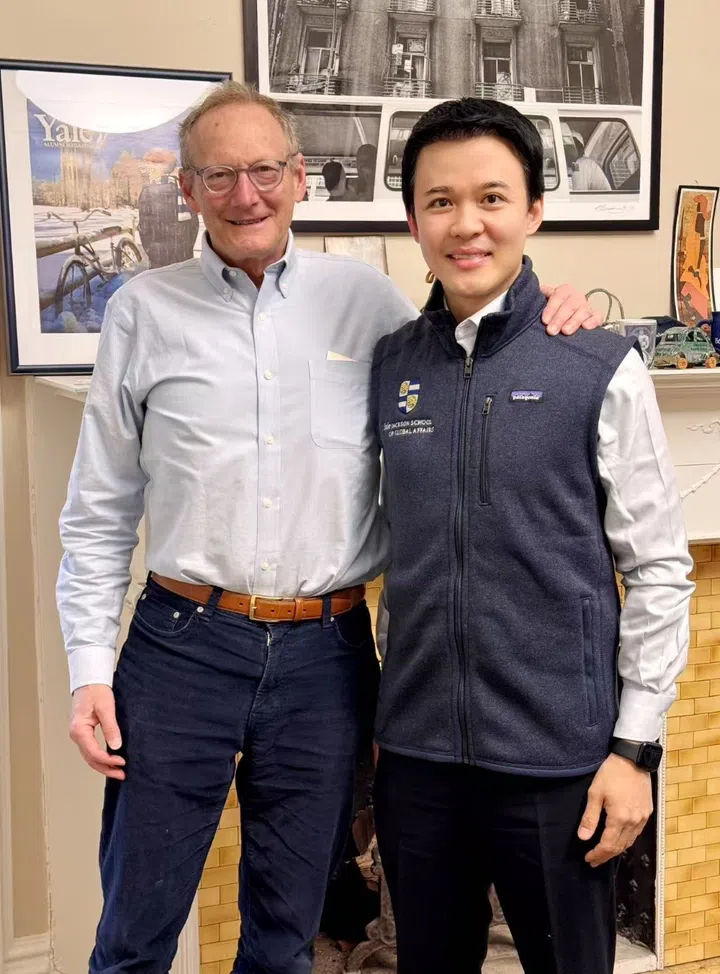
As an advisory board member of the Yale Jackson School of Global Affairs and a member of the Leadership Council of the Yale School of Public Health, he frequently travels to the US for meetings. These conversations focus on the dynamic evolution of interdisciplinary learning and the enduring value of liberal arts education.
For him, it’s all about raising global citizens. “I’d say spending time in the UK, the US, and Asia, these three regions, is important because of the exposure it gives you,” he says, explaining that educating his kids in the West makes sense as they already live in Asia.
He also makes sure to schedule lots of time in Europe — with family holidays focused more on the history and culture of a place than being leisure trips. “We went to Venice, Rome, Athens, Paris, Barcelona and Madrid for the last two summers. It wasn’t just about eating gelato and playing on the beach, but also learning about the ancient trading routes, the New World Exploration, and historical events like the Peloponnesian War and its implication.”
For Ong, immersing himself in the richness of culture and history is vital. This passion also drives his role as vice chair of the Shanghai Philharmonic Orchestra, where he works to foster music education and appreciation among younger generations.
“In the end, education is not about getting degrees, awards or diplomas. It’s not just about finding a job or increasing your pay,” he says. “It’s about knowing how to critique a piece of art, understanding history, and being able to talk about current affairs, literature or philosophy. And that comes from venturing out of your comfort zone and spending time in other parts of the world.”
You can follow Brian Ong on his WeChat Channel at brianandkids.