
Why high performers excel in the boardroom — but struggle at home
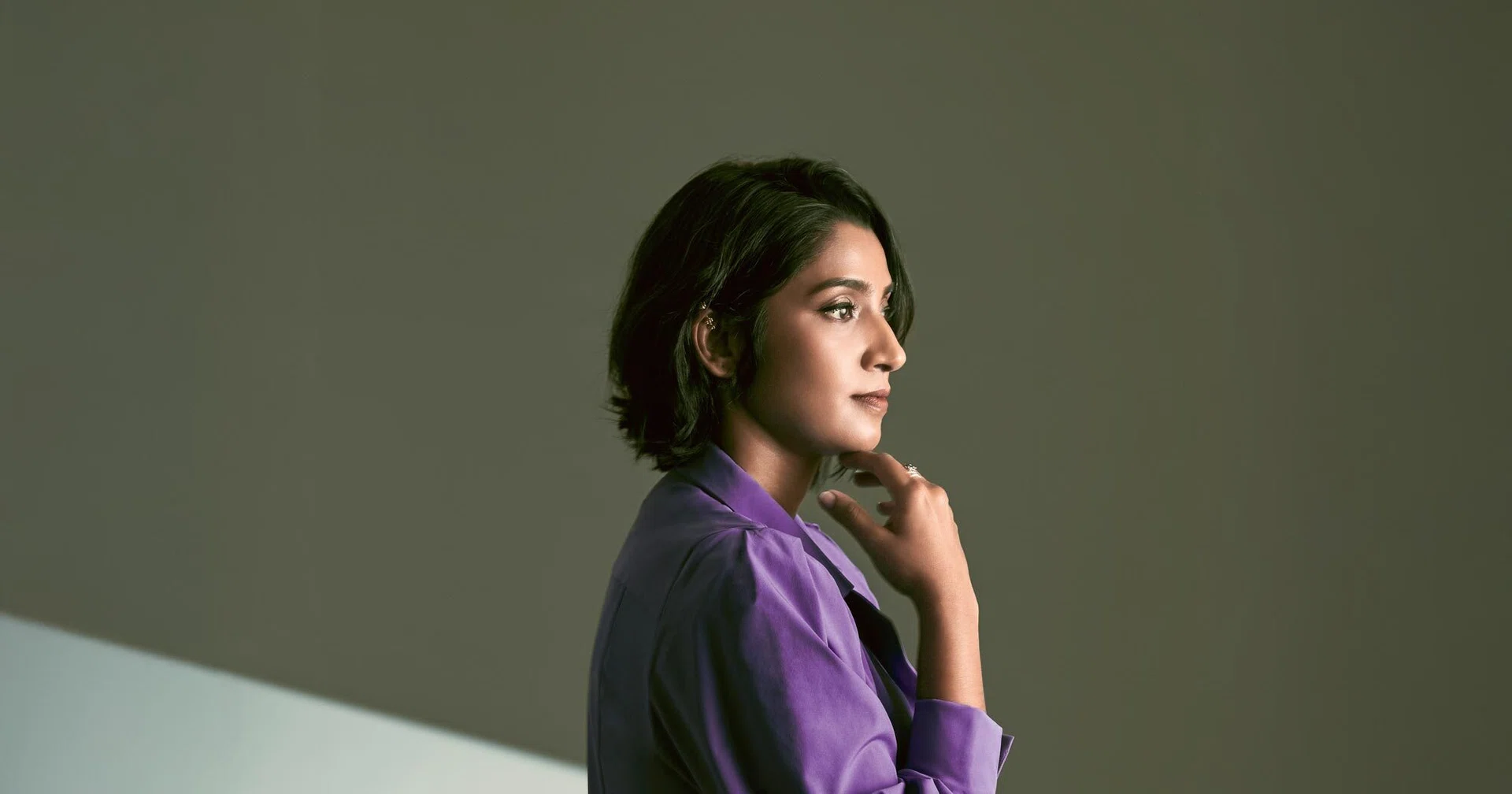
SACRED Institute founder and co-CEO Kavitha Shekar-Tay unpacks the dangerous myth of relational instinct and why love requires training.
By Zat Astha /
Share this article
There is a peculiar assumption buried inside executive success: we accept that leadership requires years of training, but expect intimate relationships to run largely on instinct. No one finds that particularly strange until the instinct fails.
Kavitha Shekar-Tay, founder and co-CEO of SACRED Institute, often sees this contradiction among high achievers. “They are so successful career-wise,” she says. “We are talking about individuals who lead teams and manage to resolve complex organisational challenges with ease. Yet, when it comes to their intimate or close relationships, they struggle.”
Her explanation is disarmingly practical. “You did not become competent professionally overnight,” she says. Nor were you born with those abilities. You studied, trained, completed internships, accumulated experience, and gradually developed professional competence. “The same logic applies to relationships,” Shekar-Tay argues. “We assume that relationships should come naturally to us. This is far from the truth.”
That proposition should make business leaders slightly uncomfortable because the workplace often rewards independence, perfectionism, control, and emotional restraint. At home, the same qualities can turn into rigidity, distance, avoidance, or resentment. Competence therefore does not automatically travel well across domains.
“We are human, imperfections flavour us, doing things together energises us, exploring the realm of emotions strengthens our awareness of our capabilities and gives us the opportunity to work on our flaws,” she says. Ultimately, “problems surface in the gap between our expectations and reality”.
Shekar-Tay believes much of that gap originates in how little formal relationship education people receive. Instead, “what we know about relationships we learnt from our parents, relatives, friends, reality TV, the social media couple we follow, etc.”
This is where proactive therapy comes in. Most people approach relationship therapy as if they are commissioning a turnaround: something has broken, losses have accumulated, and professional help has become the final attempt at rescue.

Shekar-Tay thinks this comes far too late. “There is something called a repair window in a relationship,” she says. “Once a relationship crosses this repair window, it might cross over to the point of no return.”
Her analogy is memorable: “Waiting till crisis hits is like waiting for the ship to start sinking and then starting to scramble to find the right tools to fix it.”
The business comparison practically writes itself. Leaders monitor weak signals, mitigate risk, and invest in capability before a company reaches existential distress, yet many abandon that discipline in their relationships. Therapy can surface underlying patterns before the visible argument becomes irreversible, whether those involve old wounds, conflicting expectations, emotional safety, or values.
Popular therapeutic language does not necessarily solve the problem either. Words such as “toxic”, “boundaries”, and “triggers” can create emotional literacy, but Shekar-Tay warns that people can also wield them prematurely.
During difficult periods in her own marriage, she says she could have labelled her husband “toxic”, drawn her “boundaries”, and ended the relationship. Instead, they asked: “What is trying to happen here?”
That question led to others: “How do you truly resolve a conflict when there is deep resentment underneath? How do you make your relationship stronger through the hard moments of life instead of just managing them?”
“These skill sets need to be learnt, applied, and practised when you are in your calm season,” she argues, “and not when you are deep in war.” CEOs understand that principle perfectly well at work. Therapy may simply require them to apply it somewhere far more personal.
Photography: Lawrence Teo
Art direction: Fazlie Hashim
Stylist: Dolphin Yeo
Hair & make-up: Angel Gwee, using Lancome and Goldwell