%22%3E%0A%3Cpath%20d%3D%22M412%20101.2H393.7C393.1%20101.2%20392.3%20100.9%20391.8%20100.5C377.3%2087.6004%20362.9%2074.6004%20348.4%2061.6004C344.8%2058.4004%20341.3%2055.2004%20337.7%2052.0004C337.1%2051.5004%20336.2%2051.1004%20335.5%2051.0004C334.2%2050.8004%20333%2051.0004%20331.5%2051.0004V101.1H316.7V0.100391H331.4V44.3004C331.9%2044.3004%20332.2%2044.4004%20332.5%2044.4004C334.9%2044.4004%20337.2%2044.5004%20339.6%2044.4004C340.4%2044.4004%20341.3%2044.0004%20341.8%2043.5004C351.6%2034.4004%20361.4%2025.2004%20371.1%2016.0004C376.5%2010.9004%20381.9%205.90039%20387.3%200.800391C387.9%200.200391%20388.5%200.000390626%20389.3%200.000390626H400.9C384.2%2015.8004%20367.8%2031.3004%20351.2%2047.0004C371.5%2065.0004%20391.8%2082.9004%20412.1%20100.9C412.1%20101%20412.1%20101.1%20412%20101.2ZM180.9%20101.2C184.1%2094.9004%20187.2%2088.9004%20190.3%2082.8004C198.3%2067.3004%20206.2%2051.8004%20214.2%2036.2004C220.3%2024.4004%20226.4%2012.5004%20232.4%200.700391C232.7%200.100391%20233%20-0.0996094%20233.7%20-0.0996094H248.1C248.8%20-0.0996094%20249.2%200.100391%20249.6%200.800391C256%2013.3004%20262.4%2025.7004%20268.8%2038.2004C279.3%2058.6004%20289.8%2079.0004%20300.3%2099.5004C300.5%20100%20300.8%20100.4%20301.1%20101.1C300.5%20101.1%20300.1%20101.2%20299.7%20101.2H286.5C285.6%20101.2%20285.1%20100.9%20284.7%20100.2C280.1%2091.3004%20275.4%2082.4004%20270.8%2073.4004C270.1%2072.1004%20269.3%2071.6004%20267.8%2071.6004H209.9C208.7%2071.6004%20208.1%2072.0004%20207.5%2073.1004C202.9%2082.1004%20198.2%2091.0004%20193.6%20100C193.1%20101%20192.6%20101.3%20191.5%20101.3C188.4%20101.2%20185.3%20101.3%20182.3%20101.3C182%20101.2%20181.6%20101.2%20180.9%20101.2ZM239.1%2011.4004C230%2029.2004%20221.1%2046.7004%20212.1%2064.3004H266.4C257.2%2046.7004%20248.2%2029.2004%20239.1%2011.4004ZM0%200.000390626H43.4C51.2%200.000390626%2058.7%201.20039%2065.7%204.80039C75.9%2010.0004%2078.9%2018.0004%2078.6%2027.4004C78.3%2034.3004%2076%2040.5004%2071.2%2045.5004C67.3%2049.6004%2062.4%2052.3004%2057.1%2054.3004C50.6%2056.7004%2043.9%2058.0004%2037.1%2058.6004C30.1%2059.2004%2023.1%2059.4004%2016.2%2059.7004C15.8%2059.7004%2015.3%2059.8004%2014.8%2059.8004V101.1H0.1C0%2067.4004%200%2033.8004%200%200.000390626ZM14.8%207.10039V52.2004C23.7%2052.4004%2032.6%2052.3004%2041.2%2050.1004C44.4%2049.3004%2047.6%2048.2004%2050.6%2046.7004C58.4%2043.0004%2062.3%2036.7004%2062.7%2028.0004C63%2019.9004%2059.5%2014.1004%2052.4%2010.5004C47.6%208.00039%2042.5%207.10039%2037.2%207.10039H14.8ZM95.9%20101.1V0.100391H167.3V7.20039H110.7V44.7004H158.1V51.9004H110.8V93.9004H171.1V101C146.1%20101.1%20121%20101.1%2095.9%20101.1Z%22%20fill%3D%22black%22%2F%3E%0A%3Cpath%20d%3D%22M35.0004%2025.7996H42.5004V20.6996H44.8004V33.1996H42.6004V27.5996H34.9004V33.2996H32.7004V20.7996H35.0004V25.7996ZM54.4004%2025.8996V27.2996H48.9004V31.6996H55.9004C55.9004%2032.1996%2056.0004%2032.5996%2056.0004%2033.0996H46.5004V20.5996H55.5004V21.8996H49.0004V25.7996C50.7004%2025.8996%2052.5004%2025.8996%2054.4004%2025.8996ZM25.9004%2033.0996H23.5004V21.9996H17.9004V20.6996H31.6004V22.0996H27.1004C26.2004%2022.0996%2025.9004%2022.2996%2025.9004%2023.1996C26.0004%2026.0996%2025.9004%2028.9996%2025.9004%2031.7996V33.0996Z%22%20fill%3D%22black%22%2F%3E%0A%3C%2Fg%3E%0A%3Cdefs%3E%0A%3CclipPath%20id%3D%22clip0_388_462%22%3E%0A%3Crect%20width%3D%22411%22%20height%3D%22101.2%22%20fill%3D%22white%22%2F%3E%0A%3C%2FclipPath%3E%0A%3C%2Fdefs%3E%0A%3C%2Fsvg%3E%0A)
This entirely handmade Ferdinand Berthoud Naissance d’une Montre 3 will blow your mind
This monumental feat took more than six years, 11,000 hours, and 80 artisans to achieve.
By Yanni Tan /
Share this article
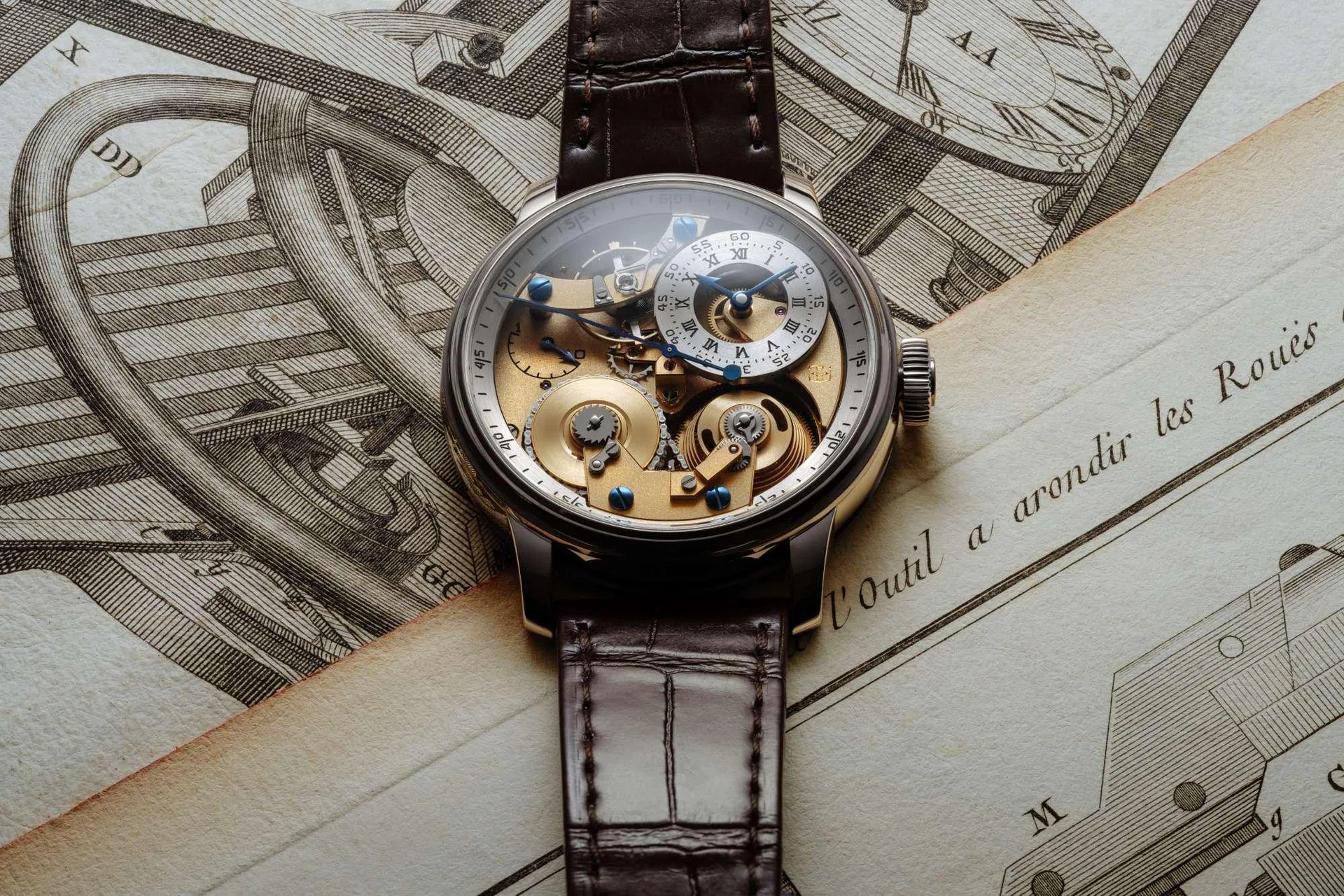
In an era when even the finest luxury timepieces rely on computer-aided precision, Naissance d’une Montre 3 by Chronometrie Ferdinand Berthoud stands among the very rare handful of modern watches that are 100 per cent handmade.
The ultra-limited edition of 11 speaks to the purity, scale, and sheer rigour of its creation: every component is crafted, finished, and assembled by more than 80 artisans from across the brand owner Chopard and the house of Ferdinand Berthoud — without the use of digital tools or electricity.
An ambitious project taking over six years to realise, it revives the pioneering ethos of Ferdinand Berthoud, an 18th-century master watchmaker whose marine chronometers defined precision for the French Navy.
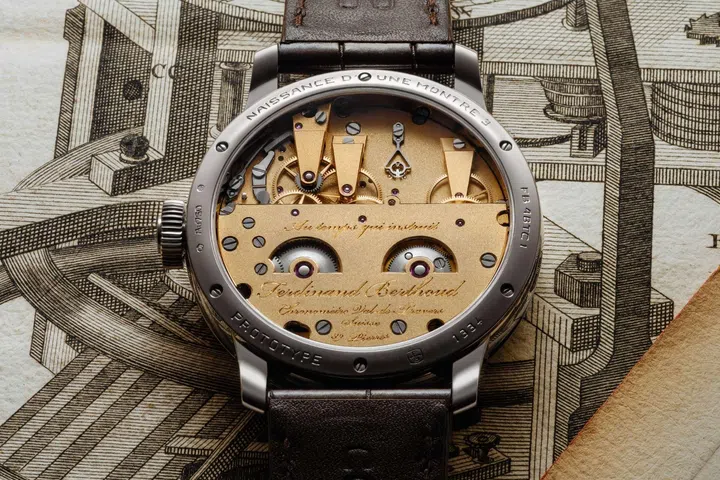
His guiding motto, “Au temps qui instruit” (translating to “Dedicated to time, the great teacher” in French), is hand-engraved on each movement, an eternal reminder that mastery is earned only through time itself.
Limited to just 11 COSC-certified timepieces, the series reinterprets the pioneering spirit of Ferdinand Berthoud, the 18th-century master watchmaker whose marine chronometers defined precision in navigation.
His enduring motto —“Au temps qui instruit” (“Dedicated to time, the great teacher”) — is hand-engraved on the movement, a quiet reminder that mastery is the result of patience, not automation.
Mission possible
Naissance d’une Montre 3 represents the third chapter of the Naissance d’une Montre initiative, a collaborative project launched to safeguard endangered horological crafts. Under the vision of Karl-Friedrich Scheufele, president of Chopard and founder of Chronometrie Ferdinand Berthoud, the Fleurier manufacture set out to prove that traditional handcrafting could meet contemporary standards of chronometric precision.
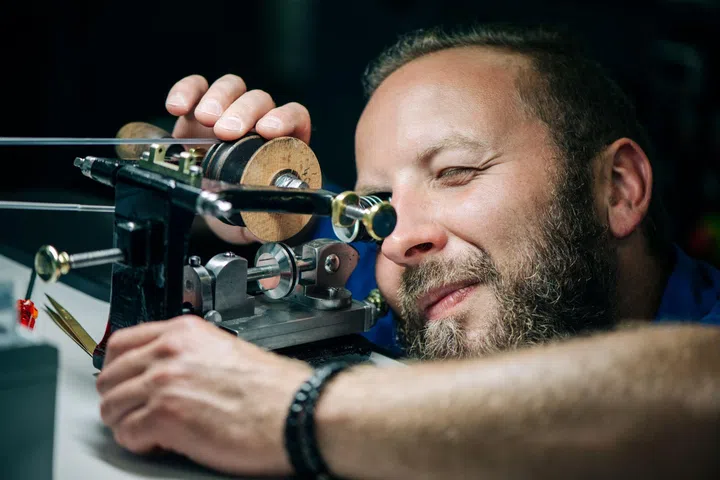
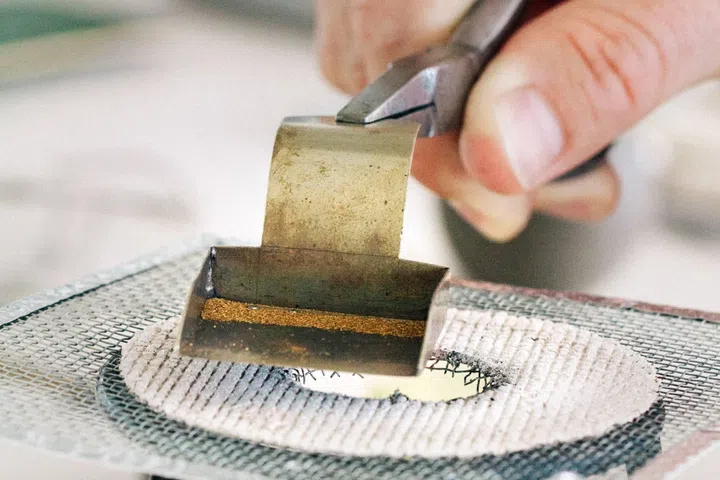
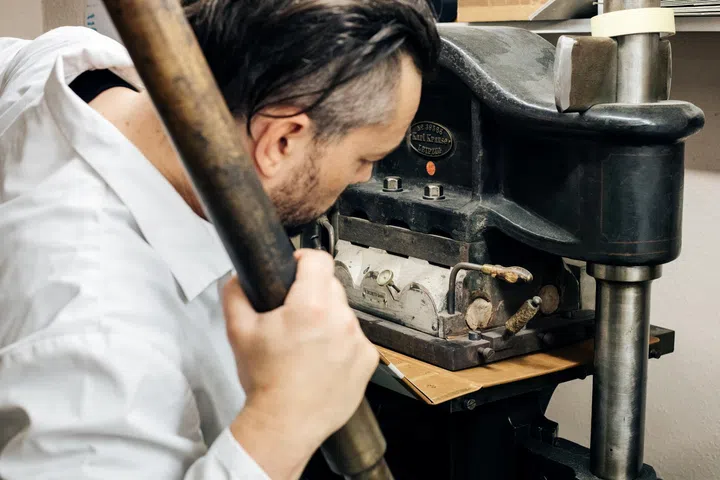
Within a dedicated workshop called Atelier Tradition, artisans worked exclusively with restored machine tools from the 1950s and 1960s. Among them were a Schaublin 102 lathe and a SIP jig borer. No CNC or CAD systems were used.
Instead, each wheel, arbour, and screw was cut and polished by eye, guided by feel and long-honed intuition. Even the pinion leaves were shaped and smoothed with pearwood grinding wheels, just as they would have been in Berthoud’s time.
The Calibre FB-BTC.FC that powers the watch is a marvel of patience and skill. Containing 747 individual components, including 477 for the chain alone, it took years of coordination among artisans and engineers to complete.
Despite being made entirely by hand, each Naissance d’une Montre 3 exceeds modern performance benchmarks and earns official COSC chronometer certification.
Mechanics of perfection
Beneath its 44.3mm 18-carat white gold case, just 13 mm thick, beats a movement that embodies both artistry and innovation — the Calibre FB-BTC.FC unites two great horological systems rarely seen together today: a constant-force fusee-and-chain transmission and a Guillaume-type thermo-compensated bi-metallic balance.
A hallmark of 18th-century marine chronometers, the fusee-and-chain system regulates energy flow from the mainspring and maintains constant torque as it unwinds. The chain itself measures 172mm and comprises 477 handmade steel components, linked by 191 microscopic pins less than 0.3mm in diameter.
It acts like a miniature gearbox, delivering an even power curve that sustains accuracy over the watch’s 50-hour power reserve.
The bi-metallic balance, made of Invar and brass, is another tribute to early scientific horology. Designed to expand and contract at opposing rates as temperatures change, it maintains a stable oscillation frequency and is an ingenious self-correcting mechanism that eliminates timing errors.
Each balance spring is hand-blued, pinned, and adjusted by a single craftsman known as a “timer”, whose work demands not just precision, but instinct.
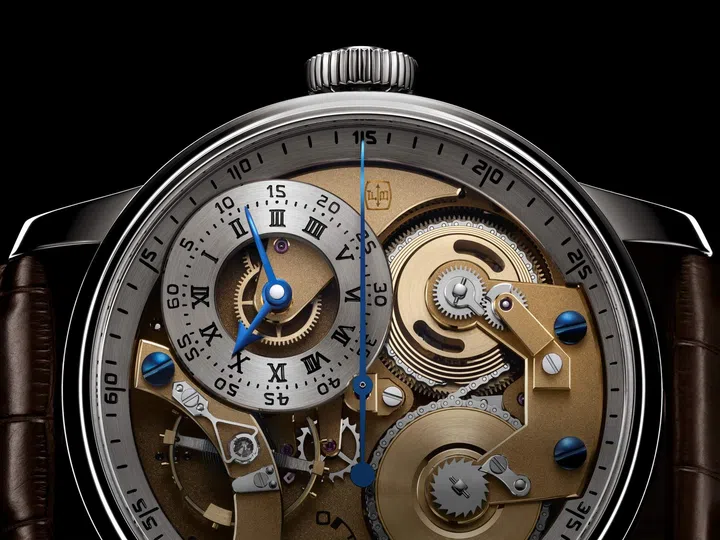
The openworked dial, rendered in Chopard’s signature ethical white gold, reveals the calibre’s architectural beauty. The off-centre hours and minutes sub-dial between 1 and 2 o’clock features engraved Roman and Arabic numerals.
At the same time, the central flame-blued seconds hand, more than 25mm long, demonstrates an exquisite fragility that takes two full days to perfect.
Sandblasted and mirror-polished, the bridges support the fusee, chain, and balance like an exposed framework of thought made visible.
Though born of traditional methods, the Naissance d’une Montre 3 functions as a true 21st-century chronometer. Its movement is shock-protected by diamond endstones visible on both sides — a modern nod to Berthoud’s historic astronomical watches.
Human legacy
What distinguishes Naissance d’une Montre 3 most is its human dimension. It was not only built by hand but conceived as a living document of craftsmanship. Counting designers, engravers, polishers, case-makers, and micromechanical engineers, more than 80 artisans contributed to the project.
Every step was documented by the Time Æon Foundation through photographs and videos, creating a digital and physical archive that will serve as an educational resource for future generations of watchmakers.
Even its presentation reflects this ethos. Each piece is delivered in a handcrafted wooden box shaped like two calfskin-bound books — a homage to the horological treatises Berthoud published in the 18th century.
The first “volume” holds the watch itself; the second contains its certificates, documents, and a silver magnifying glass with a sapphire lens and walnut handle, inviting collectors to examine its details as a scholar might study a manuscript.
The first and only stainless-steel prototype was offered by Phillips in association with Bacs & Russo at its Decade One auction on November 8 & 9 in Geneva, with proceeds supporting horological education.
The remaining 10 pieces in 18-carat white gold will be delivered at a deliberate pace of two per year — a fitting pace for a project devoted to the virtues of time during this era of speed and automation.