%22%3E%0A%3Cpath%20d%3D%22M412%20101.2H393.7C393.1%20101.2%20392.3%20100.9%20391.8%20100.5C377.3%2087.6004%20362.9%2074.6004%20348.4%2061.6004C344.8%2058.4004%20341.3%2055.2004%20337.7%2052.0004C337.1%2051.5004%20336.2%2051.1004%20335.5%2051.0004C334.2%2050.8004%20333%2051.0004%20331.5%2051.0004V101.1H316.7V0.100391H331.4V44.3004C331.9%2044.3004%20332.2%2044.4004%20332.5%2044.4004C334.9%2044.4004%20337.2%2044.5004%20339.6%2044.4004C340.4%2044.4004%20341.3%2044.0004%20341.8%2043.5004C351.6%2034.4004%20361.4%2025.2004%20371.1%2016.0004C376.5%2010.9004%20381.9%205.90039%20387.3%200.800391C387.9%200.200391%20388.5%200.000390626%20389.3%200.000390626H400.9C384.2%2015.8004%20367.8%2031.3004%20351.2%2047.0004C371.5%2065.0004%20391.8%2082.9004%20412.1%20100.9C412.1%20101%20412.1%20101.1%20412%20101.2ZM180.9%20101.2C184.1%2094.9004%20187.2%2088.9004%20190.3%2082.8004C198.3%2067.3004%20206.2%2051.8004%20214.2%2036.2004C220.3%2024.4004%20226.4%2012.5004%20232.4%200.700391C232.7%200.100391%20233%20-0.0996094%20233.7%20-0.0996094H248.1C248.8%20-0.0996094%20249.2%200.100391%20249.6%200.800391C256%2013.3004%20262.4%2025.7004%20268.8%2038.2004C279.3%2058.6004%20289.8%2079.0004%20300.3%2099.5004C300.5%20100%20300.8%20100.4%20301.1%20101.1C300.5%20101.1%20300.1%20101.2%20299.7%20101.2H286.5C285.6%20101.2%20285.1%20100.9%20284.7%20100.2C280.1%2091.3004%20275.4%2082.4004%20270.8%2073.4004C270.1%2072.1004%20269.3%2071.6004%20267.8%2071.6004H209.9C208.7%2071.6004%20208.1%2072.0004%20207.5%2073.1004C202.9%2082.1004%20198.2%2091.0004%20193.6%20100C193.1%20101%20192.6%20101.3%20191.5%20101.3C188.4%20101.2%20185.3%20101.3%20182.3%20101.3C182%20101.2%20181.6%20101.2%20180.9%20101.2ZM239.1%2011.4004C230%2029.2004%20221.1%2046.7004%20212.1%2064.3004H266.4C257.2%2046.7004%20248.2%2029.2004%20239.1%2011.4004ZM0%200.000390626H43.4C51.2%200.000390626%2058.7%201.20039%2065.7%204.80039C75.9%2010.0004%2078.9%2018.0004%2078.6%2027.4004C78.3%2034.3004%2076%2040.5004%2071.2%2045.5004C67.3%2049.6004%2062.4%2052.3004%2057.1%2054.3004C50.6%2056.7004%2043.9%2058.0004%2037.1%2058.6004C30.1%2059.2004%2023.1%2059.4004%2016.2%2059.7004C15.8%2059.7004%2015.3%2059.8004%2014.8%2059.8004V101.1H0.1C0%2067.4004%200%2033.8004%200%200.000390626ZM14.8%207.10039V52.2004C23.7%2052.4004%2032.6%2052.3004%2041.2%2050.1004C44.4%2049.3004%2047.6%2048.2004%2050.6%2046.7004C58.4%2043.0004%2062.3%2036.7004%2062.7%2028.0004C63%2019.9004%2059.5%2014.1004%2052.4%2010.5004C47.6%208.00039%2042.5%207.10039%2037.2%207.10039H14.8ZM95.9%20101.1V0.100391H167.3V7.20039H110.7V44.7004H158.1V51.9004H110.8V93.9004H171.1V101C146.1%20101.1%20121%20101.1%2095.9%20101.1Z%22%20fill%3D%22black%22%2F%3E%0A%3Cpath%20d%3D%22M35.0004%2025.7996H42.5004V20.6996H44.8004V33.1996H42.6004V27.5996H34.9004V33.2996H32.7004V20.7996H35.0004V25.7996ZM54.4004%2025.8996V27.2996H48.9004V31.6996H55.9004C55.9004%2032.1996%2056.0004%2032.5996%2056.0004%2033.0996H46.5004V20.5996H55.5004V21.8996H49.0004V25.7996C50.7004%2025.8996%2052.5004%2025.8996%2054.4004%2025.8996ZM25.9004%2033.0996H23.5004V21.9996H17.9004V20.6996H31.6004V22.0996H27.1004C26.2004%2022.0996%2025.9004%2022.2996%2025.9004%2023.1996C26.0004%2026.0996%2025.9004%2028.9996%2025.9004%2031.7996V33.0996Z%22%20fill%3D%22black%22%2F%3E%0A%3C%2Fg%3E%0A%3Cdefs%3E%0A%3CclipPath%20id%3D%22clip0_388_462%22%3E%0A%3Crect%20width%3D%22411%22%20height%3D%22101.2%22%20fill%3D%22white%22%2F%3E%0A%3C%2FclipPath%3E%0A%3C%2Fdefs%3E%0A%3C%2Fsvg%3E%0A)
The best “green” watchmaking innovations that don’t compromise on luxury
Not just a passing phase, sustainability-driven initiatives are taking root in all corners of Swiss horology.
By Celine Yap /
Share this article
At their core, fine mechanical watches are already a quiet rebellion against waste. Designed to endure for decades — often centuries — they are built not for disposal, but for preservation.
A well-made timepiece is serviced, restored, and passed down, becoming less a product and more a personal artefact. In an age of planned obsolescence, that alone feels almost radical.
Yet, longevity, it turns out, is only the beginning. Today, a growing number of luxury watch brands are scrutinising every component of their creations, asking how even these objects of permanence might tread more lightly on the planet.
From responsibly sourced materials to innovative recycling processes, sustainability has become a serious design consideration — one that is reshaping how watches look and are made. The most visible changes are happening in two places: the case and the strap.
Rethinking the case
As the largest component of a watch, the case plays a crucial functional role, protecting the movement from shock, water, and the passage of time. It is also where material innovation has been most pronounced.
Across Switzerland, recycled gold and stainless steel are increasingly common, refined through advanced metallurgical techniques that preserve their strength, beauty, and durability.
Brands with in-house foundries, such as Rolex and Chopard, have a particular advantage here, allowing them to maintain strict quality control while incorporating recycled precious metals.

Chopard, in particular, has made sustainability a defining pillar of its identity. Since 2018, the maison has used 100 per cent ethical gold across all its watches and jewellery, sourced from responsible suppliers that meet strict social and environmental standards. It is a move that goes beyond symbolism, addressing traceability, fair working conditions, and reduced environmental impact at the source.
Its proprietary Lucent Steel alloy, introduced in 2019 for the Alpine Eagle collection, combines exceptional brightness and hardness with a high proportion of recycled material — currently around 80 per cent, with ambitions to raise that figure. Produced in collaboration with Austrian steel specialist Voestalpine, Lucent Steel exemplifies how industrial partnerships can drive meaningful change.
Panerai has taken a similarly technical route with the 2021 debut of eSteel, an alloy made up to 95 per cent recycled steel that performs on a par with conventional 316L steel. But the brand’s interest in sustainable materials extends beyond steel: its earlier EcoTitanium, sourced from recycled aerospace components, signalled a long-term commitment rather than a passing trend.
When a strong maritime legacy backs a brand, it’s no surprise that ocean conservation plays a recurring role in its material choices. Ulysse Nardin, whose history with marine chronometers dates back to the 19th century, is precisely such a company.
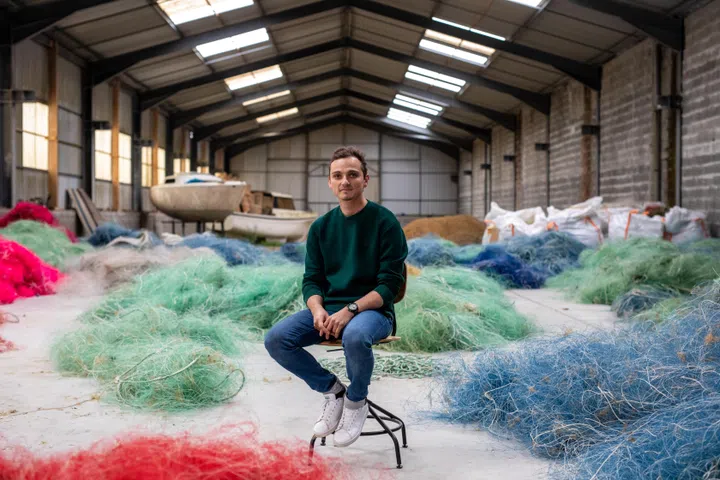
Never one to shy away from experimentation, Ulysse Nardin pushed into radical new territory with the Diver NET concept in 2020. This evolved the brand’s use of recycled materials beyond the standard 80 per cent recycled steel — as used in earlier models — into a pioneering multi-material modular construction.
The concept watch featured a case, caseback, and bezel made from 100 per cent Nylo, a high-performance polyamide produced from discarded fishing nets recovered from the oceans.
In subsequent production editions, such as the Diver NET OPS and the Diver NET Vendee Globe, this design included an internal container made of 95 per cent recycled stainless steel to ensure professional dive-watch credentials. And it is enclosed by an outer shell and caseback composed of 60 per cent Nylo and 40 per cent Carbonium, which is derived from upcycled carbon fibres sourced from the aerospace and high-performance sailing industries.
Oris, on the other hand, has taken a more expressive approach. Its Aquis Date Upcycle collection, launched in 2020, which replaces traditional dials with ones made from recycled PET plastic sourced through the Swiss company #tide. The result is striking: marbled, multi-coloured patterns that ensure no two watches are ever alike.
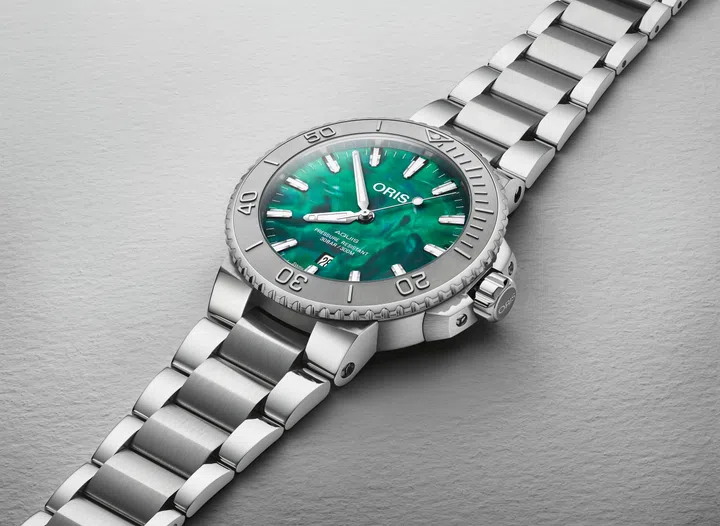
In 2021, in collaboration with the German social enterprise Bracenet, Oris has also produced limited-edition dials using reclaimed “ghost” and end-of-life nets recovered from the ocean.
Material innovation, however, need not be subtle. Hublot proved as much with its 2022 collaboration with Nespresso, transforming recycled aluminium coffee capsules into a vibrant green Big Bang Unico.
This project, part of Nespresso’s Second Life programme, where recycled aluminium from its used coffee capsules is made into new products, reinforced Hublot’s long-standing reputation for bold experimentation while highlighting the creative potential of industrial recycling.
The strap, reimagined
If the case represents structural innovation, the strap has become sustainability’s most playful frontier. Once limited to leather, rubber, or fabric, straps are now a canvas for material reinvention.
Among them are purposeful solutions for sports watches and dress watches, all of which do their part to minimise waste and repurpose disused materials while retaining the quality of luxury.
One of the earliest meaningful projects was Panerai’s 2019 partnership with Prada for the Luminor Due collection, featuring straps made from the fashion house’s signature Re-Nylon. A material produced from recycled ocean plastics, fishing nets, and textile waste, it was a memorable example of how cross-industry collaboration could translate sustainability into tangible design.
Zenith, likewise, turned to the fashion world in 2023 by working with Nona Source, an LVMH-backed platform that repurposes unused luxury fabrics from major fashion houses within the group. Silk-wool blends, denim, mohair, and moleskin cotton — materials once destined for storage — now find new life on the wrist, through the Zenith Defy Midnight collection.
Performance-driven sustainability also appears in Zenith’s Defy Extreme E models, which feature straps made from upcycled rubber sourced from tyres used in electric off-road racing.

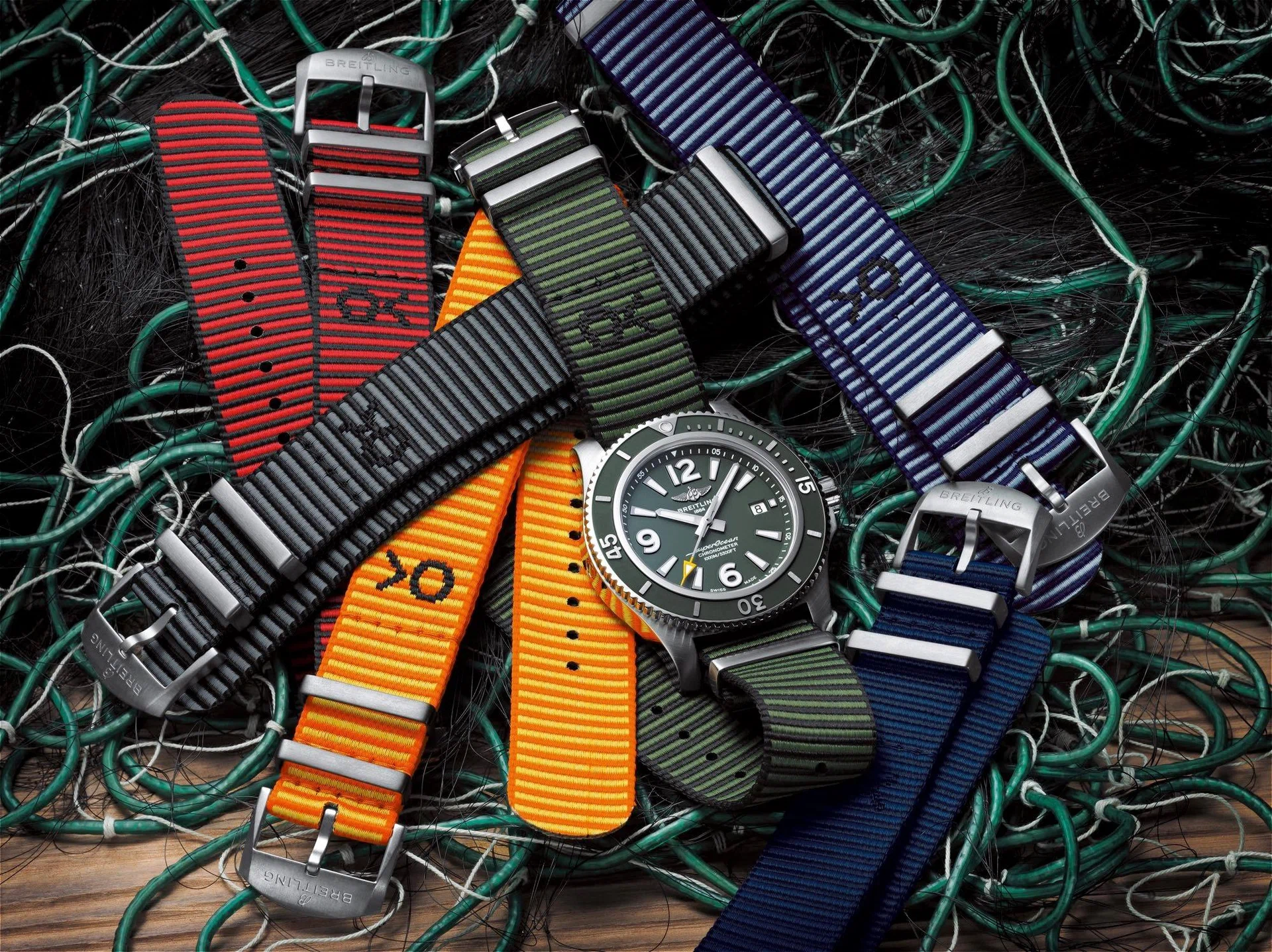
Breitling, among a host of earth-friendly initiatives it has launched, partnered with sustainable apparel brand Outerknown in 2018 to create Econyl straps for its Superocean collection. Derived from fishing nets, carpet fibres, and industrial plastic waste, Econyl offers both durability and infinite recyclability, and continues to be featured in the brand’s regular strap offerings.
Continuing with the theme of upcycling, IWC has pushed even further, challenging traditional notions of leather itself. Its TimberTex straps, launched in 2021, are primarily paper-based, produced using conventional Italian papermaking techniques and dyed with plant-based pigments. And yes, they are as durable and water-resistant as traditional leathers.
A year after TimberTex, IWC followed up with MiraTex, a material made from MIRUM — a plastic-free, bio-based material composed of natural rubber, cork powder, and mineral colourants. These materials exemplify IWC’s commitment to a sustainable, circular economy.
From upcycled car tyres to paper-based leather, watch straps could be made of anything these days. But perhaps the most unexpected innovation comes from Cartier. In 2021, the maison unveiled the Tank Must SolarBeat, a solar-powered reinterpretation of an icon.
While the movement marked a technical evolution, the strap quietly stole the spotlight: made from apple waste sourced in Europe, processed in Italy, crafted in Portugal, and assembled in Switzerland.
Together, these developments point to a broader shift. By embracing material science and circular design, watchmakers are proving that sustainability need not compromise luxury. On the contrary, it may well define the next chapter of timelessness.