%22%3E%0A%3Cpath%20d%3D%22M412%20101.2H393.7C393.1%20101.2%20392.3%20100.9%20391.8%20100.5C377.3%2087.6004%20362.9%2074.6004%20348.4%2061.6004C344.8%2058.4004%20341.3%2055.2004%20337.7%2052.0004C337.1%2051.5004%20336.2%2051.1004%20335.5%2051.0004C334.2%2050.8004%20333%2051.0004%20331.5%2051.0004V101.1H316.7V0.100391H331.4V44.3004C331.9%2044.3004%20332.2%2044.4004%20332.5%2044.4004C334.9%2044.4004%20337.2%2044.5004%20339.6%2044.4004C340.4%2044.4004%20341.3%2044.0004%20341.8%2043.5004C351.6%2034.4004%20361.4%2025.2004%20371.1%2016.0004C376.5%2010.9004%20381.9%205.90039%20387.3%200.800391C387.9%200.200391%20388.5%200.000390626%20389.3%200.000390626H400.9C384.2%2015.8004%20367.8%2031.3004%20351.2%2047.0004C371.5%2065.0004%20391.8%2082.9004%20412.1%20100.9C412.1%20101%20412.1%20101.1%20412%20101.2ZM180.9%20101.2C184.1%2094.9004%20187.2%2088.9004%20190.3%2082.8004C198.3%2067.3004%20206.2%2051.8004%20214.2%2036.2004C220.3%2024.4004%20226.4%2012.5004%20232.4%200.700391C232.7%200.100391%20233%20-0.0996094%20233.7%20-0.0996094H248.1C248.8%20-0.0996094%20249.2%200.100391%20249.6%200.800391C256%2013.3004%20262.4%2025.7004%20268.8%2038.2004C279.3%2058.6004%20289.8%2079.0004%20300.3%2099.5004C300.5%20100%20300.8%20100.4%20301.1%20101.1C300.5%20101.1%20300.1%20101.2%20299.7%20101.2H286.5C285.6%20101.2%20285.1%20100.9%20284.7%20100.2C280.1%2091.3004%20275.4%2082.4004%20270.8%2073.4004C270.1%2072.1004%20269.3%2071.6004%20267.8%2071.6004H209.9C208.7%2071.6004%20208.1%2072.0004%20207.5%2073.1004C202.9%2082.1004%20198.2%2091.0004%20193.6%20100C193.1%20101%20192.6%20101.3%20191.5%20101.3C188.4%20101.2%20185.3%20101.3%20182.3%20101.3C182%20101.2%20181.6%20101.2%20180.9%20101.2ZM239.1%2011.4004C230%2029.2004%20221.1%2046.7004%20212.1%2064.3004H266.4C257.2%2046.7004%20248.2%2029.2004%20239.1%2011.4004ZM0%200.000390626H43.4C51.2%200.000390626%2058.7%201.20039%2065.7%204.80039C75.9%2010.0004%2078.9%2018.0004%2078.6%2027.4004C78.3%2034.3004%2076%2040.5004%2071.2%2045.5004C67.3%2049.6004%2062.4%2052.3004%2057.1%2054.3004C50.6%2056.7004%2043.9%2058.0004%2037.1%2058.6004C30.1%2059.2004%2023.1%2059.4004%2016.2%2059.7004C15.8%2059.7004%2015.3%2059.8004%2014.8%2059.8004V101.1H0.1C0%2067.4004%200%2033.8004%200%200.000390626ZM14.8%207.10039V52.2004C23.7%2052.4004%2032.6%2052.3004%2041.2%2050.1004C44.4%2049.3004%2047.6%2048.2004%2050.6%2046.7004C58.4%2043.0004%2062.3%2036.7004%2062.7%2028.0004C63%2019.9004%2059.5%2014.1004%2052.4%2010.5004C47.6%208.00039%2042.5%207.10039%2037.2%207.10039H14.8ZM95.9%20101.1V0.100391H167.3V7.20039H110.7V44.7004H158.1V51.9004H110.8V93.9004H171.1V101C146.1%20101.1%20121%20101.1%2095.9%20101.1Z%22%20fill%3D%22black%22%2F%3E%0A%3Cpath%20d%3D%22M35.0004%2025.7996H42.5004V20.6996H44.8004V33.1996H42.6004V27.5996H34.9004V33.2996H32.7004V20.7996H35.0004V25.7996ZM54.4004%2025.8996V27.2996H48.9004V31.6996H55.9004C55.9004%2032.1996%2056.0004%2032.5996%2056.0004%2033.0996H46.5004V20.5996H55.5004V21.8996H49.0004V25.7996C50.7004%2025.8996%2052.5004%2025.8996%2054.4004%2025.8996ZM25.9004%2033.0996H23.5004V21.9996H17.9004V20.6996H31.6004V22.0996H27.1004C26.2004%2022.0996%2025.9004%2022.2996%2025.9004%2023.1996C26.0004%2026.0996%2025.9004%2028.9996%2025.9004%2031.7996V33.0996Z%22%20fill%3D%22black%22%2F%3E%0A%3C%2Fg%3E%0A%3Cdefs%3E%0A%3CclipPath%20id%3D%22clip0_388_462%22%3E%0A%3Crect%20width%3D%22411%22%20height%3D%22101.2%22%20fill%3D%22white%22%2F%3E%0A%3C%2FclipPath%3E%0A%3C%2Fdefs%3E%0A%3C%2Fsvg%3E%0A)
Gemstone Guide: The 16 most romantic red and pink stones popular in jewellery
From ruby to pink diamond and sapphire, this reference guide explores the most prominent red and pink stones and the essential jewellery-buying knowledge.
By Yanni Tan /
Share this article
Red and pink gemstones have long been associated with emotion and symbolism. Across history, red has represented power, passion, vitality, and protection, while pink has come to signify romance, tenderness, and emotional connection.
Some are among the rarest and most valuable materials on earth; others are widely available, affordable, and loved for their attractive colours. They differ significantly in hardness, durability, origin, and long-term wearability — factors that matter just as much as appearance.
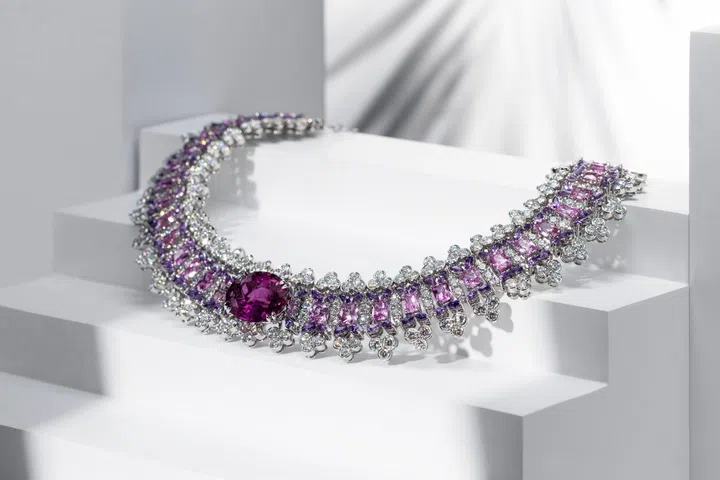
This guide examines 16 of the most important red and pink gemstones commonly used in jewellery today, offering a foundational understanding of what defines each stone — perfect for Chinese New Year, Valentine’s Day, or your upcoming personal milestone.
Ruby
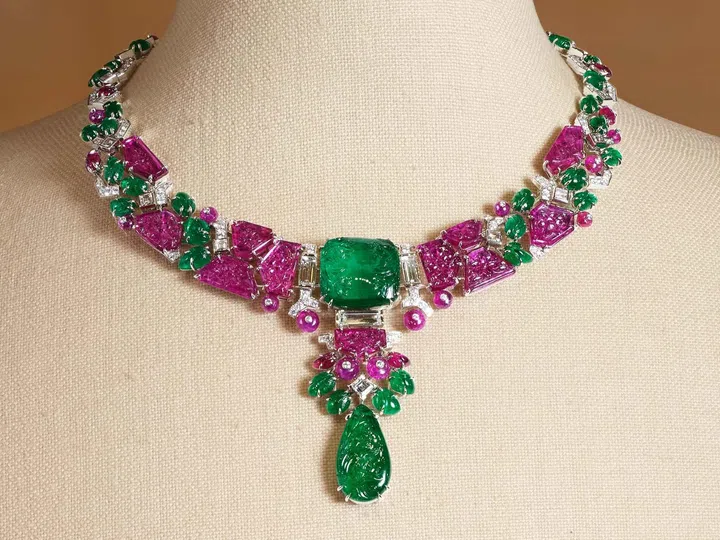
Historically named the King of Gemstones, the ruby is the most important red gemstone in fine and high jewellery. A red variety of corundum, its colour comes from the trace element chromium, and ranges from vivid scarlet to deep crimson.
The most prized rubies, sometimes described as “pigeon’s blood” in marketing lingo, are valued for their saturation and brightness rather than darkness. In terms of rarity, fine rubies are scarcer than comparable-sized diamonds, especially when untreated. Heat-treated stones are common and accepted, but untreated stones with strong colour command significant premiums.
Historically, rubies were revered as symbols of power, protection, and vitality, often worn by royalty and warriors. The most celebrated rubies came from Myanmar’s Mogok region, while Mozambique, Madagascar, and Thailand are major sources today.
With a hardness of 9 on the Mohs scale, ruby is exceptionally scratch-resistant, which explains its long history of use in rings and everyday jewellery.
Pink diamond
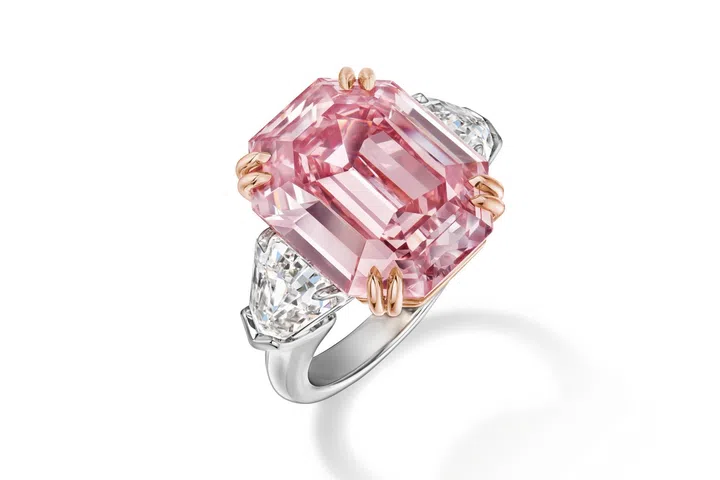
Pink diamonds are among the most coveted gemstones in the world, prized for colours ranging from a faint blush to an intense purplish pink. Value is driven primarily by colour intensity, with deeper hues commanding record-breaking prices.
Many notable pink diamonds originated from the Argyle mine in Australia, whose closure has heightened their rarity. While pink diamonds lack the long symbolic history of rubies, they have become modern icons of romance and exclusivity in high jewellery.
As diamonds, they share the highest hardness rating of 10, making them extremely wear-resistant and suitable for everyday jewellery, although their value often places them firmly in the collector category.
Red diamond
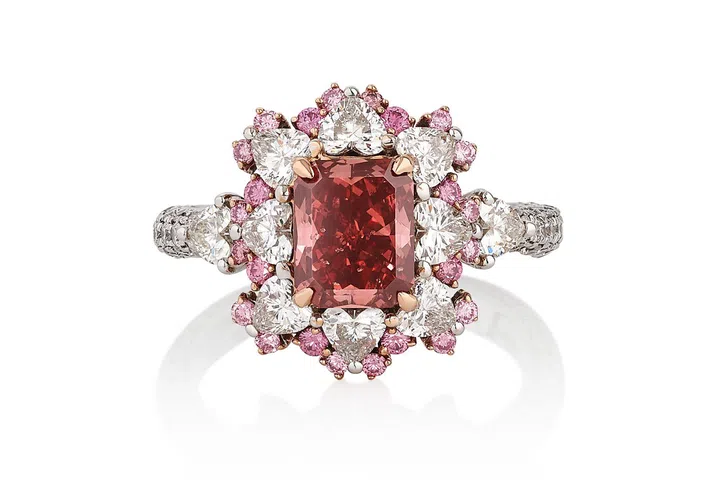
Red diamond is the rarest natural diamond colour. Most weigh less than 1 carat, and their extraordinary value is driven almost entirely by rarity rather than size. According to the Gemological Institute of America (GIA), of the more than one million coloured stones it examined as of 2025, only 0.07 per cent are red.
Unlike other coloured diamonds, red diamonds owe their colour to structural distortion within the crystal lattice rather than trace elements. Many known examples originated from Australia’s now-closed Argyle mine, further intensifying scarcity.
Red diamonds have little historical presence simply because so few exist, but they occupy an almost mythical status in modern gem collecting. As diamonds, they share a hardness of 10 on the Mohs scale, making them exceptionally durable, though their rarity places them in the realm of serious collecting.
Pink sapphire
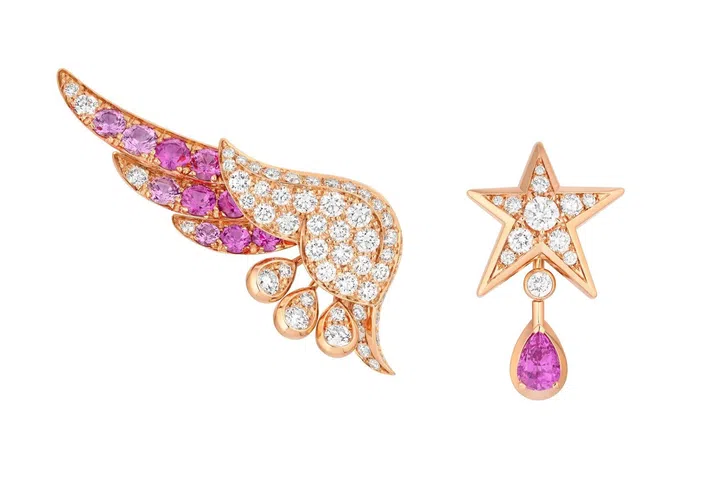
Like ruby, the pink sapphire is a corundum gemstone coloured by chromium, but displays hues ranging from pale blush to vivid, almost neon pink. Once overshadowed by ruby and blue sapphire, it has gained prominence as tastes have shifted toward vibrant gemstones.
Value is driven primarily by colour intensity and clarity, with fine stones offering an appealing alternative to pink diamonds at lower price points. Pink sapphires have historically been sourced from Sri Lanka, with Madagascar and Myanmar as major producers today.
Unlike many pink gemstones, sapphire combines beauty with exceptional durability, broadening its use in engagement rings and everyday jewellery. With a Mohs hardness of 9, pink sapphire resists scratching and wears extremely well, making it one of the most practical and long-lasting pink gemstones available.
Padparadscha sapphire
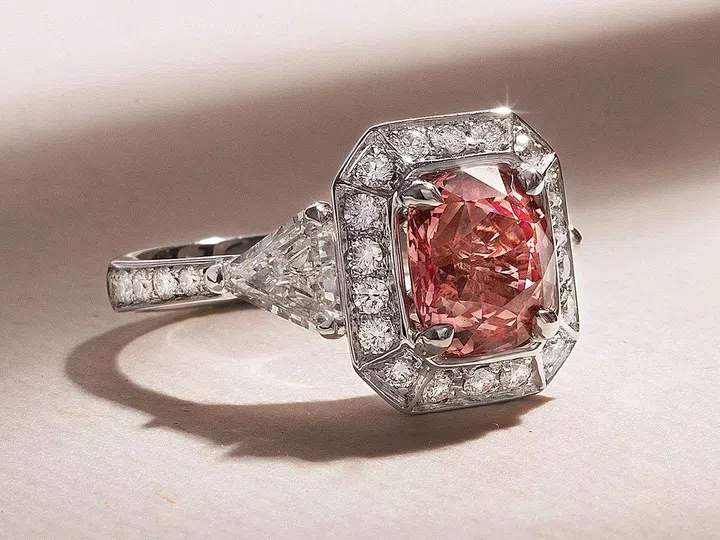
Padparadscha sapphire is prized for its delicate balance of pink and orange, a colour often likened to a lotus blossom or tropical sunset. Unlike many gemstones, its value is not driven solely by intensity; balance is critical.
Stones that appear too pink are classified as pink sapphires, while those leaning orange lose the padparadscha designation altogether. This narrow colour window makes true examples rare and highly sought after.
Historically originating from Sri Lanka and named after the lotus blossom (padmaraga or padparadscha in Sinhalese), these sapphires are also found in Madagascar and Tanzania today. Earlier in the gem trade, the term was applied more loosely, but modern gemological standards have tightened definitions, increasing both rarity and value.
As a sapphire, padparadscha shares corundum’s excellent hardness of 9, making it suitable for regular wear. However, its lighter, more nuanced colour benefits from settings that protect the stone from abrasion and maintain its visual delicacy over time.
Red spinel
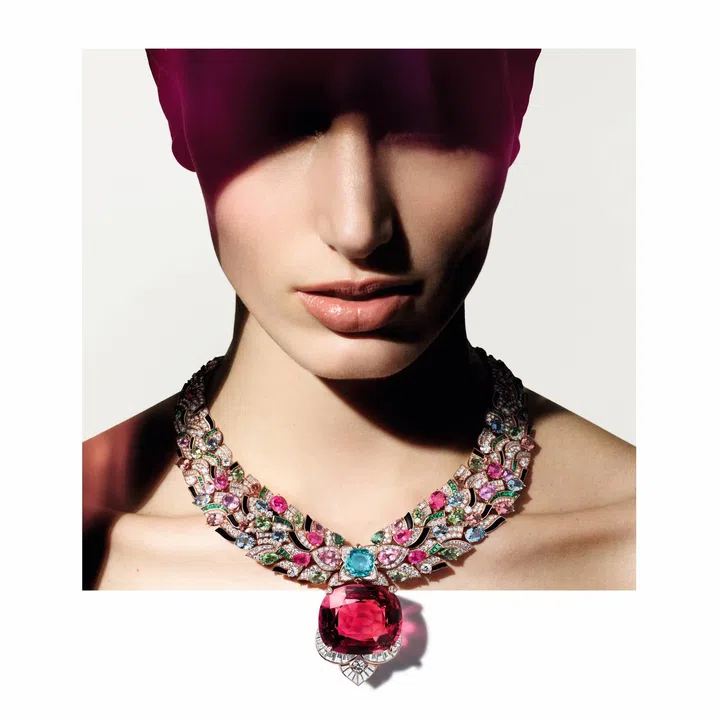
Red spinel has one of the most storied histories of misidentification in gemology. For centuries, it was mistaken for a ruby, including in royal regalia such as the Black Prince’s Ruby, the centrepiece of the British Jewels’ Imperial State Crown, because gemstones were classified primarily by colour rather than composition.
Spinel can display vivid red hues with excellent clarity and brilliance, often rivalling ruby’s visual appeal. While generally more affordable than ruby, fine red spinels have gained recognition and increased in value as awareness of their rarity has grown.
Historically, Myanmar’s Mogok region was the primary source; in modern times, Tanzania, Vietnam, and Sri Lanka have produced significant quantities. Spinel is typically untreated, which adds to its appeal among knowledgeable buyers.
With a Mohs hardness of approximately 8, red spinel is tough and durable, making it well-suited for rings and other jewellery intended for frequent wear.
Pink spinel
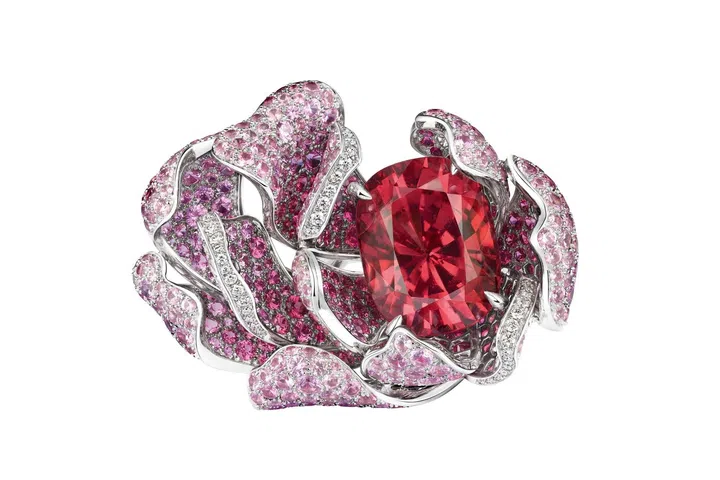
Pink spinel ranges from soft rose to vivid hot pink and is admired for its brightness, clarity, and stability. Like red spinel, it was historically misidentified as ruby due to its similar appearance and shared mining locations.
Once properly recognised, pink spinel gained appreciation for its natural colour and rarity, especially since it is often untreated. Important sources include Myanmar, Tanzania, and Sri Lanka.
While still more affordable than pink sapphire or pink diamond, fine pink spinels have risen steadily in value as demand has increased. Spinel’s crystal structure gives it excellent toughness, and with a hardness of around 8, it performs well in rings and jewellery intended for frequent wear, combining beauty with practical resilience.
Kunzite
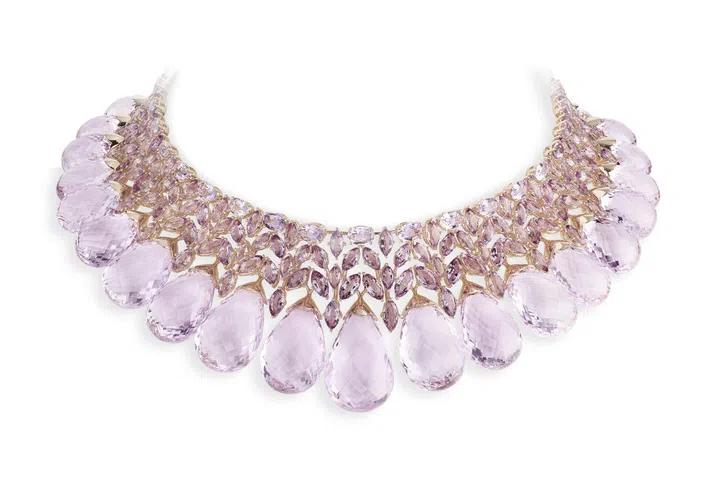
Kunzite is the pink-to-lilac variety of spodumene, known for its soft, luminous appearance and often impressive size. Its colour can range from delicate blush to deeper violet-pink, giving it a distinctly ethereal quality.
Discovered in the early 20th century and named after gemologist George Frederick Kunz, kunzite has no ancient pedigree but has become popular for its elegance and affordability. Major sources include the US, Afghanistan, Pakistan, and Brazil.
Despite its beauty, kunzite has practical limitations: it can fade with prolonged exposure to sunlight and is softer than many gemstones. With a hardness of around 6.5 to 7, it is better suited to earrings, pendants, or occasion jewellery, which is why it is often described as an evening stone rather than an everyday choice.
Morganite
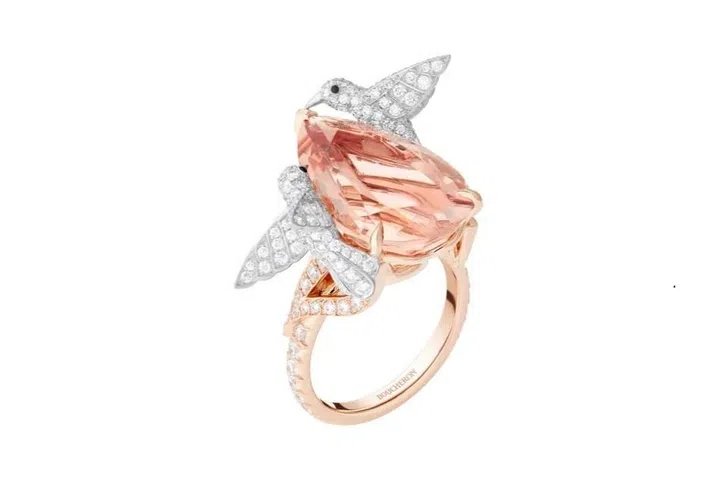
Morganite is the pink-to-peach variety of beryl, part of the same mineral family as emerald and aquamarine. Its colour is typically soft and pastel, ranging from pale blush to warm peach, making it a modern favourite for romantic jewellery.
Compared with ruby or sapphire, morganite is relatively abundant, allowing for large, clean stones at accessible price points. This availability has contributed to its popularity as a statement piece and in engagement rings, where size and gentle colour are prioritised over rarity.
Discovered in the early 20th century and named after banker and gem collector J.P. Morgan, morganite has no documented history but has become closely associated with contemporary romance.
Major sources include Brazil, Madagascar, Mozambique, and Afghanistan. With a hardness of around 7.5 to 8, morganite is durable enough for jewellery, though it benefits from thoughtful setting and some care when worn daily.
Rubellite (red tourmaline)
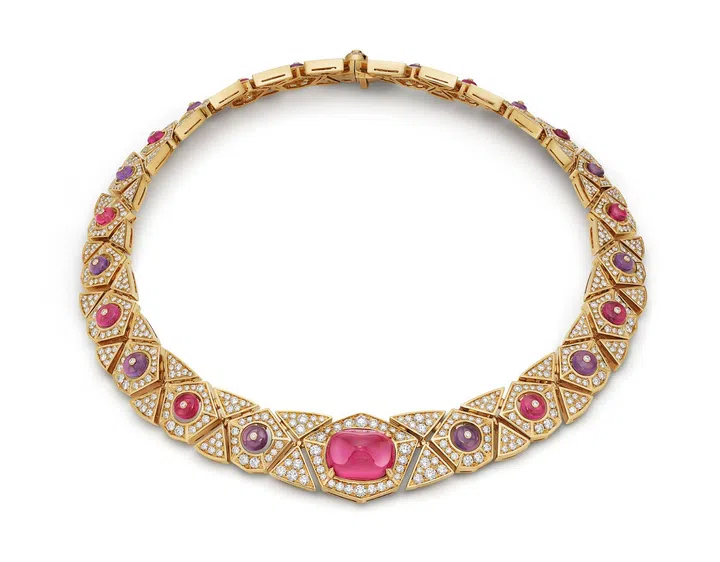
Rubellite is the red-to-pink-red variety of tourmaline, valued for its rich raspberry and magenta tones. The finest stones retain their colour under both daylight and artificial light, an important factor in determining quality.
Rubellite entered European jewellery in the 18th century and quickly gained popularity for its expressive colour. While more accessible than ruby or sapphire, fine rubellites with strong saturation and good clarity can be surprisingly valuable.
Brazil has historically been the most important source, with Mozambique, Nigeria, and Madagascar contributing significant material today.
With a hardness of about 7 to 7.5, rubellite is suitable for jewellery but more prone to abrasion than corundum, making protective settings especially important for rings.
Pink tourmaline
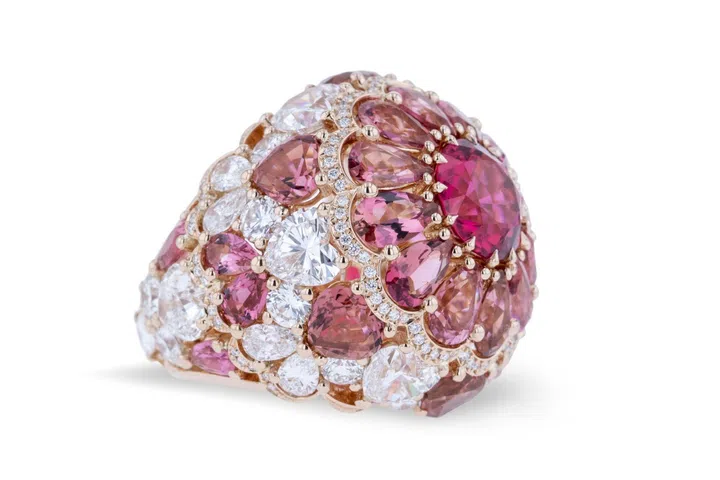
Pink tourmaline is one of the most versatile pink gemstones, offering a broad spectrum of colours from pale blush to intense fuchsia. It has been used in jewellery since the 18th century, when it entered Europe through Dutch trade routes.
Value depends largely on colour saturation and clarity, with brighter stones commanding higher prices. Brazil remains the primary historical source, while Mozambique and Nigeria provide much of today’s material.
Pink tourmaline is favoured in contemporary jewellery for its expressiveness and individuality. Measuring approximately 7 to 7.5 on the Mohs scale, it is suitable for jewellery but benefits from careful setting, particularly in rings that may come into regular contact with hard surfaces.
Rose quartz
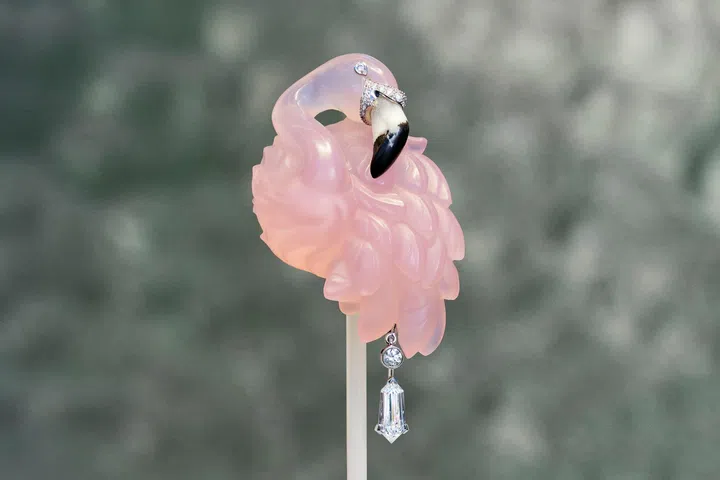
Rose quartz is characterised by its soft, milky pink colour and translucency rather than brilliance. It has been associated with love and emotional harmony since antiquity and remains a symbol of romanticism today.
Unlike transparent gemstones, rose quartz is abundant and affordable, making it popular in fashion jewellery and decorative pieces. Major sources include Brazil, Madagascar, and South Africa. Its appeal lies in colour and meaning rather than rarity or sparkle.
With a hardness of around 7, rose quartz is reasonably durable but more susceptible to surface wear, making it better suited to pendants, earrings, and beads than to rings exposed to daily wear and tear.
Red garnet
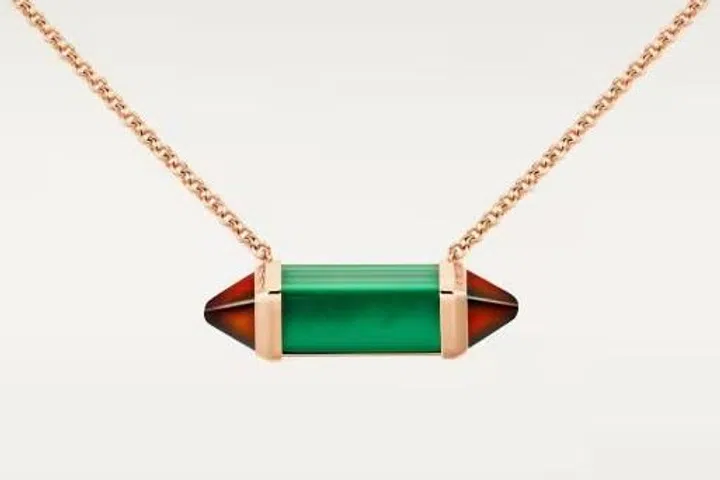
Red garnet is among the oldest gemstones used in jewellery, with a history stretching back to ancient Egypt, Greece, and Rome. The term encompasses several garnet varieties, most commonly pyrope and almandine, producing colours from deep wine red to brighter crimson.
This rich red gemstone from the garnet family, with a wide palette of colours, has traditionally been valued for its warmth and symbolism rather than its rarity, and isoften associated with protection, vitality, and safe travel. While generally affordable, well-cut stones with lively colour remain attractive to collectors and designers alike.
Red garnet saw a major revival during the Victorian era, when it became a staple of European jewellery. Important sources today include India, Mozambique, Tanzania, and Sri Lanka.
It typically measures 6.5 to 7.5 on the Mohs scale, making it durable enough for jewellery but better suited to pieces not subjected to constant daily impact.
Rhodolite garnet
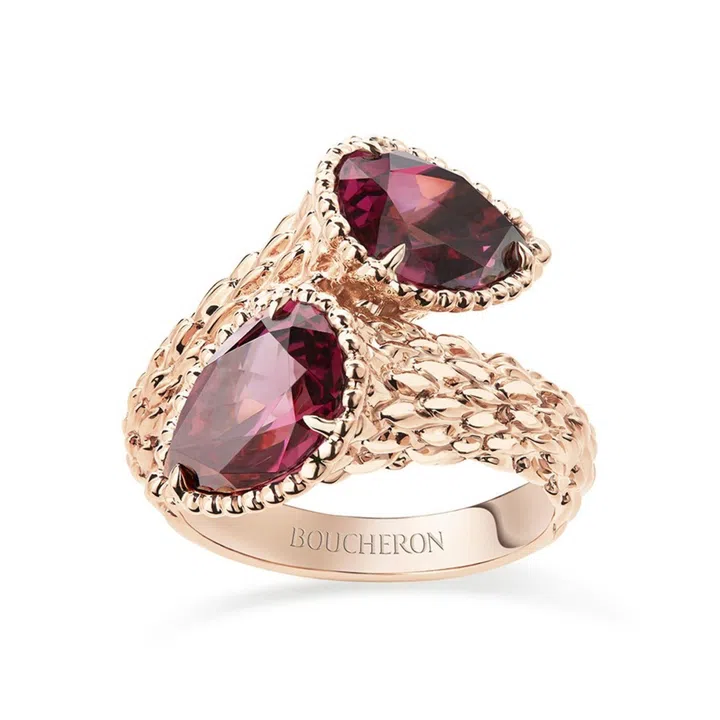
Rhodolite garnet is a blend of pyrope and almandine, producing a bright raspberry-pink to purplish-red colour that is lighter and more vibrant than that of red garnet. It was discovered in the late 19th century and quickly gained popularity for its attractive hue and clarity.
Rhodolite is generally affordable, though fine stones with lively colour are increasingly sought after. Important sources include Tanzania, Sri Lanka, and North Carolina, United States.
Its balanced colour makes it versatile in both classic and modern designs. With a hardness of around 7 to 7.5, rhodolite garnet offers good durability for jewellery, particularly when set with some protection.
Malaia (Malaya) garnet
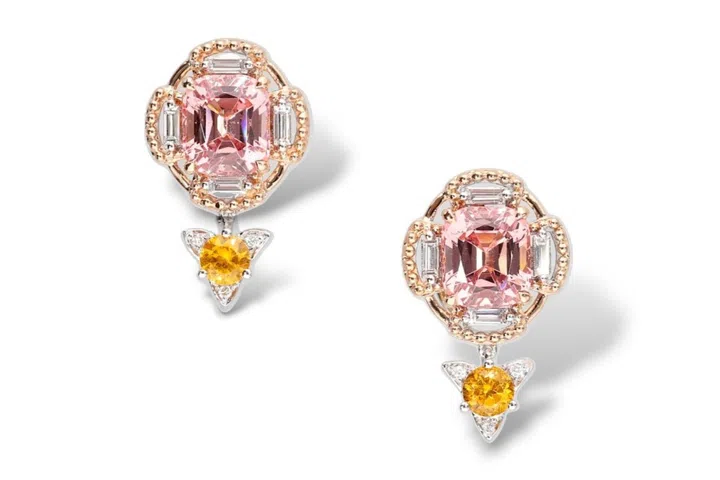
Malaia garnet is one of the most intriguing members of the garnet family, valued for its colours ranging from pink to red, sometimes to orange. Scientifically, malaia garnet is a hybrid composition, typically combining pyrope and spessartine, which gives rise to its distinctive colour range.
Discovered in East Africa in the late 1960s, primarily in Tanzania and Kenya, these stones did not fit established garnet categories and were reportedly referred to as “malaia”, meaning “out of the family” in Swahili.
It is rarer than red garnet yet remains under-recognised, offering a uniqueness without the prestige pricing of sapphire or diamond. With a hardness of around 7 to 7.5, malaia garnet is suitable for jewellery but benefits from careful setting and mindful wear.
Imperial topaz
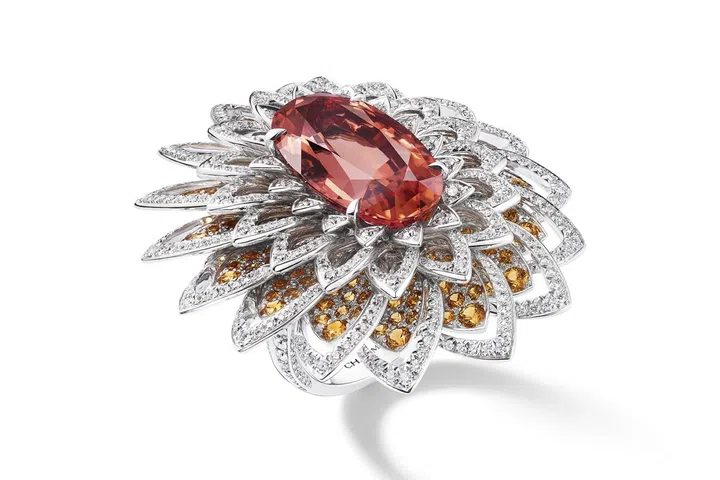
Imperial topaz is the most prized and valuable variety of topaz, and displays warm hues ranging from golden peach and apricot to pinkish orange and gentle reddish tones. While topaz occurs in many colours, only stones within this refined, sunset-like spectrum are considered “imperial”.
Historically, the name is linked to Russian royalty, as fine topaz from the Ural Mountains was once reserved for the Tsars, lending the stone an air of exclusivity and status. Today, the most important source of imperial topaz is Brazil, particularly the Ouro Preto region, which produces stones with the coveted pink-orange glow.
Imperial topaz is rarer than most other topaz varieties, and fine examples with natural colour command significantly higher prices. With a Mohs hardness of 8, it is relatively durable, although its perfect cleavage means it should be cut and set carefully to avoid impact damage, especially in rings.