%22%3E%0A%3Cpath%20d%3D%22M412%20101.2H393.7C393.1%20101.2%20392.3%20100.9%20391.8%20100.5C377.3%2087.6004%20362.9%2074.6004%20348.4%2061.6004C344.8%2058.4004%20341.3%2055.2004%20337.7%2052.0004C337.1%2051.5004%20336.2%2051.1004%20335.5%2051.0004C334.2%2050.8004%20333%2051.0004%20331.5%2051.0004V101.1H316.7V0.100391H331.4V44.3004C331.9%2044.3004%20332.2%2044.4004%20332.5%2044.4004C334.9%2044.4004%20337.2%2044.5004%20339.6%2044.4004C340.4%2044.4004%20341.3%2044.0004%20341.8%2043.5004C351.6%2034.4004%20361.4%2025.2004%20371.1%2016.0004C376.5%2010.9004%20381.9%205.90039%20387.3%200.800391C387.9%200.200391%20388.5%200.000390626%20389.3%200.000390626H400.9C384.2%2015.8004%20367.8%2031.3004%20351.2%2047.0004C371.5%2065.0004%20391.8%2082.9004%20412.1%20100.9C412.1%20101%20412.1%20101.1%20412%20101.2ZM180.9%20101.2C184.1%2094.9004%20187.2%2088.9004%20190.3%2082.8004C198.3%2067.3004%20206.2%2051.8004%20214.2%2036.2004C220.3%2024.4004%20226.4%2012.5004%20232.4%200.700391C232.7%200.100391%20233%20-0.0996094%20233.7%20-0.0996094H248.1C248.8%20-0.0996094%20249.2%200.100391%20249.6%200.800391C256%2013.3004%20262.4%2025.7004%20268.8%2038.2004C279.3%2058.6004%20289.8%2079.0004%20300.3%2099.5004C300.5%20100%20300.8%20100.4%20301.1%20101.1C300.5%20101.1%20300.1%20101.2%20299.7%20101.2H286.5C285.6%20101.2%20285.1%20100.9%20284.7%20100.2C280.1%2091.3004%20275.4%2082.4004%20270.8%2073.4004C270.1%2072.1004%20269.3%2071.6004%20267.8%2071.6004H209.9C208.7%2071.6004%20208.1%2072.0004%20207.5%2073.1004C202.9%2082.1004%20198.2%2091.0004%20193.6%20100C193.1%20101%20192.6%20101.3%20191.5%20101.3C188.4%20101.2%20185.3%20101.3%20182.3%20101.3C182%20101.2%20181.6%20101.2%20180.9%20101.2ZM239.1%2011.4004C230%2029.2004%20221.1%2046.7004%20212.1%2064.3004H266.4C257.2%2046.7004%20248.2%2029.2004%20239.1%2011.4004ZM0%200.000390626H43.4C51.2%200.000390626%2058.7%201.20039%2065.7%204.80039C75.9%2010.0004%2078.9%2018.0004%2078.6%2027.4004C78.3%2034.3004%2076%2040.5004%2071.2%2045.5004C67.3%2049.6004%2062.4%2052.3004%2057.1%2054.3004C50.6%2056.7004%2043.9%2058.0004%2037.1%2058.6004C30.1%2059.2004%2023.1%2059.4004%2016.2%2059.7004C15.8%2059.7004%2015.3%2059.8004%2014.8%2059.8004V101.1H0.1C0%2067.4004%200%2033.8004%200%200.000390626ZM14.8%207.10039V52.2004C23.7%2052.4004%2032.6%2052.3004%2041.2%2050.1004C44.4%2049.3004%2047.6%2048.2004%2050.6%2046.7004C58.4%2043.0004%2062.3%2036.7004%2062.7%2028.0004C63%2019.9004%2059.5%2014.1004%2052.4%2010.5004C47.6%208.00039%2042.5%207.10039%2037.2%207.10039H14.8ZM95.9%20101.1V0.100391H167.3V7.20039H110.7V44.7004H158.1V51.9004H110.8V93.9004H171.1V101C146.1%20101.1%20121%20101.1%2095.9%20101.1Z%22%20fill%3D%22black%22%2F%3E%0A%3Cpath%20d%3D%22M35.0004%2025.7996H42.5004V20.6996H44.8004V33.1996H42.6004V27.5996H34.9004V33.2996H32.7004V20.7996H35.0004V25.7996ZM54.4004%2025.8996V27.2996H48.9004V31.6996H55.9004C55.9004%2032.1996%2056.0004%2032.5996%2056.0004%2033.0996H46.5004V20.5996H55.5004V21.8996H49.0004V25.7996C50.7004%2025.8996%2052.5004%2025.8996%2054.4004%2025.8996ZM25.9004%2033.0996H23.5004V21.9996H17.9004V20.6996H31.6004V22.0996H27.1004C26.2004%2022.0996%2025.9004%2022.2996%2025.9004%2023.1996C26.0004%2026.0996%2025.9004%2028.9996%2025.9004%2031.7996V33.0996Z%22%20fill%3D%22black%22%2F%3E%0A%3C%2Fg%3E%0A%3Cdefs%3E%0A%3CclipPath%20id%3D%22clip0_388_462%22%3E%0A%3Crect%20width%3D%22411%22%20height%3D%22101.2%22%20fill%3D%22white%22%2F%3E%0A%3C%2FclipPath%3E%0A%3C%2Fdefs%3E%0A%3C%2Fsvg%3E%0A)
How to choose the best sunglasses for sports
The choice of sunglasses could make or break your game, but eyewear company Safilo sets things right.
By Yanni Tan /
Share this article
So many qualities are associated with sporting greatness — athleticism, mental strength, talent, determination, and so on. The most overlooked quality, in our opinion, is laser-sharp vision, especially when you’re subject to variable sunlight conditions outdoors.
Whether you’re a padel or golf enthusiast or love taking your car for drives across the border, the right pair of shades should be more than just a fashion statement — it’s a critical piece of equipment that can elevate your performance and keep you in the best form during the most intense activity.
With so many options on the market, getting it right can be tricky. To guide you through the selection is a Safilo Singapore marketing representative, one of the world’s leading eyewear names. With over 90 years of experience designing and manufacturing high-performance eyewear, the Italian company boasts a portfolio of over 30 labels, including sports brands like Under Armour and Polaroid.
Superior shape
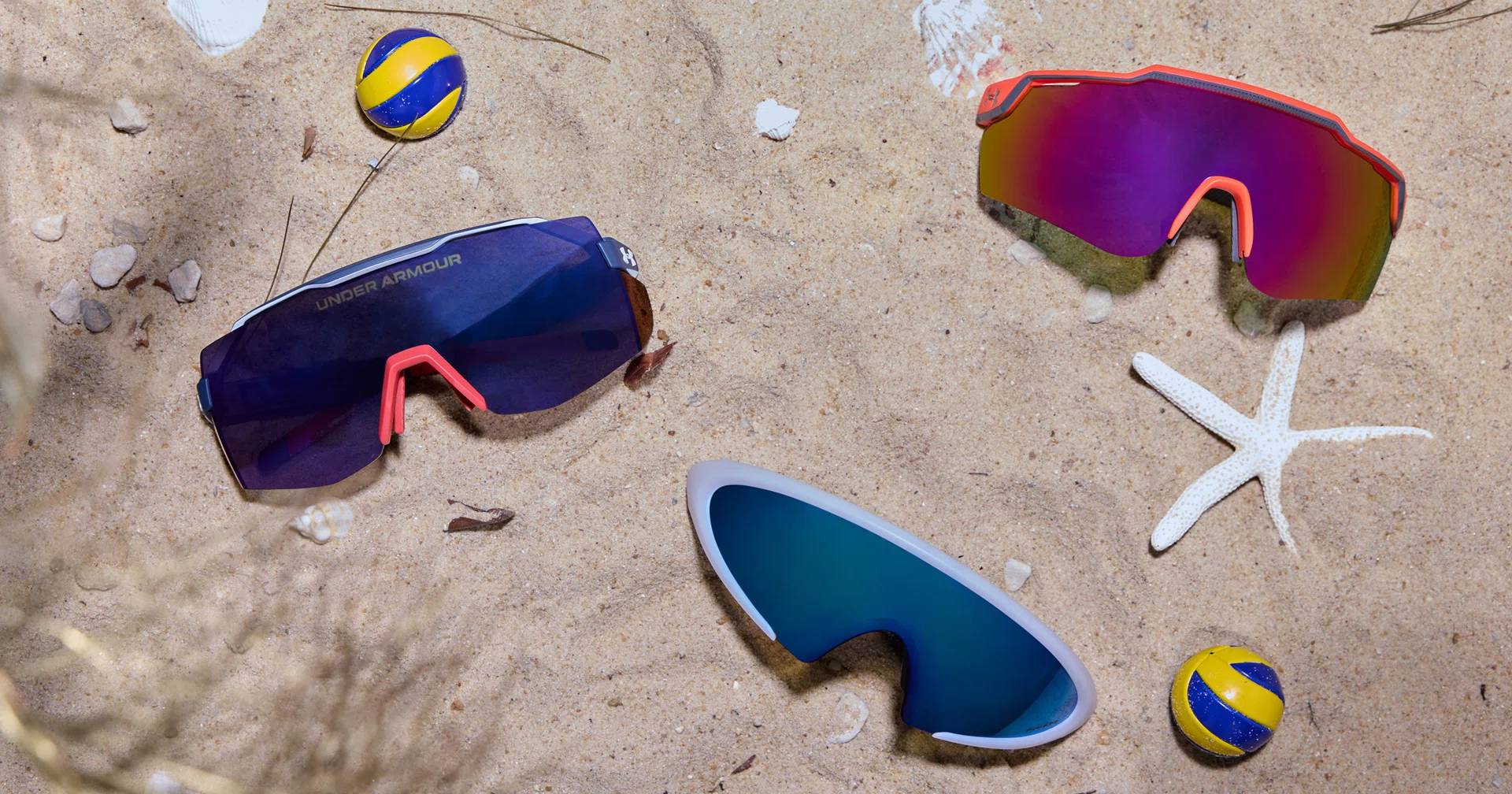
“A wrap-around style is highly recommended for sports because it offers enhanced protection from UV rays by blocking sunlight from entering through the sides,” explains the marketing rep. “This style also provides a wider field of vision, which is important for athletes who need to stay aware of their surroundings.”
Wrap-arounds are designed to hug the face, ensuring they stay securely in place. This makes them ideal for sports like cycling, running, and tennis, where sudden movements and changes in direction are every day. They can be full-rimmed or semi-rimless.
Another increasingly popular offshoot of the wrap-around style is the trendy shield. Designed with a single lens that covers both eyes and extends to the temples, shields provide excellent coverage and comfort.
Security matters
When it comes to sports eyewear, the temple style and grip are often overlooked but crucial elements. “Comfort and stability are key,” says the Safilo rep. “Many sports sunglasses feature rubberised or textured grips at the end of the temples to prevent slipping.”
“There are different temple designs to consider, depending on your sport. For high-impact or fast-paced activities, you may want temples with a more contoured design or adjustable fit for added security. For cycling or running, lightweight and flexible temples that don’t interfere with headgear are crucial.”
Interestingly, the rise of gaming has also influenced sports eyewear design. “Under Armour has introduced sports-style optical frames with temples that fit comfortably under gaming headsets,” she adds, noting that this crossover caters to individuals who engage in both sports and gaming, offering versatility without compromising performance.
Frame it well
There is always a trade-off between the different types of materials for the frames, Safilo’s marketing rep states. Lighter materials, like Under Armour’s TR90, are flexible, durable, impact-resistant, and ideal for extended wear.
“However, metals such as stainless steel and titanium, while heavier, tend to offer superior strength and long-lasting durability. Stainless steel is known for its rust-resistance and flexibility, while titanium is lightweight, corrosion-resistant, and perfect for high-performance eyewear, although that comes at a higher cost.”
Carbon fibre material is also gaining traction in premium sports eyewear, catering to the growing demand for high-end materials.

A key consideration is the length and purpose of wear. “Sunglasses for short-term use can be slightly heavier without discomfort, while optical frames for all-day wear may be better with lighter, thinner styles. Preferences also vary by region — lighter frames are favoured in Asia for comfort, while in Europe, weight is often associated with quality.”
Ultimately, the proper frame material balances comfort, fit, and durability. An extra factor is whether the materials are hypoallergenic to prevent skin irritation.
What’s the background
Choosing the right lens colour can significantly enhance your performance. “For tennis, padel, or football, pink, red or brown lenses are ideal because they enhance contrast and improve depth perception,” recommends the marketing rep.
Under Armour’s UA Tuned Lenses are a game-changer in this regard. These proprietary lenses fine-tune colour perception and improve contrast, making them perfect for various outdoor sports.
For golf, violet and green lenses help players track the ball against a green background. In contrast, orange and gold lenses are ideal for low-light or overcast conditions, such as those experienced in activities such as evening cycling. If you’re looking for a pair that suits general outdoor situations, grey, black, or blue lenses are recommended, as they minimise glare and reduce eye fatigue.
All high-quality sun lenses help cut glare to some extent, but one should favour polarised versions for highly reflective environments, whether out at sea or under Singapore’s strong sunlight. “Polarised lenses are specifically designed to minimise glare more effectively, reducing discomfort and squinting. They enhance clarity and safety during activities like driving, skiing, or cycling.”
It’s worth noting that polarised lenses don’t work effectively in artificial light and are typically darker-tinted, which is not ideal for low-light conditions after the rain, during sundown on the roads, or in a spot-lit court. Instead, choose lighter-tinted lenses.
While convenient for everyday use, photochromic lenses, which change colour when exposed to light, are not the best choice for sports. Explains the Safilo rep, “They can take longer to adjust to light changes, which is a disadvantage in fast-paced activities. They also might not darken enough in intense sunlight or cold weather.”
Out with UV
Protection against UV exposure is non-negotiable, continues the marketing rep, adding that all sunglasses made by Safilo offer 100 per cent protection that blocks out all UVA and UVB rays.
“However, lens tint is commonly confused with UV protection levels. Lens tint refers to how much visible light passes through, and it is categorised from Level 0 to 4, with zero being the lightest and Level 4 the darkest,” she says, adding that it is typically indicated on the right temple of the eyewear.
Levels 2 and 3 are suitable for most daily situations, especially in urban settings or during moderate sunlight exposure. However, level 4 can be dangerous for activities like driving, as it dampens visibility in shaded areas, such as tunnels.
Special situations
For those with poor eyesight, prescription sunglasses and clip-ons are viable options. “Prescription sunglasses are convenient for outdoor activities, but clip-ons are easier to remove indoors. However, the latter may not fit well with stronger prescriptions, so it’s best to consult an optometrist for personalised advice,” says the marketing rep.
Those planning their next skiing or snowboarding trip should purchase goggles for skiing and snowboarding, neglecting the need for eye protection for other outdoor activities in highly reflective snowy landscapes. Polarised lenses are paramount, as are wrap-around styles that protect the delicate skin around the eyes from harsh wind and UV rays.
She says one of the biggest mistakes people make is prioritising style. “Cheap sunglasses may look great but often don’t provide adequate UV filtering. Prolonged exposure to UV radiation can lead to serious eye issues like cataracts or macular degeneration,” she warns.
Another key factor that many overlook is a secure fit, which goes a long way to ensuring maximum enjoyment during sports or outdoor adventures. Even though it’s common sense, proper maintenance is also often neglected.
“Scratched lenses not only affect visibility but also reduce the protective benefits of the lenses. Always clean your sunglasses carefully — using lukewarm water and mild soap, not harsh detergents or alcohol-based products that can damage the lens coating. And never leave sunglasses in direct sunlight, such as on a car dashboard, as excessive heat can warp both the frames and lenses. Instead, store them in a protective case to extend their lifespan.”