%22%3E%0A%3Cpath%20d%3D%22M412%20101.2H393.7C393.1%20101.2%20392.3%20100.9%20391.8%20100.5C377.3%2087.6004%20362.9%2074.6004%20348.4%2061.6004C344.8%2058.4004%20341.3%2055.2004%20337.7%2052.0004C337.1%2051.5004%20336.2%2051.1004%20335.5%2051.0004C334.2%2050.8004%20333%2051.0004%20331.5%2051.0004V101.1H316.7V0.100391H331.4V44.3004C331.9%2044.3004%20332.2%2044.4004%20332.5%2044.4004C334.9%2044.4004%20337.2%2044.5004%20339.6%2044.4004C340.4%2044.4004%20341.3%2044.0004%20341.8%2043.5004C351.6%2034.4004%20361.4%2025.2004%20371.1%2016.0004C376.5%2010.9004%20381.9%205.90039%20387.3%200.800391C387.9%200.200391%20388.5%200.000390626%20389.3%200.000390626H400.9C384.2%2015.8004%20367.8%2031.3004%20351.2%2047.0004C371.5%2065.0004%20391.8%2082.9004%20412.1%20100.9C412.1%20101%20412.1%20101.1%20412%20101.2ZM180.9%20101.2C184.1%2094.9004%20187.2%2088.9004%20190.3%2082.8004C198.3%2067.3004%20206.2%2051.8004%20214.2%2036.2004C220.3%2024.4004%20226.4%2012.5004%20232.4%200.700391C232.7%200.100391%20233%20-0.0996094%20233.7%20-0.0996094H248.1C248.8%20-0.0996094%20249.2%200.100391%20249.6%200.800391C256%2013.3004%20262.4%2025.7004%20268.8%2038.2004C279.3%2058.6004%20289.8%2079.0004%20300.3%2099.5004C300.5%20100%20300.8%20100.4%20301.1%20101.1C300.5%20101.1%20300.1%20101.2%20299.7%20101.2H286.5C285.6%20101.2%20285.1%20100.9%20284.7%20100.2C280.1%2091.3004%20275.4%2082.4004%20270.8%2073.4004C270.1%2072.1004%20269.3%2071.6004%20267.8%2071.6004H209.9C208.7%2071.6004%20208.1%2072.0004%20207.5%2073.1004C202.9%2082.1004%20198.2%2091.0004%20193.6%20100C193.1%20101%20192.6%20101.3%20191.5%20101.3C188.4%20101.2%20185.3%20101.3%20182.3%20101.3C182%20101.2%20181.6%20101.2%20180.9%20101.2ZM239.1%2011.4004C230%2029.2004%20221.1%2046.7004%20212.1%2064.3004H266.4C257.2%2046.7004%20248.2%2029.2004%20239.1%2011.4004ZM0%200.000390626H43.4C51.2%200.000390626%2058.7%201.20039%2065.7%204.80039C75.9%2010.0004%2078.9%2018.0004%2078.6%2027.4004C78.3%2034.3004%2076%2040.5004%2071.2%2045.5004C67.3%2049.6004%2062.4%2052.3004%2057.1%2054.3004C50.6%2056.7004%2043.9%2058.0004%2037.1%2058.6004C30.1%2059.2004%2023.1%2059.4004%2016.2%2059.7004C15.8%2059.7004%2015.3%2059.8004%2014.8%2059.8004V101.1H0.1C0%2067.4004%200%2033.8004%200%200.000390626ZM14.8%207.10039V52.2004C23.7%2052.4004%2032.6%2052.3004%2041.2%2050.1004C44.4%2049.3004%2047.6%2048.2004%2050.6%2046.7004C58.4%2043.0004%2062.3%2036.7004%2062.7%2028.0004C63%2019.9004%2059.5%2014.1004%2052.4%2010.5004C47.6%208.00039%2042.5%207.10039%2037.2%207.10039H14.8ZM95.9%20101.1V0.100391H167.3V7.20039H110.7V44.7004H158.1V51.9004H110.8V93.9004H171.1V101C146.1%20101.1%20121%20101.1%2095.9%20101.1Z%22%20fill%3D%22black%22%2F%3E%0A%3Cpath%20d%3D%22M35.0004%2025.7996H42.5004V20.6996H44.8004V33.1996H42.6004V27.5996H34.9004V33.2996H32.7004V20.7996H35.0004V25.7996ZM54.4004%2025.8996V27.2996H48.9004V31.6996H55.9004C55.9004%2032.1996%2056.0004%2032.5996%2056.0004%2033.0996H46.5004V20.5996H55.5004V21.8996H49.0004V25.7996C50.7004%2025.8996%2052.5004%2025.8996%2054.4004%2025.8996ZM25.9004%2033.0996H23.5004V21.9996H17.9004V20.6996H31.6004V22.0996H27.1004C26.2004%2022.0996%2025.9004%2022.2996%2025.9004%2023.1996C26.0004%2026.0996%2025.9004%2028.9996%2025.9004%2031.7996V33.0996Z%22%20fill%3D%22black%22%2F%3E%0A%3C%2Fg%3E%0A%3Cdefs%3E%0A%3CclipPath%20id%3D%22clip0_388_462%22%3E%0A%3Crect%20width%3D%22411%22%20height%3D%22101.2%22%20fill%3D%22white%22%2F%3E%0A%3C%2FclipPath%3E%0A%3C%2Fdefs%3E%0A%3C%2Fsvg%3E%0A)
After a decade in the shadow of smartphones, retro cameras are back in style
The rise of digital and film cameras reflects a larger cultural turn toward analogue living, where creative control, physical prints, and deliberate photography matter more than ever.
By Jamie Wong JM /
Share this article
The latest trend is going offline, and nowhere is this clearer than in the resurging popularity of dedicated cameras, especially digital cameras, or their cuter portmanteau: digicams.
For years, cameras and other dedicated devices were on the decline, especially as Smartphones grew into all-in-one devices, reducing the need for separate communication tools, computers, gaming consoles and cameras. In 2010, global shipments of digital cameras exceeded 121 million units. By 2023, that number had fallen to just 7.8 million, as phones absorbed the role of everyday photography.
But this is no longer the case. In 2024 and 2025, the photography industry recorded its first consecutive years of growth in over a decade, with 9.44 million units shipped globally last year. Dedicated cameras are once again objects of desire, particularly among younger consumers who are driving their renewed cultural relevance.
Why cameras are back
This shift sits within a broader movement towards what many call “analogue living”. As daily life becomes increasingly mediated through screens, there is growing fatigue with frictionless, always-on digital experiences, alongside a sense of disillusionment with the attention economy. In response, people are gravitating towards slower, more tactile pursuits, from vinyl records and printed photographs to journaling, crochet, and even the return of the Tamagotchi.
At the same time, this analogue turn is unfolding against the backdrop of an increasingly visual world. Images have become central to how people communicate, construct identity, and participate in culture, driven by social media and the rise of short-form video.
And of these images, those produced by retro tech are the height of aesthetics. Scroll through any social platform and it’s clear: grainy flash photography reminiscent of film, soft-focus portraits echoing early-2000s digital cameras, and instant prints decorating vision boards and scrapbooks.
Photography is uniquely bolstered by these. Smartphones have absorbed the functional aspects of photography: quick documentation, commemoration, and everyday snapshots. Correspondingly, cameras have become purely creative instruments. They are no longer necessary, which is exactly why they are desirable. To pick up a camera today is to be intentional with photography.
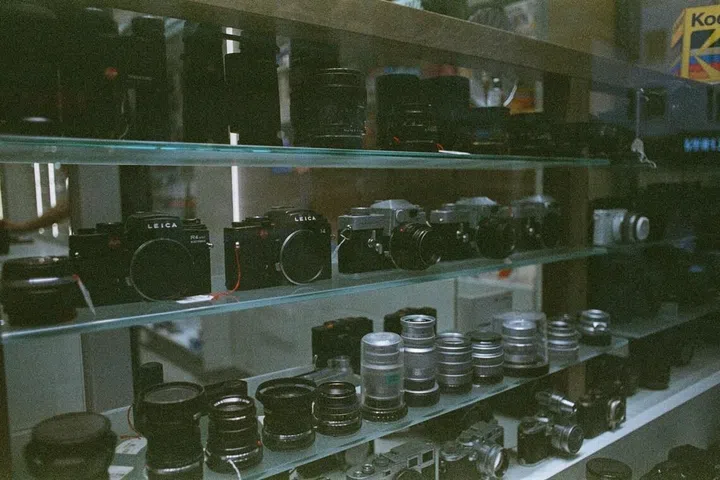
Taking a photo on a dedicated camera, whether digital or film, demands a different kind of attention. It turns an instinctive tap into a considered act, requiring the user to slow down, frame, and engage more deeply with their surroundings.
The joy behind the scenes
For those in the industry, this evolution is not surpirsing.
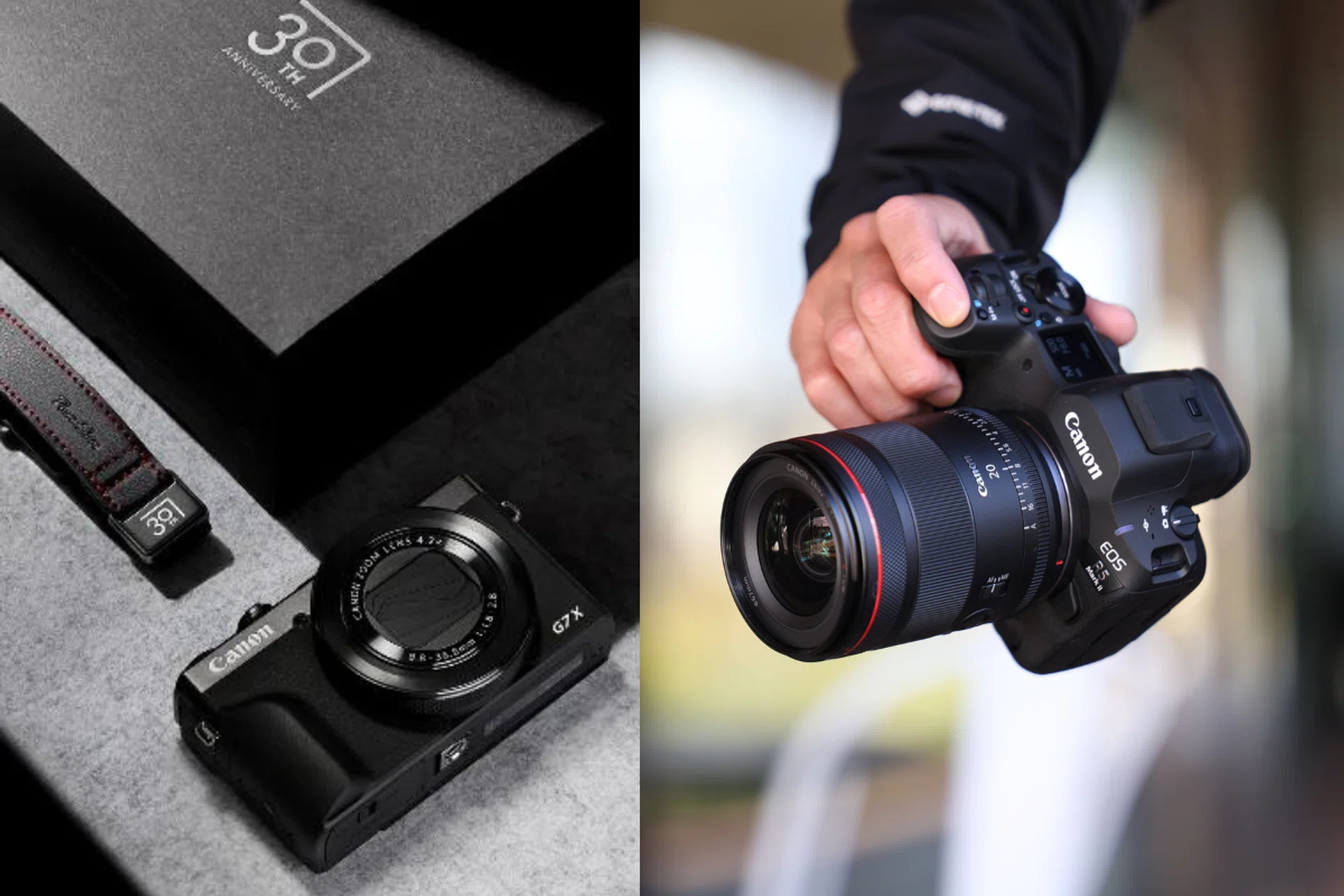
“Canon views this resurgence as a natural evolution towards a human desire for authentic, high-quality visual storytelling in an increasingly digital world,” says Toshiyuki (Tiger) Ishii, President and CEO of Canon Singapore. “Dedicated tools to capture these experiences, such as cameras, retain value when they deliver tactile experiences that modern, all-in-one devices (such as smartphones) cannot fully replicate.”

In this context, the smartphones that were once competitors, have become the catalyst for the renewed popularity of cameras. By making photography accessible, they have introduced an entire generation to the medium and expanded global appreciation for imaging. Everyone has the chance to take photographs, and visual literacy has improved. From that improvement comes ambition. As users understand the aesthetics of images better, many begin to seek tools that offer greater control and depth, be it digicams or dedicated DSLRs.
“Many users are now looking for the higher image quality, optical depth, and creative control that only a dedicated tool can provide,” Ishii notes. “This is where Canon delivers clear and differentiated value: providing customers with cameras that transform a casual snapshot into a deliberate work of craft.”
This behavioural shift is also reshaping how cameras are designed and used. Increasingly, they exist in conversation with smartphones rather than in opposition to them.
With Canon as an example, wireless connectivity, cloud services and mobile integration allow images to move seamlessly between their devices and mobile phones, while newer models cater to digital-native creators with features such as subject tracking, stabilisation and livestreaming capabilities.
Beyond capturing images, there is also renewed interest in what comes after. Printing, collecting and physically displaying photographs have regained appeal in a world where most images exist fleetingly on screens. Digital files can be lost to platform changes, glitches or shifting algorithms, but physical prints endure. They can be held, shared and revisited without reliance on any external system.
The same consumer seeking a more intentional way to take photos is often also looking for ways to make those images tangible and print them. Companies like Canon, which operate across both imaging hardware and printing, are uniquely positioned to benefit from this convergence.
Taken together, these shifts towards intentionality, visual expression and physical permanence, suggest that the camera’s resurgence is not a passing trend, but a recalibration.
“Smartphones will remain the default device for everyday imaging purposes, but dedicated cameras and related imaging products will retain — and in some segments, even expand — their relevance as tools for creative expression, professional production and lifestyle experiences,” says Ishii.
“For Canon, it is about moving beyond the ‘disposable’ nature of casual snapshots to drive meaningful storytelling, community, and a lifestyle where every image is a deliberate choice.”
That choice to slow down, to look, to frame, and to create is precisely what has given the camera its value once again.