%22%3E%0A%3Cpath%20d%3D%22M412%20101.2H393.7C393.1%20101.2%20392.3%20100.9%20391.8%20100.5C377.3%2087.6004%20362.9%2074.6004%20348.4%2061.6004C344.8%2058.4004%20341.3%2055.2004%20337.7%2052.0004C337.1%2051.5004%20336.2%2051.1004%20335.5%2051.0004C334.2%2050.8004%20333%2051.0004%20331.5%2051.0004V101.1H316.7V0.100391H331.4V44.3004C331.9%2044.3004%20332.2%2044.4004%20332.5%2044.4004C334.9%2044.4004%20337.2%2044.5004%20339.6%2044.4004C340.4%2044.4004%20341.3%2044.0004%20341.8%2043.5004C351.6%2034.4004%20361.4%2025.2004%20371.1%2016.0004C376.5%2010.9004%20381.9%205.90039%20387.3%200.800391C387.9%200.200391%20388.5%200.000390626%20389.3%200.000390626H400.9C384.2%2015.8004%20367.8%2031.3004%20351.2%2047.0004C371.5%2065.0004%20391.8%2082.9004%20412.1%20100.9C412.1%20101%20412.1%20101.1%20412%20101.2ZM180.9%20101.2C184.1%2094.9004%20187.2%2088.9004%20190.3%2082.8004C198.3%2067.3004%20206.2%2051.8004%20214.2%2036.2004C220.3%2024.4004%20226.4%2012.5004%20232.4%200.700391C232.7%200.100391%20233%20-0.0996094%20233.7%20-0.0996094H248.1C248.8%20-0.0996094%20249.2%200.100391%20249.6%200.800391C256%2013.3004%20262.4%2025.7004%20268.8%2038.2004C279.3%2058.6004%20289.8%2079.0004%20300.3%2099.5004C300.5%20100%20300.8%20100.4%20301.1%20101.1C300.5%20101.1%20300.1%20101.2%20299.7%20101.2H286.5C285.6%20101.2%20285.1%20100.9%20284.7%20100.2C280.1%2091.3004%20275.4%2082.4004%20270.8%2073.4004C270.1%2072.1004%20269.3%2071.6004%20267.8%2071.6004H209.9C208.7%2071.6004%20208.1%2072.0004%20207.5%2073.1004C202.9%2082.1004%20198.2%2091.0004%20193.6%20100C193.1%20101%20192.6%20101.3%20191.5%20101.3C188.4%20101.2%20185.3%20101.3%20182.3%20101.3C182%20101.2%20181.6%20101.2%20180.9%20101.2ZM239.1%2011.4004C230%2029.2004%20221.1%2046.7004%20212.1%2064.3004H266.4C257.2%2046.7004%20248.2%2029.2004%20239.1%2011.4004ZM0%200.000390626H43.4C51.2%200.000390626%2058.7%201.20039%2065.7%204.80039C75.9%2010.0004%2078.9%2018.0004%2078.6%2027.4004C78.3%2034.3004%2076%2040.5004%2071.2%2045.5004C67.3%2049.6004%2062.4%2052.3004%2057.1%2054.3004C50.6%2056.7004%2043.9%2058.0004%2037.1%2058.6004C30.1%2059.2004%2023.1%2059.4004%2016.2%2059.7004C15.8%2059.7004%2015.3%2059.8004%2014.8%2059.8004V101.1H0.1C0%2067.4004%200%2033.8004%200%200.000390626ZM14.8%207.10039V52.2004C23.7%2052.4004%2032.6%2052.3004%2041.2%2050.1004C44.4%2049.3004%2047.6%2048.2004%2050.6%2046.7004C58.4%2043.0004%2062.3%2036.7004%2062.7%2028.0004C63%2019.9004%2059.5%2014.1004%2052.4%2010.5004C47.6%208.00039%2042.5%207.10039%2037.2%207.10039H14.8ZM95.9%20101.1V0.100391H167.3V7.20039H110.7V44.7004H158.1V51.9004H110.8V93.9004H171.1V101C146.1%20101.1%20121%20101.1%2095.9%20101.1Z%22%20fill%3D%22black%22%2F%3E%0A%3Cpath%20d%3D%22M35.0004%2025.7996H42.5004V20.6996H44.8004V33.1996H42.6004V27.5996H34.9004V33.2996H32.7004V20.7996H35.0004V25.7996ZM54.4004%2025.8996V27.2996H48.9004V31.6996H55.9004C55.9004%2032.1996%2056.0004%2032.5996%2056.0004%2033.0996H46.5004V20.5996H55.5004V21.8996H49.0004V25.7996C50.7004%2025.8996%2052.5004%2025.8996%2054.4004%2025.8996ZM25.9004%2033.0996H23.5004V21.9996H17.9004V20.6996H31.6004V22.0996H27.1004C26.2004%2022.0996%2025.9004%2022.2996%2025.9004%2023.1996C26.0004%2026.0996%2025.9004%2028.9996%2025.9004%2031.7996V33.0996Z%22%20fill%3D%22black%22%2F%3E%0A%3C%2Fg%3E%0A%3Cdefs%3E%0A%3CclipPath%20id%3D%22clip0_388_462%22%3E%0A%3Crect%20width%3D%22411%22%20height%3D%22101.2%22%20fill%3D%22white%22%2F%3E%0A%3C%2FclipPath%3E%0A%3C%2Fdefs%3E%0A%3C%2Fsvg%3E%0A)
AI gets its teeth into dentistry
Some of AI’s least controversial uses are in the medical field — like in dentistry, with Zenyum.
By Jamie Wong JM /
Over the last year, artificial intelligence has seemed to make its way into nearly every facet of life — especially in areas prone to debate. In some cases, the resource costs of AI, including its environmental footprint, don’t always appear justified by the outcomes, such as in the case of AI-generated images. But in other instances, the technology proves its worth more clearly — particularly in the medical field, where the potential for real, tangible benefits is harder to dispute.
While previous articles looked at how AI is being leveraged in businesses, now we explore a field that sits between business and medicine: Zenyum, a dental cosmetics company.
Zenyum was founded in Singapore in 2018. Best known for its clear aligners — transparent mouthpieces used to maintain alignment after braces — Zenyum has recently begun integrating AI into its processes to improve treatment efficiency and reduce reliance on manual labour.
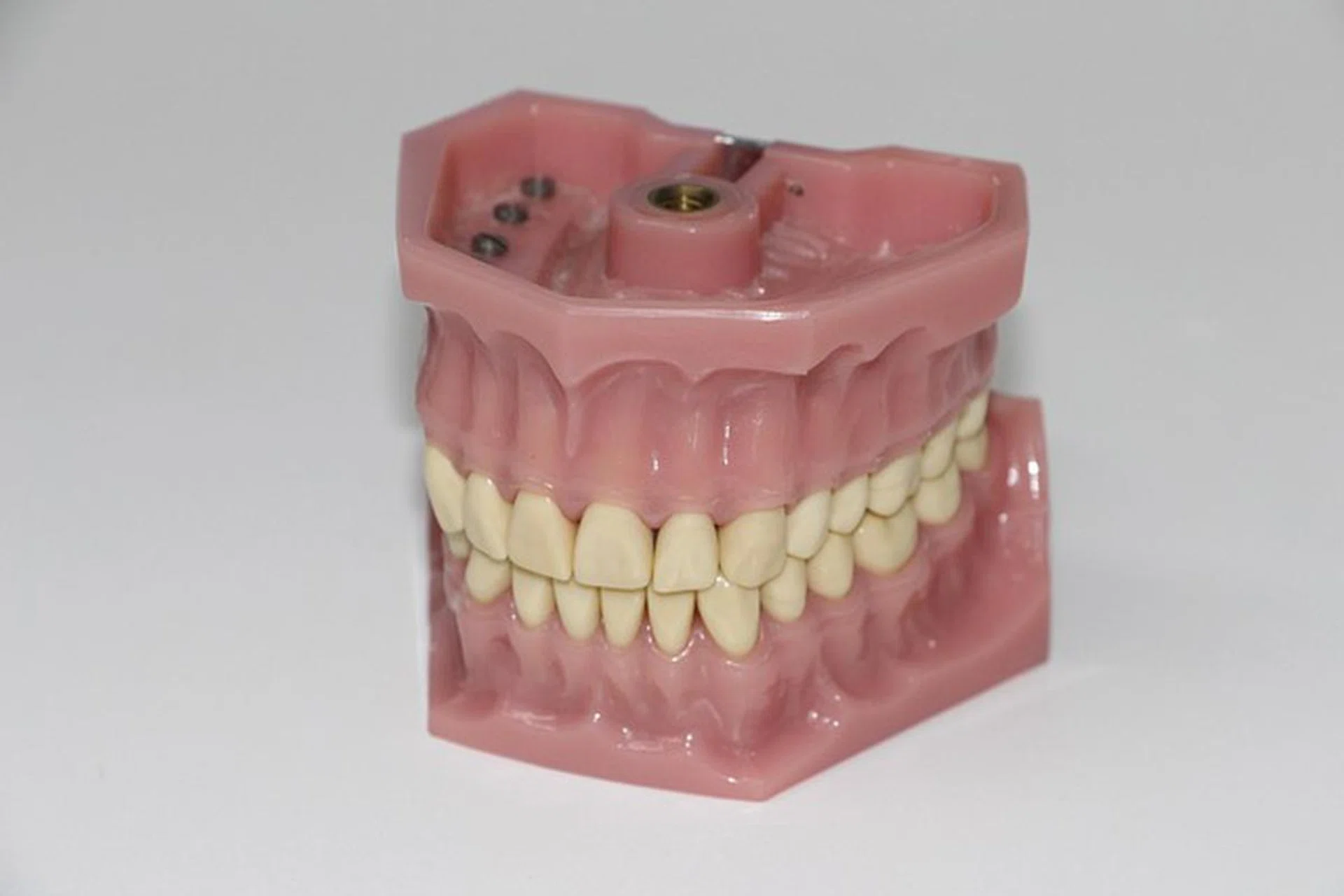
Traditionally, the process of creating braces involves taking plaster moulds of a patient’s teeth, which are then used to build a physical model. As the patient progresses through treatment, the dentist manually updates this model to reflect the teeth’s shifting positions. This is time-consuming and requires considerable expertise.
Zenyum’s AI application streamlines this process by automating the creation and adjustment of digital teeth models. Trained on existing dental datasets, the AI is tailored to detect and respond to a wide range of orthodontic scenarios.
The technology is used in two key stages: onboarding and treatment planning. During onboarding, patients take photos of their mouths using a smartphone. The AI scans these images, assesses the degree of malocclusion (misaligned teeth), and recommends a suitable dentist or orthodontist based on the complexity of the case. This pre-consultation classification allows dentists to prepare in advance, improving both patient flow and experience.
For treatment planning, the dentist conducts a 3D scan of the patient’s teeth. This data is uploaded to Zenyum’s backend, where the AI generates a real-time treatment plan. It can recommend precise tooth movements, rotations, and timelines for each stage. A clear aligner is then 3D-printed based on the plan. Since aligners are swapped out biweekly, this system reduces manpower, shortens chair time, and potentially lowers the overall cost of treatment.
“The rapid advancements of technology, such as the usage of AI to get indications of people’s malocclusion classifications, have enabled Zenyum to deliver orthodontic treatment that is more predictable and affordable,” said Julian Artope, CEO and Founder of Zenyum. “Additionally, the digitization of dental practices enables better imaging and more accurate treatment planning, as dentistry evolves with the help of modern technologies.”
Beyond improving efficiency, AI could also serve a motivational role — validating a user’s concerns about their teeth and nudging them to seek care they might have delayed.
However, there are risks. AI systems face significant issues due to the biases inherent to the data they are trained on. A well-known example outside dentistry is how some image-generation models struggle to create a full glass of wine, because the images that they are trained on are mostly images of half-filled ones. In dental care, this could manifest in algorithms favouring perfectly straight teeth as the ideal. Curious users with healthy, though slightly imperfect teeth might be unnecessarily nudged toward cosmetic treatment.
This intersects with the longstanding tension between medical and cosmetic care, and the overlap between the two. Many undergo orthodontic treatment primarily for aesthetic reasons, and since nothing fuels consumer demand like aesthetics, it creates a steady market. It is worth being wary of AI in diagnosing cosmetic cases, as beauty standards strict standards may be baked into algorithms, making biases even more pronounced.
Still, orthodontic treatments like braces often yield benefits to bite function and oral health, so in that light, the distinction may be less important in such dental fields.