%22%3E%0A%3Cpath%20d%3D%22M412%20101.2H393.7C393.1%20101.2%20392.3%20100.9%20391.8%20100.5C377.3%2087.6004%20362.9%2074.6004%20348.4%2061.6004C344.8%2058.4004%20341.3%2055.2004%20337.7%2052.0004C337.1%2051.5004%20336.2%2051.1004%20335.5%2051.0004C334.2%2050.8004%20333%2051.0004%20331.5%2051.0004V101.1H316.7V0.100391H331.4V44.3004C331.9%2044.3004%20332.2%2044.4004%20332.5%2044.4004C334.9%2044.4004%20337.2%2044.5004%20339.6%2044.4004C340.4%2044.4004%20341.3%2044.0004%20341.8%2043.5004C351.6%2034.4004%20361.4%2025.2004%20371.1%2016.0004C376.5%2010.9004%20381.9%205.90039%20387.3%200.800391C387.9%200.200391%20388.5%200.000390626%20389.3%200.000390626H400.9C384.2%2015.8004%20367.8%2031.3004%20351.2%2047.0004C371.5%2065.0004%20391.8%2082.9004%20412.1%20100.9C412.1%20101%20412.1%20101.1%20412%20101.2ZM180.9%20101.2C184.1%2094.9004%20187.2%2088.9004%20190.3%2082.8004C198.3%2067.3004%20206.2%2051.8004%20214.2%2036.2004C220.3%2024.4004%20226.4%2012.5004%20232.4%200.700391C232.7%200.100391%20233%20-0.0996094%20233.7%20-0.0996094H248.1C248.8%20-0.0996094%20249.2%200.100391%20249.6%200.800391C256%2013.3004%20262.4%2025.7004%20268.8%2038.2004C279.3%2058.6004%20289.8%2079.0004%20300.3%2099.5004C300.5%20100%20300.8%20100.4%20301.1%20101.1C300.5%20101.1%20300.1%20101.2%20299.7%20101.2H286.5C285.6%20101.2%20285.1%20100.9%20284.7%20100.2C280.1%2091.3004%20275.4%2082.4004%20270.8%2073.4004C270.1%2072.1004%20269.3%2071.6004%20267.8%2071.6004H209.9C208.7%2071.6004%20208.1%2072.0004%20207.5%2073.1004C202.9%2082.1004%20198.2%2091.0004%20193.6%20100C193.1%20101%20192.6%20101.3%20191.5%20101.3C188.4%20101.2%20185.3%20101.3%20182.3%20101.3C182%20101.2%20181.6%20101.2%20180.9%20101.2ZM239.1%2011.4004C230%2029.2004%20221.1%2046.7004%20212.1%2064.3004H266.4C257.2%2046.7004%20248.2%2029.2004%20239.1%2011.4004ZM0%200.000390626H43.4C51.2%200.000390626%2058.7%201.20039%2065.7%204.80039C75.9%2010.0004%2078.9%2018.0004%2078.6%2027.4004C78.3%2034.3004%2076%2040.5004%2071.2%2045.5004C67.3%2049.6004%2062.4%2052.3004%2057.1%2054.3004C50.6%2056.7004%2043.9%2058.0004%2037.1%2058.6004C30.1%2059.2004%2023.1%2059.4004%2016.2%2059.7004C15.8%2059.7004%2015.3%2059.8004%2014.8%2059.8004V101.1H0.1C0%2067.4004%200%2033.8004%200%200.000390626ZM14.8%207.10039V52.2004C23.7%2052.4004%2032.6%2052.3004%2041.2%2050.1004C44.4%2049.3004%2047.6%2048.2004%2050.6%2046.7004C58.4%2043.0004%2062.3%2036.7004%2062.7%2028.0004C63%2019.9004%2059.5%2014.1004%2052.4%2010.5004C47.6%208.00039%2042.5%207.10039%2037.2%207.10039H14.8ZM95.9%20101.1V0.100391H167.3V7.20039H110.7V44.7004H158.1V51.9004H110.8V93.9004H171.1V101C146.1%20101.1%20121%20101.1%2095.9%20101.1Z%22%20fill%3D%22black%22%2F%3E%0A%3Cpath%20d%3D%22M35.0004%2025.7996H42.5004V20.6996H44.8004V33.1996H42.6004V27.5996H34.9004V33.2996H32.7004V20.7996H35.0004V25.7996ZM54.4004%2025.8996V27.2996H48.9004V31.6996H55.9004C55.9004%2032.1996%2056.0004%2032.5996%2056.0004%2033.0996H46.5004V20.5996H55.5004V21.8996H49.0004V25.7996C50.7004%2025.8996%2052.5004%2025.8996%2054.4004%2025.8996ZM25.9004%2033.0996H23.5004V21.9996H17.9004V20.6996H31.6004V22.0996H27.1004C26.2004%2022.0996%2025.9004%2022.2996%2025.9004%2023.1996C26.0004%2026.0996%2025.9004%2028.9996%2025.9004%2031.7996V33.0996Z%22%20fill%3D%22black%22%2F%3E%0A%3C%2Fg%3E%0A%3Cdefs%3E%0A%3CclipPath%20id%3D%22clip0_388_462%22%3E%0A%3Crect%20width%3D%22411%22%20height%3D%22101.2%22%20fill%3D%22white%22%2F%3E%0A%3C%2FclipPath%3E%0A%3C%2Fdefs%3E%0A%3C%2Fsvg%3E%0A)
In an anxious world, cute sells: the three creative trends advertisers can’t ignore in 2026
Dentsu’s report finds that brands offering comfort, nostalgia and playful storytelling through collectibles, fandoms and cute design are best positioned to capture attention and loyalty in 2026.
By Jamie Wong JM /
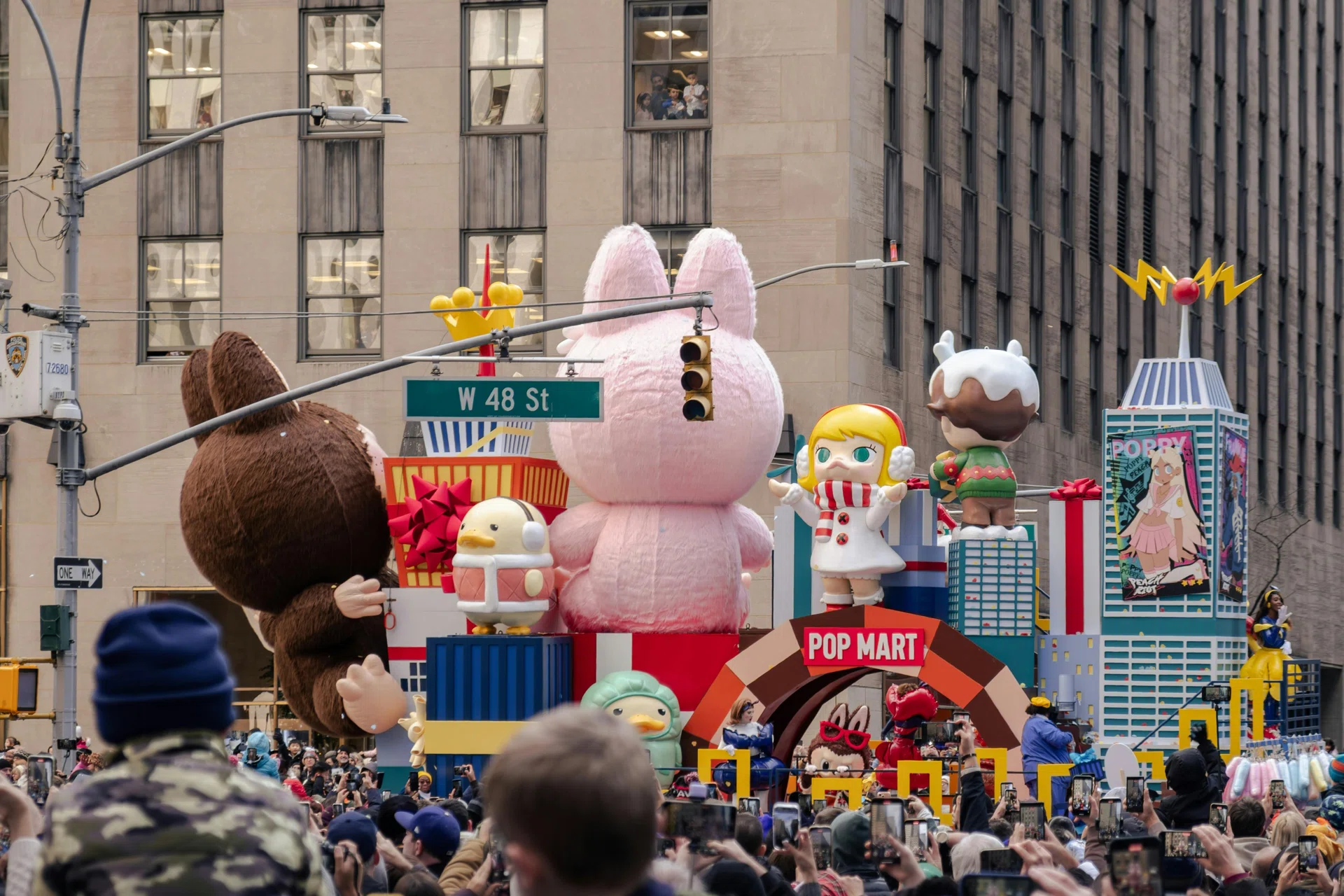
In the modern day, advertising goes far beyond simply paying for space to display information about a company. Increasingly, cohesive brand identities and thoughtfully designed products or packaging are able to spark trends on their own, especially in 2026. Dentsu’s Generative Realities: Dentsu Creative Trends 2026 report examines the consumer and creative shifts shaping the year ahead, offering a window into how brands are adapting to changing emotional needs.
The report highlights how consumers are seeking comfort in a world increasingly defined by geopolitical instability and rapid technological change, both of which contribute to a growing sense that the ground beneath them is no longer stable. In response, brands that meet consumers where they are, with well-considered, cohesive and often cute products, are the ones most likely to benefit.
Dentsu identifies three interlinked trends driving this shift: the rise of adult collectibles, the growing power of fandoms, and the ongoing boom in cute-ification.
Toys, collectibles, and reassurance
The rise of adult collectibles is the most visible of the trends, especially in Singapore, where the dominance of PopMart and other blind box brands have been hard to miss. These shops have appeared in every mall around the country. Following in their footsteps, many companies have started offering blind box promotions; purchase a product or a service, or attend an attraction and receive a blind box with a brand new character or existing popular one.
For example, last year, Milo went viral for its collectible plushes. By purchasing select milo products, consumers had the opportunity to receive a random limited edition plush toy (which doubled as an eco bag), with some eight plushes to collect. The brand designed a brand new line of plushes, but pulled on recognisable local and brand iconography, such as gem biscuits and kaya toast, as well as the Milo tin and Milo mug.
In another case, the National Museum of Singapore is collaborating with PopMart’s existing Skullpanda line of blind boxes. The brands created a special exhibition and also created a special collection, only available for purchase to exhibition ticketholders.
I’ve seen younger individuals defend their ardent desire to spend on blind boxes and other trinkets by linking it to the lipstick effect. This refers to a behavioural economics theory that asserts that, in times of economic downturn, spending on lipstick and other small luxuries increase. Supposedly, since the economy is doing poorly, individuals aren’t able to save up for big, meaningful purchases no matter how hard they try, and therefore they use that money to spend on treats instead.
Instead, Dentsu links the phenomenon to adults seeking comfort from soft toys, charms, and collectibles. The report mentions that 70% of respondents agree that modern life is so stressful they sometimes need to escape, a figure that rises to 80% among Gen Z.
Collectibles offer a retreat into the simplicity of childhood, where wanting something was enough to justify getting it. Except now, these individuals have a salary and aren’t stopped by their parents.
It’s likely that collecting such toys, charms, and other trinkets provides these individuals with a sense of order; it presents clear and achievable goals for them, whether that is completing a set, or hunting for a specific figure. All they have to do is buy something, or go somewhere, and they’ll forever own something that makes them smile just by existing.
Collecting also creates community, whether through swapping toys, queueing together or bonding over shared enthusiasm.
That said, Dentsu also warns that the behaviour can edge towards addiction, with some adults reportedly spending up to US$270 a week to secure the exact toy they want.
The rise of fandoms
Collectibles have gathered their own cult followings, and its thus unsurprisingly that the second trend Dentsu highlights is the growing influence of immersive fictional universes. In other words, the rise in relevance of fandoms for consumers.
The term “fandom” refers to communities built around a shared love for specific fictional worlds. This is most easily seen in the continued enthusiastic fan base around Marvel and Star Wars, but also exists in much more specific niches. Digital spaces have allowed these communities to flourish by providing spaces for these specific communities to bond and celebrate their love for these created worlds together.
Today, 36% of respondents say they define themselves by the fandoms they are part of, rising to nearly half among Millennials and Gen Z. For advertisers, this can be powerful if a product or service authentically overlaps with a particular fandom.
The popularity of K-Pop Demon Hunters, for instance, has been followed by a passionate, fairly young fanbase. Brands from toy manufacturers Mattel and Lego, to bakery Paris Baguette, have found ways to licence the movie’s characters and find new consumers through them.
Dentsu cites the example of BookTok, a subsection of TikTok dedicated to reading and books. The genre of Romantasy (a portmanteau of romance and fantasy) has built its own guilt following, particularly among women of all ages. This presents brands with a unique opportunity to reach women in this fandom.
Most obviously, the publishing and streaming industries are able to capitalise on this to push new books and shows onto this community, but with some effort, other types of companies will be able to as well. American skincare brand Neutrogena, for example, partnered with creator Serena Kerrigan on short stories designed to make readers “glow” like the serum.
But fandoms are also double-edged. 59% of of respondents like the fact that not everyone “gets” the things they love, rising to 69% among Gen Z, meaning that only those “in the know” can connect with them. Advertisers who enter these spaces without sensitivity risk being labelled cringe or rejected outright.
The power of cute
The third, and perhaps most pervasive, trend is the power of cute. 63% of respondents say cute products and packaging bring them much-needed joy, rising to over three-quarters among Gen Z and Millennials. While this preference skews female, with 71% of women agreeing, 55% of men are also on board.
Cute may be hard to define precisely, but it is easy to recognise and often works with the first two trends. In Singapore, I’ve most often seen it play out in brands targeting younger people, with cutesy logos and packaging, where sweet faces and limbs are added to everything.
Returning again to the Milo plush example mentioned above, while the brand created toys of local and brand iconography, it most pertinently added eyes, small smiles, and little legs and arms that evoked Jellycat-like proportions. This made their line of collectibles adorable and irresistible to all, causing a social media trend by itself.
In other cases, cute presents itself with pastel colours and products that get smaller and smaller. For example, many make up and skin care products are presented in candy-like packaging, Kodak released a tiny digital camera, and even the food and beverage industry has produced more pastel drinks and tiny edible treats.
Dentsu does mention that cute is best when presented with a bit of edge. Perhaps it becomes saccharine in excess.
What this means for brands
When taken together, the three trends Dentsu highlights indicate that consumers are hungry for connection and meaning. Correspondingly, they gravitate towards products and services with rich characters and stories that feel personal. Brands with mascots have a rich opportunity to revive old characters and lean into new ones to draw a new audience in.
For organisations that find themselves at odds with an obvious cute angle, they can still lean into playfulness, craftsmanship, and create products with a careful eye for detail. This can appeal to consumers, who Dentsu claims demonstrate a willingness to go to great lengths, as long as their effort is rewarded.
One example that immediately comes to my mind is the FujiFilm polaroid. As younger generations turn toward analog technology, like film and digital cameras, tamagotchis, and vinyl records, polaroids have surged. FujiFilm has managed to capitalise on this with the Instax Mini 12 released in pastel colours, complete with a special transparent casing and colourful bagstraps for consumers to decorate with stickers and clip keychains onto.
In other words, in a world of anxiety, it matters that brands try to create something special, crafting cohesive stories that make people smile. The ones that do so successfully will see themselves rewarded with consumer attention for the rest of the decade.