%22%3E%0A%3Cpath%20d%3D%22M412%20101.2H393.7C393.1%20101.2%20392.3%20100.9%20391.8%20100.5C377.3%2087.6004%20362.9%2074.6004%20348.4%2061.6004C344.8%2058.4004%20341.3%2055.2004%20337.7%2052.0004C337.1%2051.5004%20336.2%2051.1004%20335.5%2051.0004C334.2%2050.8004%20333%2051.0004%20331.5%2051.0004V101.1H316.7V0.100391H331.4V44.3004C331.9%2044.3004%20332.2%2044.4004%20332.5%2044.4004C334.9%2044.4004%20337.2%2044.5004%20339.6%2044.4004C340.4%2044.4004%20341.3%2044.0004%20341.8%2043.5004C351.6%2034.4004%20361.4%2025.2004%20371.1%2016.0004C376.5%2010.9004%20381.9%205.90039%20387.3%200.800391C387.9%200.200391%20388.5%200.000390626%20389.3%200.000390626H400.9C384.2%2015.8004%20367.8%2031.3004%20351.2%2047.0004C371.5%2065.0004%20391.8%2082.9004%20412.1%20100.9C412.1%20101%20412.1%20101.1%20412%20101.2ZM180.9%20101.2C184.1%2094.9004%20187.2%2088.9004%20190.3%2082.8004C198.3%2067.3004%20206.2%2051.8004%20214.2%2036.2004C220.3%2024.4004%20226.4%2012.5004%20232.4%200.700391C232.7%200.100391%20233%20-0.0996094%20233.7%20-0.0996094H248.1C248.8%20-0.0996094%20249.2%200.100391%20249.6%200.800391C256%2013.3004%20262.4%2025.7004%20268.8%2038.2004C279.3%2058.6004%20289.8%2079.0004%20300.3%2099.5004C300.5%20100%20300.8%20100.4%20301.1%20101.1C300.5%20101.1%20300.1%20101.2%20299.7%20101.2H286.5C285.6%20101.2%20285.1%20100.9%20284.7%20100.2C280.1%2091.3004%20275.4%2082.4004%20270.8%2073.4004C270.1%2072.1004%20269.3%2071.6004%20267.8%2071.6004H209.9C208.7%2071.6004%20208.1%2072.0004%20207.5%2073.1004C202.9%2082.1004%20198.2%2091.0004%20193.6%20100C193.1%20101%20192.6%20101.3%20191.5%20101.3C188.4%20101.2%20185.3%20101.3%20182.3%20101.3C182%20101.2%20181.6%20101.2%20180.9%20101.2ZM239.1%2011.4004C230%2029.2004%20221.1%2046.7004%20212.1%2064.3004H266.4C257.2%2046.7004%20248.2%2029.2004%20239.1%2011.4004ZM0%200.000390626H43.4C51.2%200.000390626%2058.7%201.20039%2065.7%204.80039C75.9%2010.0004%2078.9%2018.0004%2078.6%2027.4004C78.3%2034.3004%2076%2040.5004%2071.2%2045.5004C67.3%2049.6004%2062.4%2052.3004%2057.1%2054.3004C50.6%2056.7004%2043.9%2058.0004%2037.1%2058.6004C30.1%2059.2004%2023.1%2059.4004%2016.2%2059.7004C15.8%2059.7004%2015.3%2059.8004%2014.8%2059.8004V101.1H0.1C0%2067.4004%200%2033.8004%200%200.000390626ZM14.8%207.10039V52.2004C23.7%2052.4004%2032.6%2052.3004%2041.2%2050.1004C44.4%2049.3004%2047.6%2048.2004%2050.6%2046.7004C58.4%2043.0004%2062.3%2036.7004%2062.7%2028.0004C63%2019.9004%2059.5%2014.1004%2052.4%2010.5004C47.6%208.00039%2042.5%207.10039%2037.2%207.10039H14.8ZM95.9%20101.1V0.100391H167.3V7.20039H110.7V44.7004H158.1V51.9004H110.8V93.9004H171.1V101C146.1%20101.1%20121%20101.1%2095.9%20101.1Z%22%20fill%3D%22black%22%2F%3E%0A%3Cpath%20d%3D%22M35.0004%2025.7996H42.5004V20.6996H44.8004V33.1996H42.6004V27.5996H34.9004V33.2996H32.7004V20.7996H35.0004V25.7996ZM54.4004%2025.8996V27.2996H48.9004V31.6996H55.9004C55.9004%2032.1996%2056.0004%2032.5996%2056.0004%2033.0996H46.5004V20.5996H55.5004V21.8996H49.0004V25.7996C50.7004%2025.8996%2052.5004%2025.8996%2054.4004%2025.8996ZM25.9004%2033.0996H23.5004V21.9996H17.9004V20.6996H31.6004V22.0996H27.1004C26.2004%2022.0996%2025.9004%2022.2996%2025.9004%2023.1996C26.0004%2026.0996%2025.9004%2028.9996%2025.9004%2031.7996V33.0996Z%22%20fill%3D%22black%22%2F%3E%0A%3C%2Fg%3E%0A%3Cdefs%3E%0A%3CclipPath%20id%3D%22clip0_388_462%22%3E%0A%3Crect%20width%3D%22411%22%20height%3D%22101.2%22%20fill%3D%22white%22%2F%3E%0A%3C%2FclipPath%3E%0A%3C%2Fdefs%3E%0A%3C%2Fsvg%3E%0A)
Singapore’s Lyn R. Lee becomes first non-Western recipient of lifetime achievement award for disability inclusion
This Lifetime Achievement Award recognises a career dedicated to proving that workplace inclusivity and high performance are not mutually exclusive.
By Jamie Wong JM /
Share this article
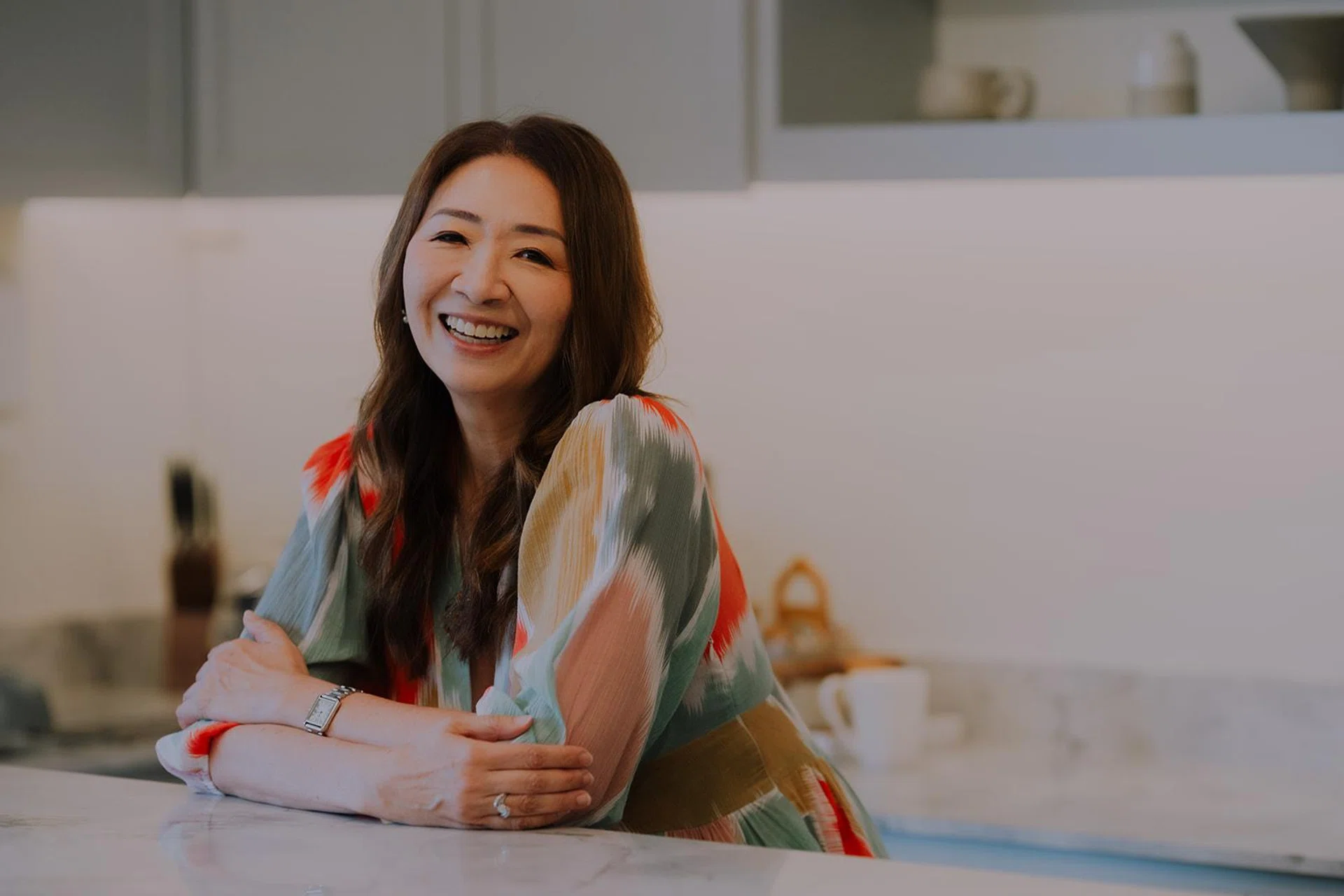
Singaporean inclusion advocate Lyn R. Lee has become the first person outside the UK and Europe to receive the Disability Smart Impact Lifetime Achievement Award from the UK-based Business Disability Forum, marking a milestone not only for her career but for Asia’s growing presence in global disability inclusion conversations.
Presented in London at an event hosted by HSBC, the award recognises individuals who have demonstrated sustained, career-long commitment to improving the lives of disabled people by removing barriers to inclusion.
Lee is the former Global Chief Diversity, Equity and Inclusion Officer at Shell and the first person from Asia to hold that role, where she also served as the company’s Senior Disability Champion. Under her leadership, Shell received multiple international accolades for its inclusion initiatives.
Her recognition comes as disability inclusion remains less publicly discussed across much of Asia than in Western markets, where workplace accessibility and representation have historically received greater corporate and policy attention. In many parts of the region, disability is still often viewed through the lens of care and charity rather than contribution and capability.
Lee has spent much of her career challenging those perceptions. Inclusivity is often misunderstood as lowering standards or hiring to fulfil quotas, when it is about identifying and removing barriers that prevent individuals from contributing fully. Utlimately, it creates a culture that benefits all.
That philosophy has been shaped in part by Lee’s own lived experience. She experienced retinal detachments in 2017 and 2021 that resulted in visual impairment. The support she received from her leadership team during those periods, including accommodations, recovery time and open conversations, helped shape her understanding of what inclusive leadership can look like in practice. It enabled her to continue work and actively aided her recovery
Lee has also spoken publicly about living with hypomania, which she explored in her debut book, Tiny Rice Grains. In the book, she argues that meaningful inclusion is built less through large-scale policy announcements than through repeated small actions — what she calls “tiny rice grains”.
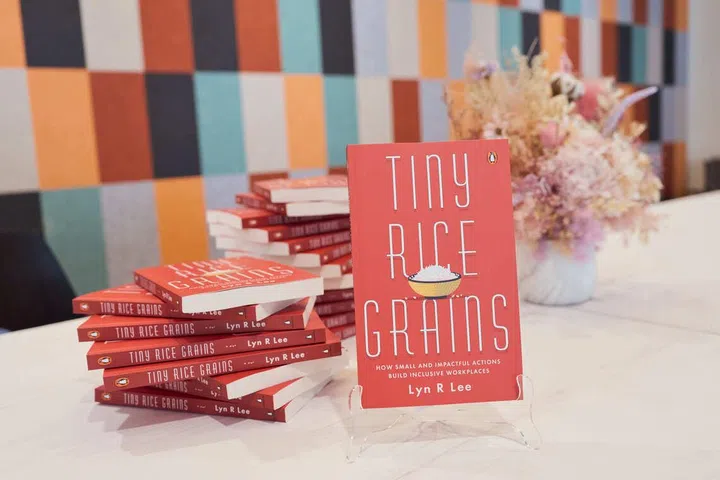
These actions can include leaders taking time to listen instead of jumping straight into solutions, noticing who has gone quiet and intentionally creating space for them, and making adjustments for individuals without turning them into a special case.
“It is often these small, repeated behaviours that determine whether someone withdraws or feels able to participate,” said Lee. “That is what I mean by ‘tiny rice grains’ — not isolated gestures, but small everyday actions that become habits. And because they are simple, they are also the ones everyone can practice, regardless of role.”
Her recognition also comes amid a more difficult moment for the diversity, equity and inclusion (DEI) sector globally, with a number of multinational corporations scaling back or restructuring diversity programmes over the past two years.
Lee acknowledges the challenges facing the field, but argues that the current backlash reflects a mismatch between the speed at which DEI gained visibility and the slower pace of cultural and behavioural change among larger society. This left the movement vulnerable to cycles of attention.
Despite that, Lee maintains that inclusion remains central to long-term organisational sustainability, as it fosters healthier workplaces and enables organisations to better recognise and harness the unique contributions of disabled individuals and those who are traditionally overlooked.
Now serving on several Singapore-based boards, including the Singapore Association for Mental Health and the Ngee Ann Polytechnic Council, Lee continues to advocate for greater inclusion across workplaces, education and society.
“I am truly honoured to receive this Lifetime Achievement Award,” said Lee. “It is both a personal milestone and a reminder that the work on inclusion is never finished. Meaningful change starts with listening, sharing lived experiences, and taking small but intentional actions. I remain committed to this work so that more people can feel seen, valued, and able to thrive.”