%22%3E%0A%3Cpath%20d%3D%22M412%20101.2H393.7C393.1%20101.2%20392.3%20100.9%20391.8%20100.5C377.3%2087.6004%20362.9%2074.6004%20348.4%2061.6004C344.8%2058.4004%20341.3%2055.2004%20337.7%2052.0004C337.1%2051.5004%20336.2%2051.1004%20335.5%2051.0004C334.2%2050.8004%20333%2051.0004%20331.5%2051.0004V101.1H316.7V0.100391H331.4V44.3004C331.9%2044.3004%20332.2%2044.4004%20332.5%2044.4004C334.9%2044.4004%20337.2%2044.5004%20339.6%2044.4004C340.4%2044.4004%20341.3%2044.0004%20341.8%2043.5004C351.6%2034.4004%20361.4%2025.2004%20371.1%2016.0004C376.5%2010.9004%20381.9%205.90039%20387.3%200.800391C387.9%200.200391%20388.5%200.000390626%20389.3%200.000390626H400.9C384.2%2015.8004%20367.8%2031.3004%20351.2%2047.0004C371.5%2065.0004%20391.8%2082.9004%20412.1%20100.9C412.1%20101%20412.1%20101.1%20412%20101.2ZM180.9%20101.2C184.1%2094.9004%20187.2%2088.9004%20190.3%2082.8004C198.3%2067.3004%20206.2%2051.8004%20214.2%2036.2004C220.3%2024.4004%20226.4%2012.5004%20232.4%200.700391C232.7%200.100391%20233%20-0.0996094%20233.7%20-0.0996094H248.1C248.8%20-0.0996094%20249.2%200.100391%20249.6%200.800391C256%2013.3004%20262.4%2025.7004%20268.8%2038.2004C279.3%2058.6004%20289.8%2079.0004%20300.3%2099.5004C300.5%20100%20300.8%20100.4%20301.1%20101.1C300.5%20101.1%20300.1%20101.2%20299.7%20101.2H286.5C285.6%20101.2%20285.1%20100.9%20284.7%20100.2C280.1%2091.3004%20275.4%2082.4004%20270.8%2073.4004C270.1%2072.1004%20269.3%2071.6004%20267.8%2071.6004H209.9C208.7%2071.6004%20208.1%2072.0004%20207.5%2073.1004C202.9%2082.1004%20198.2%2091.0004%20193.6%20100C193.1%20101%20192.6%20101.3%20191.5%20101.3C188.4%20101.2%20185.3%20101.3%20182.3%20101.3C182%20101.2%20181.6%20101.2%20180.9%20101.2ZM239.1%2011.4004C230%2029.2004%20221.1%2046.7004%20212.1%2064.3004H266.4C257.2%2046.7004%20248.2%2029.2004%20239.1%2011.4004ZM0%200.000390626H43.4C51.2%200.000390626%2058.7%201.20039%2065.7%204.80039C75.9%2010.0004%2078.9%2018.0004%2078.6%2027.4004C78.3%2034.3004%2076%2040.5004%2071.2%2045.5004C67.3%2049.6004%2062.4%2052.3004%2057.1%2054.3004C50.6%2056.7004%2043.9%2058.0004%2037.1%2058.6004C30.1%2059.2004%2023.1%2059.4004%2016.2%2059.7004C15.8%2059.7004%2015.3%2059.8004%2014.8%2059.8004V101.1H0.1C0%2067.4004%200%2033.8004%200%200.000390626ZM14.8%207.10039V52.2004C23.7%2052.4004%2032.6%2052.3004%2041.2%2050.1004C44.4%2049.3004%2047.6%2048.2004%2050.6%2046.7004C58.4%2043.0004%2062.3%2036.7004%2062.7%2028.0004C63%2019.9004%2059.5%2014.1004%2052.4%2010.5004C47.6%208.00039%2042.5%207.10039%2037.2%207.10039H14.8ZM95.9%20101.1V0.100391H167.3V7.20039H110.7V44.7004H158.1V51.9004H110.8V93.9004H171.1V101C146.1%20101.1%20121%20101.1%2095.9%20101.1Z%22%20fill%3D%22black%22%2F%3E%0A%3Cpath%20d%3D%22M35.0004%2025.7996H42.5004V20.6996H44.8004V33.1996H42.6004V27.5996H34.9004V33.2996H32.7004V20.7996H35.0004V25.7996ZM54.4004%2025.8996V27.2996H48.9004V31.6996H55.9004C55.9004%2032.1996%2056.0004%2032.5996%2056.0004%2033.0996H46.5004V20.5996H55.5004V21.8996H49.0004V25.7996C50.7004%2025.8996%2052.5004%2025.8996%2054.4004%2025.8996ZM25.9004%2033.0996H23.5004V21.9996H17.9004V20.6996H31.6004V22.0996H27.1004C26.2004%2022.0996%2025.9004%2022.2996%2025.9004%2023.1996C26.0004%2026.0996%2025.9004%2028.9996%2025.9004%2031.7996V33.0996Z%22%20fill%3D%22black%22%2F%3E%0A%3C%2Fg%3E%0A%3Cdefs%3E%0A%3CclipPath%20id%3D%22clip0_388_462%22%3E%0A%3Crect%20width%3D%22411%22%20height%3D%22101.2%22%20fill%3D%22white%22%2F%3E%0A%3C%2FclipPath%3E%0A%3C%2Fdefs%3E%0A%3C%2Fsvg%3E%0A)
Why American whiskey is hot again
American whiskey is hotting up in Asia, but will changing drinking habits and tariffs put it on ice?
By Victoria Burrows /
Share this article
Some say that America’s influence on the world is waning, but at least one of its exports is growing in stature, particularly in Asia: whiskey. Alongside growing familiarity with Scottish and Japanese drams, drinkers here are enjoying the sweet, bold flavours of bourbon and Tennessee whiskey, as well as America’s rye, wheat and corn varieties.
But the threat of tariffs looms over US distilleries, which, faced with a lukewarm domestic market, are looking to Asia to boost sales.
While the Asia-Pacific market for Scotch whisky still far surpasses that for American whiskey, the region is the fastest-growing globally for America’s most famous heritage tipple. According to the American Whiskey Market Report 2025, the Asia-Pacific region’s present US$3.1 billion ($3.88 billion) market for American whiskey is set to increase to US$5.3 billion by 2033.
The openness of Asian drinkers to new experiences, especially those marketed with storytelling that highlights a product’s artisanal, craft nature, is driving interest in this taste of Americana. The global return to classic cocktails — often made with whiskey, such as the Old Fashioned — has also sparked a resurgence of interest in the heritage of classic bartending.
A key driver of interest in American whiskey now is premiumisation: veteran players are releasing long-aged stocks and limited-edition, single-barrel whiskies, while newer distilleries are putting out small-batch, highly individualised editions that often embrace innovation to appeal to increasingly knowledgeable and sophisticated drinkers.
Dawn Davies MW, head buyer for London-based The Whisky Exchange, a leading specialist online retailer for fine whiskies and spirits, says her average transaction value for American whiskey has increased by more than 60 per cent in the last five years.
Michter’s in Louisville, Kentucky, released its first Celebration Sour Mash in 2013, aiming to be an American spirit rivalling the finest worldwide. The distillery has since released three more in the series, most recently in 2022.
Only 328 bottles of the latest edition — a blend of three Kentucky straight bourbons and four Kentucky straight ryes, of ages ranging from 12 to more than 30 years — were made available.
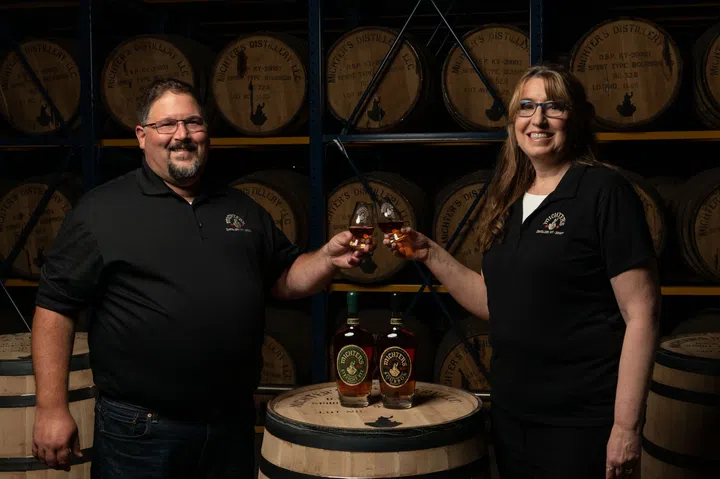
“Before 2013, we looked around the world at the beautiful Scotches and Cognacs and so forth and asked, ‘Why can’t we have an exquisite high-end American whiskey?’” says Michter’s master distiller Daniel McKee.
Michter’s can trace its history back to 1753, but in its most recent incarnation, it began full production and barrel ageing of its own spirits only in 2015. However, before this, it sold contract-distilled whiskey under its own label, giving McKee access to a repository of aged stocks.
“It’s difficult to age bourbon and ryes in the hot climate here, and the new charred oak barrels, which have high flavour extraction,” says Andrea Wilson, Michter’s master of maturation. “Celebration Sour Mash was a category-defining moment for ultra-premium American whiskey.”
Another factor driving sales of American whiskey is the lowering of alcohol by volume (ABV) in recent releases. While the spirit was previously known for being cheap, sweet, and fiery, distilleries are now releasing lower-proof bottles that new drinkers can appreciate.
New age of American single malt
American whiskey has also taken its cue from Scotch in two key ways. Firstly, as of this January, there is a US labelling law that defines a new category of whiskey: American single malt.
Over the last few years, distilleries have been experimenting with what was then an emerging style: Jack Daniel’s bottled their Twice Barreled Special Release American Single Malt in 2022, while the James B. Beam Distilling Co. released their first American single malt, named Clermont Steep, in 2023, the same year as Newport-based urban distillery New Riff released theirs.
The key rules of the new category — “Straight American Single Malt Whiskey” — are that it must be distilled from 100 per cent malted barley produced in the US; it must be distilled at a single American distillery; and it must be aged for a minimum of two years in used, charred-new, or uncharred-new oak barrels.
Bourbon, made mainly in Kentucky, and Tennessee whiskey are defined primarily as being made of at least 51 per cent corn; Tennessee whiskey differs, however, as it undergoes charcoal filtration before ageing.
Rye (at least 51 per cent rye) and other American whiskies also often contain corn, which lends the trademark sweetness and roundness to American whiskey.
But American single malt, like Scottish single malt, is made only from malted barley. Nevertheless, American single malts still tend to be bigger, sweeter and bolder in style than Scottish single malts, and certainly worlds apart from Irish and Japanese single malt whiskies, which tend to be lighter and more balanced.
The sweetness of American single malts makes them more accessible, particularly because they are reminiscent of cask-finished Scotch — whisky placed in casks once used to age other liquids such as sherry, marsala, sweet sauterne, or port.
“In Asia right now, big cherry bombs are leading the way in terms of Scotch whisky,” says Davies. “American single malts can give us those big flavour bombs as well as lovely dark colours and sweeter tones. I think that’s a positive thing for American whiskey as it’s a little bit more approachable.”
Experimenting from grain to glass
Secondly, the trend of cask-finished Scotch is now moving to American whiskey, offering a sense of familiarity to drinkers new to the style. A range of distilleries now offers cask-finished whiskies, including, surprisingly, in the more serious, traditional category of bourbon. These include Rabbit Hole’s Dareringer bourbon finished in Pedro Ximenez sherry casks and Bardstown’s bourbon aged in Maison Ferrand cognac barrels for eight months.
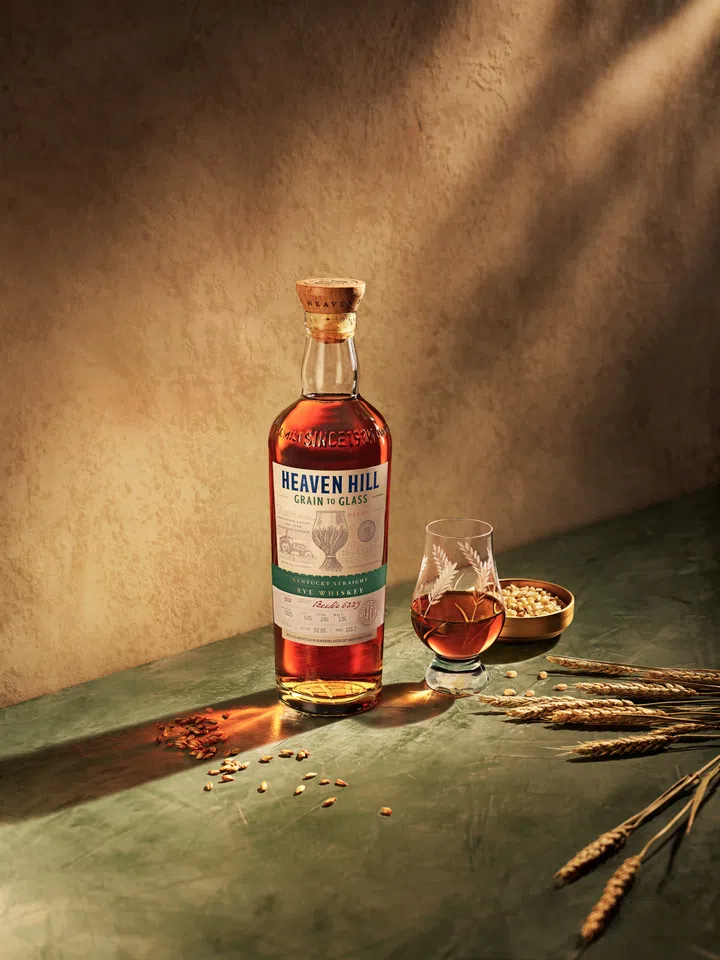
But it is not just cask finishing; distilleries across the country are experimenting with the basic ingredients of whiskey and the production process from start to finish. Heaven Hill’s Grain to Glass series, for example, showcases a specific corn seed varietal, which is displayed on the label.
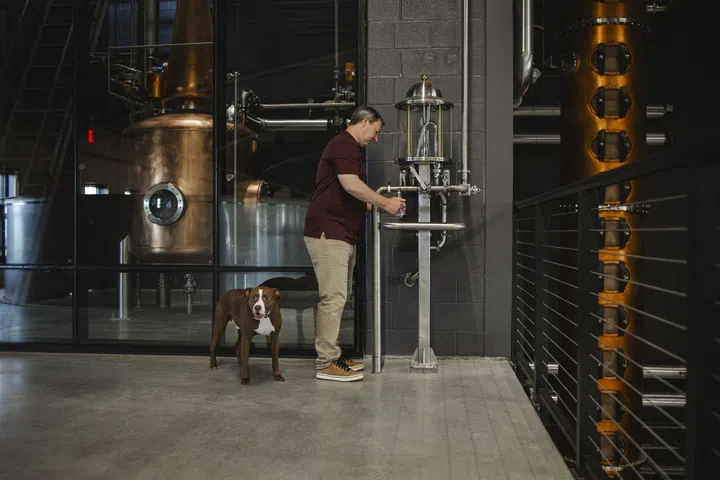
Distilleries also bottle new-make spirit — the high-proof distillate coming straight off the stills, also known as white dog. In August, the new US$50 million Potter Jane distillery, which began distilling in February, launched 200 bottles each of two varieties of white dog at the Kentucky Bourbon Festival: one with corn, malted barley and wheat, the other with corn, malted barley and rye, both at 125 to 135 proof (62.5 to 67.5 per cent ABV).
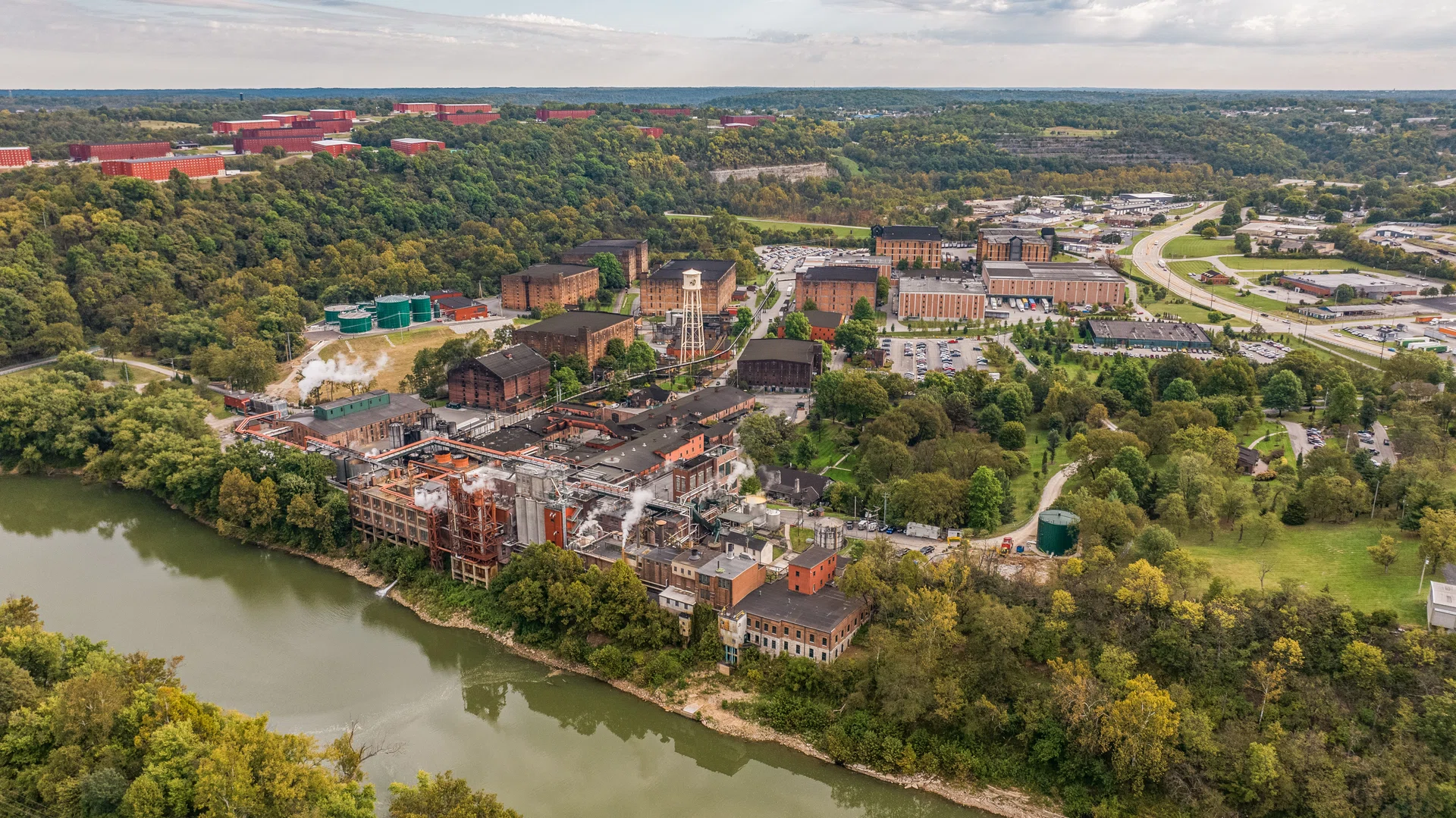
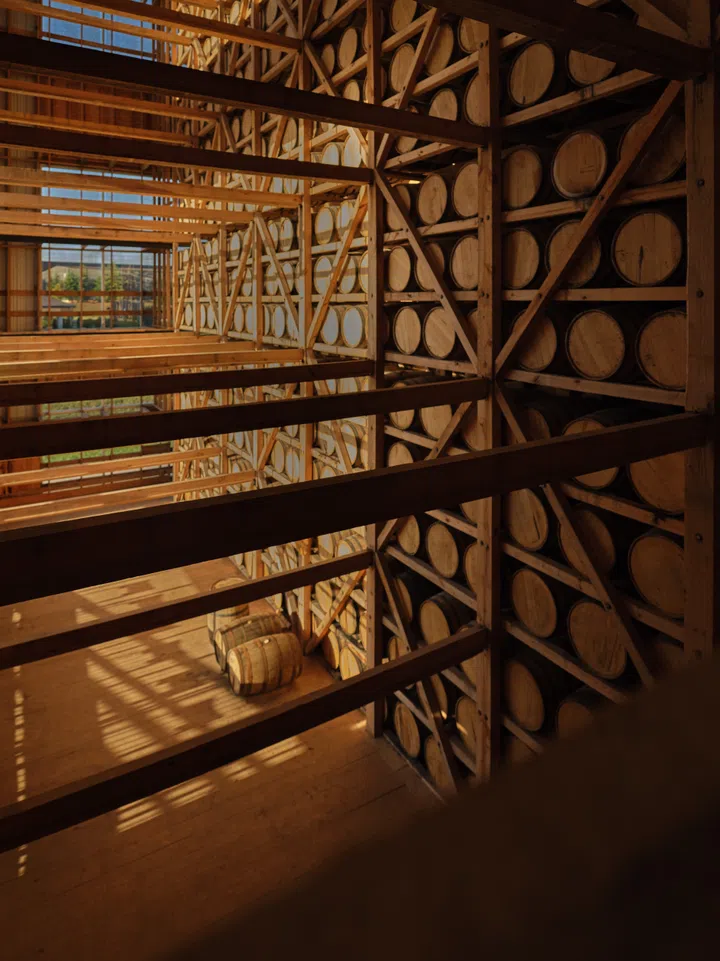
Buffalo Trace, which this year completed a decade-long US$1.2 billion expansion project that more than doubled its production capacity, has a rackhouse, called Warehouse X, dedicated to tracking the effects of humidity, sunlight, airflow, and temperature on the ageing process.
They have more than 10,000 barrels of unusual mash bills, types of wood and barrel toasts that are ageing. Buffalo Trace’s Experimental Collection includes a seven-year-aged organic six-grain whiskey made from corn, buckwheat, brown rice, sorghum, wheat, and rye.
“We’re doing some crazy experiments. We’ve tried hundreds of different recipes and have thousands of barrels. With the expanded distillery, we now have all the technology and equipment we could ever need,” says Harlan Wheatley, master distiller at Buffalo Trace for two decades. “But ultimately tasting is what counts.”
Another Kentucky whiskey maker, Heaven Hill, has also vastly expanded. Its original distillery, Bernheim in Louisville — the largest single-site bourbon distillery — has now been complemented by a high-tech US$200 million site, Heaven Hill Springs in Bardstown.
The new distillery, which master distiller Conor O’Driscoll describes as “entirely dedicated to maximising the activity of yeast during fermentation” of various grains, started producing in April this year.
Challenges ahead
But with all this expansion, where does the black cloud of tariffs leave distilleries? While not yet clarified, the expected new 10 per cent tariffs will almost certainly hit whiskey makers.
“It’s really going to hamper the American market. What happened the last time (2018) was the brands took the hit because we were in a boom time, so there was more margin,” says Davies. “This year, there’s no room. Distillers are already struggling to put things on the shelf at certain price points.”
The sentiment is shared by Frederick “Fred” Booker Noe III, great-grandson of Jim Beam. Noe became master distiller for James B. Beam Distilling Co. brands in 2007, and, among many other achievements, introduced Knob Creek to a global audience.
“It’s going to affect anyone in the spirits industry in America. It’s going to affect tequila sales, for sure — maybe people’s margaritas might not taste so good if they cost twice as much,” he quips.
“Our sales are flat. It could be that during Covid-19, people drank anything they could get hold of, and perhaps now they have a big stash at home that they’re drinking. I don’t think it’s one thing you can put your finger on; lots of factors have come together to impact sales. But we’ll live through it.”
The drinking of alcohol is dropping overall worldwide as drinkers become more conscious of the health implications and choose quality over quantity. Competition is another challenge, as brands vie for consumer attention. There is also an oversupply of whiskey, as is the case with Scotch and other whiskies.
“I think the brands got very greedy. They were chasing the Asian markets, which were buying, so they pushed the price up. And we’ve had a mountain of releases over the last 10 years. Then of course, not everyone has the money now,” says Davies. “It’s been a perfect storm.”
How well American whiskey weathers the storm remains to be seen, but for Jane Bowie and Denny Potter at Potter Jane, whiskey is by its nature a long-term wager.
“Our timing is less than ideal with the industry going through a really rough period right now, but whiskey is a marathon, not a sprint,” says Bowie.