%22%3E%0A%3Cpath%20d%3D%22M412%20101.2H393.7C393.1%20101.2%20392.3%20100.9%20391.8%20100.5C377.3%2087.6004%20362.9%2074.6004%20348.4%2061.6004C344.8%2058.4004%20341.3%2055.2004%20337.7%2052.0004C337.1%2051.5004%20336.2%2051.1004%20335.5%2051.0004C334.2%2050.8004%20333%2051.0004%20331.5%2051.0004V101.1H316.7V0.100391H331.4V44.3004C331.9%2044.3004%20332.2%2044.4004%20332.5%2044.4004C334.9%2044.4004%20337.2%2044.5004%20339.6%2044.4004C340.4%2044.4004%20341.3%2044.0004%20341.8%2043.5004C351.6%2034.4004%20361.4%2025.2004%20371.1%2016.0004C376.5%2010.9004%20381.9%205.90039%20387.3%200.800391C387.9%200.200391%20388.5%200.000390626%20389.3%200.000390626H400.9C384.2%2015.8004%20367.8%2031.3004%20351.2%2047.0004C371.5%2065.0004%20391.8%2082.9004%20412.1%20100.9C412.1%20101%20412.1%20101.1%20412%20101.2ZM180.9%20101.2C184.1%2094.9004%20187.2%2088.9004%20190.3%2082.8004C198.3%2067.3004%20206.2%2051.8004%20214.2%2036.2004C220.3%2024.4004%20226.4%2012.5004%20232.4%200.700391C232.7%200.100391%20233%20-0.0996094%20233.7%20-0.0996094H248.1C248.8%20-0.0996094%20249.2%200.100391%20249.6%200.800391C256%2013.3004%20262.4%2025.7004%20268.8%2038.2004C279.3%2058.6004%20289.8%2079.0004%20300.3%2099.5004C300.5%20100%20300.8%20100.4%20301.1%20101.1C300.5%20101.1%20300.1%20101.2%20299.7%20101.2H286.5C285.6%20101.2%20285.1%20100.9%20284.7%20100.2C280.1%2091.3004%20275.4%2082.4004%20270.8%2073.4004C270.1%2072.1004%20269.3%2071.6004%20267.8%2071.6004H209.9C208.7%2071.6004%20208.1%2072.0004%20207.5%2073.1004C202.9%2082.1004%20198.2%2091.0004%20193.6%20100C193.1%20101%20192.6%20101.3%20191.5%20101.3C188.4%20101.2%20185.3%20101.3%20182.3%20101.3C182%20101.2%20181.6%20101.2%20180.9%20101.2ZM239.1%2011.4004C230%2029.2004%20221.1%2046.7004%20212.1%2064.3004H266.4C257.2%2046.7004%20248.2%2029.2004%20239.1%2011.4004ZM0%200.000390626H43.4C51.2%200.000390626%2058.7%201.20039%2065.7%204.80039C75.9%2010.0004%2078.9%2018.0004%2078.6%2027.4004C78.3%2034.3004%2076%2040.5004%2071.2%2045.5004C67.3%2049.6004%2062.4%2052.3004%2057.1%2054.3004C50.6%2056.7004%2043.9%2058.0004%2037.1%2058.6004C30.1%2059.2004%2023.1%2059.4004%2016.2%2059.7004C15.8%2059.7004%2015.3%2059.8004%2014.8%2059.8004V101.1H0.1C0%2067.4004%200%2033.8004%200%200.000390626ZM14.8%207.10039V52.2004C23.7%2052.4004%2032.6%2052.3004%2041.2%2050.1004C44.4%2049.3004%2047.6%2048.2004%2050.6%2046.7004C58.4%2043.0004%2062.3%2036.7004%2062.7%2028.0004C63%2019.9004%2059.5%2014.1004%2052.4%2010.5004C47.6%208.00039%2042.5%207.10039%2037.2%207.10039H14.8ZM95.9%20101.1V0.100391H167.3V7.20039H110.7V44.7004H158.1V51.9004H110.8V93.9004H171.1V101C146.1%20101.1%20121%20101.1%2095.9%20101.1Z%22%20fill%3D%22black%22%2F%3E%0A%3Cpath%20d%3D%22M35.0004%2025.7996H42.5004V20.6996H44.8004V33.1996H42.6004V27.5996H34.9004V33.2996H32.7004V20.7996H35.0004V25.7996ZM54.4004%2025.8996V27.2996H48.9004V31.6996H55.9004C55.9004%2032.1996%2056.0004%2032.5996%2056.0004%2033.0996H46.5004V20.5996H55.5004V21.8996H49.0004V25.7996C50.7004%2025.8996%2052.5004%2025.8996%2054.4004%2025.8996ZM25.9004%2033.0996H23.5004V21.9996H17.9004V20.6996H31.6004V22.0996H27.1004C26.2004%2022.0996%2025.9004%2022.2996%2025.9004%2023.1996C26.0004%2026.0996%2025.9004%2028.9996%2025.9004%2031.7996V33.0996Z%22%20fill%3D%22black%22%2F%3E%0A%3C%2Fg%3E%0A%3Cdefs%3E%0A%3CclipPath%20id%3D%22clip0_388_462%22%3E%0A%3Crect%20width%3D%22411%22%20height%3D%22101.2%22%20fill%3D%22white%22%2F%3E%0A%3C%2FclipPath%3E%0A%3C%2Fdefs%3E%0A%3C%2Fsvg%3E%0A)
The Buying Guide: How to taste and buy the best caviar in Singapore
Where to buy the best caviar in Singapore? Find out an expert’s tips on how to buy and enjoy the prized sturgeon roe.
By Kenneth SZ Goh /
Share this article
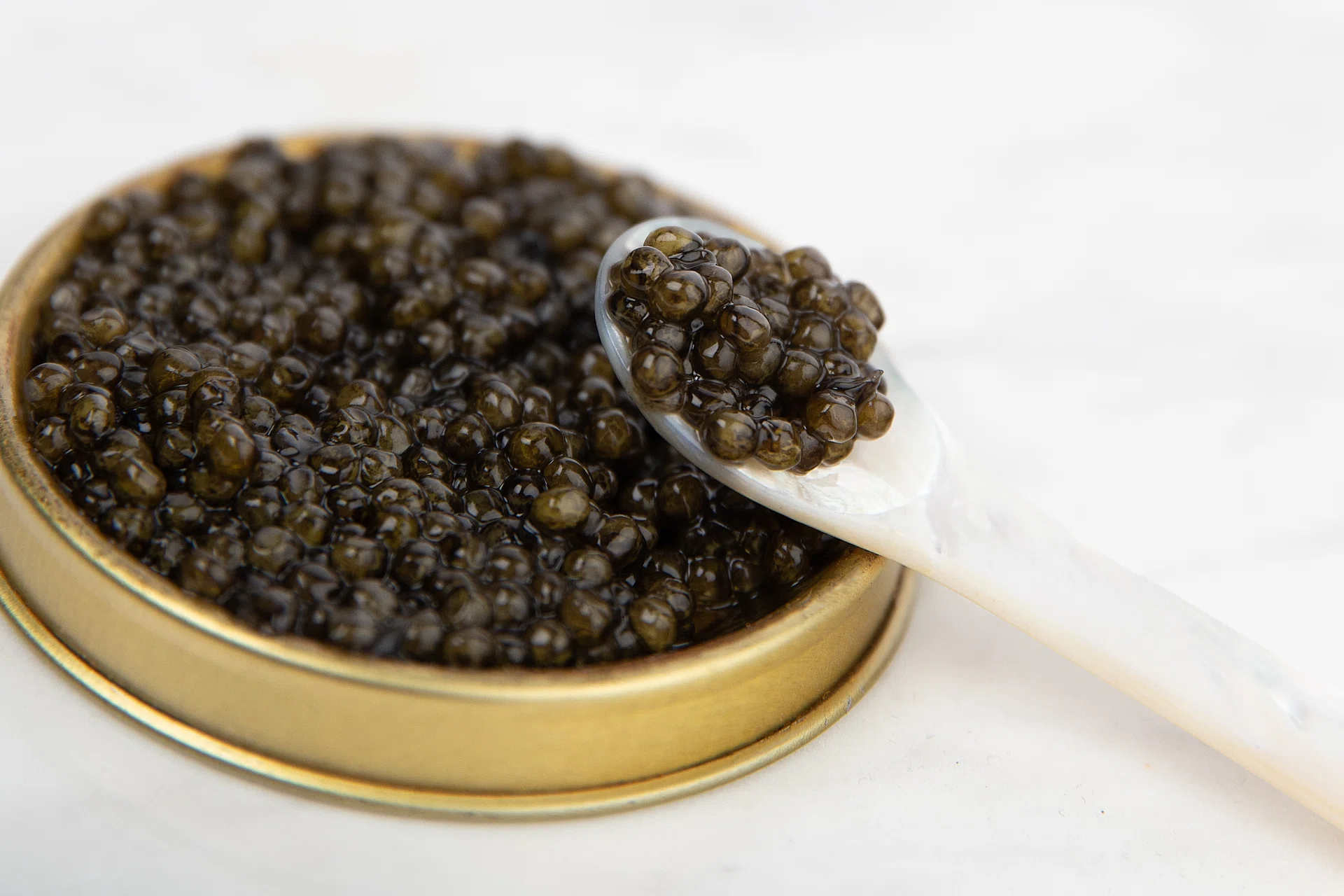
As a dining editor who visits restaurants at least twice a week, I have eaten my fair share of caviar, which remains a stalwart presence in fine-dining restaurants. The glistening black pearls, which are salted roe from sturgeons, are prized for their briny, creamy and nutty flavour and are used to enhance the taste of dishes in cuisines, from European to Chinese.
Beyond the classic way of having caviar with sour cream and blini, caviar has been seen on beef tartare and steak in French restaurants, on slabs of fish and abalone in Cantonese restaurants, and on sashimi and sushi in sushi-yas.
These days, it is also topped on sorbets and ice cream, lending a savoury touch to desserts.

Want to savour this prized delicacy at home? Benjamin Goh, CEO and co-founder of Caviar Colony, a homegrown caviar brand, shares what foodies should look out for when buying caviar and how best to appreciate it.
Founded in 2019, Caviar Colony supplies the delicacy to over 10 countries, including China, Indonesia and Italy. In Singapore, it supplies caviar to over 20 fine-dining establishments, including two-Michelin-starred Sushi Sakuta, one-starred Hamamoto and Marguerite and green-starred Fiz.
Caviar Colony, which operates a farm in Yunnan, China, produced 100 tonnes of caviar annually.
What is real caviar made of?
“Caviar must come from sturgeon,” says Goh. “There’s no such thing as red caviar; that’s salmon roe.” He adds that many Japanese restaurants label lumpfish roe as caviar, but that too is incorrect. In some Japanese restaurants, a caviar-lookalike garnish is topped on sushi and sashimi.
“That’s actually lumpfish roe, which is 100 per cent black. Caviar is never fully black as it carries an unfertilised egg, which resembles an eyeball— like our eyes, it comes in shades of black and grey.”
Why is caviar so expensive?
Kaluga caviar is the most expensive variety, due to the scarcity of its eggs. It can take 14 to 16 years for the prized sturgeon, which are traditionally found in the Caspian Sea, to lay its eggs.
In general, species that have a more extended maturity period for their eggs produce more expensive caviar.
What type of caviar should beginners try first?
Many beginners rush to buy caviars on the higher end of the spectrum, like Beluga and its cousin, Kaluga and Osetra, but Goh advises against starting with those. “They are very creamy and nutty, to the extent some people may not be able to take it.”
Instead, he recommends starting with something cheaper and easier on the palate, such as a hybrid caviar. One example is the Kaluga hybrid, a cross-breed between a female Kaluga and a male Amur sturgeon, which originated in China.
“It is not too nutty, has a very pronounced mushroom note, is less complex than Kaluga, and is easier on the palate. This is the one I always recommend beginners start with.”
On the other hand, Kaluga caviar boasts a creamy and nutty taste, complex notes of a slight iodine taste, and a longer lingering aftertaste. It is also about three times more expensive than the Kaluga hybrid.
Check for quality: Do a smell test and look out for excess water and mushiness
The first thing to do when opening a tin is to smell it. “Good caviar should have no smell,” Goh points out. “At most, you may get a bit of brine or buttery aroma. If there’s a strong fishy smell, it is a sign of a lower-quality caviar. If it smells like rotten eggs, the caviar is spoiled.”
Also, there should never be a layer of water when you open a tin of caviar. “Water on caviar can indicate the farmer gave the fish too much antibiotics, which makes the eggs mushy.”
Generally, caviar grains should be intact, firm, and not crushed.
Examine the size of the eggs
The older the fish, the bigger the grain size, and usually the quality is better. “Kaluga grains can go up to 3.8mm in diameter on average. Caviar Colony’s grains sit between 3.2mm and 3.5mm,” says Goh.
Larger, firmer eggs also tend to linger longer on the palate, creating a more complex flavour experience.
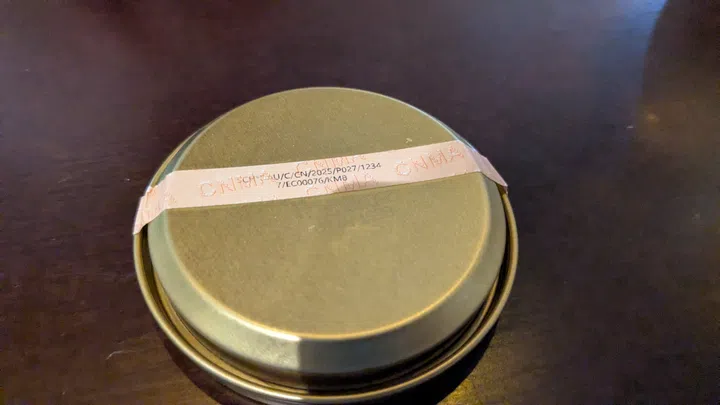
Check the CITES code for authenticity
Every tin of caviar must carry a CITES label (Convention on International Trade in Endangered Species). “It tells you the scientific name of the species, the origin of the farm, and whether it’s a hybrid,” Goh explains.
For example, a label marked “DA” and “SCH” means it is from a Kaluga crossed with an Amur sturgeon. “You cannot cheat your customers with this. If the label is missing, be cautious.”
The long line of CITES code starts with (in this order) a three-letter species code (derived from the name of the species in Latin), how the caviar is grown (W for wild-caught or C for captive-bred), country of origin, year of harvest, official registration code of the processing facility and identification number for each production batch.
Sturgeons are a globally endangered species; most of the caviar on the market is from sturgeons that are captive-bred, rather than caught in the wild these days.
Pay attention to shelf life and preservatives
Expiry dates reveal a lot about the quality of caviar. “If the best-before date is four months or less, it’s 100 per cent preservative-free,” says Goh. “Six months or more means preservatives such as boric acid (listed as E284 or E285 in chemical codes on the ingredients list) have been added.”
He also warns that some producers use sorbic acid (E200), a newer preservative that makes eggs artificially “poppy”, with a bouncy texture. Also, look out for the term “malossol”, which stands for lightly salted — about five per cent salted.
Store and consume properly at home
Caviar should always be kept chilled, not frozen. “The best temperature to store it is at zero to minus two degrees in the chiller,” says Goh. The place to store a tin of caviar is right at the back of the refrigerator, where the chance of fluctuating temperature (from opening and closing the fridge) is lower.
If one sees that caviar can be frozen (those are in jars), it means that the caviar is of a lower grade. Once opened, a tin should be eaten within 24 to 48 hours to enjoy it at its best.
Use the proper utensils and keep pairings simple
Never use a metal spoon to scoop caviar. “Mother-of-pearl, porcelain, or wooden spoons are fine. Metal oxidises and contaminates the flavour,” Goh cautions.
He also discourages savouring caviar with condiments such as lemon, chives, onions, or garlic. “In the old days, they were used to mask poor-quality, fishy caviar. If your caviar is good, you don’t need them.”
Instead, he suggests eating it simply with bread and butter, potato chips, hard- or soft-boiled eggs, or cucumber slices. Of course, the classic way to enjoy caviar at home is with bilini (mini pancakes), sour cream, and hard-boiled egg whites.
One of Goh’s favourite food pairings at restaurants with caviar is with uni and otoro (fatty tuna) or on steaks (where the acidity from the Amur caviar offsets the richness of the meat).
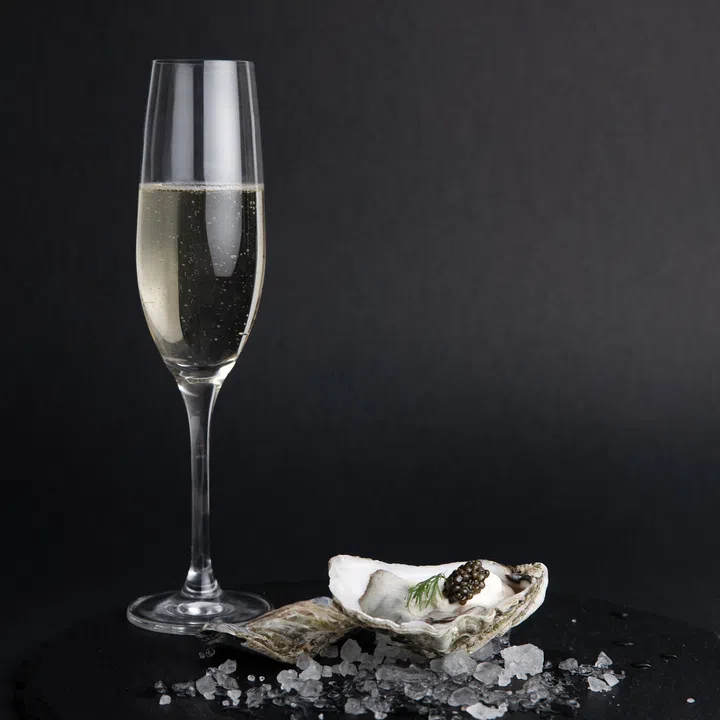
Pair with the right drinks
Classic drink pairings remain the best: vodka, brut champagne, and dry sake. “Vodka goes well because of its clean flavour — good vodka is distilled seven to ten times, so it’s very pure.
Champagne works with the creaminess of caviar, while dry sake complements without overpowering the flavours,” Goh explains.
Is eating caviar good for you?
While caviar is often seen as a luxe ingredient, it also has some health benefits. It is rich in collagen, Omega-3, and nutrients such as magnesium, iron, and calcium.
Caviar recommendations
Caviar Colony’s Kaluga Hybrid
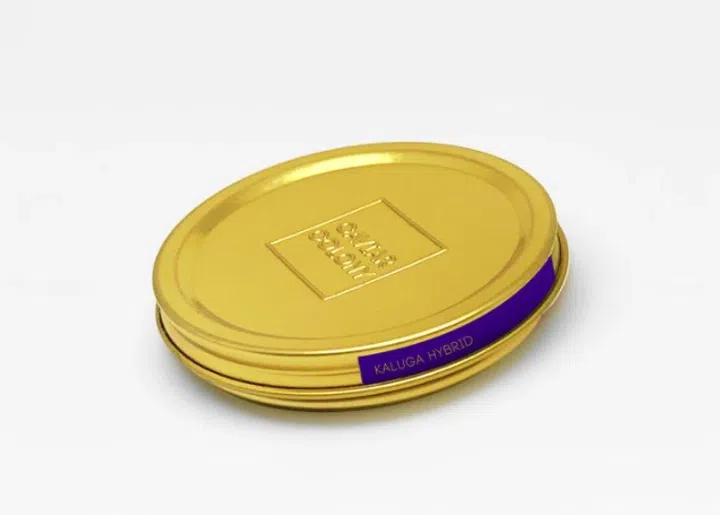
This caviar is a cross between a female Kaluga sturgeon and a male Amur sturgeon. It has a mild, earthy flavour with hints of mushroom, a gentle tang, and a subtle bitter finish.
Caviar Colony’s Amur Caviar
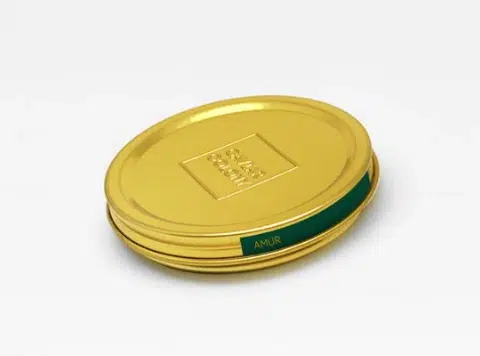
The Amur sturgeon (Acipenser schrenckii) is from the Heilongjiang province, close to the border between Russia and China.
Antonius Caviar’s Oscietra Caviar
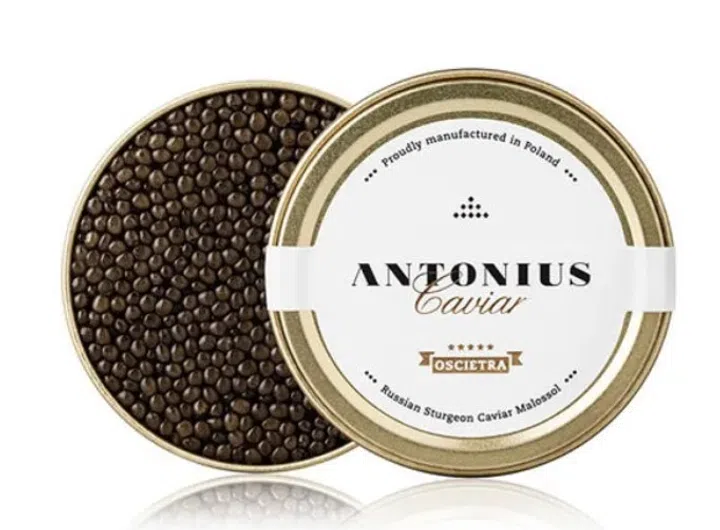
Harvested from female Siberian sturgeons aged 8 to 12 years, which are farmed in Warmia, a region in the north-eastern part of Poland, located in central Europe. It’s prepared by the traditional “Malossol” method, which means preserved with only a pinch of salt.
Antonius Caviar’s Siberian Caviar
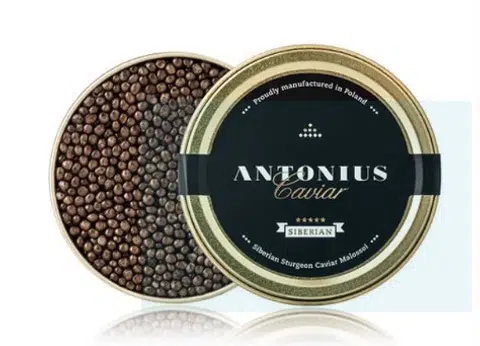
Harvested from female Siberian sturgeons aged 8 to 12 years, which are farmed in Warmia, a region in the north-eastern part of Poland, located in central Europe. It’s prepared by the traditional “Malossol” method, which means preserved with only a pinch of salt.
Dohuge 3.7-inch Mother of Pearl MOP Caviar Spoon W Round Handle
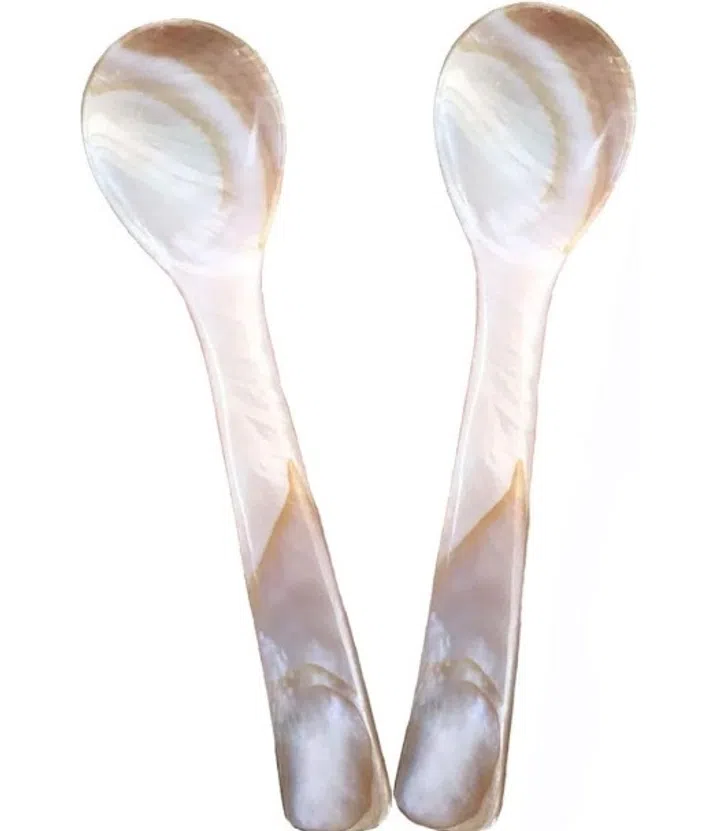
These spoons are entirely handmade with Mother of Pearl MOP Shell, in a coffee brown hue.
This article contains affiliate links. If you buy through these links, we may earn a small commission.