%22%3E%0A%3Cpath%20d%3D%22M412%20101.2H393.7C393.1%20101.2%20392.3%20100.9%20391.8%20100.5C377.3%2087.6004%20362.9%2074.6004%20348.4%2061.6004C344.8%2058.4004%20341.3%2055.2004%20337.7%2052.0004C337.1%2051.5004%20336.2%2051.1004%20335.5%2051.0004C334.2%2050.8004%20333%2051.0004%20331.5%2051.0004V101.1H316.7V0.100391H331.4V44.3004C331.9%2044.3004%20332.2%2044.4004%20332.5%2044.4004C334.9%2044.4004%20337.2%2044.5004%20339.6%2044.4004C340.4%2044.4004%20341.3%2044.0004%20341.8%2043.5004C351.6%2034.4004%20361.4%2025.2004%20371.1%2016.0004C376.5%2010.9004%20381.9%205.90039%20387.3%200.800391C387.9%200.200391%20388.5%200.000390626%20389.3%200.000390626H400.9C384.2%2015.8004%20367.8%2031.3004%20351.2%2047.0004C371.5%2065.0004%20391.8%2082.9004%20412.1%20100.9C412.1%20101%20412.1%20101.1%20412%20101.2ZM180.9%20101.2C184.1%2094.9004%20187.2%2088.9004%20190.3%2082.8004C198.3%2067.3004%20206.2%2051.8004%20214.2%2036.2004C220.3%2024.4004%20226.4%2012.5004%20232.4%200.700391C232.7%200.100391%20233%20-0.0996094%20233.7%20-0.0996094H248.1C248.8%20-0.0996094%20249.2%200.100391%20249.6%200.800391C256%2013.3004%20262.4%2025.7004%20268.8%2038.2004C279.3%2058.6004%20289.8%2079.0004%20300.3%2099.5004C300.5%20100%20300.8%20100.4%20301.1%20101.1C300.5%20101.1%20300.1%20101.2%20299.7%20101.2H286.5C285.6%20101.2%20285.1%20100.9%20284.7%20100.2C280.1%2091.3004%20275.4%2082.4004%20270.8%2073.4004C270.1%2072.1004%20269.3%2071.6004%20267.8%2071.6004H209.9C208.7%2071.6004%20208.1%2072.0004%20207.5%2073.1004C202.9%2082.1004%20198.2%2091.0004%20193.6%20100C193.1%20101%20192.6%20101.3%20191.5%20101.3C188.4%20101.2%20185.3%20101.3%20182.3%20101.3C182%20101.2%20181.6%20101.2%20180.9%20101.2ZM239.1%2011.4004C230%2029.2004%20221.1%2046.7004%20212.1%2064.3004H266.4C257.2%2046.7004%20248.2%2029.2004%20239.1%2011.4004ZM0%200.000390626H43.4C51.2%200.000390626%2058.7%201.20039%2065.7%204.80039C75.9%2010.0004%2078.9%2018.0004%2078.6%2027.4004C78.3%2034.3004%2076%2040.5004%2071.2%2045.5004C67.3%2049.6004%2062.4%2052.3004%2057.1%2054.3004C50.6%2056.7004%2043.9%2058.0004%2037.1%2058.6004C30.1%2059.2004%2023.1%2059.4004%2016.2%2059.7004C15.8%2059.7004%2015.3%2059.8004%2014.8%2059.8004V101.1H0.1C0%2067.4004%200%2033.8004%200%200.000390626ZM14.8%207.10039V52.2004C23.7%2052.4004%2032.6%2052.3004%2041.2%2050.1004C44.4%2049.3004%2047.6%2048.2004%2050.6%2046.7004C58.4%2043.0004%2062.3%2036.7004%2062.7%2028.0004C63%2019.9004%2059.5%2014.1004%2052.4%2010.5004C47.6%208.00039%2042.5%207.10039%2037.2%207.10039H14.8ZM95.9%20101.1V0.100391H167.3V7.20039H110.7V44.7004H158.1V51.9004H110.8V93.9004H171.1V101C146.1%20101.1%20121%20101.1%2095.9%20101.1Z%22%20fill%3D%22black%22%2F%3E%0A%3Cpath%20d%3D%22M35.0004%2025.7996H42.5004V20.6996H44.8004V33.1996H42.6004V27.5996H34.9004V33.2996H32.7004V20.7996H35.0004V25.7996ZM54.4004%2025.8996V27.2996H48.9004V31.6996H55.9004C55.9004%2032.1996%2056.0004%2032.5996%2056.0004%2033.0996H46.5004V20.5996H55.5004V21.8996H49.0004V25.7996C50.7004%2025.8996%2052.5004%2025.8996%2054.4004%2025.8996ZM25.9004%2033.0996H23.5004V21.9996H17.9004V20.6996H31.6004V22.0996H27.1004C26.2004%2022.0996%2025.9004%2022.2996%2025.9004%2023.1996C26.0004%2026.0996%2025.9004%2028.9996%2025.9004%2031.7996V33.0996Z%22%20fill%3D%22black%22%2F%3E%0A%3C%2Fg%3E%0A%3Cdefs%3E%0A%3CclipPath%20id%3D%22clip0_388_462%22%3E%0A%3Crect%20width%3D%22411%22%20height%3D%22101.2%22%20fill%3D%22white%22%2F%3E%0A%3C%2FclipPath%3E%0A%3C%2Fdefs%3E%0A%3C%2Fsvg%3E%0A)
Singapore’s independent alcohol producers are rethinking how we drink
Consumer-minded and hospitality-forward, alcohol producers such as People People Brewing Co. and Distillus are adapting to the new realities of a challenging market.
By Ben Chin /
Share this article
Singapore’s alcohol scene has new players despite uncertainties such as economic headwinds and a drop in global alcohol consumption. Far from cookie-cutter, these beverage producers signal a burgeoning wave of hospitality-led alcohol makers who are purposefully designing a seamless flow from production to menu integration to consumer enjoyment.
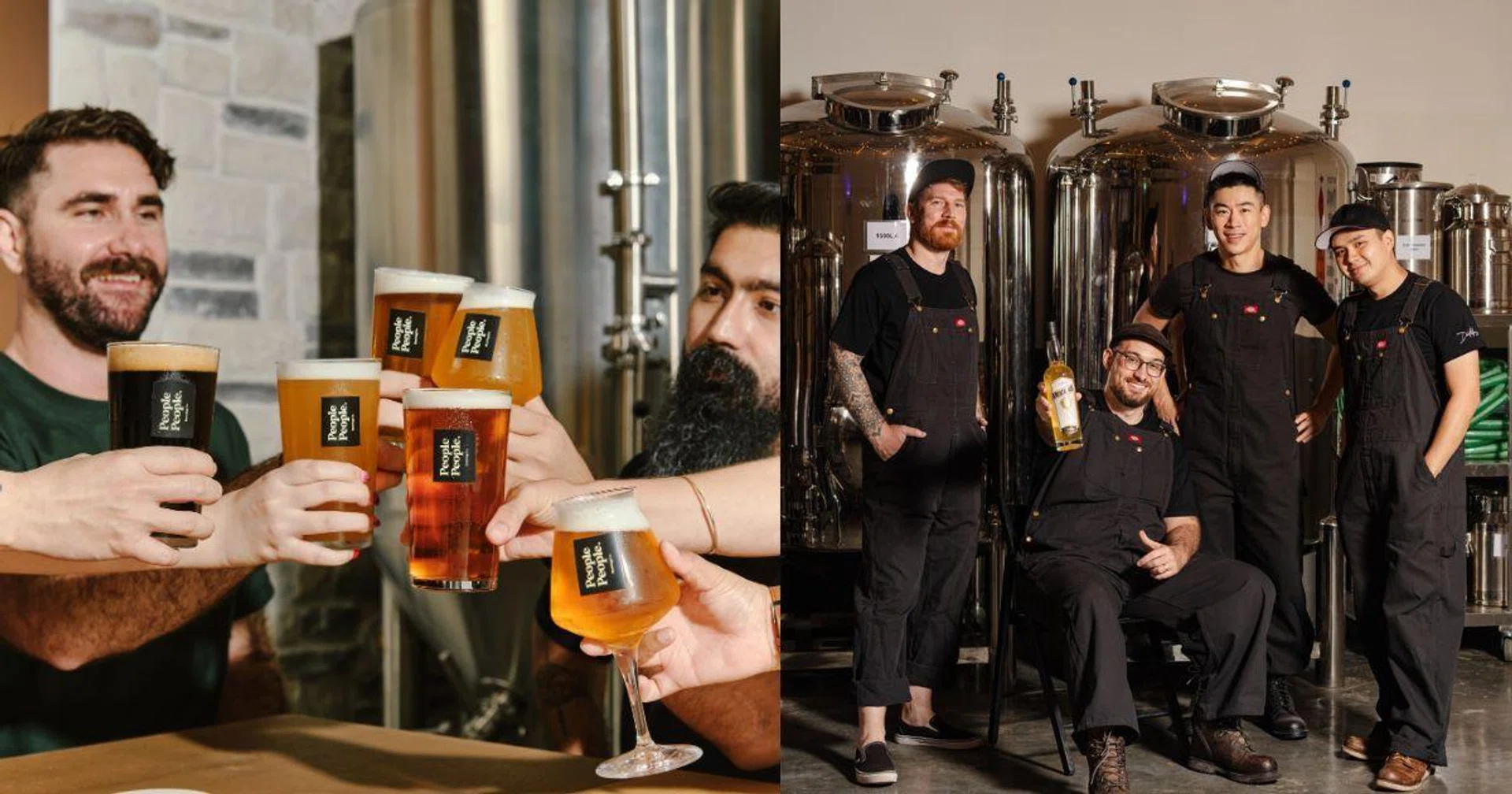
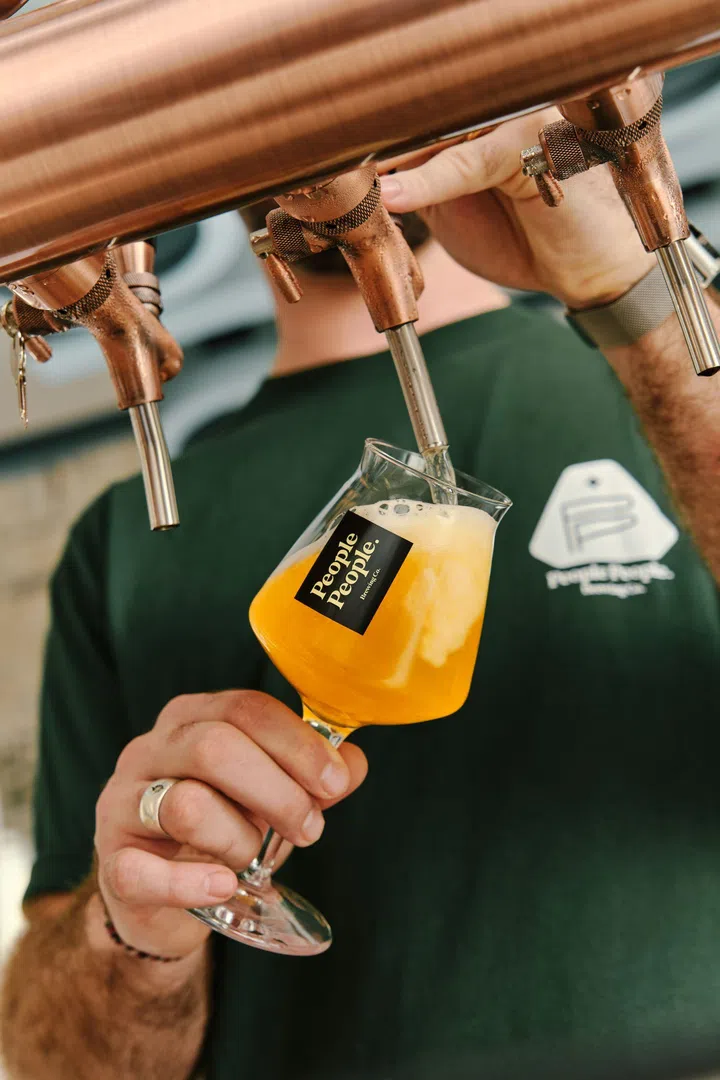
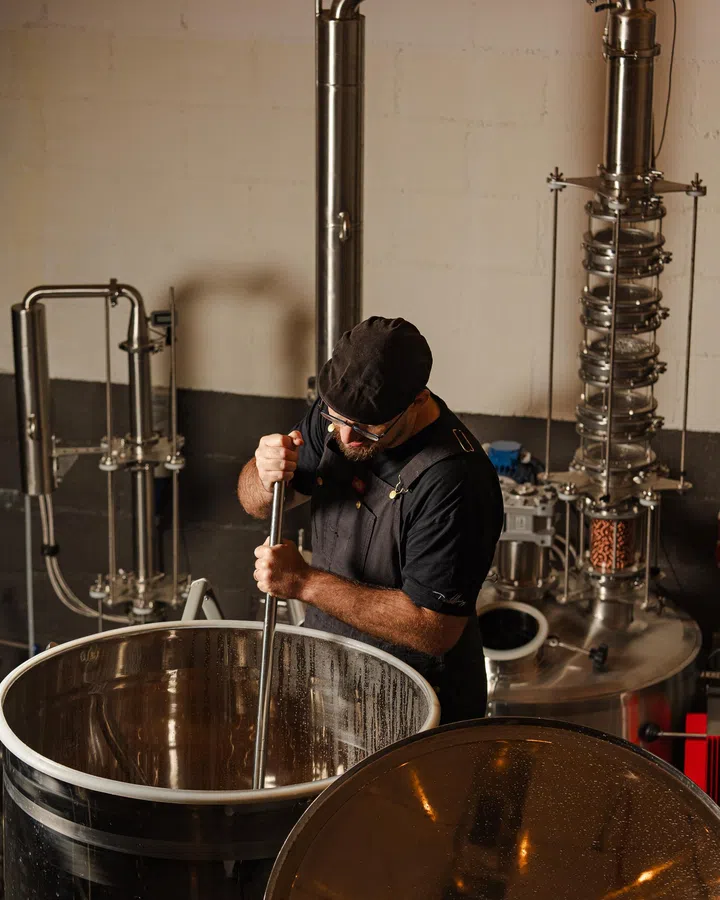
Last month, Burnt Ends Hospitality Group unveiled Singapore’s latest craft brewery, People People Brewing Co. (PPBC), at Resorts World Sentosa. Led by chef Dave Pynt and head brewer Nick Calder-Scholes, the microbrewery features a wood-fired kitchen and an indoor-outdoor dining space.
In June 2025, Arveau quietly rolled off the line at Distillius, a craft distillery in an industrial building at Pandan Loop. As Singapore’s first locally made aperitif, it features Asian botanicals such as ginseng, torch ginger flower, and calamansi.
The distillery was co-founded by Peter Teo, best known for originating the long-running PS.Cafe, and is now behind Chip Bee Bistro.
Against an especially tough climate for the city-state’s F&B industry, the emergence of newer alcohol producers feels deliberate — forging ahead despite the challenges. “Anyone who’s opened a bar or restaurant knows the timing is never going to be perfect,” explains Edward Lee, co-founder of Distillius.
“Our background in hospitality has taught us that the market does not reward caution — it rewards relevance.” Arveau, a modern amaro with 20 per cent ABV, was crafted by head distiller Philibert Gandy specifically for ‘equatorial drinking’. “We genuinely believe that the lower ABV drinking movement is here to stay; people are being more thoughtful about how they drink,” Lee says.
“And on the equator, the sun is overhead year-round. There are no seasons to retreat into. Whatever we made had to earn its place every single day of the year.” The distillery currently produces 4,000 bottles monthly.
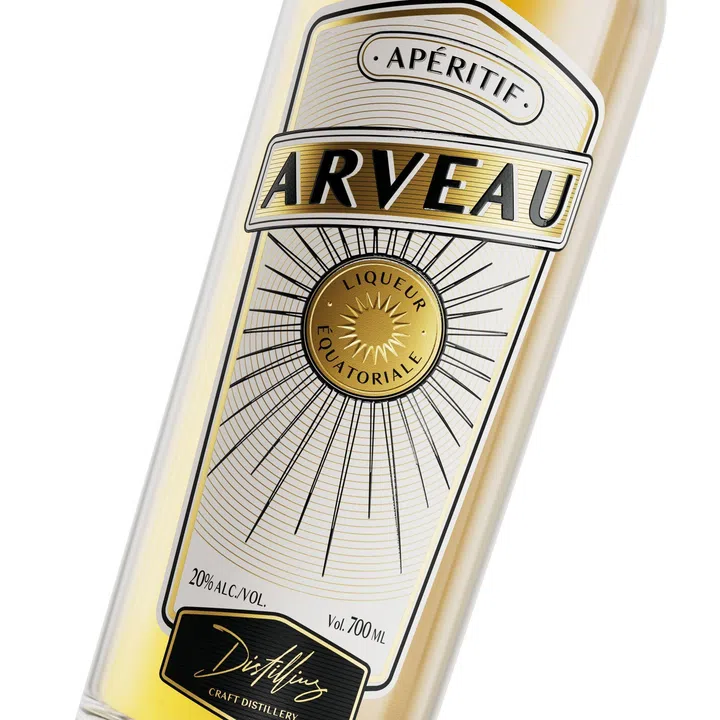
Creating an aperitif, a new category for Singapore, was a strategic choice. Gin would have seemed like a natural default, given Gandy’s background as the former head distiller of Tanglin Gin. The idea was ultimately shelved. “Gin is a crowded space, and we weren’t interested in adding to it without a compelling reason,” Lee adds.
“And the aperitif answered the question of ‘what would make us return for a second glass’.” The decision also reflects a broader shift, as the global aperitivo market continues to grow.
A new craft beer venture
The local beer industry has been facing economic challenges in recent years. Asia Pacific Breweries Singapore (APBS) shuttered Archipelago Brewery in 2024 after 18 years in business, citing “declining craft beer market realities and high operational costs”. In March, APBS announced it would scale down brewing operations and phase out local production of Tiger Beer.
Prospects did not seem bright for a brand new brewery, but PPBC founder Dave Pynt remains undeterred. “The craft beer scene isn’t slowing down anytime soon. People want quality, and they want it local. As the cost of living rises, guests are more conscious about where they spend, which makes value, experience, and product even more important,” he proclaims.
“We are a fundamentally different business,” notes head brewer Calder-Scholes, who was a former brewer at One Drop Brewing Co in Australia. “We’re a 15-hectolitre brewery pouring fresh beer directly to guests at our bar.”
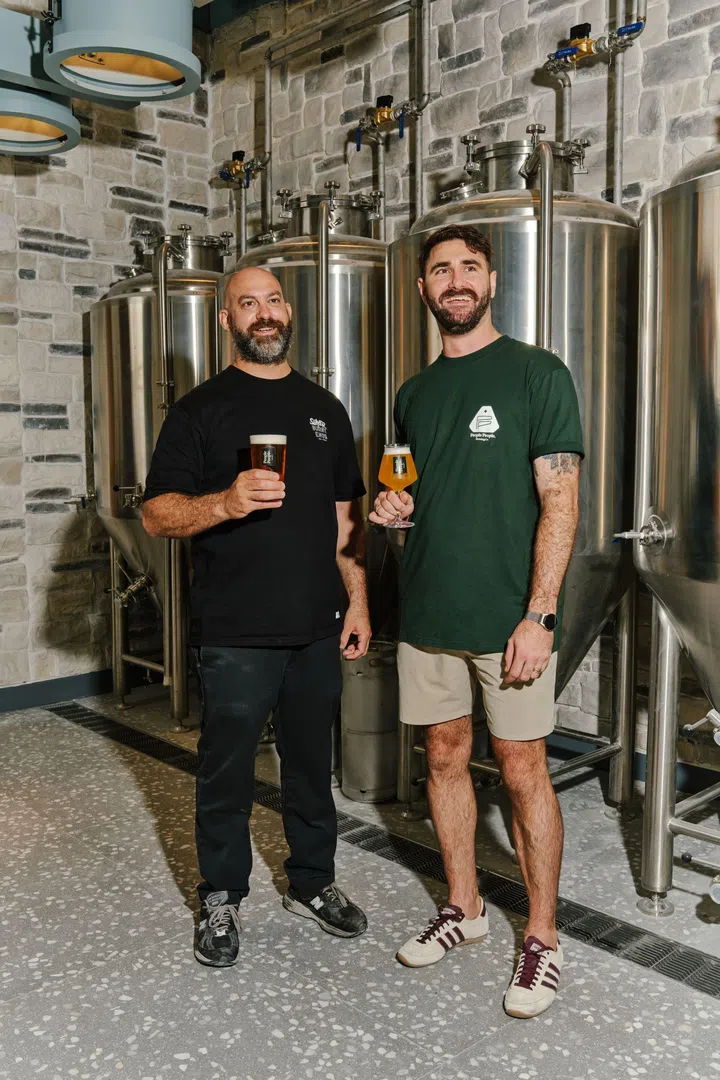
Singapore remains one of the highest-cost production cities in Asia, and People People Brewing Co., a 9,000 sq ft working brewery and social space, sits on premium real estate. So, why set up here?
“Every cost pressure is real: excise duty, premium real estate, imported ingredients, a glycol chiller working overtime in 33 deg C heat,” acknowledges the award-winning brewer, “and we chose to do it anyway, because we think the best beer you’ll ever drink is the one made fifteen metres from where you’re sitting.”
On PPBC’s blue-chip address, chef-owner Pynt reveals, “RWS is an ideal location for the brewery, close to the CBD, with great footfall and plenty of space. And with all the redevelopment and investment in Weave Mall’s positioning and infrastructure, we are super happy to be joining their tenant mix. Being 15 minutes from the CBD, with our own drop-off point at the brewery, is a key criterion for this project!”
Appetite for aperitifs
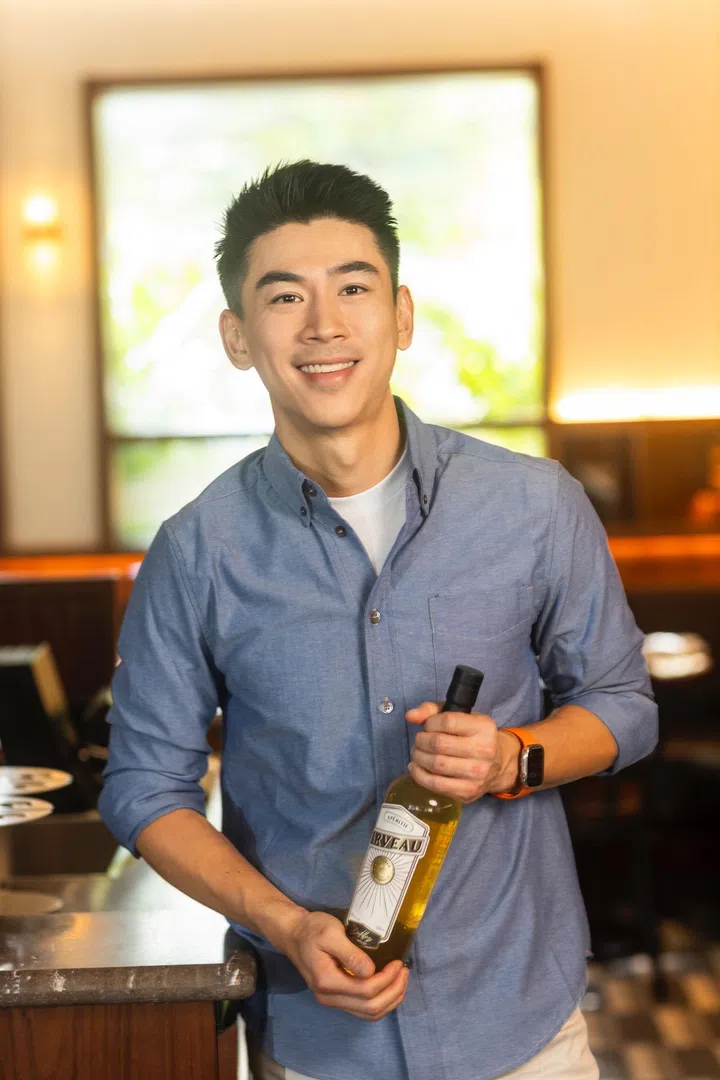
For Distillius, “Made in Singapore” is more than a marketing tag; it’s non-negotiable. “It’s the foundation of the distillery. We’re making a Singapore product,” notes Lee, the company’s business director. “There is also a commercial logic: Singapore punches well above its weight as a gateway market. The bar and restaurant scene here is internationally respected, and a product that earns its place in Singapore opens doors across the region. Provenance matters.”
Naturally, there are many challenges when it comes to starting a distillery in Singapore — securing the distillery licence took over a year — but the team is clear-eyed about the risks, some of which are hidden.
On the impact of recent F&B closures, Lee is candid, “It is one of the quieter crises in hospitality. It does not make headlines, but every supplier has a story about it. When a venue closes suddenly, the supplier is almost always among the last to know and among the first to lose. The product has often been delivered weeks before payment is due, and in an insolvency situation, trade creditors are well down the list. Coming from hospitality helps here, because we know what pressure looks like before it becomes public. You can see it in ordering patterns, in how conversations shift, in small behavioural changes that show up well before any formal announcement.”
“Working with The First Pour as our distribution partner adds a real layer of protection. They have been in the industry long enough to read the room, and they bring the expertise to navigate a lot of these risks before they become problems. Beyond that, it comes down to shorter credit terms where possible, especially with newer accounts, and building real relationships rather than purely transactional ones. A partner tends to call you before things fall apart. A customer often does not.”
Currently, Arveau is available at bars and restaurants such as Chip Bee Bistro, Sago House, Cygnet Bar, and Hup San Social Club.
For PPBC and Distillius, their philosophy extends beyond the product; hospitality and customer experience remain essential to the equation. Distillius engages with community building through Chip Bee Bistro, the distillery’s sister tasting room, where new experimental expressions are tested before being formally released.
At PPBC, that relationship is even more clear-cut. “The brewery is built around social-first drinking,” Pynt states.
“The weekly programming at People People Brewing Co. means that it works whether you’re on your own, with a small group of friends, or with a large group. It’s also set up so families feel comfortable bringing their kids in, especially on Sundays, so it’s not just for one type of crowd. Different people, different occasions, all in the same space. Somewhere everyone would feel comfortable coming back to.”