%22%3E%0A%3Cpath%20d%3D%22M412%20101.2H393.7C393.1%20101.2%20392.3%20100.9%20391.8%20100.5C377.3%2087.6004%20362.9%2074.6004%20348.4%2061.6004C344.8%2058.4004%20341.3%2055.2004%20337.7%2052.0004C337.1%2051.5004%20336.2%2051.1004%20335.5%2051.0004C334.2%2050.8004%20333%2051.0004%20331.5%2051.0004V101.1H316.7V0.100391H331.4V44.3004C331.9%2044.3004%20332.2%2044.4004%20332.5%2044.4004C334.9%2044.4004%20337.2%2044.5004%20339.6%2044.4004C340.4%2044.4004%20341.3%2044.0004%20341.8%2043.5004C351.6%2034.4004%20361.4%2025.2004%20371.1%2016.0004C376.5%2010.9004%20381.9%205.90039%20387.3%200.800391C387.9%200.200391%20388.5%200.000390626%20389.3%200.000390626H400.9C384.2%2015.8004%20367.8%2031.3004%20351.2%2047.0004C371.5%2065.0004%20391.8%2082.9004%20412.1%20100.9C412.1%20101%20412.1%20101.1%20412%20101.2ZM180.9%20101.2C184.1%2094.9004%20187.2%2088.9004%20190.3%2082.8004C198.3%2067.3004%20206.2%2051.8004%20214.2%2036.2004C220.3%2024.4004%20226.4%2012.5004%20232.4%200.700391C232.7%200.100391%20233%20-0.0996094%20233.7%20-0.0996094H248.1C248.8%20-0.0996094%20249.2%200.100391%20249.6%200.800391C256%2013.3004%20262.4%2025.7004%20268.8%2038.2004C279.3%2058.6004%20289.8%2079.0004%20300.3%2099.5004C300.5%20100%20300.8%20100.4%20301.1%20101.1C300.5%20101.1%20300.1%20101.2%20299.7%20101.2H286.5C285.6%20101.2%20285.1%20100.9%20284.7%20100.2C280.1%2091.3004%20275.4%2082.4004%20270.8%2073.4004C270.1%2072.1004%20269.3%2071.6004%20267.8%2071.6004H209.9C208.7%2071.6004%20208.1%2072.0004%20207.5%2073.1004C202.9%2082.1004%20198.2%2091.0004%20193.6%20100C193.1%20101%20192.6%20101.3%20191.5%20101.3C188.4%20101.2%20185.3%20101.3%20182.3%20101.3C182%20101.2%20181.6%20101.2%20180.9%20101.2ZM239.1%2011.4004C230%2029.2004%20221.1%2046.7004%20212.1%2064.3004H266.4C257.2%2046.7004%20248.2%2029.2004%20239.1%2011.4004ZM0%200.000390626H43.4C51.2%200.000390626%2058.7%201.20039%2065.7%204.80039C75.9%2010.0004%2078.9%2018.0004%2078.6%2027.4004C78.3%2034.3004%2076%2040.5004%2071.2%2045.5004C67.3%2049.6004%2062.4%2052.3004%2057.1%2054.3004C50.6%2056.7004%2043.9%2058.0004%2037.1%2058.6004C30.1%2059.2004%2023.1%2059.4004%2016.2%2059.7004C15.8%2059.7004%2015.3%2059.8004%2014.8%2059.8004V101.1H0.1C0%2067.4004%200%2033.8004%200%200.000390626ZM14.8%207.10039V52.2004C23.7%2052.4004%2032.6%2052.3004%2041.2%2050.1004C44.4%2049.3004%2047.6%2048.2004%2050.6%2046.7004C58.4%2043.0004%2062.3%2036.7004%2062.7%2028.0004C63%2019.9004%2059.5%2014.1004%2052.4%2010.5004C47.6%208.00039%2042.5%207.10039%2037.2%207.10039H14.8ZM95.9%20101.1V0.100391H167.3V7.20039H110.7V44.7004H158.1V51.9004H110.8V93.9004H171.1V101C146.1%20101.1%20121%20101.1%2095.9%20101.1Z%22%20fill%3D%22black%22%2F%3E%0A%3Cpath%20d%3D%22M35.0004%2025.7996H42.5004V20.6996H44.8004V33.1996H42.6004V27.5996H34.9004V33.2996H32.7004V20.7996H35.0004V25.7996ZM54.4004%2025.8996V27.2996H48.9004V31.6996H55.9004C55.9004%2032.1996%2056.0004%2032.5996%2056.0004%2033.0996H46.5004V20.5996H55.5004V21.8996H49.0004V25.7996C50.7004%2025.8996%2052.5004%2025.8996%2054.4004%2025.8996ZM25.9004%2033.0996H23.5004V21.9996H17.9004V20.6996H31.6004V22.0996H27.1004C26.2004%2022.0996%2025.9004%2022.2996%2025.9004%2023.1996C26.0004%2026.0996%2025.9004%2028.9996%2025.9004%2031.7996V33.0996Z%22%20fill%3D%22black%22%2F%3E%0A%3C%2Fg%3E%0A%3Cdefs%3E%0A%3CclipPath%20id%3D%22clip0_388_462%22%3E%0A%3Crect%20width%3D%22411%22%20height%3D%22101.2%22%20fill%3D%22white%22%2F%3E%0A%3C%2FclipPath%3E%0A%3C%2Fdefs%3E%0A%3C%2Fsvg%3E%0A)
The best Tasmania farm experiences for gourmet travellers
Tasmania’s low food-mile culture and pristine landscape fuel a thriving food culture, where passionate farmers, food producers, and chefs champion fresh local ingredients grown across the idyllic island in Australia.
By Kenneth SZ Goh /
Share this article
Forget farm-to-table, an over-used phrase associated with dining in Australia; it is “right there”-to-table in Tasmania, the apple-shaped island off the south-east of mainland Australia that prides itself on being a bountiful food bowl.
From seafood and berries to truffles and cool-climate wines, Tasmania is teeming with fresh produce from a close-knit network of small-crop farms, food producers, and chefs that prides itself on a low-food-mile culture.
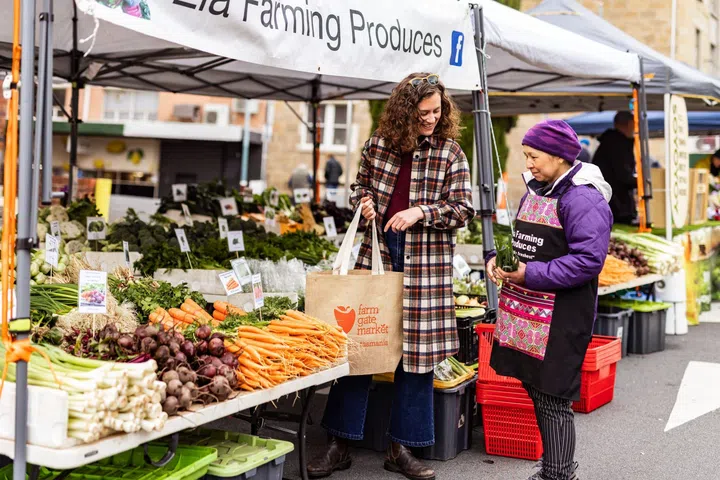
Chefs from the acclaimed modern Australian restaurant Aloft in Hobart and The Waterloo Inn, innocuously tucked at the basement level of a retro ocean-front motel in Swansea, relish the first-name basis relationship they share with farmers.
They relish a unique aspect of running restaurants in Tasmania: picking up seasonal produce that is just a short drive away.
Tasmania’s pristine environment, defined by its cooler waters and crisp air, has spawned a generation of new-world food producers who are not bound by tradition. These homegrown producers, some with no prior agricultural experience, are gung-ho and experimental — driven by confidence that the island’s clean surroundings will yield quality products, such as oysters, sea salt, and truffles.
Launceston, the state’s second major city, has been named a City of Gastronomy by Unesco for its vibrant food culture brimming with vines and artisanal producers. Hop on the self-drive Tasting Tasmania Trail of food producers and markets in North-western Tasmania, which is home to well-known names like Ashgrove Cheese Dairy Door and The Truffle Farm.
According to Tourism Tasmania, Singapore is an important growth market and one of its top five markets. Over the past year, 1.4 million visitors travelled to Tasmania. Many from Singapore are repeat visitors to Australia and crave new experiences such as foraging and catching the Southern Lights.
Here’re some farm experiences that showcase the wealth of Tasmania’s food offerings for a rustic experience down under.
1. Sirocco South
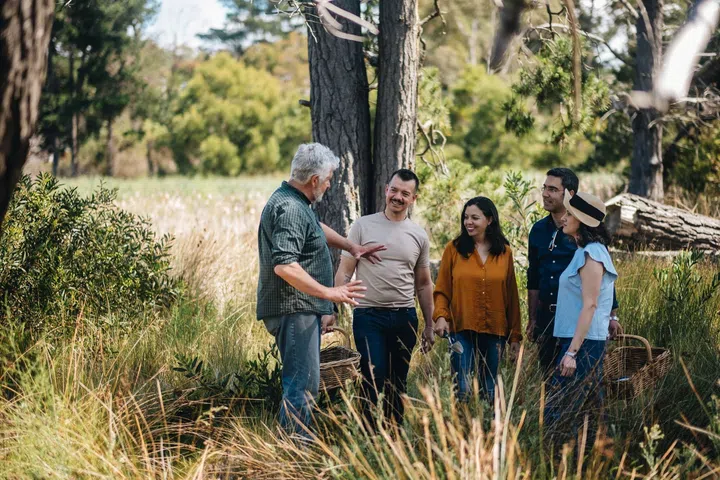
Foraging novices can have a field day at Sirocco South’s tours in Hobart. Run by Michele Giuliani, these small-group tours are hands-on, letting participants learn, harvest, and taste seasonal ingredients such as Bower spinach, buckhorn plantain, and fennel.
During a trip in April, mushrooms were in season in a pine forest near Seven Mile Beach. On a cool autumn morning, Giuliani led a group of eight, with foraging knives and baskets in tow. He explains that the pine needles on the damp ground are coated with mycelium, which would later sprout into mushrooms.
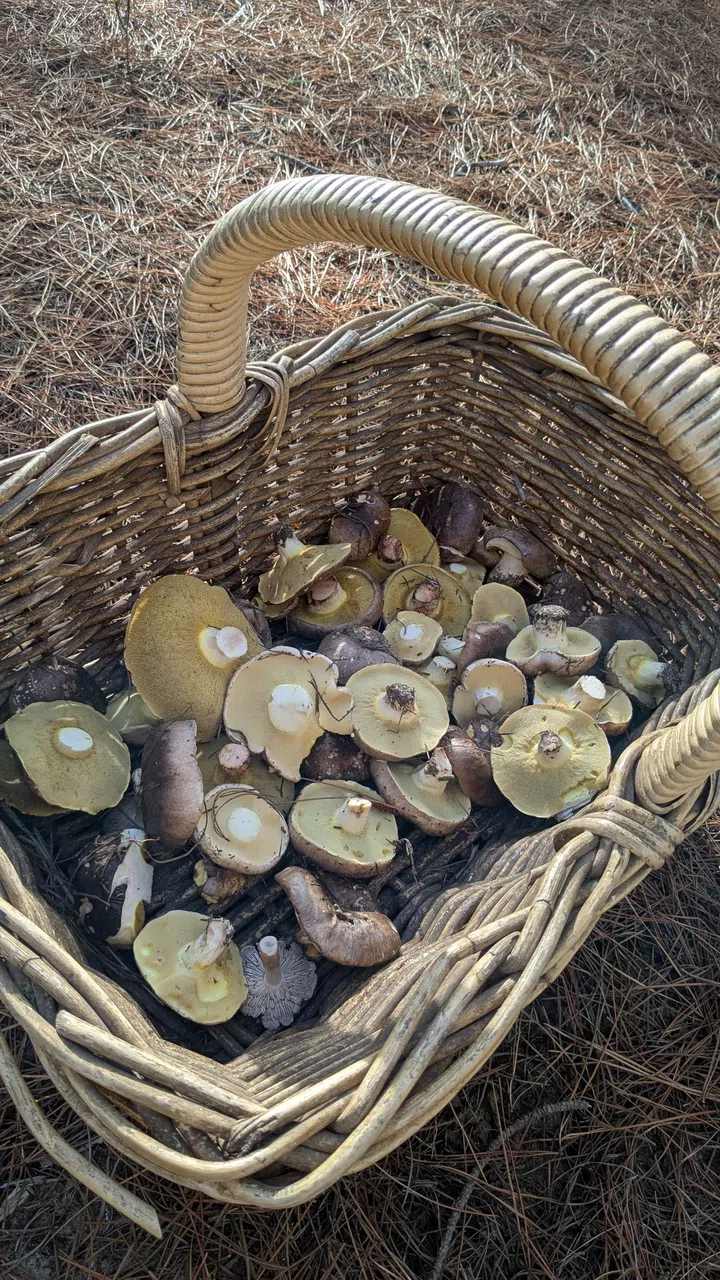
My heart skips a beat when I spot bulges of Slippery Jack mushrooms, known for their yellow sponge-like pore structure, that peek out from the stack of pine needles. I snip off the mushroom stems, brush off the dirt, and add them to the basket, which was laden with mushrooms after a fruitful two-hour search.
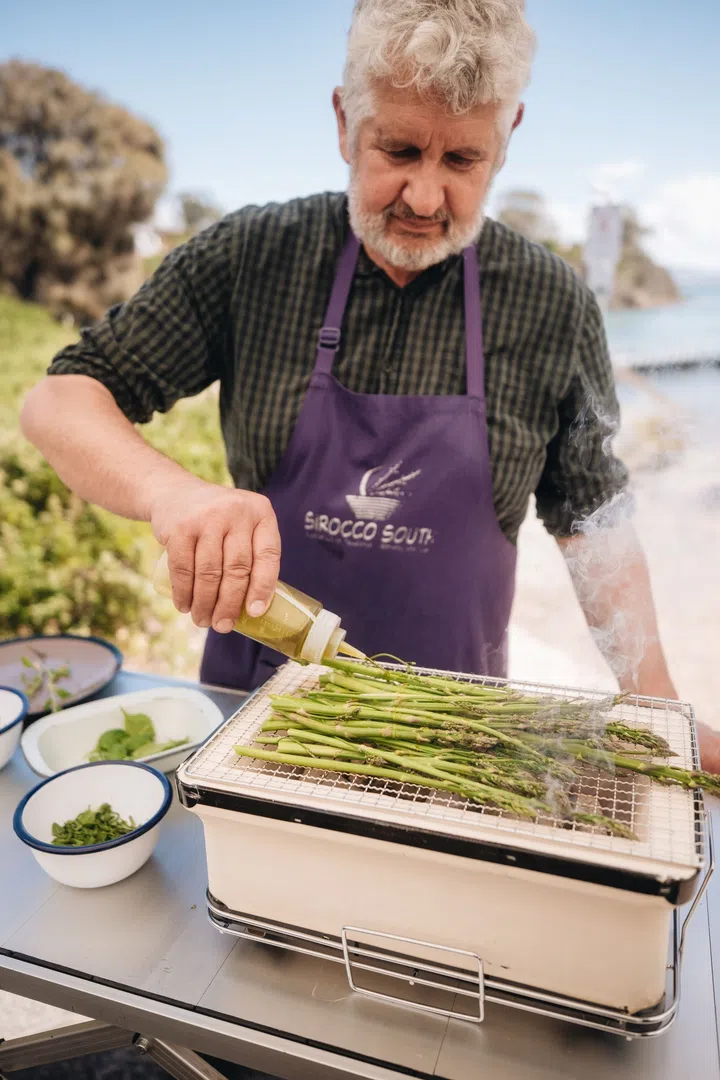
Giuliani started Sirocco South in 2019, inspired by his childhood foraging experiences with his grandfather and by his foraging trips during the Covid-19 lockdown. He says, “Foraging is the most zen thing to do — it forces you to slow down, immerse yourself in the moment of looking for these ingredients. It is almost like meditation.”
Inspired by binge-watching Netflix’s Chef’s Table, he caps off foraging tours with meals that showcase the foraged finds. The foraging tour ends with a six-course outdoor lunch, featuring dishes like mushroom consommé, spaghetti with pan-fried mushrooms, and a scrumptious mushroom cobbler, all paired with wines from Bream Creek Vineyard.
2. Freycinet Marine Farm
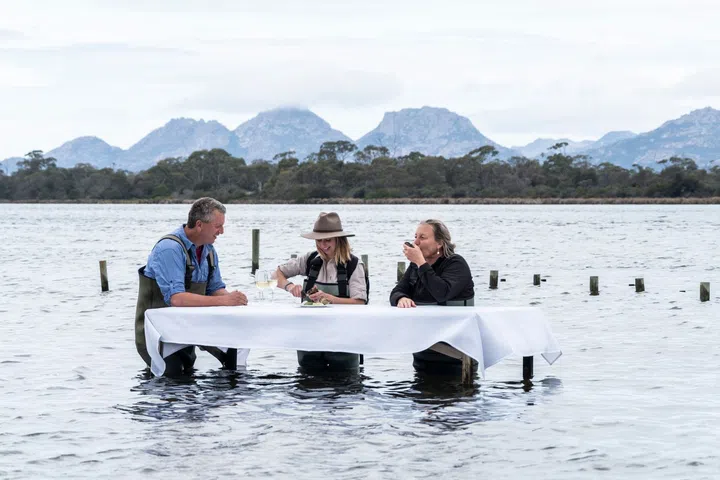
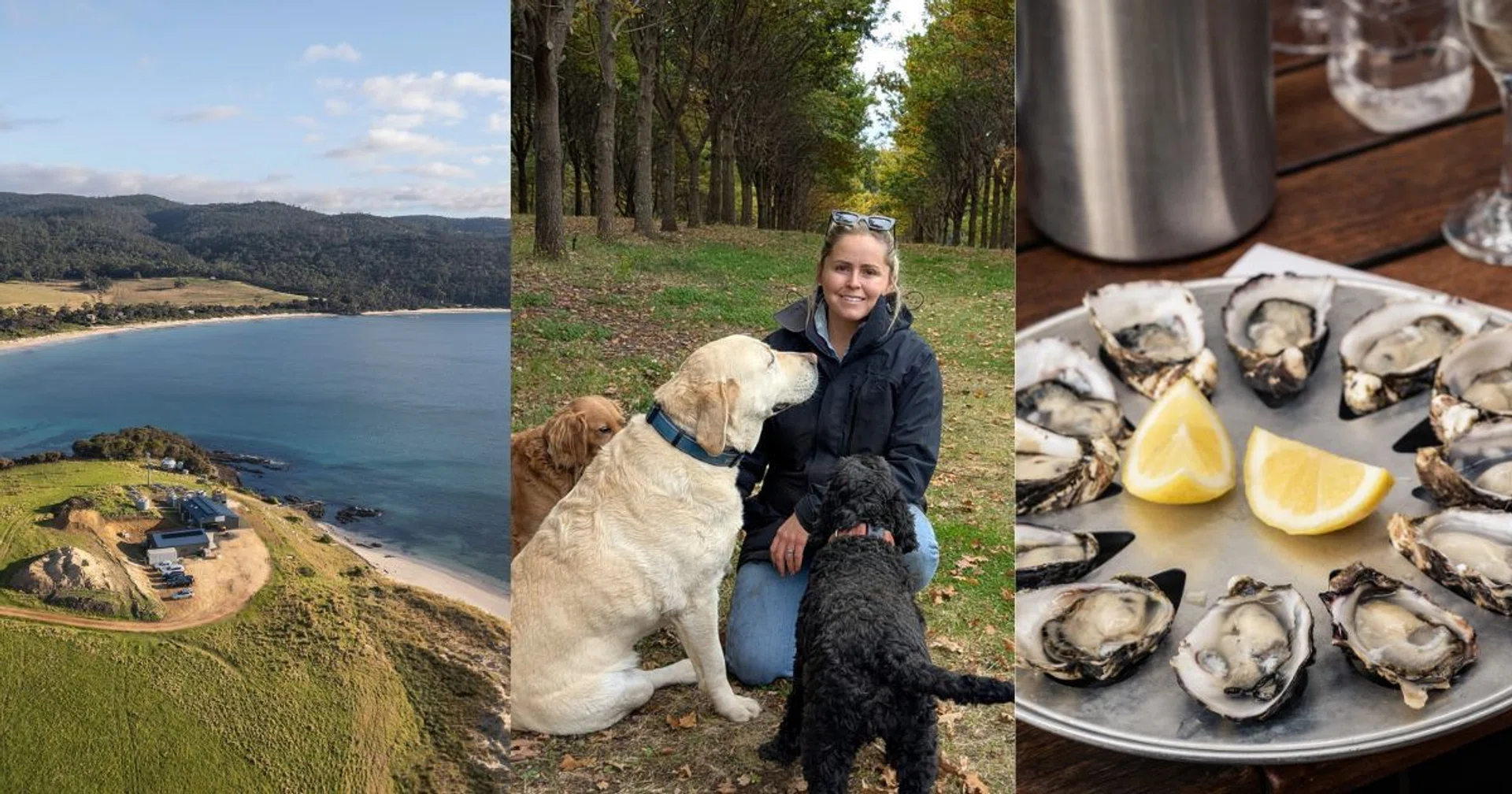
Tasmania is famed for its seafood, especially freshly-shucked oysters from its cold and clear waters. A must-visit stop for oysters is Freycinet Marine Farm, which has two farms and eateries in the Freycinet Peninsula. Its seafood shack is a mere 5km from its farm in Coles Bay, set against the pink granite peaks of the Hazards mountain range.
Co-founder Julia Fisher says, “It is exciting to sell something to people that was in the water just 10 minutes ago.”
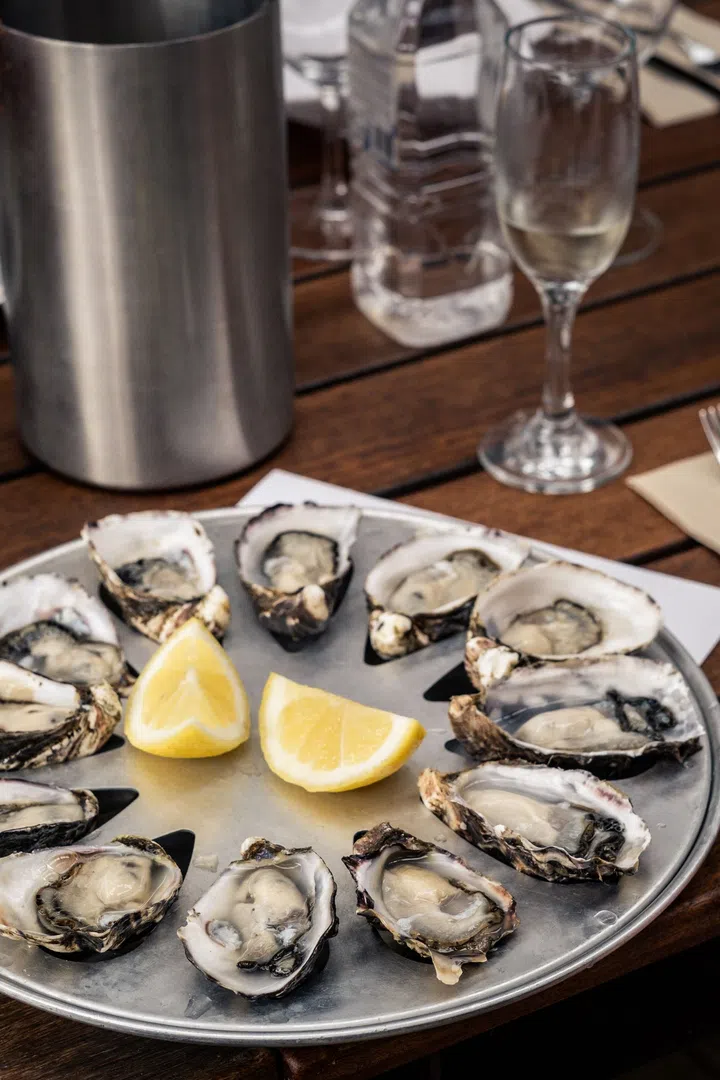
According to Fisher, Pacific oysters, served with Nam Jim Jaew, a tangy Thai dipping sauce, boast a clean, light, cucumber-like flavour. Other menu highlights include Tasmanian blue mussels served with an aromatic coconut-based Sri Lankan curry and fish & chips. The restaurant also serves rock lobsters, scallops, and salmon from Tasmanian waters.
Fisher and her husband, Giles, who run Freycinet Marine Farm, pivoted from salmon farming and spent years building their knowledge of oyster cultivation. Having faith in Tasmania’s immaculate environment was their driving force.
She says, “Tasmania has such a beautiful environment that you feel that you can grow something well here. It gives us the confidence that creating good produce is possible here.”
3. Tasman Sea Salt
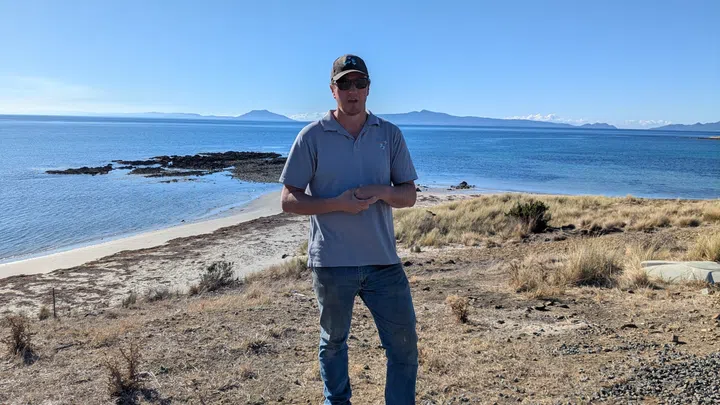
A lack of experience in salt production did not stop Tasmanian Chris Manson and his wife, Alice, from leaving their corporate jobs in London to move back home and launch Tasman Sea Salt, a gourmet sea salt brand in 2014. What motivated them was the untouched beauty of the secluded Southern Ocean, which serves as a natural resource of sea salt.
The couple dived into salt production, realising no one was tapping into the clean, remote waters largely devoid of shipping traffic. They did everything from scratch — building a seaside plant at Little Swanport on the East Coast and developing a proprietary sustainable harvesting system that runs on solar energy harnessed during the day and thermal energy from the ocean at night.
Seawater is pumped up to the hilltop plant from the ocean and evaporates after being gently heated. Once the water has been evaporated, what’s left are pure white salt flakes.
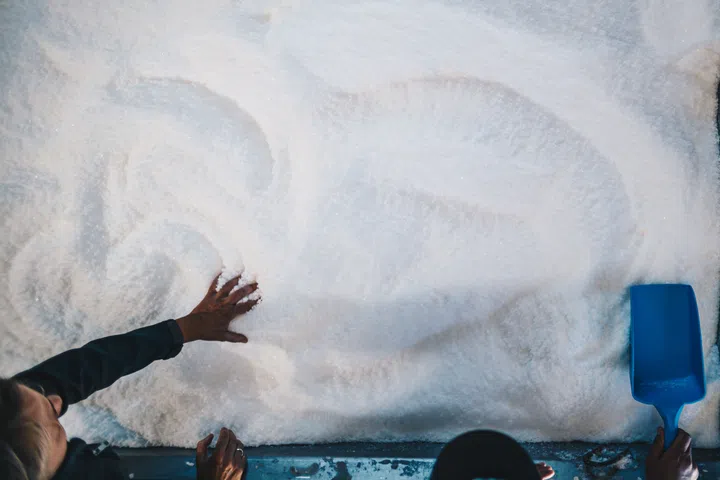
On what makes Tasman Sea Salt different, Manson attributes it to the quality of the mineral-rich seawater. He says, “Our salt is also 20 per cent lower in sodium compared to others, and the salt has a less sharp and astringent flavour.”
Besides offering saltworks tours, Tasman Sea Salt has a cellar door with a panoramic view of the ocean, where the shimmering blue water dazzles in the sunlight. The Salt Sommelier Tasting takes participants through a salt tasting programme, where they can discover how a sprinkling of salt can enhance the flavours of food such as dark chocolate, beef, and tomatoes.
Tasman Sea Salt, which is available in flavours such as wakame, smoked and pepperberry, is available at Little Farm outlets and Meat Co. in Singapore.
4. The Truffle Farm
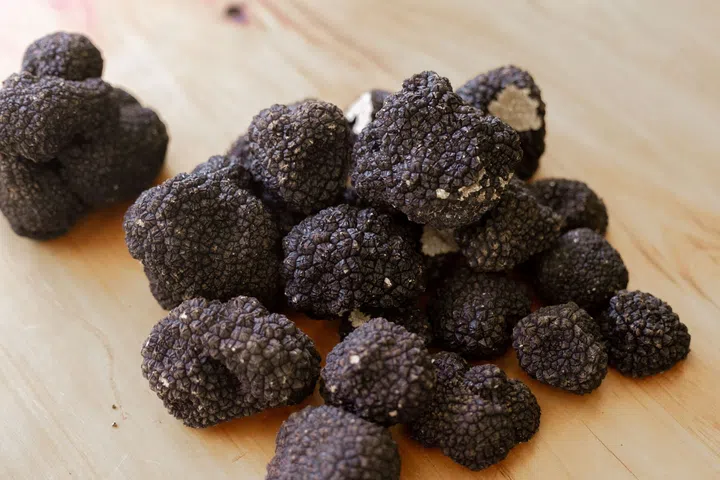
Australia’s first farmed black truffles were dug out from the grounds of The Truffle Farm in Deloraine, central-north of Tasmania, in June 1999. Despite the odds of cultivating truffles in a warmer climate than Europe, founder Tim Terry managed to inoculate hazelnut trees, which would later sprout the prized earthy fungi underneath them.
This milestone kickstarted the truffle industry in Australia, making truffles a ubiquitous ingredient in restaurants across the country. Anna, the second-generation owner of the farm, witnessed the landmark harvest, with her father smoking a celebratory cigar. Today, the family-run farm mainly supplies the domestic market.
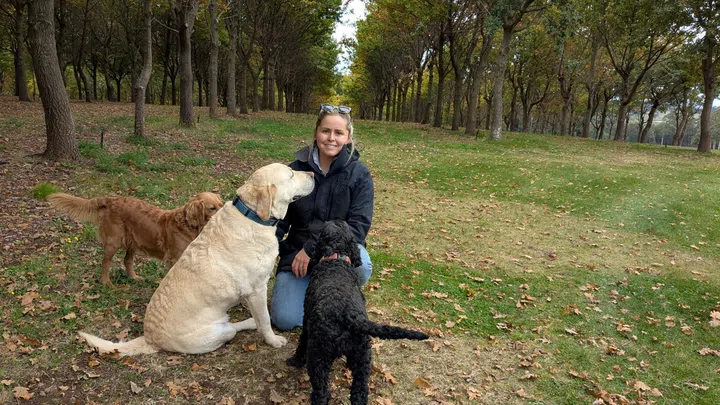
I join Anna on a truffle tour with her pet dogs, Douglas and Poppy. Her dogs have been trained to sniff truffles over the years. Guarding the farm’s entrance is a gigantic statue of Douglas, a “chief truffle hunter”, who started his truffle training at eight weeks old and has been training other trainee truffle dogs.
The energetic truffle-hunting dogs first nose the ground, picking up hints of the truffle scent. Once a spot has been zeroed in, relentless digging ensues while their tails are whipped furiously. Anna proceeds to dig the surrounding area, and true enough, a truffle emerges. “Good girl, Poppy,” she coos, rewarding the dog with a treat before it darts to the next spot.
Be prepared to get your hands dirty digging truffles from the ground. Some of them are so huge that the surrounding soil is perfumed with truffle. The heftiest truffle that was dug out during my hunt weighed in at 74g.
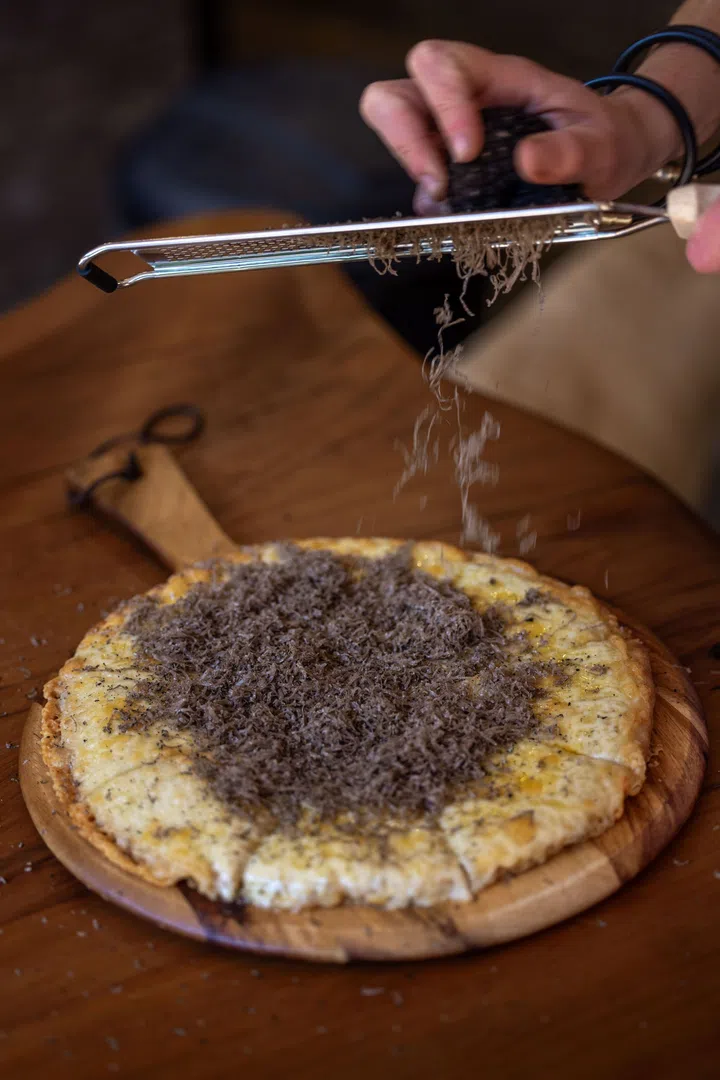
After the hunt, we were treated to a freshly baked cheese pizza, with truffles shaved liberally over it, paired with a glass of Tasmanian riesling.
5. An unexpected omakase extravaganza at Cambridge House, Geeveston
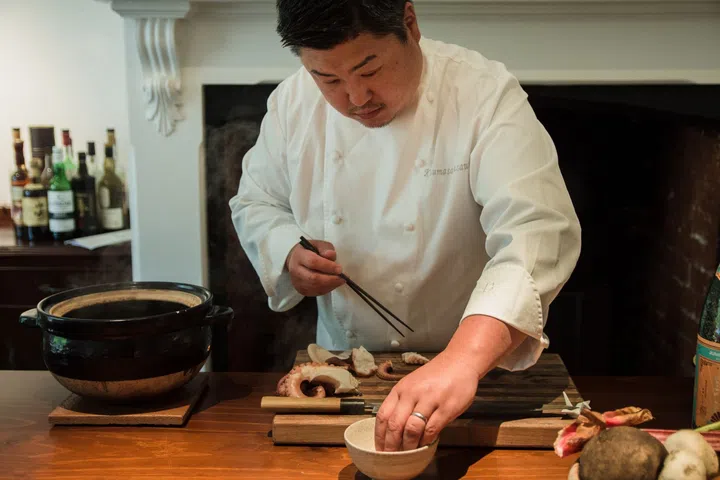
A Victorian-era cottage, built in 1870, in the quiet town of Geeveston is an unlikely spot for an exquisite omakase meal, replete with tableside cooking of fresh Tasmanian produce and attentive service steeped in omotenashi.
Cambridge House, a five-room Bed & Breakfast in the Huon Valley, a 50-minute drive from Hobart, is run by chef Kazumasa Yazawa and his Thai wife, Thana. Yazawa has worked at one-Michelin-starred Waku Ghin in Singapore and other restaurants in Australia and Jakarta.
The couple moved from Jakarta to a remote part of Tasmania on a whim, in search of a simpler and more purposeful life. Confronted with the fragility of life during the Covid-19 pandemic, they decided to experience life beyond cities and conventional measures of success.
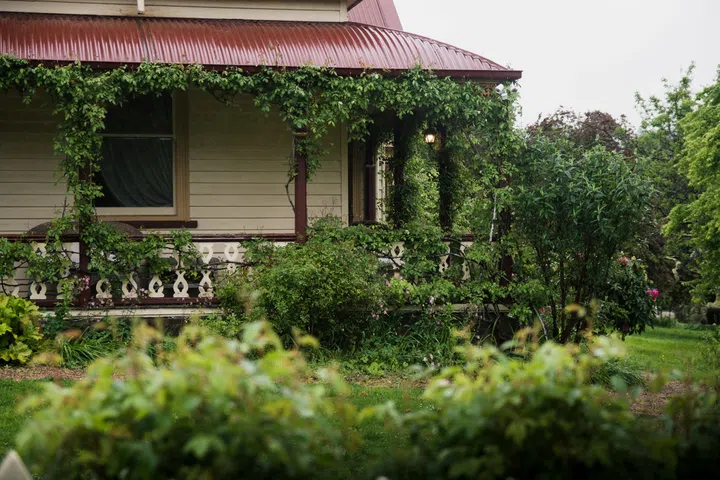
In 2020, they purchased Cambridge House online without visiting either the property or Geeveston. Border closures delayed their move until 2021. While the couple initially intended to use the property solely as their home, the cottage, which was a bed-and-breakfast (with an existing B&B sign), attracted travellers to the remote town.
The couple, who live on the compound with their young daughter, started providing meals for guests who stayed overnight. As word spread, guest numbers gradually increased.
For Yazawa, it was an opportunity to get in touch with the great Tasmanian nature in his backyard. He quips that the only things from his kitchen that are imported from Japan are the koji and sake.
Most of the ingredients are locally sourced (up to a 40-minute drive away); he hand-carries bottles of water from a freshwater lake to create the “raindrop” jelly with fermented plum and koji, while scallops, eel, and wrasse are harvested from the sea.
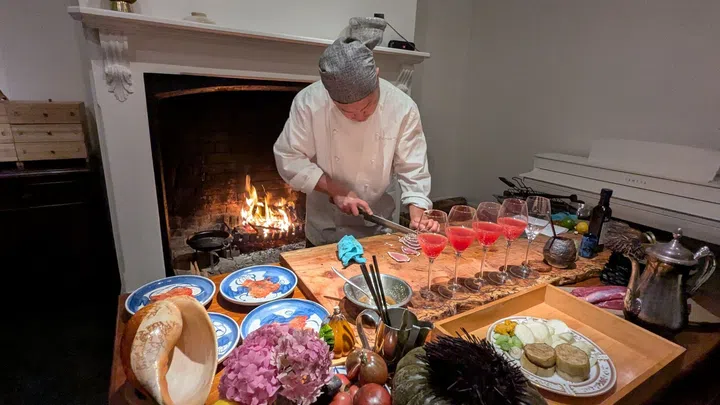
Koji plays an integral part in Cambridge House’s SHIOmakase menu, which has wordplay on the Japanese word for salt, a symbol of purity. Almost every dish in the 14-course omakase menu has a touch of fermentation in the form of koji and miso. During winter, koji ferments more slowly, yielding a greater depth of flavour.
Local ingredients shine here: from the meltingly soft 14-day-aged southern bluefin tuna with truffle koji on a cracker to a gigantic awabi, having grown more slowly in the colder Tasmanian waters. The abalone is lightly battered to showcase its tender texture and comes with a tub of rich abalone liver sauce.
Some of the cooking is done in front of diners by the fireplace, where they can listen to the sizzle of the grilled aged fallow venison and smoked scallops. Towards the end of the meal, a guitarist appears, strumming soothing classical Japanese-style guitar tunes to accompany desserts.