%22%3E%0A%3Cpath%20d%3D%22M412%20101.2H393.7C393.1%20101.2%20392.3%20100.9%20391.8%20100.5C377.3%2087.6004%20362.9%2074.6004%20348.4%2061.6004C344.8%2058.4004%20341.3%2055.2004%20337.7%2052.0004C337.1%2051.5004%20336.2%2051.1004%20335.5%2051.0004C334.2%2050.8004%20333%2051.0004%20331.5%2051.0004V101.1H316.7V0.100391H331.4V44.3004C331.9%2044.3004%20332.2%2044.4004%20332.5%2044.4004C334.9%2044.4004%20337.2%2044.5004%20339.6%2044.4004C340.4%2044.4004%20341.3%2044.0004%20341.8%2043.5004C351.6%2034.4004%20361.4%2025.2004%20371.1%2016.0004C376.5%2010.9004%20381.9%205.90039%20387.3%200.800391C387.9%200.200391%20388.5%200.000390626%20389.3%200.000390626H400.9C384.2%2015.8004%20367.8%2031.3004%20351.2%2047.0004C371.5%2065.0004%20391.8%2082.9004%20412.1%20100.9C412.1%20101%20412.1%20101.1%20412%20101.2ZM180.9%20101.2C184.1%2094.9004%20187.2%2088.9004%20190.3%2082.8004C198.3%2067.3004%20206.2%2051.8004%20214.2%2036.2004C220.3%2024.4004%20226.4%2012.5004%20232.4%200.700391C232.7%200.100391%20233%20-0.0996094%20233.7%20-0.0996094H248.1C248.8%20-0.0996094%20249.2%200.100391%20249.6%200.800391C256%2013.3004%20262.4%2025.7004%20268.8%2038.2004C279.3%2058.6004%20289.8%2079.0004%20300.3%2099.5004C300.5%20100%20300.8%20100.4%20301.1%20101.1C300.5%20101.1%20300.1%20101.2%20299.7%20101.2H286.5C285.6%20101.2%20285.1%20100.9%20284.7%20100.2C280.1%2091.3004%20275.4%2082.4004%20270.8%2073.4004C270.1%2072.1004%20269.3%2071.6004%20267.8%2071.6004H209.9C208.7%2071.6004%20208.1%2072.0004%20207.5%2073.1004C202.9%2082.1004%20198.2%2091.0004%20193.6%20100C193.1%20101%20192.6%20101.3%20191.5%20101.3C188.4%20101.2%20185.3%20101.3%20182.3%20101.3C182%20101.2%20181.6%20101.2%20180.9%20101.2ZM239.1%2011.4004C230%2029.2004%20221.1%2046.7004%20212.1%2064.3004H266.4C257.2%2046.7004%20248.2%2029.2004%20239.1%2011.4004ZM0%200.000390626H43.4C51.2%200.000390626%2058.7%201.20039%2065.7%204.80039C75.9%2010.0004%2078.9%2018.0004%2078.6%2027.4004C78.3%2034.3004%2076%2040.5004%2071.2%2045.5004C67.3%2049.6004%2062.4%2052.3004%2057.1%2054.3004C50.6%2056.7004%2043.9%2058.0004%2037.1%2058.6004C30.1%2059.2004%2023.1%2059.4004%2016.2%2059.7004C15.8%2059.7004%2015.3%2059.8004%2014.8%2059.8004V101.1H0.1C0%2067.4004%200%2033.8004%200%200.000390626ZM14.8%207.10039V52.2004C23.7%2052.4004%2032.6%2052.3004%2041.2%2050.1004C44.4%2049.3004%2047.6%2048.2004%2050.6%2046.7004C58.4%2043.0004%2062.3%2036.7004%2062.7%2028.0004C63%2019.9004%2059.5%2014.1004%2052.4%2010.5004C47.6%208.00039%2042.5%207.10039%2037.2%207.10039H14.8ZM95.9%20101.1V0.100391H167.3V7.20039H110.7V44.7004H158.1V51.9004H110.8V93.9004H171.1V101C146.1%20101.1%20121%20101.1%2095.9%20101.1Z%22%20fill%3D%22black%22%2F%3E%0A%3Cpath%20d%3D%22M35.0004%2025.7996H42.5004V20.6996H44.8004V33.1996H42.6004V27.5996H34.9004V33.2996H32.7004V20.7996H35.0004V25.7996ZM54.4004%2025.8996V27.2996H48.9004V31.6996H55.9004C55.9004%2032.1996%2056.0004%2032.5996%2056.0004%2033.0996H46.5004V20.5996H55.5004V21.8996H49.0004V25.7996C50.7004%2025.8996%2052.5004%2025.8996%2054.4004%2025.8996ZM25.9004%2033.0996H23.5004V21.9996H17.9004V20.6996H31.6004V22.0996H27.1004C26.2004%2022.0996%2025.9004%2022.2996%2025.9004%2023.1996C26.0004%2026.0996%2025.9004%2028.9996%2025.9004%2031.7996V33.0996Z%22%20fill%3D%22black%22%2F%3E%0A%3C%2Fg%3E%0A%3Cdefs%3E%0A%3CclipPath%20id%3D%22clip0_388_462%22%3E%0A%3Crect%20width%3D%22411%22%20height%3D%22101.2%22%20fill%3D%22white%22%2F%3E%0A%3C%2FclipPath%3E%0A%3C%2Fdefs%3E%0A%3C%2Fsvg%3E%0A)
“Many contestants in Korea do not like me”: Mosu chef Anh Sung-jae on judging Culinary Class Wars
The chef-owner of three-Michelin-starred Mosu and the much-feared judge on Culinary Class Wars, shares his passion for promoting Korean ingredients, such as hanwoo, which was recently launched in Singapore.
By Kenneth SZ Goh /
Share this article
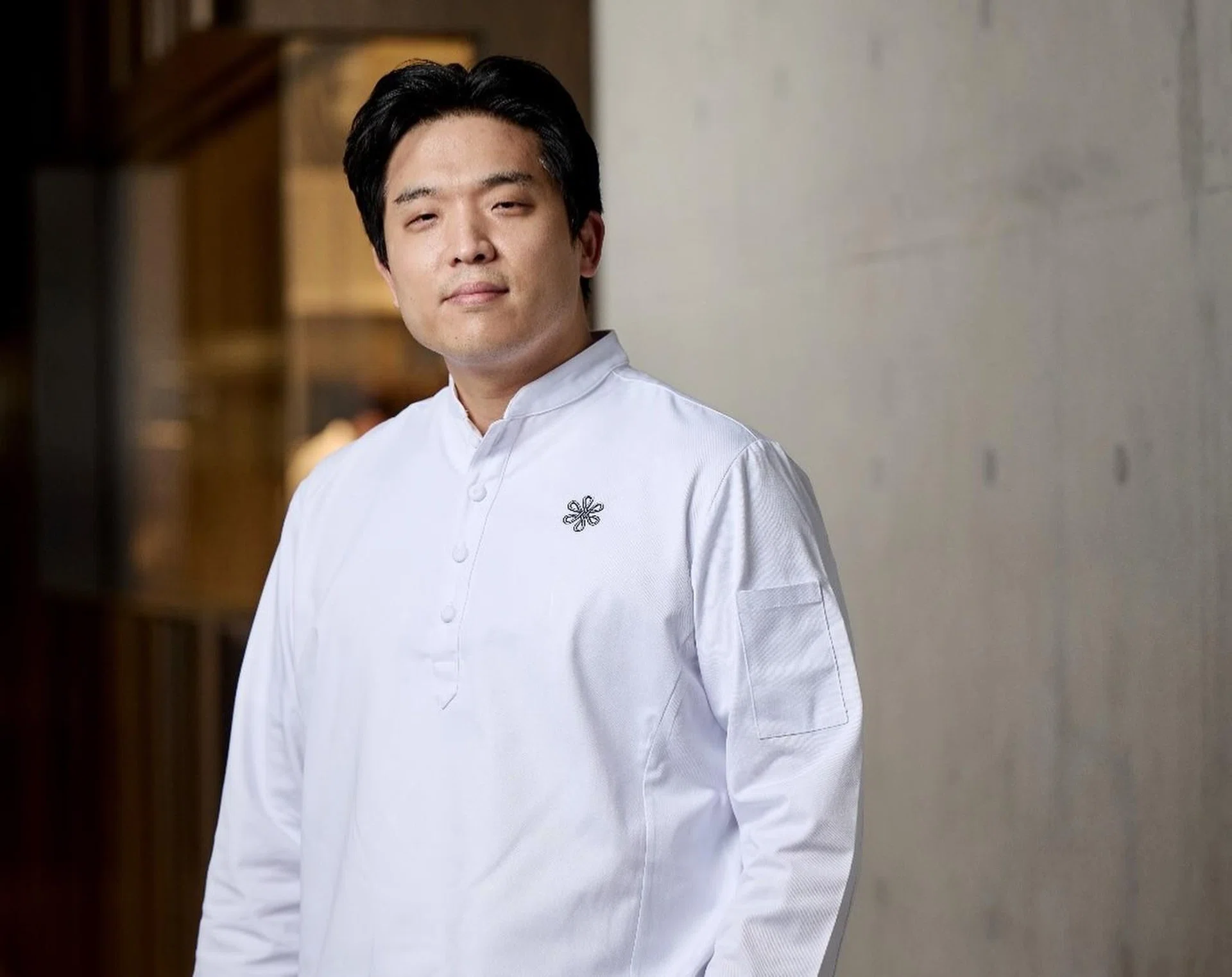
For the millions who devoured the second season of the hit Netflix cooking competition, Culinary Class Wars, a highlight is watching Korean chef Anh Sung-jae incisively critique a dish from merely tasting one spoonful.
The facial expressions of the chef-owner of two-Michelin-starred contemporary restaurant Mosu in Seoul are a Rorschach test for contestants: a slight narrowing of the eyes signals disaster, while a rare, warm smile delivers salvation.
In reality, the cut-throat judging process could not be more different. Speaking to The Peak Singapore, Anh reveals that some doubts hang over him beneath his poker-faced facade. He says: “It’s impossible to be correct all the time; I don’t understand the culture and background of every single person.”
He is mindful that contestants present flavours rooted in their personal history, and that “doesn’t mean that it is the wrong way to cook something”.
To bridge this gap between, Anh has longer conversations with each contestant — “probably double or triple than what’s on the show”. He explains: “I have to understand where they’re coming from in order to judge the food objectively.
“It involves making very difficult decisions. Many contestants do not like me in Korea,” he adds with a wry smile.
Over the past two years, Culinary Class Wars has become a worldwide hit, with chefs from competing White and Black Spoons camps gaining global recognition. Some saw a spike in their restaurants’ business, while others have started overseas dining ventures.
Anh recalls: “After the show first aired, I was overwhelmed by how much people cared about the show, and was surprised by how they were connected to food and saw the economic value of the restaurant industry.”
Seeing Culinary Class Wars boost the culinary ecosystem affirmed the publicity-shy chef’s decision to become a judge on the show. He says: “I would only do the show if it promotes chefs and the restaurant industry, not just in Korea, but across Asia.”
Hungry for hanwoo
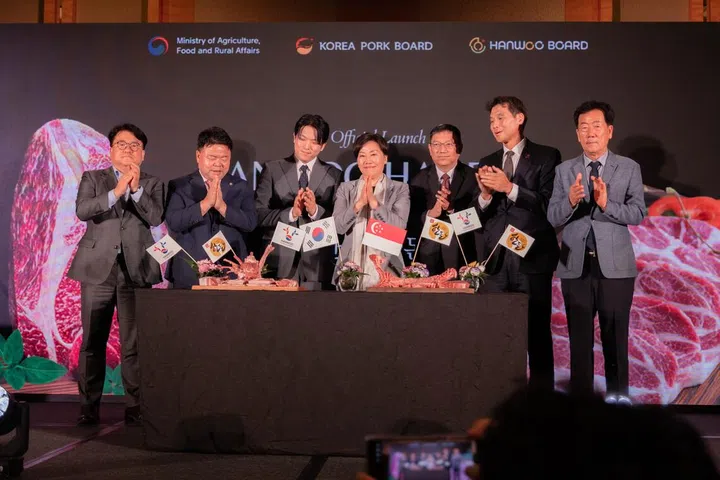
It is with this same mindset that Anh assumed his latest role as an advocate for premium Korean beef (hanwoo) and pork (handon) at an event to mark the launch of Korean meat exports to Singapore.
In late January, Anh made a whirlwind appearance at the trade event, which was attended by South Korea’s Minister for Agriculture, Food and Rural Affairs, Song Mi-ryung.
Hanwoo and handon, cultivated on Jeju Island, are imported to Singapore monthly via importers such as SoGoodK and Culina. With limited hanwoo production and high demand in Korea, meat exports to Singapore underscore the city-state’s role as a strategic gateway for premium food imports in the region and as a growing hub for bilateral collaboration in agriculture and food trade.
For the uninitiated, Anh describes hanwoo as “a cross between American Angus and wagyu”. He says: “Hanwoo has nice marbling and good moisture content. First, the flavour of the meat comes through, followed by the fat, which doesn’t melt away when cooked, balances everything out.”
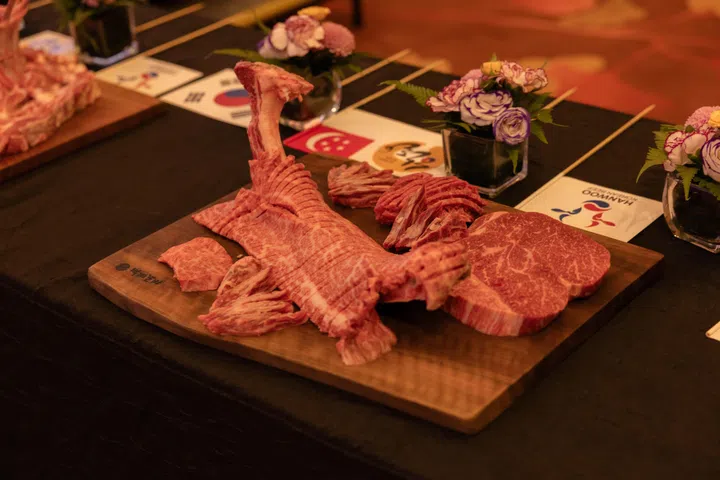
With 120 cuts of hanwoo, what’s his favourite? The outside skirt, which is located near the cow’s intestines, is considered an offal in Korea. “It has a really strong meat flavour and liver-ish,” he says. “It has an acquired taste for first-timers.”
He considers a female hanwoo grade 2+ to be the ideal grade, best grilled over charcoal. According to the Korean beef rating system, Grade 1++ boasts the highest level of marbling (22 to 24 per cent), followed by 1 (14 to 16 per cent).
An advocate for Korean produce
Being an advocate for Korean produce is second nature to Anh. He says: “Having used Korean dishes on an everyday basis, and seeing how these ingredients are well-loved in Korea and internationally, I want to use my position to promote what I love to eat and cook, so more people can try it. This is one of the opportunities that I can share what I am passionate about.”
When Anh is not judging Culinary Class Wars or running his restaurants, including Mosu in Hong Kong, he helms videos on his YouTube channel, chef Sung Anh, which has over 1.25 million subscribers. Anh conducts cooking demonstrations with celebrities, interviews chefs, visits restaurants and shares the behind-the-scenes action on Culinary Class Wars in his videos.
He says: “I started my YouTube channel because there were so many questions that people have, and I didn’t want to go through the media as a filter.” Despite his status as a culinary heavyweight, Anh doesn’t consider himself an educator or ambassador. He says: “I think that can be dangerous, because I’m not in a position to do that. These videos show me experiencing different things.”
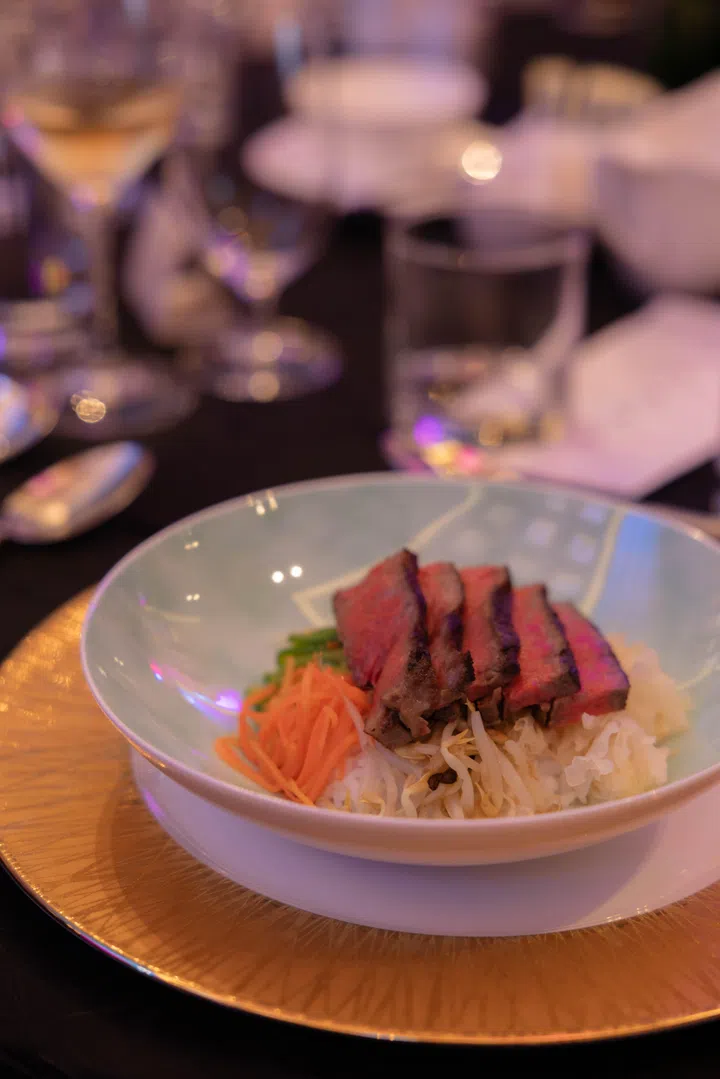
Having relocated from the US, where he first started Mosu in San Francisco, to Seoul in 2017 to be closer to his family, Anh does not see himself as a steward of Korean food traditions. “I’m not a traditionalist and have not learned how to cook traditional Korean food,” he states. “Through having experience in contemporary cooking, I study and understand traditional cooking methods, ideas, and my heritage.”
Growing up in California, where his parents immigrated when he was a child and having served in the American army, Anh says candidly: “I am from the US and am living in South Korea. I don’t want to pretend to be the ambassador of Korean food.”
He acknowledges that there are other chefs who have a deeper understanding of Korea’s culinary history and have been showcasing their way of cooking. He says: “For me, I choose to share my experiences through YouTube. I try to stay in my lane, and hopefully, it can promote a different style of cooking and culture, and enhance people’s exposure to food.”