%22%3E%0A%3Cpath%20d%3D%22M412%20101.2H393.7C393.1%20101.2%20392.3%20100.9%20391.8%20100.5C377.3%2087.6004%20362.9%2074.6004%20348.4%2061.6004C344.8%2058.4004%20341.3%2055.2004%20337.7%2052.0004C337.1%2051.5004%20336.2%2051.1004%20335.5%2051.0004C334.2%2050.8004%20333%2051.0004%20331.5%2051.0004V101.1H316.7V0.100391H331.4V44.3004C331.9%2044.3004%20332.2%2044.4004%20332.5%2044.4004C334.9%2044.4004%20337.2%2044.5004%20339.6%2044.4004C340.4%2044.4004%20341.3%2044.0004%20341.8%2043.5004C351.6%2034.4004%20361.4%2025.2004%20371.1%2016.0004C376.5%2010.9004%20381.9%205.90039%20387.3%200.800391C387.9%200.200391%20388.5%200.000390626%20389.3%200.000390626H400.9C384.2%2015.8004%20367.8%2031.3004%20351.2%2047.0004C371.5%2065.0004%20391.8%2082.9004%20412.1%20100.9C412.1%20101%20412.1%20101.1%20412%20101.2ZM180.9%20101.2C184.1%2094.9004%20187.2%2088.9004%20190.3%2082.8004C198.3%2067.3004%20206.2%2051.8004%20214.2%2036.2004C220.3%2024.4004%20226.4%2012.5004%20232.4%200.700391C232.7%200.100391%20233%20-0.0996094%20233.7%20-0.0996094H248.1C248.8%20-0.0996094%20249.2%200.100391%20249.6%200.800391C256%2013.3004%20262.4%2025.7004%20268.8%2038.2004C279.3%2058.6004%20289.8%2079.0004%20300.3%2099.5004C300.5%20100%20300.8%20100.4%20301.1%20101.1C300.5%20101.1%20300.1%20101.2%20299.7%20101.2H286.5C285.6%20101.2%20285.1%20100.9%20284.7%20100.2C280.1%2091.3004%20275.4%2082.4004%20270.8%2073.4004C270.1%2072.1004%20269.3%2071.6004%20267.8%2071.6004H209.9C208.7%2071.6004%20208.1%2072.0004%20207.5%2073.1004C202.9%2082.1004%20198.2%2091.0004%20193.6%20100C193.1%20101%20192.6%20101.3%20191.5%20101.3C188.4%20101.2%20185.3%20101.3%20182.3%20101.3C182%20101.2%20181.6%20101.2%20180.9%20101.2ZM239.1%2011.4004C230%2029.2004%20221.1%2046.7004%20212.1%2064.3004H266.4C257.2%2046.7004%20248.2%2029.2004%20239.1%2011.4004ZM0%200.000390626H43.4C51.2%200.000390626%2058.7%201.20039%2065.7%204.80039C75.9%2010.0004%2078.9%2018.0004%2078.6%2027.4004C78.3%2034.3004%2076%2040.5004%2071.2%2045.5004C67.3%2049.6004%2062.4%2052.3004%2057.1%2054.3004C50.6%2056.7004%2043.9%2058.0004%2037.1%2058.6004C30.1%2059.2004%2023.1%2059.4004%2016.2%2059.7004C15.8%2059.7004%2015.3%2059.8004%2014.8%2059.8004V101.1H0.1C0%2067.4004%200%2033.8004%200%200.000390626ZM14.8%207.10039V52.2004C23.7%2052.4004%2032.6%2052.3004%2041.2%2050.1004C44.4%2049.3004%2047.6%2048.2004%2050.6%2046.7004C58.4%2043.0004%2062.3%2036.7004%2062.7%2028.0004C63%2019.9004%2059.5%2014.1004%2052.4%2010.5004C47.6%208.00039%2042.5%207.10039%2037.2%207.10039H14.8ZM95.9%20101.1V0.100391H167.3V7.20039H110.7V44.7004H158.1V51.9004H110.8V93.9004H171.1V101C146.1%20101.1%20121%20101.1%2095.9%20101.1Z%22%20fill%3D%22black%22%2F%3E%0A%3Cpath%20d%3D%22M35.0004%2025.7996H42.5004V20.6996H44.8004V33.1996H42.6004V27.5996H34.9004V33.2996H32.7004V20.7996H35.0004V25.7996ZM54.4004%2025.8996V27.2996H48.9004V31.6996H55.9004C55.9004%2032.1996%2056.0004%2032.5996%2056.0004%2033.0996H46.5004V20.5996H55.5004V21.8996H49.0004V25.7996C50.7004%2025.8996%2052.5004%2025.8996%2054.4004%2025.8996ZM25.9004%2033.0996H23.5004V21.9996H17.9004V20.6996H31.6004V22.0996H27.1004C26.2004%2022.0996%2025.9004%2022.2996%2025.9004%2023.1996C26.0004%2026.0996%2025.9004%2028.9996%2025.9004%2031.7996V33.0996Z%22%20fill%3D%22black%22%2F%3E%0A%3C%2Fg%3E%0A%3Cdefs%3E%0A%3CclipPath%20id%3D%22clip0_388_462%22%3E%0A%3Crect%20width%3D%22411%22%20height%3D%22101.2%22%20fill%3D%22white%22%2F%3E%0A%3C%2FclipPath%3E%0A%3C%2Fdefs%3E%0A%3C%2Fsvg%3E%0A)
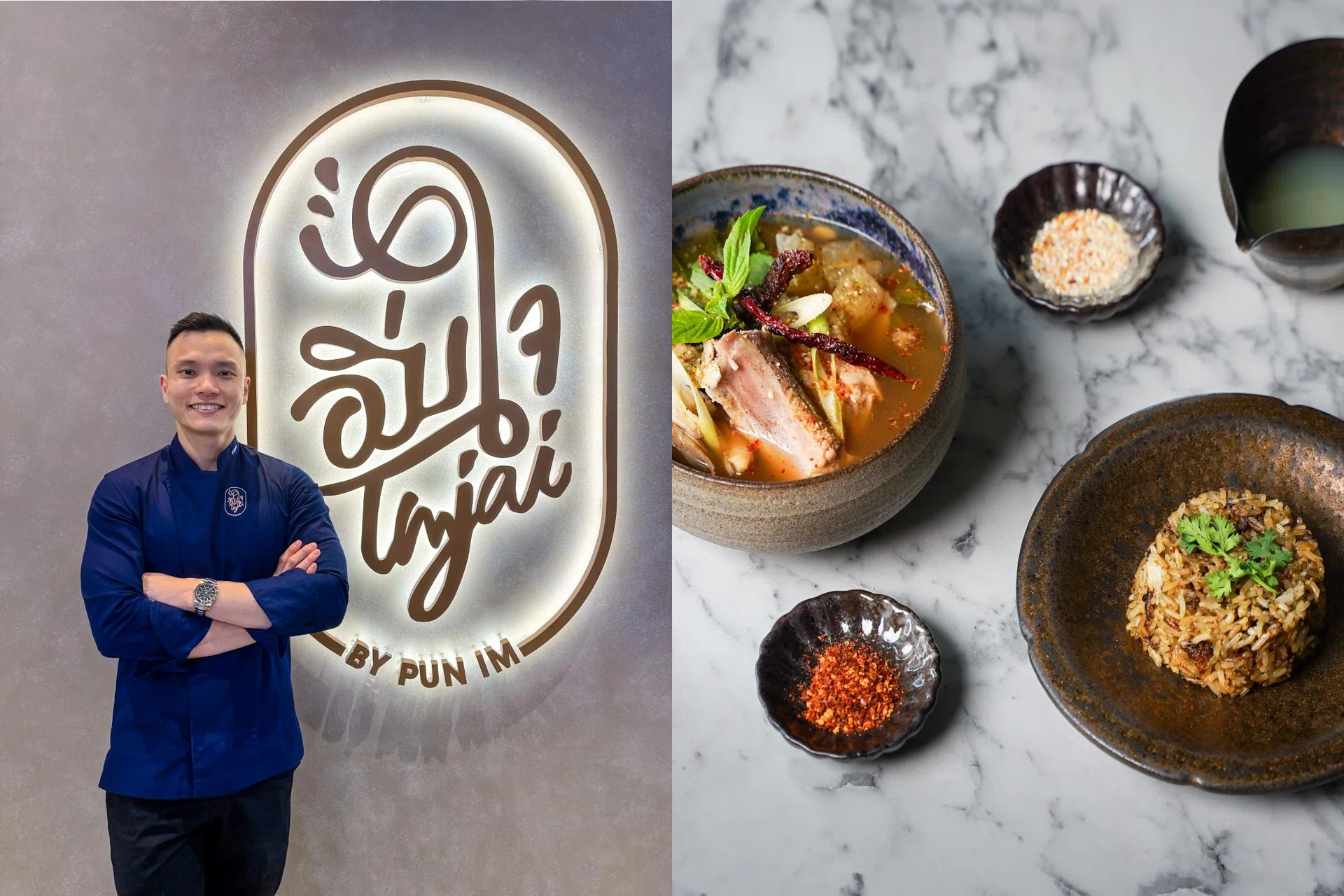
This Singapore chef wants to showcase the depth and breadth of Thai cuisine at his restaurant Im Jai by Pun Im
From private dining chef to restaurant owner, former corporate warrior Vincent Pang’s culinary journey is anchored in a passion for produce and people.
By Grace Ma /
Share this article
Vincent Pang never saw himself as a chef. But as serendipity would have it, the former hedge fund manager who oversaw the Thailand market developed an affinity for the cuisine through numerous work dinners at Thai restaurants.
At that time, Pang didn’t know how to cook and only started doing so when he moved into his own place. Totally clueless, he literally ended up with his first meal in smoke.
Undeterred, Pang searched out recipes on YouTube, and through endless chopping, dicing, and an obsession with honing his skills, he found his perfect solace from work.
He deadpans: “I would buy a kilogram of carrots to practise julienning and spend hours cooking. After three hours, I would feel liberated.”
While contemplating a career switch, an epiphanic moment tipped the scales. The 39-year-old shares, “It came to a point that when I made profits, I was relieved, not happy. When I made losses, I felt more stressed than before. That’s when I knew that it was time for me to find something else.”
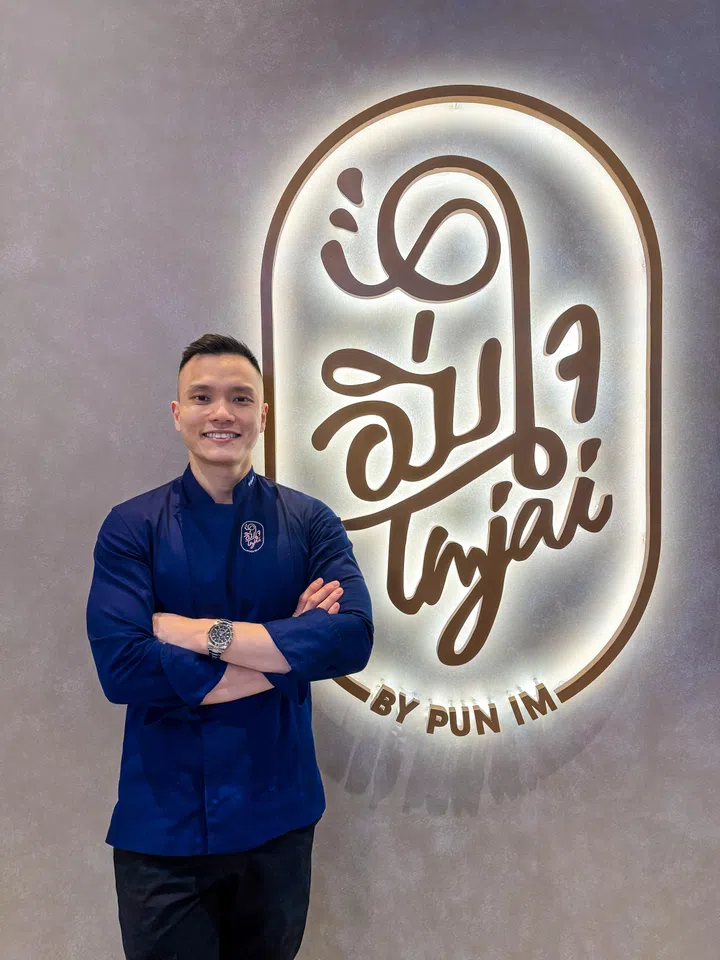
Unsurprisingly, his parents were concerned that he was quitting such a lucrative job, but Pang’s heart was set.
In June 2019, he tendered his resignation, went to Bangkok to study Thai, and obtained diplomas in French cuisine and baking from Le Cordon Bleu Dusit. The Covid-19 pandemic forced him to return, but it also served as the perfect impetus to start a private dining business, Pun Im, which gained popularity for its French-meets-Thai menu.
This included hits such as gaeng ped bped confit (duck confit red curry), braised beef short ribs in fermented shrimp paste soup, and an Issarn-style laab of duck breast and liver presented as a French aspic terrine.
When borders reopened, Pang went back to Bangkok to pursue a Professional Thai Cuisine diploma and honed his craft through a stage at one Michelin-starred Wana Yook.
He also went to Chiang Mai to learn ancient royal Thai recipes, resulting in dishes like “beautiful curry”, a clear beef soup with salted and pickled Chinese plum, and grilled eggplant lohn relish with shrimp being introduced to his menus.
To put his skills to the ultimate test, Pang did a five-month pop-up in Bangkok in 2023. “If you don’t cook for locals, you’ll never be confident enough to cook authentic Thai food”, he shares. He returned to Singapore at the end of the year and re-launched Pun Im with renewed confidence.
Cooking with heart
Two years ago, Pang’s father passed away from amyotrophic lateral sclerosis (ALS). Pang, who had sworn to himself that he would never open a restaurant because of the challenges involved, started exploring the idea as he worried about how his mother would spend her days.
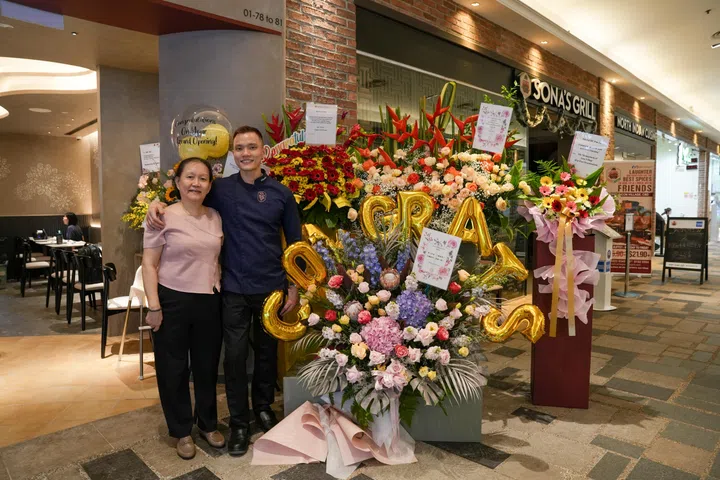
Last April, Pang opened Im Jai by Pun Im, and till today, it is a heartfelt mother-son endeavour — in Thai, “im jai” means “full heart” while “pun im” means “to share fullness”.
On the days she is not working as a part-time associate engineer, Pang’s mother, Ho Swee Hiang, cheerily greets diners at the entrance and chats with them. “Customers love her. I could not imagine someone as introverted as her standing outside, inviting customers to come in, but she does that,” says Pang, beaming with pride and gratitude.
im jai pun im
Although Pang is still running his private-dining concept, he misses the time when he had to focus only on cooking and developing new dishes. He has no regrets, though, despite spending more time managing operations, from ordering ingredients to creating reels for the restaurant’s social media accounts and dealing with difficult customers.
Instead, fulfilment comes in the form of mentorship. He explains, “There is joy and satisfaction in teaching my team how to achieve the quality I am looking for. I know I can cook the standard I want, but to pass my skillsets to another person, that is another achievement in itself.”
With love, from Thailand
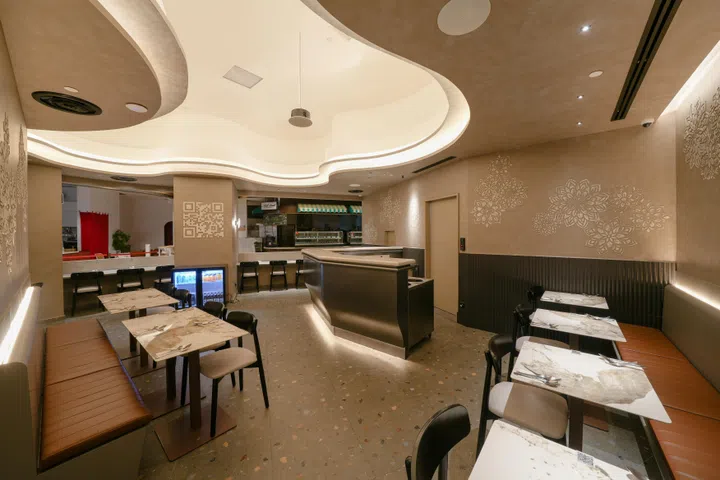
Thailand’s best ingredients are used at Im Jai, which offers value-for-money dishes such as a lunch set of massaman curry chicken, winged bean salad, and grilled eggplant, starting from $18.80.
The southern Thai dish of stir-fried melinjo leaves with eggs is topped with crispy fried shrimp imported from Thailand. They are crisper and more flavourful than typical dried shrimp, which are usually boiled before being fried.
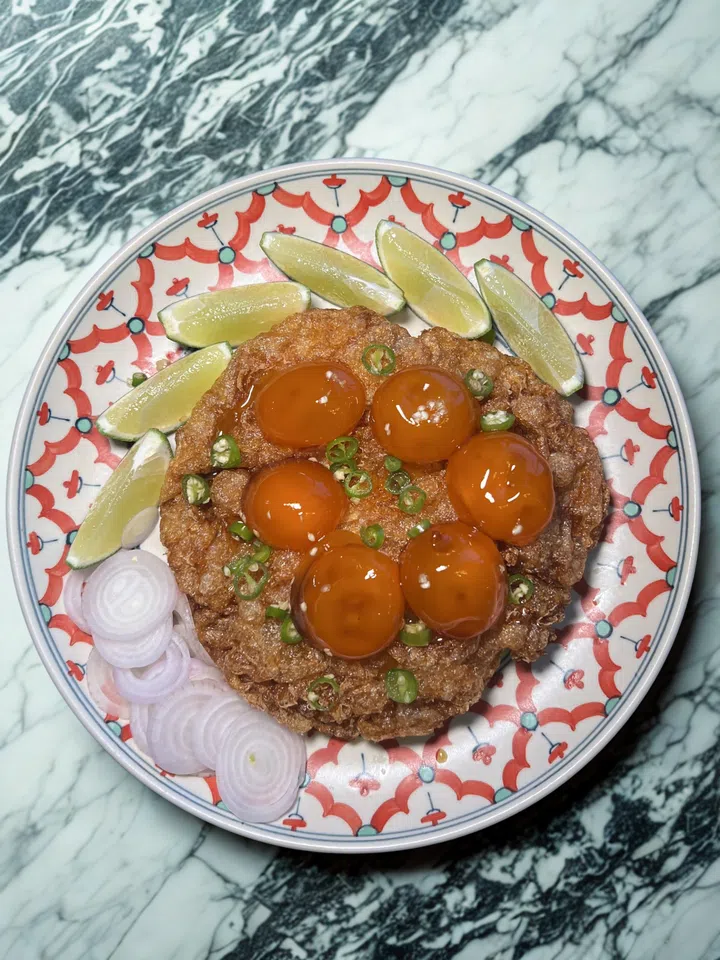
But Pang also knows how to keep a good recipe intact, such as the Crispy Cloud Egg, where six cured egg yolks sit atop fluffy deep-fried egg whites and are served with lime, raw shallots and chilli padi.
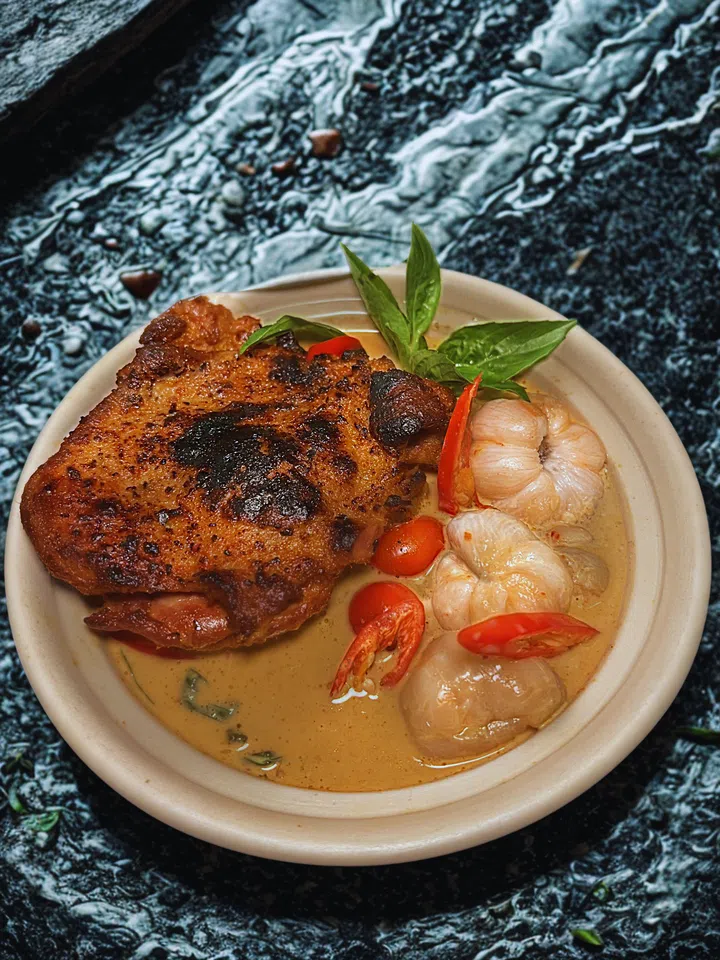
It is made exactly how Pang learnt it during his stage at the Michelin-starred contemporary Thai restaurant. He does not dial down the spiciness either; the Duck Confit Red Curry, rarely found in Thai restaurants here, delivers an unbridled spicy punch tempered by sweet notes from Candy Heart grapes.
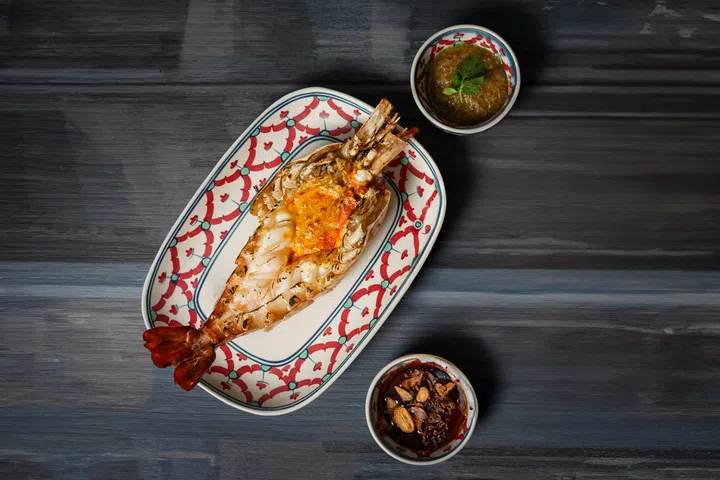
Im Jai is the only restaurant in Singapore serving wild-caught river prawns from southern Thailand. Each sweet and succulent crustacean weighs around 330g and is flash-frozen for export the moment it is harvested.
Every sauce is made from scratch, and Pang even set up his own pork floss manufacturing facility in Singapore to create the shredded texture he wanted, and deep-fried it with shallots for a more fragrant aroma.
His high-quality standards extend to even the beverages. The orange juice is a mixture of sweet-sour green Thai oranges with a sprinkling of salt and chunky pulp, while the dairy-free Thai coconut milk tea is fragrant and creamy, not the sickly-sweet variety.
The latest addition to the menu is dairy- and sugar-free Monthong durian sorbet, in which the durian is one of the most prized varieties in Thailand, known for its subtle sweetness.
Pang says: “Each time I go back to Thailand, I always discover something new about a technique or provincial cuisine. In the same way, I want to broaden the diners’ minds to think beyond the Thai dishes they are used to, such as pad thai, tom yum soup and green papaya salad.”