%22%3E%0A%3Cpath%20d%3D%22M412%20101.2H393.7C393.1%20101.2%20392.3%20100.9%20391.8%20100.5C377.3%2087.6004%20362.9%2074.6004%20348.4%2061.6004C344.8%2058.4004%20341.3%2055.2004%20337.7%2052.0004C337.1%2051.5004%20336.2%2051.1004%20335.5%2051.0004C334.2%2050.8004%20333%2051.0004%20331.5%2051.0004V101.1H316.7V0.100391H331.4V44.3004C331.9%2044.3004%20332.2%2044.4004%20332.5%2044.4004C334.9%2044.4004%20337.2%2044.5004%20339.6%2044.4004C340.4%2044.4004%20341.3%2044.0004%20341.8%2043.5004C351.6%2034.4004%20361.4%2025.2004%20371.1%2016.0004C376.5%2010.9004%20381.9%205.90039%20387.3%200.800391C387.9%200.200391%20388.5%200.000390626%20389.3%200.000390626H400.9C384.2%2015.8004%20367.8%2031.3004%20351.2%2047.0004C371.5%2065.0004%20391.8%2082.9004%20412.1%20100.9C412.1%20101%20412.1%20101.1%20412%20101.2ZM180.9%20101.2C184.1%2094.9004%20187.2%2088.9004%20190.3%2082.8004C198.3%2067.3004%20206.2%2051.8004%20214.2%2036.2004C220.3%2024.4004%20226.4%2012.5004%20232.4%200.700391C232.7%200.100391%20233%20-0.0996094%20233.7%20-0.0996094H248.1C248.8%20-0.0996094%20249.2%200.100391%20249.6%200.800391C256%2013.3004%20262.4%2025.7004%20268.8%2038.2004C279.3%2058.6004%20289.8%2079.0004%20300.3%2099.5004C300.5%20100%20300.8%20100.4%20301.1%20101.1C300.5%20101.1%20300.1%20101.2%20299.7%20101.2H286.5C285.6%20101.2%20285.1%20100.9%20284.7%20100.2C280.1%2091.3004%20275.4%2082.4004%20270.8%2073.4004C270.1%2072.1004%20269.3%2071.6004%20267.8%2071.6004H209.9C208.7%2071.6004%20208.1%2072.0004%20207.5%2073.1004C202.9%2082.1004%20198.2%2091.0004%20193.6%20100C193.1%20101%20192.6%20101.3%20191.5%20101.3C188.4%20101.2%20185.3%20101.3%20182.3%20101.3C182%20101.2%20181.6%20101.2%20180.9%20101.2ZM239.1%2011.4004C230%2029.2004%20221.1%2046.7004%20212.1%2064.3004H266.4C257.2%2046.7004%20248.2%2029.2004%20239.1%2011.4004ZM0%200.000390626H43.4C51.2%200.000390626%2058.7%201.20039%2065.7%204.80039C75.9%2010.0004%2078.9%2018.0004%2078.6%2027.4004C78.3%2034.3004%2076%2040.5004%2071.2%2045.5004C67.3%2049.6004%2062.4%2052.3004%2057.1%2054.3004C50.6%2056.7004%2043.9%2058.0004%2037.1%2058.6004C30.1%2059.2004%2023.1%2059.4004%2016.2%2059.7004C15.8%2059.7004%2015.3%2059.8004%2014.8%2059.8004V101.1H0.1C0%2067.4004%200%2033.8004%200%200.000390626ZM14.8%207.10039V52.2004C23.7%2052.4004%2032.6%2052.3004%2041.2%2050.1004C44.4%2049.3004%2047.6%2048.2004%2050.6%2046.7004C58.4%2043.0004%2062.3%2036.7004%2062.7%2028.0004C63%2019.9004%2059.5%2014.1004%2052.4%2010.5004C47.6%208.00039%2042.5%207.10039%2037.2%207.10039H14.8ZM95.9%20101.1V0.100391H167.3V7.20039H110.7V44.7004H158.1V51.9004H110.8V93.9004H171.1V101C146.1%20101.1%20121%20101.1%2095.9%20101.1Z%22%20fill%3D%22black%22%2F%3E%0A%3Cpath%20d%3D%22M35.0004%2025.7996H42.5004V20.6996H44.8004V33.1996H42.6004V27.5996H34.9004V33.2996H32.7004V20.7996H35.0004V25.7996ZM54.4004%2025.8996V27.2996H48.9004V31.6996H55.9004C55.9004%2032.1996%2056.0004%2032.5996%2056.0004%2033.0996H46.5004V20.5996H55.5004V21.8996H49.0004V25.7996C50.7004%2025.8996%2052.5004%2025.8996%2054.4004%2025.8996ZM25.9004%2033.0996H23.5004V21.9996H17.9004V20.6996H31.6004V22.0996H27.1004C26.2004%2022.0996%2025.9004%2022.2996%2025.9004%2023.1996C26.0004%2026.0996%2025.9004%2028.9996%2025.9004%2031.7996V33.0996Z%22%20fill%3D%22black%22%2F%3E%0A%3C%2Fg%3E%0A%3Cdefs%3E%0A%3CclipPath%20id%3D%22clip0_388_462%22%3E%0A%3Crect%20width%3D%22411%22%20height%3D%22101.2%22%20fill%3D%22white%22%2F%3E%0A%3C%2FclipPath%3E%0A%3C%2Fdefs%3E%0A%3C%2Fsvg%3E%0A)
The accidental beekeeper: How Chris Chow from Bee Bee Natural went from mines to hives
Singaporean Chris Chow shares how he dived into his career as a self-taught beekeeper based in Perth and his hope for more people to appreciate honey as whole food.
By Meryl Koh /
Share this article
Chris Chow starts his day with a cup of coffee every morning. Not black, not with sugar, but lukewarm with a spoonful of honey.
For Chow, it’s a way of enjoying the many benefits of honey without waiting for a sore throat to strike first. Although when he feels a sore throat coming on, he does bust out a lemon and honey water concoction as a remedy.
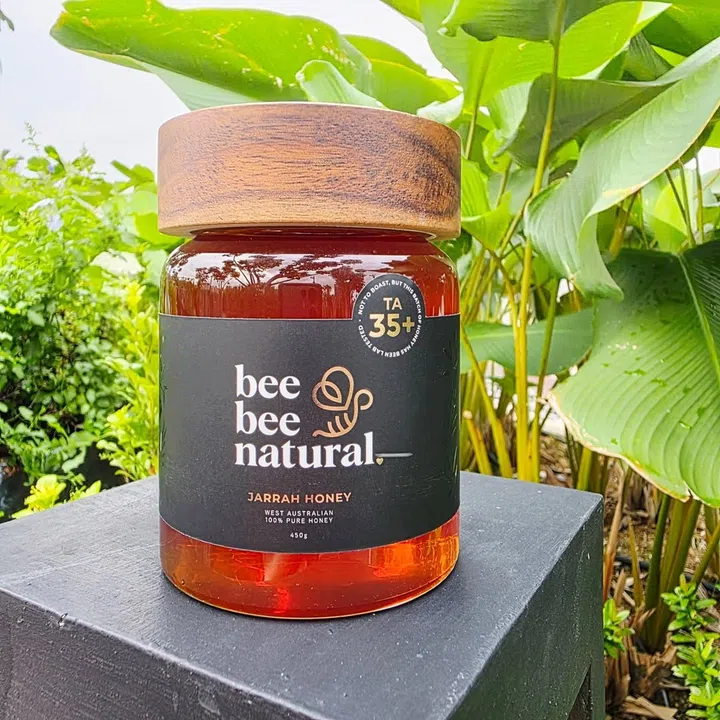
But this isn’t a run-of-the-mill squeeze bottle of honey that Chow buys off the shelves at the store. In fact, the Singaporean, who has been based in Perth, Western Australia, for 20 years, is the founder of Bee Bee Natural, a boutique honey operation that produces rare speciality types, such as Jarrah and Red Gum honey.
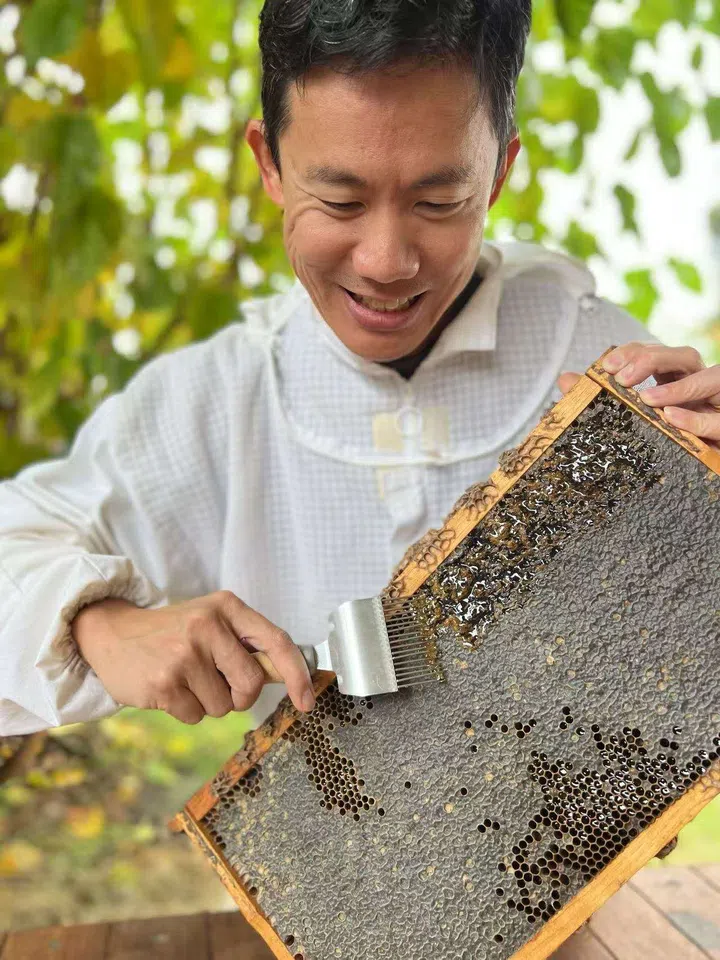
Chow didn’t exactly grow up slathering toast with honey for breakfast. In fact, honey wasn’t really a part of his diet until later in life. However, the 44-year-old always carried a romanticised notion of honey, thanks to the Chinese wuxia epic Return of the Condor Heroes, where the heroine Xiao Long Nu used honey as an antidote to cure herself after being poisoned.
It’s no surprise then that, when Chow first explored the idea of beekeeping, he had a simple, beautiful thought: “If I could keep bees, I could have unlimited honey.”
It was this romantic notion, combined with a slightly impulsive streak, that sparked Chow’s bee-keeping journey. Back then, Chow had completed his Computer Science degree at Curtin University in Perth and was working for a mining company.
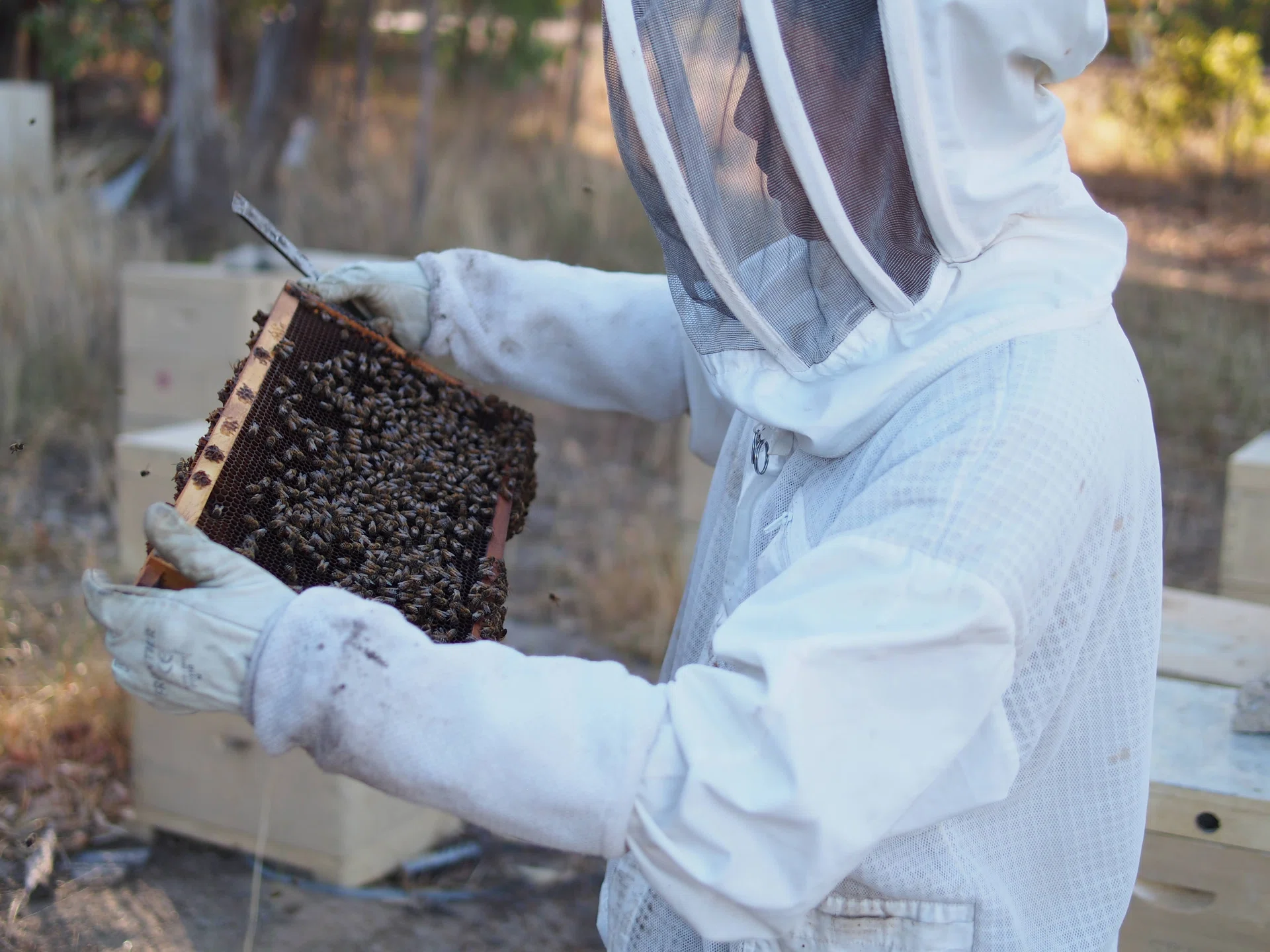
“I just bought the hives and the bees first, and figured I’d learn along the way,” says Chow with a laugh, as if setting up an entire ecosystem for bees is akin to assembling IKEA furniture without the manual.
The early days of Bee Bee Natural, which Chow established in 2015, were marked by numerous trials and even more errors. Chow had no background in agriculture or biology. But he did arm himself with books, the Internet, and conversations with fellow beekeepers.
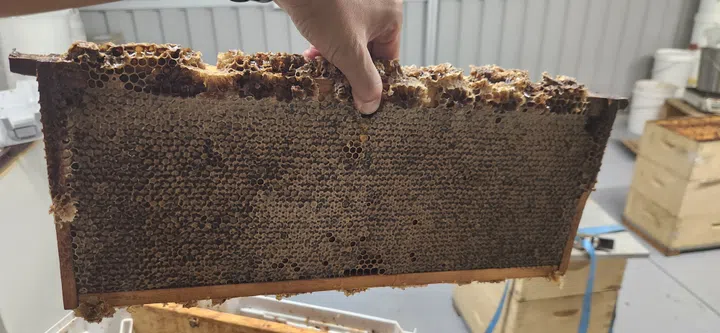
Chow shares the process of how bees make honey: “At the start, I didn’t even know how to extract honey. The usual process is that bees go out to collect nectar, bring it back to the hive, and then the nectar is processed in the bees’ stomachs, where enzymes are added. The end product is then stored in the comb. The bees then put a layer of wax over this, and there you have honey!”
He cringes slightly as he recalls his first boo-boo in the business: “Back then, I was too naive; I mistook nectar for honey, and I even presented the first honeycomb with nectar to a friend, proclaiming that it was honey!”
Fast-forward 10 years to today, and Chow is a seasoned bee-keeper with a lot of heart. Unlike some beekeepers who feed their bees sugar syrup in place of honey, Chow makes sure he takes just enough honey from their hives and leaves the bees plenty to survive on during the cold, winter months. He is also adamant about not using chemicals on the hives to fight off mites.
In fact, Chow’s first-ever bee sting wasn’t by accident; he had never been stung from the start of his bee-keeping journey and was wondering what it felt like. So, in what could have been a scientifically unsound experiment, he and a friend trapped a bee in a plastic bag and goaded it into stinging Chow.
“It took 30 minutes to get the bee agitated enough to sting me. The poor bee; I felt awful for it after that!”
Chasing Jarrah Tree Flowers
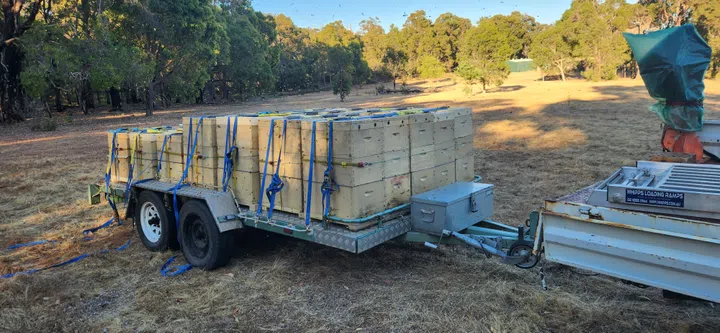
While Chow has given up on chasing down a bee to sting him, he hasn’t given up chasing the flower — a term used in bee-keeping for following the flowering seasons with their bees — with his bees.
In the summer, Chow takes his bees to a patch of forest where Jarrah trees’ flowers grow. Unlike Manuka shrubs, which are resilient to harsh conditions and flower once a year, Jarrah trees are a bit more sensitive.
Chow shares: “For Jarrah trees to flower well, the temperature has to be warm enough for a certain period. For instance, the temperature must be approximately 25 deg C for three days. And Jarrah trees only flower once in two years, for about four to six weeks, maybe seven weeks if we are lucky.”
Considering how much harder it is to produce Jarrah honey, Chow is serious about quality. So serious that he sends his honey off to labs to test for “TA” — short for Total Activity, a measure of the honey’s antibacterial strength.
The higher the TA score, the greater the antimicrobial strength. The lab process involves applying honey to a bacterial culture and watching how far it spreads to kill bacteria. Think of it like a microbial Fight Club.
Regulations determine that the maximum TA that can be advertised on commercial honey is TA35, even if the actual rating is higher. Chow’s 2022 Jarrah honey? Lab-certified at TA 63.
“That’s medical grade. You can actually use it on wounds; take it when you have sore throats,” shares Chow. How can consumers verify this? Ask questions. Even better if you can get in touch with the bee-keeper to chat. Ask about chemicals, about supplemental feeding, about antibiotics, and about wild bee viruses like American Foulbrood.
For the honey connoisseur, there’s always the debate: Jarrah or Manuka?
“Manuka’s more intense. Jarrah’s smoother, pairs better with food — coffee, pancakes, whatever. Plus, it’s antimicrobial — not just antibacterial like Manuka,” shares Chow.
And it’s rarer. Jarrah trees only flower every two years. They need particular conditions — around 25 deg C for three consecutive days, and not too many competing flowers nearby, so the bees aren’t tempted to stray.
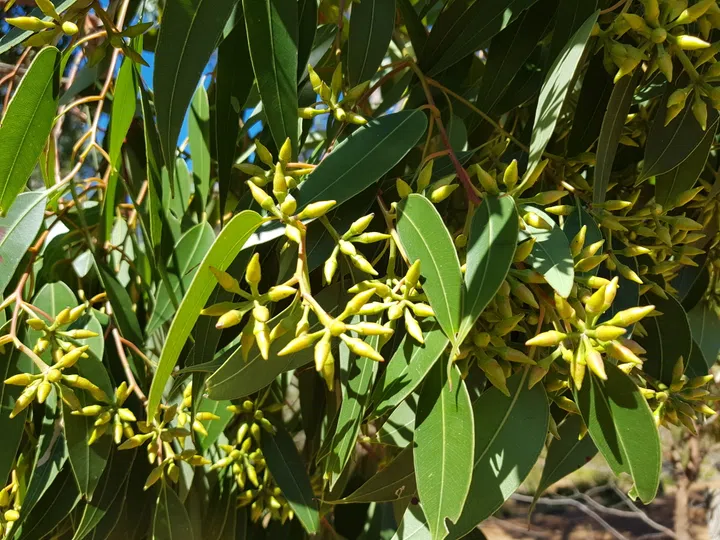
The result? A darker, caramel-like honey with a higher fructose content, lower glycemic index (GI), and fewer guilty pangs per spoonful.
Jarrah isn’t the only tree on Chris’s radar. The Red Gum tree starts blooming right as Jarrah wraps up, giving rise to what he affectionately calls “Late Jarrah” — a happy honey blend that marries the best of both trees.
“People think making honey is like making whisky. But the bees do the work. We just bring them to the trees and stay out of their way.”
Chow mainly produces four types of honey at Bee Bee Natural — two kinds of Jarrah honey (a rare Jarrah that is made purely from the Jarrah trees; a late-harvest Jarrah that has a subtle infusion of Red Gum, thanks to the natural overlap of Jarrah and Red Gum trees in the twilight season), a Red Gum honey, and a Multi-Floral honey. Bee Bee Natural produces between 1,000 and 1,600 bottles each year.
What keeps Chris going — through stings, failed harvests, and bee diseases — is his hope that more people will see honey for what it is: a natural, nutrient-rich alternative to processed sugar.
“It’s a whole food. It’s sweet, sure. But your body knows what to do with it.”
To this day, Chow and his wife still keep the first two jars of honey they ever harvested. Untouched. Pristine.
“In parts of China, there’s this tradition where families make a wine for their daughter when she’s born, and age it until she gets married to present it as a gift on her wedding day. I like that idea. Honey never spoils. So, it would be meaningful to gift it to our two daughters on their wedding day.”