%22%3E%0A%3Cpath%20d%3D%22M412%20101.2H393.7C393.1%20101.2%20392.3%20100.9%20391.8%20100.5C377.3%2087.6004%20362.9%2074.6004%20348.4%2061.6004C344.8%2058.4004%20341.3%2055.2004%20337.7%2052.0004C337.1%2051.5004%20336.2%2051.1004%20335.5%2051.0004C334.2%2050.8004%20333%2051.0004%20331.5%2051.0004V101.1H316.7V0.100391H331.4V44.3004C331.9%2044.3004%20332.2%2044.4004%20332.5%2044.4004C334.9%2044.4004%20337.2%2044.5004%20339.6%2044.4004C340.4%2044.4004%20341.3%2044.0004%20341.8%2043.5004C351.6%2034.4004%20361.4%2025.2004%20371.1%2016.0004C376.5%2010.9004%20381.9%205.90039%20387.3%200.800391C387.9%200.200391%20388.5%200.000390626%20389.3%200.000390626H400.9C384.2%2015.8004%20367.8%2031.3004%20351.2%2047.0004C371.5%2065.0004%20391.8%2082.9004%20412.1%20100.9C412.1%20101%20412.1%20101.1%20412%20101.2ZM180.9%20101.2C184.1%2094.9004%20187.2%2088.9004%20190.3%2082.8004C198.3%2067.3004%20206.2%2051.8004%20214.2%2036.2004C220.3%2024.4004%20226.4%2012.5004%20232.4%200.700391C232.7%200.100391%20233%20-0.0996094%20233.7%20-0.0996094H248.1C248.8%20-0.0996094%20249.2%200.100391%20249.6%200.800391C256%2013.3004%20262.4%2025.7004%20268.8%2038.2004C279.3%2058.6004%20289.8%2079.0004%20300.3%2099.5004C300.5%20100%20300.8%20100.4%20301.1%20101.1C300.5%20101.1%20300.1%20101.2%20299.7%20101.2H286.5C285.6%20101.2%20285.1%20100.9%20284.7%20100.2C280.1%2091.3004%20275.4%2082.4004%20270.8%2073.4004C270.1%2072.1004%20269.3%2071.6004%20267.8%2071.6004H209.9C208.7%2071.6004%20208.1%2072.0004%20207.5%2073.1004C202.9%2082.1004%20198.2%2091.0004%20193.6%20100C193.1%20101%20192.6%20101.3%20191.5%20101.3C188.4%20101.2%20185.3%20101.3%20182.3%20101.3C182%20101.2%20181.6%20101.2%20180.9%20101.2ZM239.1%2011.4004C230%2029.2004%20221.1%2046.7004%20212.1%2064.3004H266.4C257.2%2046.7004%20248.2%2029.2004%20239.1%2011.4004ZM0%200.000390626H43.4C51.2%200.000390626%2058.7%201.20039%2065.7%204.80039C75.9%2010.0004%2078.9%2018.0004%2078.6%2027.4004C78.3%2034.3004%2076%2040.5004%2071.2%2045.5004C67.3%2049.6004%2062.4%2052.3004%2057.1%2054.3004C50.6%2056.7004%2043.9%2058.0004%2037.1%2058.6004C30.1%2059.2004%2023.1%2059.4004%2016.2%2059.7004C15.8%2059.7004%2015.3%2059.8004%2014.8%2059.8004V101.1H0.1C0%2067.4004%200%2033.8004%200%200.000390626ZM14.8%207.10039V52.2004C23.7%2052.4004%2032.6%2052.3004%2041.2%2050.1004C44.4%2049.3004%2047.6%2048.2004%2050.6%2046.7004C58.4%2043.0004%2062.3%2036.7004%2062.7%2028.0004C63%2019.9004%2059.5%2014.1004%2052.4%2010.5004C47.6%208.00039%2042.5%207.10039%2037.2%207.10039H14.8ZM95.9%20101.1V0.100391H167.3V7.20039H110.7V44.7004H158.1V51.9004H110.8V93.9004H171.1V101C146.1%20101.1%20121%20101.1%2095.9%20101.1Z%22%20fill%3D%22black%22%2F%3E%0A%3Cpath%20d%3D%22M35.0004%2025.7996H42.5004V20.6996H44.8004V33.1996H42.6004V27.5996H34.9004V33.2996H32.7004V20.7996H35.0004V25.7996ZM54.4004%2025.8996V27.2996H48.9004V31.6996H55.9004C55.9004%2032.1996%2056.0004%2032.5996%2056.0004%2033.0996H46.5004V20.5996H55.5004V21.8996H49.0004V25.7996C50.7004%2025.8996%2052.5004%2025.8996%2054.4004%2025.8996ZM25.9004%2033.0996H23.5004V21.9996H17.9004V20.6996H31.6004V22.0996H27.1004C26.2004%2022.0996%2025.9004%2022.2996%2025.9004%2023.1996C26.0004%2026.0996%2025.9004%2028.9996%2025.9004%2031.7996V33.0996Z%22%20fill%3D%22black%22%2F%3E%0A%3C%2Fg%3E%0A%3Cdefs%3E%0A%3CclipPath%20id%3D%22clip0_388_462%22%3E%0A%3Crect%20width%3D%22411%22%20height%3D%22101.2%22%20fill%3D%22white%22%2F%3E%0A%3C%2FclipPath%3E%0A%3C%2Fdefs%3E%0A%3C%2Fsvg%3E%0A)
From bean to brew: Why some Singapore coffee brands are roasting locally
With better-informed drinkers and a growing speciality scene, Singapore’s coffee roasteries explain why local roasting remains central to quality and connection.
By Zawani Abdul Ghani /
Share this article
Singapore’s fascination with coffee has long transcended the morning cuppa ritual. As a global trade hub with efficient port and logistics infrastructure, the city-state imports thousands of shipments of coffee beans each year, sourced from Indonesia, Brazil, Vietnam, and beyond, to meet the demand of roasters, cafes, and everyday drinkers alike.
In 2024 alone, Singapore reported over 10,000 coffee bean import shipments involving more than 300 buyers — a reflection of both commercial necessity and the diversity of sourcing needs across the industry.
Within this broader commerce, the coffee market itself has been gaining momentum. Valued at nearly US$30 million (approx. $40.5 million) in 2024, the local coffee sector is projected to grow at a compound annual rate north of eight per cent through the next decade, buoyed by evolving tastes and a burgeoning speciality coffee culture.
Meanwhile, speciality coffee establishments — from third-wave cafes to artisanal brewers — have spiked in number, with some reports indicating a 20 per cent year-on-year increase in recent periods as consumers pursue nuanced flavour profiles and origin-focused cups.
This rise in appreciation is part of a broader shift in Singapore’s coffee habits. While traditional kopitiams remain ubiquitous — with thousands of outlets serving classic kopi and kopi-O across the island — an ever-larger segment of drinkers now seeks out single-origin beans, precision roasting, and craft brewing methods that foreground the bean’s terroir and the roaster’s hand.

Against this backdrop, local roasteries such as Zero Coffee, Nylon Coffee, and Spilled Roaster & Brews are doing more than just supplying beans. They are crafting distinct identities — grounded in sourcing philosophies, roasting styles, and community engagement — that reflect both the diversity of global coffee and the evolving palate of Singapore’s coffee drinkers.
As the industry continues to mature post-pandemic, their stories reveal why roasting locally isn’t merely a business choice, but a statement of craft, community, and curated flavour.
Why roast here, at all?
In a city as logistically efficient as Singapore, importing roasted coffee beans would seem like the obvious choice. The infrastructure is in place, overseas roasters are competitive on price, and freshly roasted beans can land on local shelves within days.
Yet, for a growing number of Singaporean roasters, roasting locally remains a deliberate — and often demanding — decision.
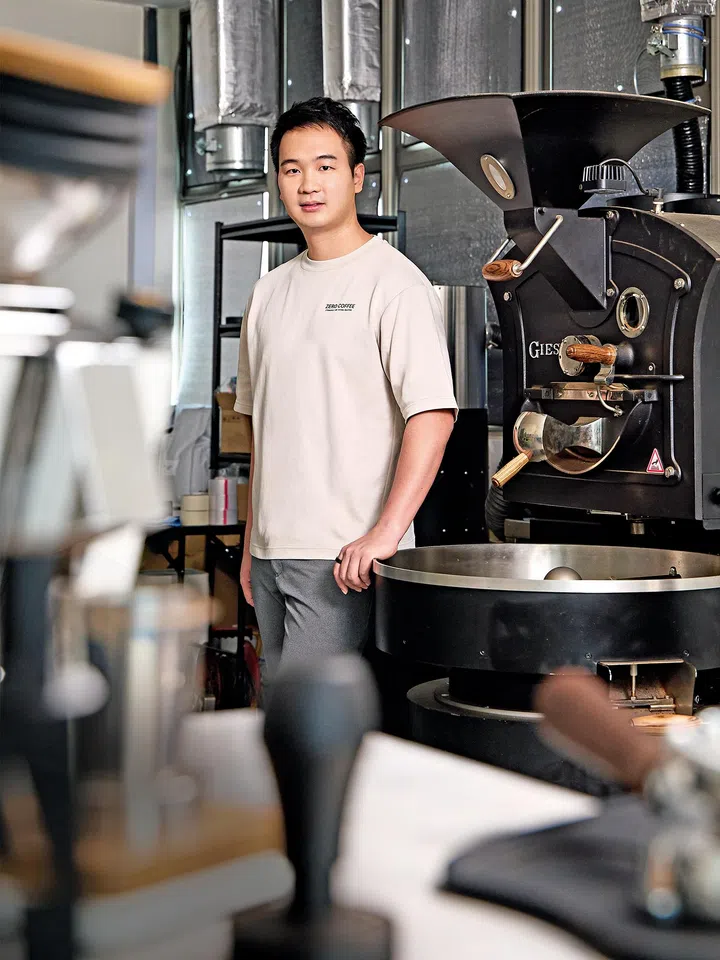
“Coffee is ultimately a food product,” says Ethan Ng, co-founder of Zero Coffee. “With more consumers being conscious about freshness, processing it in-house and delivering right after roast maximises the taste potential of the coffee, compared to outsourced beans that may sit on shelves for weeks.”
Freshness is the most visible reason. But speak to roasters across different scales — from industrial facilities to neighbourhood cafes and even home-based micro-roasteries — and a deeper motivation emerges.
Local roasting isn’t just about controlling flavour; it’s about proximity: to the bean, to the drinker, and to the feedback loop that shapes every subsequent roast.
Roasting as responsibility
For Dennis Tang and his wife, Jia Min, of Nylon Coffee, roasting locally was never about convenience. It was about accountability.
“Roasting locally meant we could take responsibility for the full journey from green coffee to cup,” Tang explains. “Instead of buying a finished product, we could respond quickly to how our coffees taste on our bar, and roast in a way that reflects how our customers actually brew and drink them.”
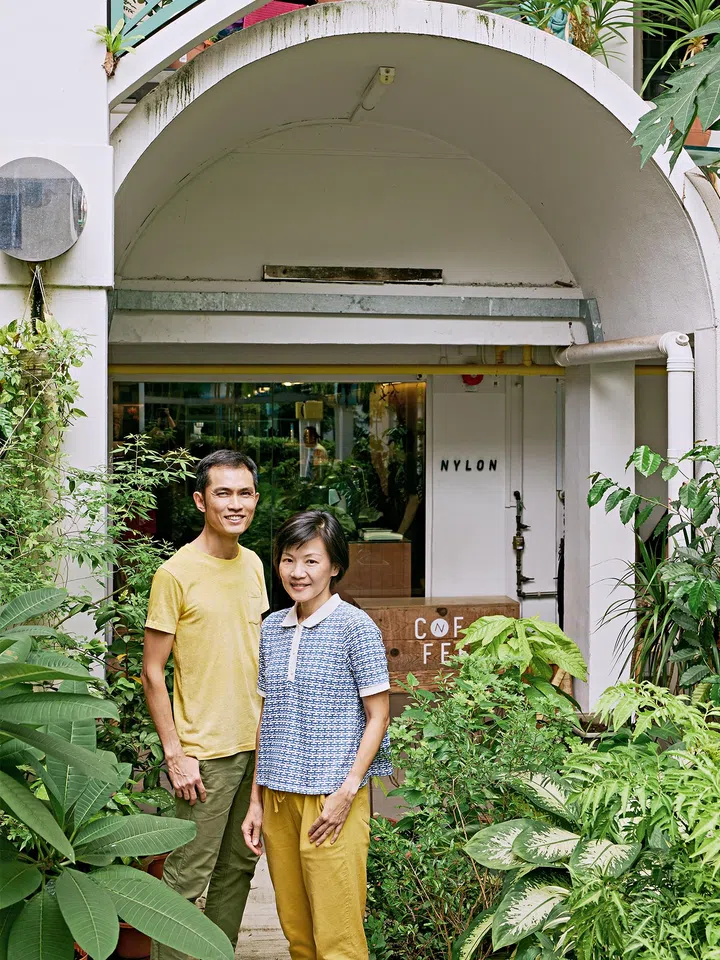
That responsibility shows up in ways most drinkers never see. “If we misjudge the timing by just a few seconds, or the temperature goes off by 0.5 deg C, the whole batch might not pass quality control,” Tang says. “A lot of the work is repetitive and unglamorous — logging data, cupping the same coffee over and over — so the cup tastes ‘normal’ every day.”
At Zero Coffee, responsibility takes on a more operational form. Running a high-volume roastery supplying both direct consumers and cafes means constantly balancing quality with commercial realities.
“We’re hyper-focused on our craft while using volume to achieve pricing advantage,” Ng says. “We want to survive as a business, but we also want the cafes we supply to succeed. That balance is always tough.”
Roasting locally makes that balance more achievable. Speed of fulfilment, consistency, and service become advantages that imported roasted beans struggle to match.
“I understand that overseas players can undercut us on price,” Ng adds. “So we have to differentiate through quality and service, while staying competitive.”

In different ways, both roasteries frame local roasting not as an aesthetic choice, but as a responsibility — to customers, partners, and the long-term viability of the business.
Closing the loop, one cup at a time
If responsibility is the philosophy, proximity is the mechanism. Being physically close to both the roasting process and the end consumer creates a tight feedback loop — one that shapes flavour decisions in real time.
“We taste our coffees constantly in the same environment as our guests,” Tang says. “And we adjust profiles in small steps rather than big seasonal jumps. That ongoing loop helps us maintain consistency even as individual coffees change.”
That proximity matters in Singapore’s specific context — from humidity and storage conditions to water composition and brewing habits. “Being a local roaster helps because we’re tasting and adjusting in the same climate and context as our customers,” Tang adds. “That keeps us grounded.”
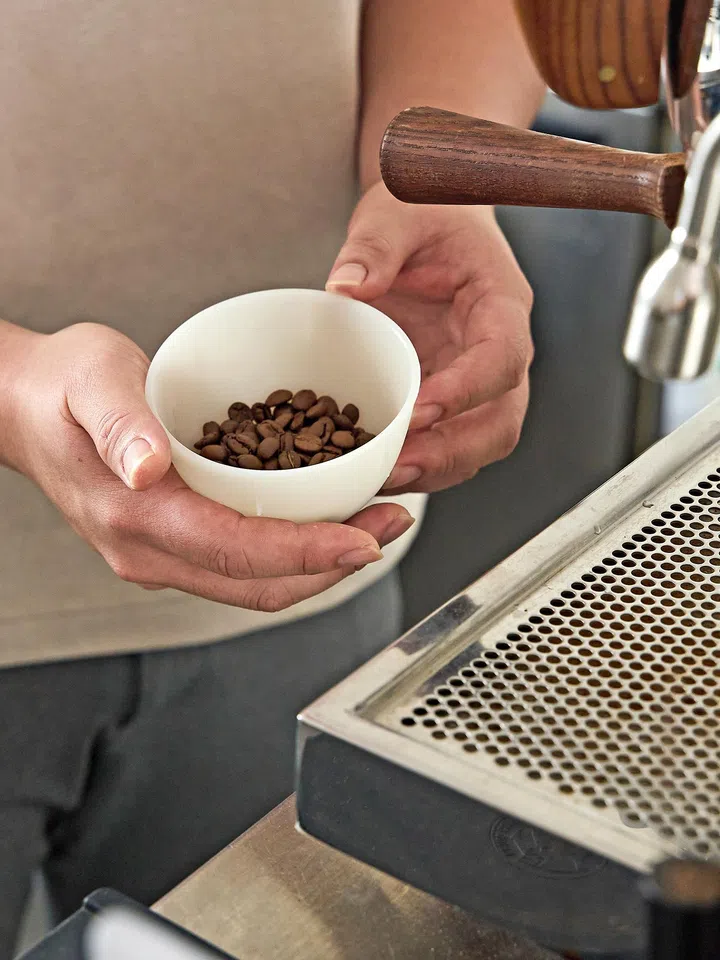
At Zero Coffee, the loop closes through scale rather than intimacy. Volume allows patterns to emerge — what customers reorder, what cafes can dial in easily, and what performs reliably across different setups.
“It’s hard to make a specific roast profile for everybody,” Ng says. “So we focus on a profile that works for most people, while keeping quality consistent.”
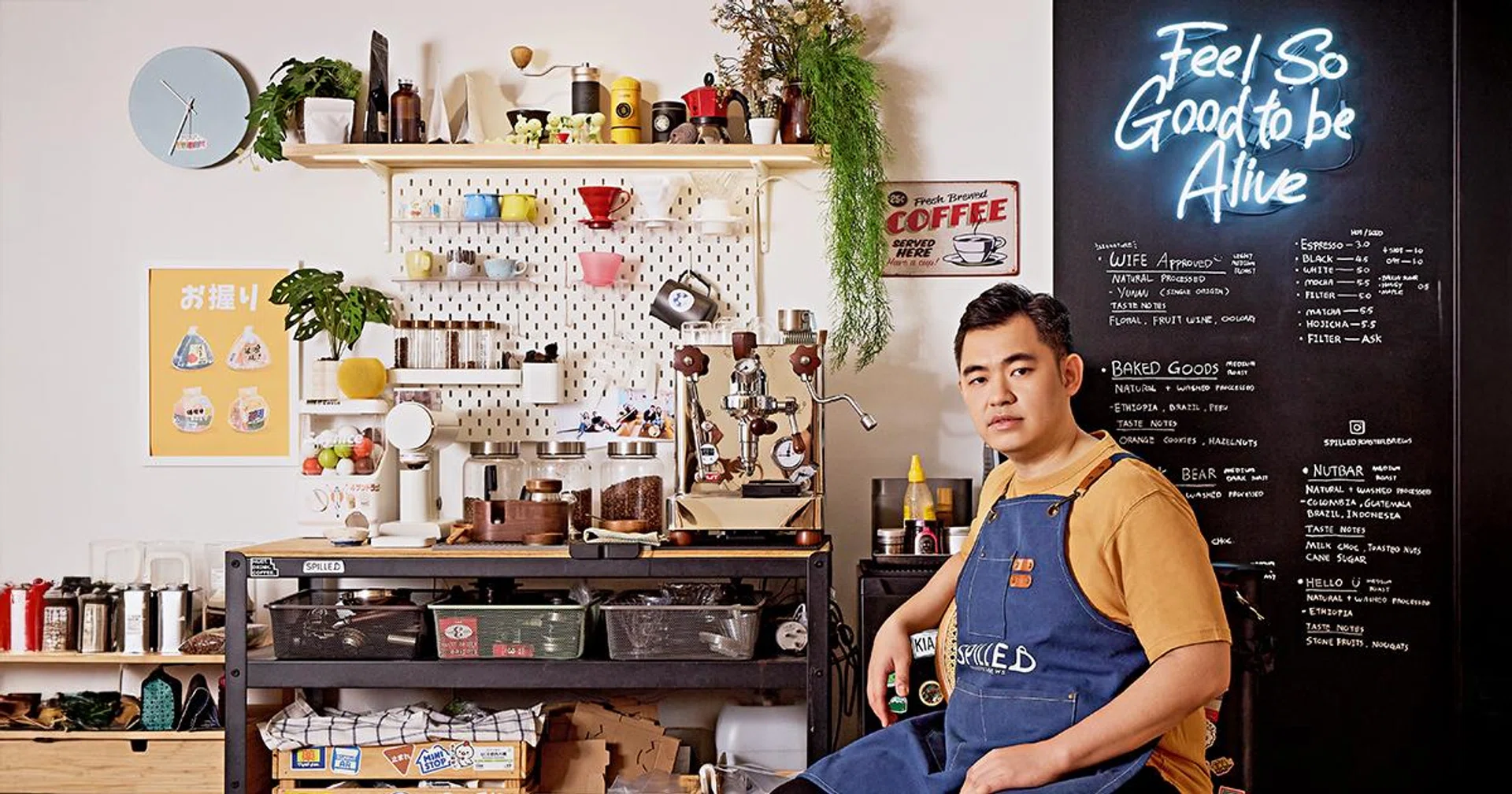
At the smallest scale, the loop becomes even more immediate. Spilled Roaster & Brews, a home-based micro-roastery run out of an HDB flat in Tampines, operates almost entirely on direct interaction.
“From the beginning, I was extremely conscious about smoke and smell being a disturbance to neighbours,” says founder Delun Chen. “That’s one of the reasons I rarely do darker roasts.”
What began as a practical limitation gradually became a defining style. “Over time, it turned into my preferred roasting approach,” Chen says. “Exploring profiles that work for both filter and espresso, without going darker than I need.”
Roasting in small batches also forces selectivity. “It made me more intentional about what I serve each week,” he adds. “I rotate beans weekly to keep things fresh and interesting.”
For Chen, the feedback loop is deeply personal. “When I see returning customers week after week and hear their stories, I build a small mental library of how people choose their drinks,” he says. “That helps me give better recommendations to new customers.”
Why local still matters
That ability to listen, adjust, and respond has taken on greater weight in recent years. As more Singaporeans began brewing coffee at home, the distance between roaster and drinker narrowed further.
What was once the domain of cafes increasingly moved into kitchens and home offices, turning casual drinkers into more attentive ones — people who noticed freshness, flavour shifts, and origin in ways they might not have before.
“Post-pandemic, a lot of people have their own coffee setups,” Ng observes. “We see customers who are especially passionate about getting good coffee.”
Tang has noticed the same shift. “Many people started brewing at home during the lockdown and invested in gear,” he says. “They now come into the cafe with a clearer sense of what they like — roast style, origins, processing, even water.”
That education raised expectations, but it also shifted priorities. Drinkers weren’t just chasing novelty or trending origins; they wanted reliability, transparency, and guidance.
“People still want an excellent flat white or filter (coffee),” Tang adds. “But they expect it to be repeatable, and delivered in a way that feels unpretentious and human.”
This evolution softened the edges of speciality coffee altogether. “Coffee can sometimes feel elitist and snobbish,” Chen says. “I want my brewing and bean selections to feel casual. It’s okay to enjoy what you like.”
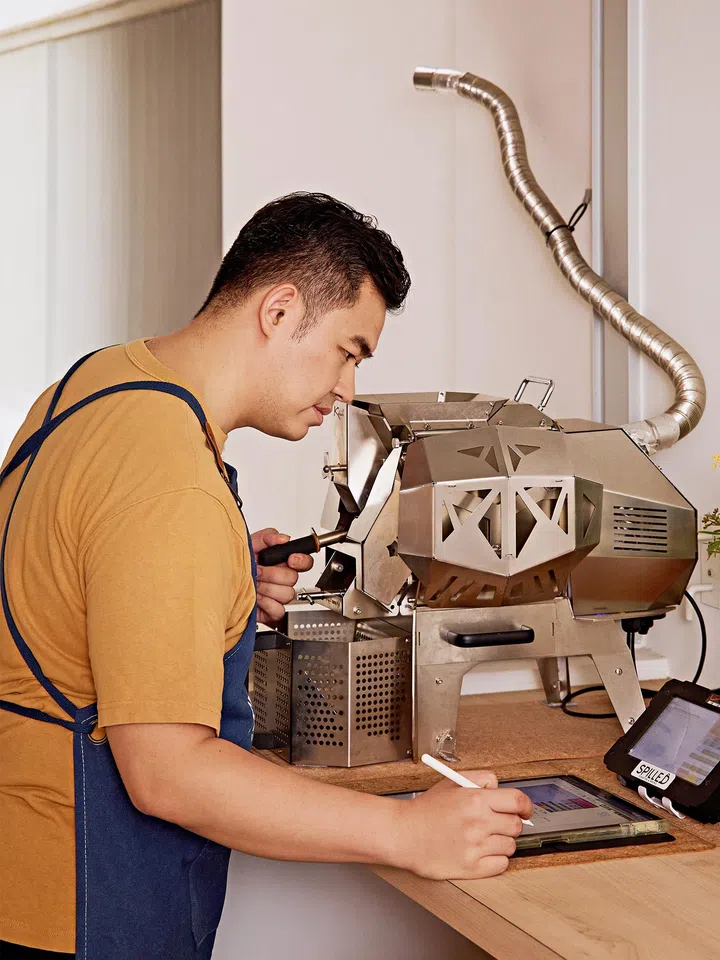
Even the name Spilled reflects that ethos. “A mistake,” he laughs, “but let’s not fuss too much about it.”
In a market where importing roasted coffee would be easier, cheaper, and less risky, these roasteries persist not because they have to — but because roasting locally keeps them responsive.
For some, staying local is about consistency and long-term accountability. For others, it’s about access, pricing, and keeping cafes afloat. And for a few, it’s as simple as knowing the people on the other side of the counter.
“Customers turning into friends,” Chen says. “That’s success to me.”