%22%3E%0A%3Cpath%20d%3D%22M412%20101.2H393.7C393.1%20101.2%20392.3%20100.9%20391.8%20100.5C377.3%2087.6004%20362.9%2074.6004%20348.4%2061.6004C344.8%2058.4004%20341.3%2055.2004%20337.7%2052.0004C337.1%2051.5004%20336.2%2051.1004%20335.5%2051.0004C334.2%2050.8004%20333%2051.0004%20331.5%2051.0004V101.1H316.7V0.100391H331.4V44.3004C331.9%2044.3004%20332.2%2044.4004%20332.5%2044.4004C334.9%2044.4004%20337.2%2044.5004%20339.6%2044.4004C340.4%2044.4004%20341.3%2044.0004%20341.8%2043.5004C351.6%2034.4004%20361.4%2025.2004%20371.1%2016.0004C376.5%2010.9004%20381.9%205.90039%20387.3%200.800391C387.9%200.200391%20388.5%200.000390626%20389.3%200.000390626H400.9C384.2%2015.8004%20367.8%2031.3004%20351.2%2047.0004C371.5%2065.0004%20391.8%2082.9004%20412.1%20100.9C412.1%20101%20412.1%20101.1%20412%20101.2ZM180.9%20101.2C184.1%2094.9004%20187.2%2088.9004%20190.3%2082.8004C198.3%2067.3004%20206.2%2051.8004%20214.2%2036.2004C220.3%2024.4004%20226.4%2012.5004%20232.4%200.700391C232.7%200.100391%20233%20-0.0996094%20233.7%20-0.0996094H248.1C248.8%20-0.0996094%20249.2%200.100391%20249.6%200.800391C256%2013.3004%20262.4%2025.7004%20268.8%2038.2004C279.3%2058.6004%20289.8%2079.0004%20300.3%2099.5004C300.5%20100%20300.8%20100.4%20301.1%20101.1C300.5%20101.1%20300.1%20101.2%20299.7%20101.2H286.5C285.6%20101.2%20285.1%20100.9%20284.7%20100.2C280.1%2091.3004%20275.4%2082.4004%20270.8%2073.4004C270.1%2072.1004%20269.3%2071.6004%20267.8%2071.6004H209.9C208.7%2071.6004%20208.1%2072.0004%20207.5%2073.1004C202.9%2082.1004%20198.2%2091.0004%20193.6%20100C193.1%20101%20192.6%20101.3%20191.5%20101.3C188.4%20101.2%20185.3%20101.3%20182.3%20101.3C182%20101.2%20181.6%20101.2%20180.9%20101.2ZM239.1%2011.4004C230%2029.2004%20221.1%2046.7004%20212.1%2064.3004H266.4C257.2%2046.7004%20248.2%2029.2004%20239.1%2011.4004ZM0%200.000390626H43.4C51.2%200.000390626%2058.7%201.20039%2065.7%204.80039C75.9%2010.0004%2078.9%2018.0004%2078.6%2027.4004C78.3%2034.3004%2076%2040.5004%2071.2%2045.5004C67.3%2049.6004%2062.4%2052.3004%2057.1%2054.3004C50.6%2056.7004%2043.9%2058.0004%2037.1%2058.6004C30.1%2059.2004%2023.1%2059.4004%2016.2%2059.7004C15.8%2059.7004%2015.3%2059.8004%2014.8%2059.8004V101.1H0.1C0%2067.4004%200%2033.8004%200%200.000390626ZM14.8%207.10039V52.2004C23.7%2052.4004%2032.6%2052.3004%2041.2%2050.1004C44.4%2049.3004%2047.6%2048.2004%2050.6%2046.7004C58.4%2043.0004%2062.3%2036.7004%2062.7%2028.0004C63%2019.9004%2059.5%2014.1004%2052.4%2010.5004C47.6%208.00039%2042.5%207.10039%2037.2%207.10039H14.8ZM95.9%20101.1V0.100391H167.3V7.20039H110.7V44.7004H158.1V51.9004H110.8V93.9004H171.1V101C146.1%20101.1%20121%20101.1%2095.9%20101.1Z%22%20fill%3D%22black%22%2F%3E%0A%3Cpath%20d%3D%22M35.0004%2025.7996H42.5004V20.6996H44.8004V33.1996H42.6004V27.5996H34.9004V33.2996H32.7004V20.7996H35.0004V25.7996ZM54.4004%2025.8996V27.2996H48.9004V31.6996H55.9004C55.9004%2032.1996%2056.0004%2032.5996%2056.0004%2033.0996H46.5004V20.5996H55.5004V21.8996H49.0004V25.7996C50.7004%2025.8996%2052.5004%2025.8996%2054.4004%2025.8996ZM25.9004%2033.0996H23.5004V21.9996H17.9004V20.6996H31.6004V22.0996H27.1004C26.2004%2022.0996%2025.9004%2022.2996%2025.9004%2023.1996C26.0004%2026.0996%2025.9004%2028.9996%2025.9004%2031.7996V33.0996Z%22%20fill%3D%22black%22%2F%3E%0A%3C%2Fg%3E%0A%3Cdefs%3E%0A%3CclipPath%20id%3D%22clip0_388_462%22%3E%0A%3Crect%20width%3D%22411%22%20height%3D%22101.2%22%20fill%3D%22white%22%2F%3E%0A%3C%2FclipPath%3E%0A%3C%2Fdefs%3E%0A%3C%2Fsvg%3E%0A)
Lookback 2025: Sowing a new Mustard Seed
The past year saw chef Gan Ming Kiat planting new roots with a revamp of his six-year-old mod-Sin restaurant.
By Annette Tan & Ben Chin /
Share this article
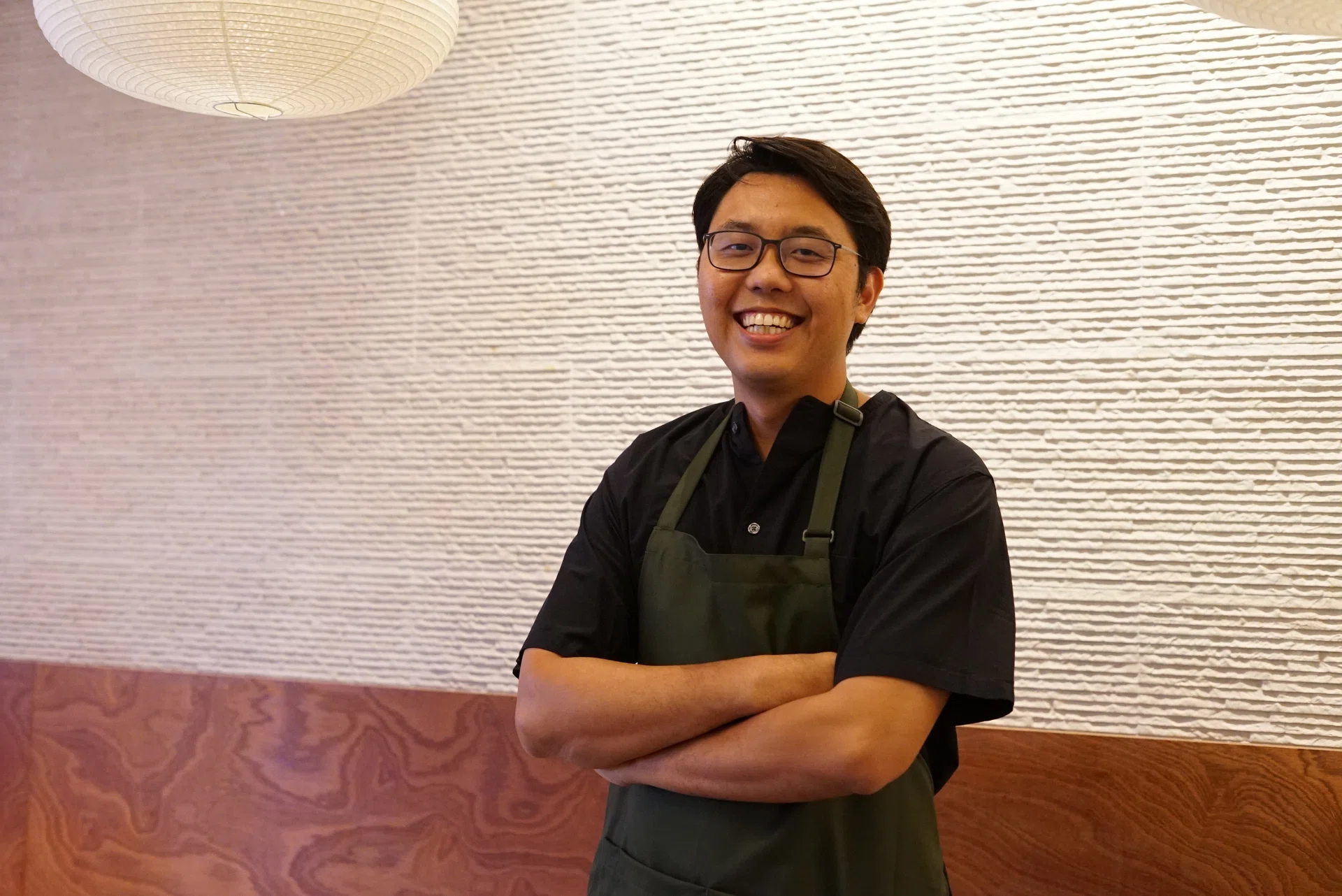
Change at chef Gan Ming Kiat’s well-loved Mod-Sin restaurant Mustard Seed had been imminent for several years now. “It’d been on my mind for a long time,” he explains.
“The old version of Mustard Seed felt sterile in a sense. It felt like 100 per cent of the focus was on the food and on us,” he says, referring to the Serangoon Gardens restaurant’s previous layout anchored by a 13-seat counter behind which he and his wife Shin Yin worked.
“I thought it defeated the whole purpose of what dining out means to me, which is spending quality time with the people you love. The food should just be a facilitator.”
Without deep-pocketed investors, however, the counter design and regimented dining time (guests had to show up by 7pm before the tasting menu would be served) were simply what the Gans could afford. “So, when we first started, it was really just creating the most efficient way to run a restaurant.”
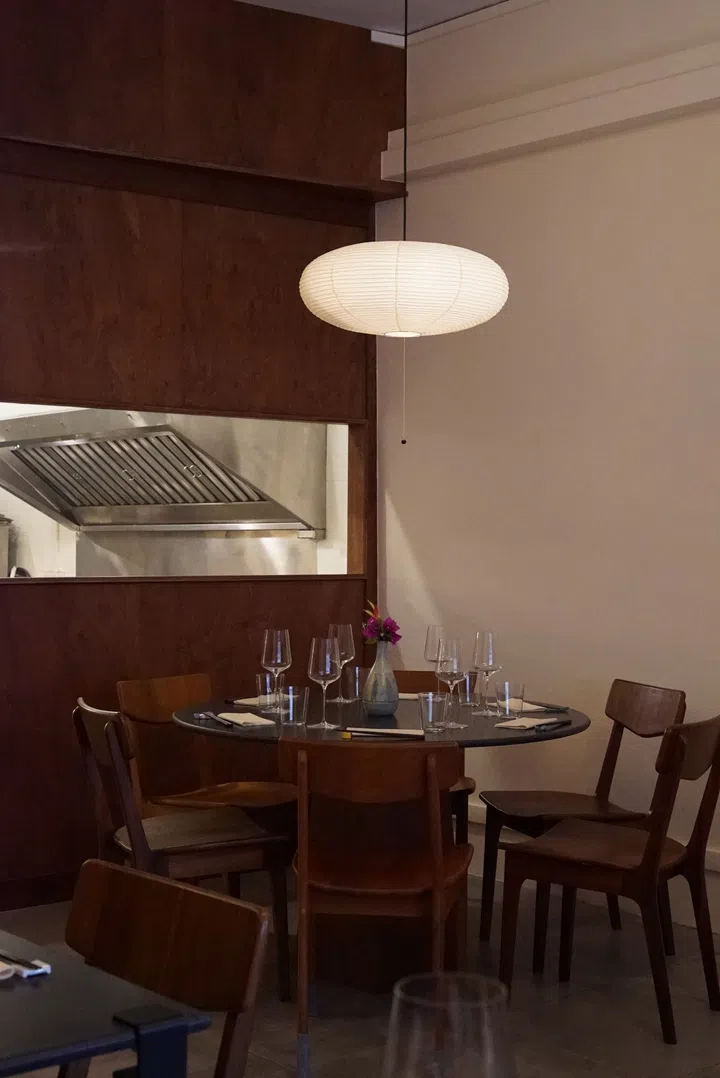
Earlier this year, Gan finally felt confident enough to plunge into the next step since the restaurant opened in 2019: rescaling Mustard Seed to put the diner’s needs above the team’s. The cosier layout now features table seating and quieter nooks that accommodate up to 23 guests, allowing them to dine at their own time and pace.
Last year, the Gans also welcomed chef Desmond Shen as a new partner. Shen made his name at restaurant incubator Magic Square and later at his private dining outfit, Alter Native.
He has brought his own influences, gleaned from his childhood with Indian godparents and work experience in Peru, giving Mustard Seed’s mod-Sin cuisine a fresh spin and a broader creative vocabulary.
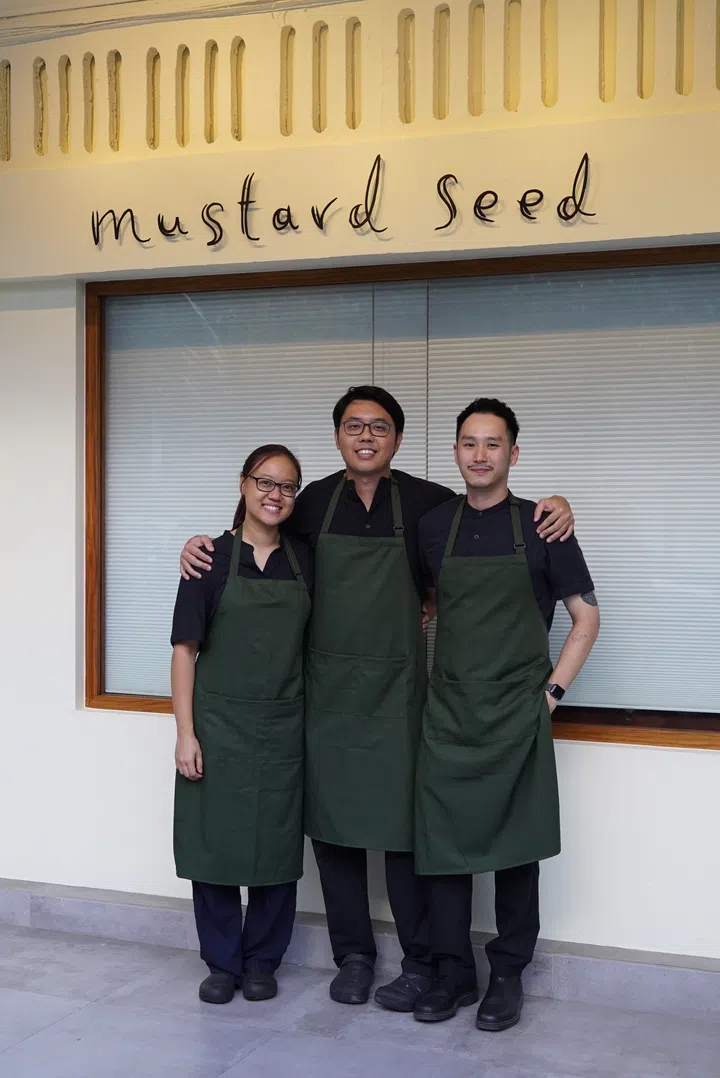
Mustard Seed’s revamp also came with reduced prices, from $238 to $188 per person. “One of the main reasons (for that) was that Shin Yin, Desmond and I are not people who are comfortable spending a lot of money dining out,” Gan explains.
“So, we wanted to serve food at a price point that all of us are comfortable with and also (with an eye) towards the longevity of the business.”
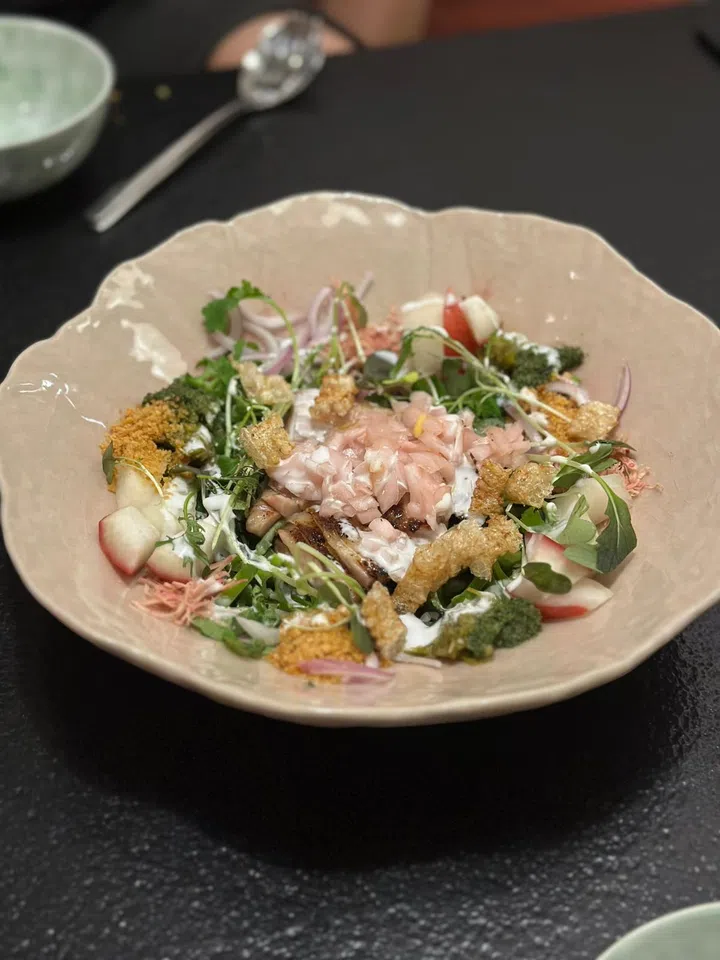
Despite 2025 being an uncertain year for restaurants, Mustard Seed hasn’t seen a dip in business. “We still fill every seat,” Gan says. “It’s not about chasing profits. It’s about building something that lasts.”
When asked what this year of transitions has taught him, Gan answers emphatically: “Just take it easy. When you have so many things to worry about, you suddenly realise that nothing is do or die. Everything is smaller than it seems, so no need to take things so seriously. Just don’t sweat the small stuff and have fun because whatever’s going to happen is going to happen.”
Next year’s plans are equally simple: “I just want to settle into a good rhythm and enjoy this new thing. On our back end, it’s been fun having a bigger team, and in the front (of house), seeing people enjoying the space the way we intended for them is fulfilling.”
2026 trend to watch
“You’ll see more of the big brands coming in, like chains from China and Japan. It’s the way the market is moving. But, there will still be small, independent places that stay true to who they are.”