%22%3E%0A%3Cpath%20d%3D%22M412%20101.2H393.7C393.1%20101.2%20392.3%20100.9%20391.8%20100.5C377.3%2087.6004%20362.9%2074.6004%20348.4%2061.6004C344.8%2058.4004%20341.3%2055.2004%20337.7%2052.0004C337.1%2051.5004%20336.2%2051.1004%20335.5%2051.0004C334.2%2050.8004%20333%2051.0004%20331.5%2051.0004V101.1H316.7V0.100391H331.4V44.3004C331.9%2044.3004%20332.2%2044.4004%20332.5%2044.4004C334.9%2044.4004%20337.2%2044.5004%20339.6%2044.4004C340.4%2044.4004%20341.3%2044.0004%20341.8%2043.5004C351.6%2034.4004%20361.4%2025.2004%20371.1%2016.0004C376.5%2010.9004%20381.9%205.90039%20387.3%200.800391C387.9%200.200391%20388.5%200.000390626%20389.3%200.000390626H400.9C384.2%2015.8004%20367.8%2031.3004%20351.2%2047.0004C371.5%2065.0004%20391.8%2082.9004%20412.1%20100.9C412.1%20101%20412.1%20101.1%20412%20101.2ZM180.9%20101.2C184.1%2094.9004%20187.2%2088.9004%20190.3%2082.8004C198.3%2067.3004%20206.2%2051.8004%20214.2%2036.2004C220.3%2024.4004%20226.4%2012.5004%20232.4%200.700391C232.7%200.100391%20233%20-0.0996094%20233.7%20-0.0996094H248.1C248.8%20-0.0996094%20249.2%200.100391%20249.6%200.800391C256%2013.3004%20262.4%2025.7004%20268.8%2038.2004C279.3%2058.6004%20289.8%2079.0004%20300.3%2099.5004C300.5%20100%20300.8%20100.4%20301.1%20101.1C300.5%20101.1%20300.1%20101.2%20299.7%20101.2H286.5C285.6%20101.2%20285.1%20100.9%20284.7%20100.2C280.1%2091.3004%20275.4%2082.4004%20270.8%2073.4004C270.1%2072.1004%20269.3%2071.6004%20267.8%2071.6004H209.9C208.7%2071.6004%20208.1%2072.0004%20207.5%2073.1004C202.9%2082.1004%20198.2%2091.0004%20193.6%20100C193.1%20101%20192.6%20101.3%20191.5%20101.3C188.4%20101.2%20185.3%20101.3%20182.3%20101.3C182%20101.2%20181.6%20101.2%20180.9%20101.2ZM239.1%2011.4004C230%2029.2004%20221.1%2046.7004%20212.1%2064.3004H266.4C257.2%2046.7004%20248.2%2029.2004%20239.1%2011.4004ZM0%200.000390626H43.4C51.2%200.000390626%2058.7%201.20039%2065.7%204.80039C75.9%2010.0004%2078.9%2018.0004%2078.6%2027.4004C78.3%2034.3004%2076%2040.5004%2071.2%2045.5004C67.3%2049.6004%2062.4%2052.3004%2057.1%2054.3004C50.6%2056.7004%2043.9%2058.0004%2037.1%2058.6004C30.1%2059.2004%2023.1%2059.4004%2016.2%2059.7004C15.8%2059.7004%2015.3%2059.8004%2014.8%2059.8004V101.1H0.1C0%2067.4004%200%2033.8004%200%200.000390626ZM14.8%207.10039V52.2004C23.7%2052.4004%2032.6%2052.3004%2041.2%2050.1004C44.4%2049.3004%2047.6%2048.2004%2050.6%2046.7004C58.4%2043.0004%2062.3%2036.7004%2062.7%2028.0004C63%2019.9004%2059.5%2014.1004%2052.4%2010.5004C47.6%208.00039%2042.5%207.10039%2037.2%207.10039H14.8ZM95.9%20101.1V0.100391H167.3V7.20039H110.7V44.7004H158.1V51.9004H110.8V93.9004H171.1V101C146.1%20101.1%20121%20101.1%2095.9%20101.1Z%22%20fill%3D%22black%22%2F%3E%0A%3Cpath%20d%3D%22M35.0004%2025.7996H42.5004V20.6996H44.8004V33.1996H42.6004V27.5996H34.9004V33.2996H32.7004V20.7996H35.0004V25.7996ZM54.4004%2025.8996V27.2996H48.9004V31.6996H55.9004C55.9004%2032.1996%2056.0004%2032.5996%2056.0004%2033.0996H46.5004V20.5996H55.5004V21.8996H49.0004V25.7996C50.7004%2025.8996%2052.5004%2025.8996%2054.4004%2025.8996ZM25.9004%2033.0996H23.5004V21.9996H17.9004V20.6996H31.6004V22.0996H27.1004C26.2004%2022.0996%2025.9004%2022.2996%2025.9004%2023.1996C26.0004%2026.0996%2025.9004%2028.9996%2025.9004%2031.7996V33.0996Z%22%20fill%3D%22black%22%2F%3E%0A%3C%2Fg%3E%0A%3Cdefs%3E%0A%3CclipPath%20id%3D%22clip0_388_462%22%3E%0A%3Crect%20width%3D%22411%22%20height%3D%22101.2%22%20fill%3D%22white%22%2F%3E%0A%3C%2FclipPath%3E%0A%3C%2Fdefs%3E%0A%3C%2Fsvg%3E%0A)
How Ningxia went from wine world outsider to China’s most celebrated wine region
Protected by the Helan Mountains and nourished by the Yellow River, Ningxia has quietly become the beating heart of Chinese winemaking. We travelled to the region to meet the pioneers who overcame doubt, defied convention, and helped put Chinese wine on the world stage.
By Aaron De Silva /
Share this article
Mention Ningxia to the average person, and you would probably be met with a blank stare. Mention Ningxia wines, and you might get an even more confused reaction. “China makes wine?” remains a surprisingly common refrain among casual drinkers.
Yet among serious oenophiles, the conversation is very different. Over the past decade, Ningxia has quietly earned a reputation for producing elegant, Bordeaux-style reds with structure, depth, and impressive ageing potential.
Today, the region is no longer merely knocking on the door of the international wine establishment — it is firmly inside the room. At the 2025 edition of the Decanter World Wine Awards 2025, wines from 57 countries were judged by 248 leading experts from 35 nations.
China walked away with 181 medals in total, with Ningxia emerging as the country’s standout performer. The region alone clinched 81 medals, including one coveted Best in Show award, one Platinum, five Golds, 31 Silvers, and 43 Bronzes.
Ningxia: The underdog
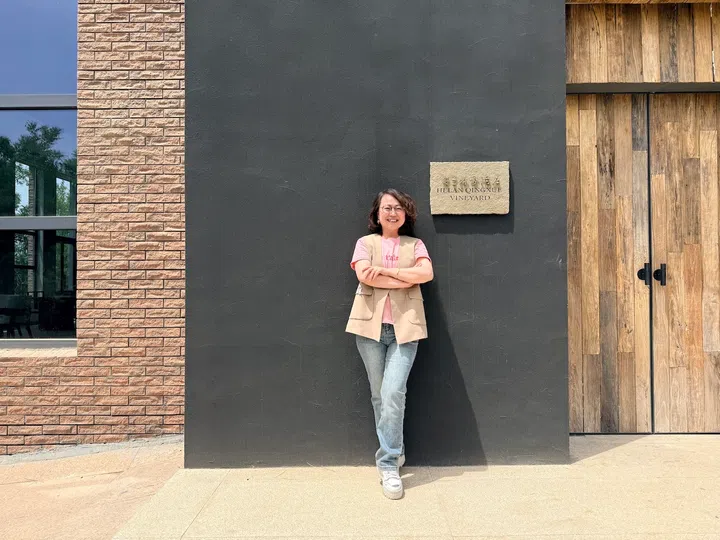
But two decades ago, the idea of a world-class grape wine from Ningxia would have seemed improbable to many in the global wine trade. Few understand that uphill battle better than Zhang Jing, co-founder and winemaker of Helan Qingxue.
Established in 2005 — at a time when Ningxia had only seven other wineries — Helan Qingxue began modestly with 10 ha of land. Today, the winery spans 23 ha and produces around 70,000 bottles annually. Yet, in those early years, even getting Ningxia recognised as a legitimate wine region proved difficult.
Zhang recalls trying to register for the Decanter awards in 2005, only to discover that Ningxia wasn't even listed as a recognised wine region on the competition form. Her consultant eventually had to contact the organisers directly to request that they add it.
“At the time, nobody knew anything about Ningxia,” she tells The Peak Singapore. “People had never even tasted wine from here before.”
The breakthrough came in 2011, when Helan Qingxue’s Jia Bei Lan Grand Reserve 2009 won an International Trophy at the Decanter awards — then the competition’s highest honour.
Overnight, the winery found itself thrust into the global spotlight. British newspaper The Telegraph ran a half-page feature celebrating the achievement, while international wine circles began paying serious attention to Ningxia for the first time.
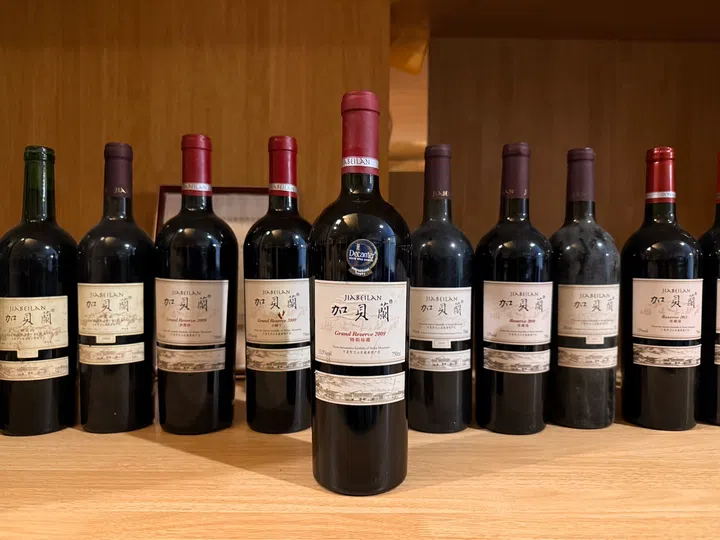
Not everyone was convinced, however. Zhang recalls an overseas wine reviewer publicly questioning whether the award-winning bottle genuinely contained Chinese wine. The scepticism spoke volumes about prevailing attitudes at the time.
A veteran sommelier who had tasted thousands of wines later challenged the criticism, arguing that the wine’s profile clearly reflected an unfamiliar and emerging terroir. The original post was later deleted.
“For him to delete it meant something,” Zhang says. “In the beginning, many people were defensive about Chinese wine. But slowly, more international media and respected winemakers started visiting Ningxia. They realised the quality was real.”
Desert terroir, mountain protection, and a surprising number of female founders
We are in Ningxia as part of a wine-focused journey organised by Charlotte Travel, the Hong Kong-based, experience-led travel company which recently established a Singapore office.
It does not take long to realise how deeply wine tourism has become woven into the region’s identity. According to our local guide Cecilia Wu, around 80 per cent of her business now comes from wine-related tours.
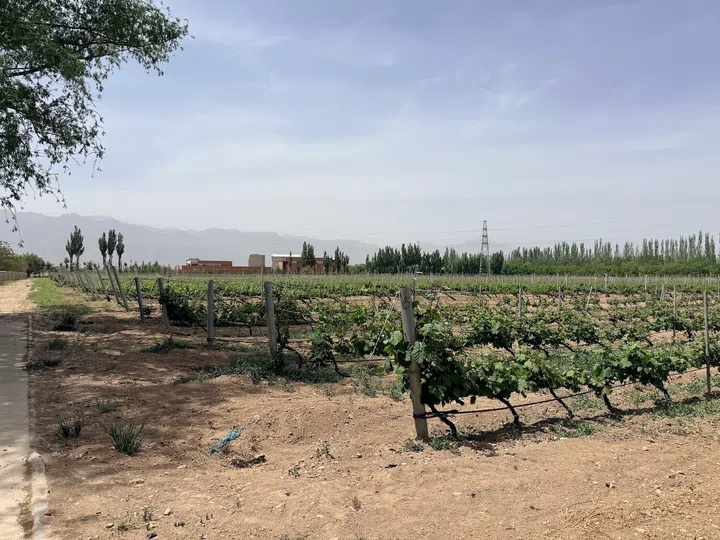
Ningxia owes much of its winemaking success to geography. The vineyards sit along the foothills of the Helan Mountains, which shield the region from harsh desert winds, while the mineral-rich Yellow River nourishes the alluvial plains below.
Today, there are more than 200 wineries in the Helan Mountain area alone, including a growing number of independent producers.
“Ningxia is China’s most prominent wine-producing region and operates at the largest scale in the country,” says Joe Yang, head sommelier at Singapore’s Jin Ting Wan. “The climate is dry, with abundant sunshine that allows grapes to ripen well, alongside significant diurnal temperature variation, which helps build complexity, structure, and flavour in the wines.”
The sunshine also lends many Ningxia wines their distinctive ripe tropical fruit notes. Yet producing wine here comes at a cost. Winters are so severe that vines must be buried underground for protection, then manually unearthed each spring. “This process is highly labour-intensive and is a key aspect of viticulture in Ningxia,” Yang explains.
Another intriguing detail? Roughly half of Ningxia’s wineries are women-owned — an unusually high figure in the global wine industry.
Betting on Marselan
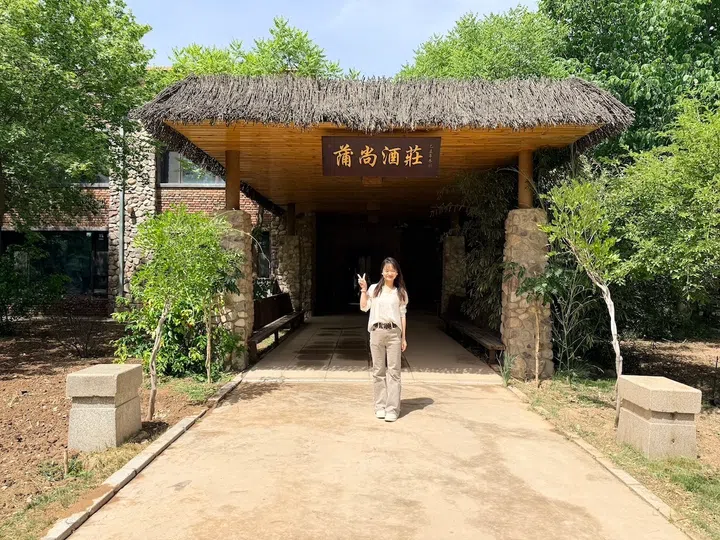
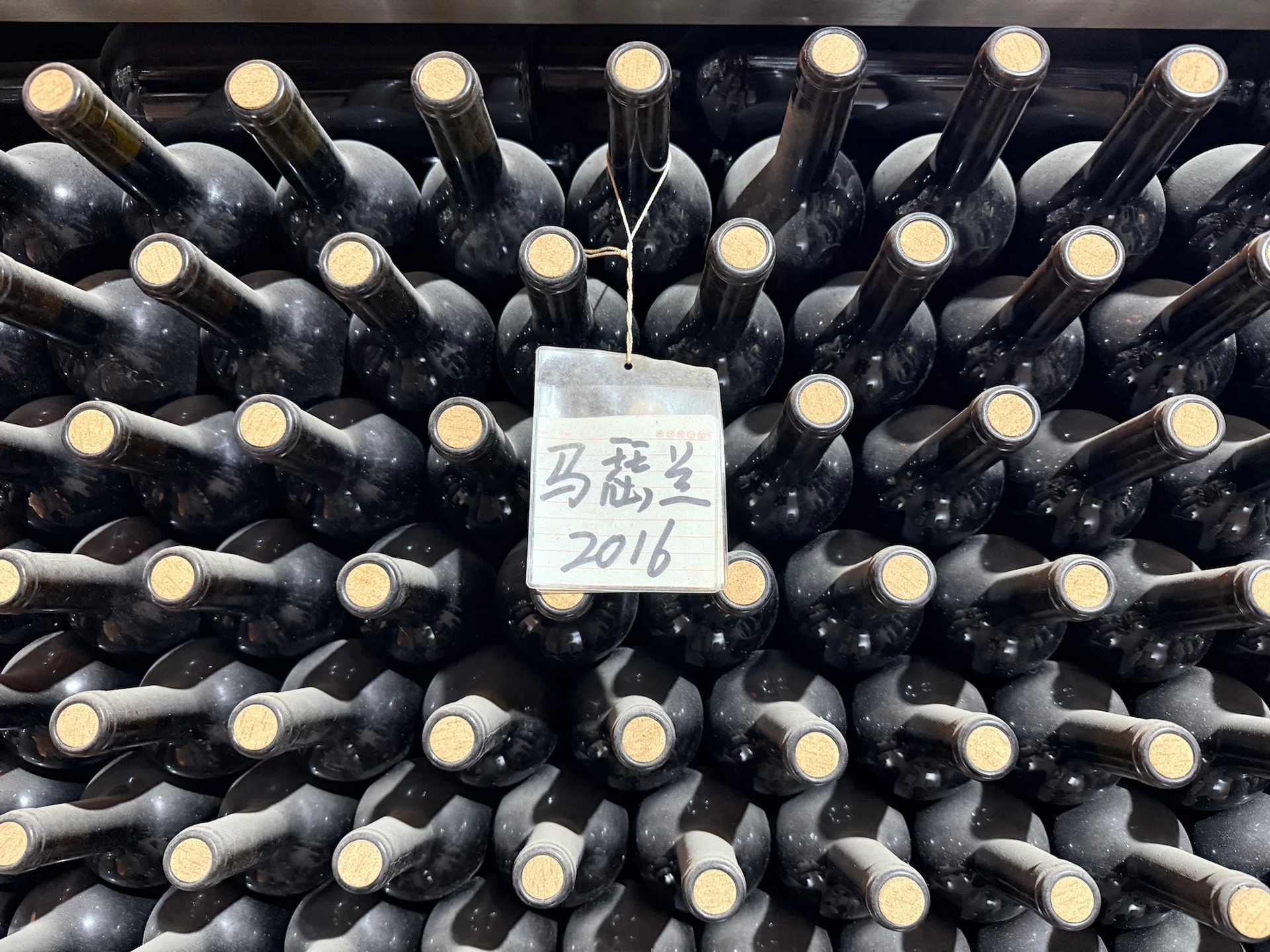
At Domaine Pu Shang, the story of scepticism takes on a slightly different flavour. Established in 2009 by former finance professional Jiang Jing and her husband, the boutique winery produces just 6,000 to 8,000 bottles annually and is best known for championing Marselan, a grape variety still viewed with caution in some wine circles.
Jiang produced her first batch of Marselan in 2016, despite pushback from industry insiders. “Many foreigners asked why we kept insisting on planting Marselan,” she says. “In the eyes of many professionals, its acidity, tannins, and ageing potential are not as good as Cabernet Sauvignon.”
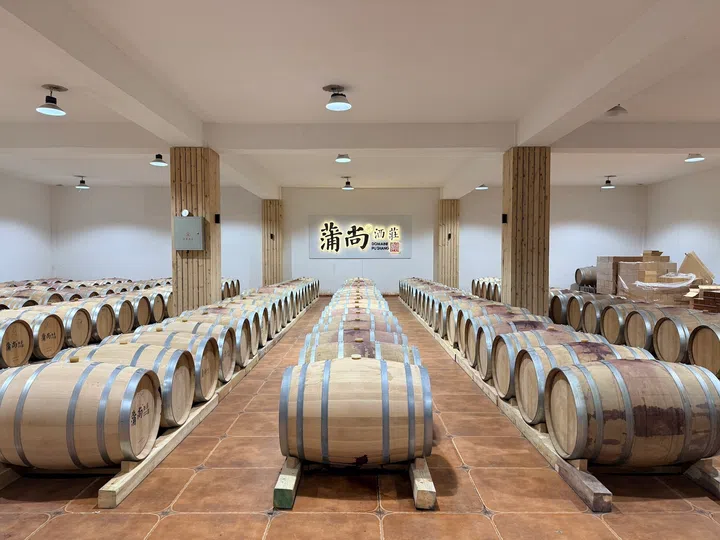
Yet, Jiang was never interested in following the crowd. “No grape variety is perfect,” she says matter-of-factly. “I found something I personally liked, and I believe there will be people who appreciate it too.”
If anything, she sees doubt as useful. “When people question you, at least they pay attention,” she laughs. “If nobody doubts you, maybe nobody notices you either.”
Today, that gamble appears to be paying off. At the Decanter World Wine Awards 2025, Domaine Pu Shang Marselan 2022 earned a Gold medal — another sign of Ningxia’s growing confidence in forging its own identity rather than imitating traditional wine regions.
A new generation with less to prove
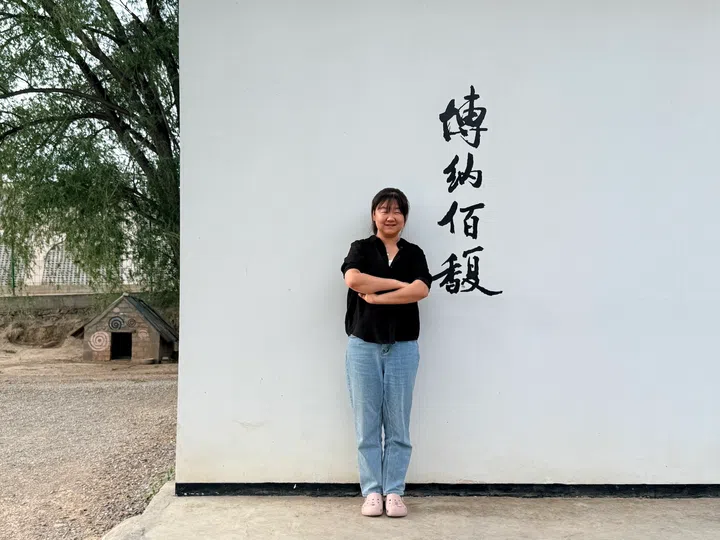
By the time Sun Miao established Domaine Des Aromes in 2010, the mood surrounding Ningxia wines had already begun to shift. Helan Qingxue’s landmark 2011 Decanter victory helped put the region on the global wine map, making the path slightly easier for the next generation of winemakers.
Having studied winemaking in France for six years before working in Burgundy, Sun says her teachers reacted calmly when she shared plans to start her own winery in Ningxia. Unlike earlier pioneers, she encountered far less scepticism.
Interestingly, Sun remains refreshingly uninterested in chasing prestige. Her winery, which produces between 8,000 and 12,000 bottles of mainly Cabernet Sauvignon and Chardonnay annually, has yet to win major awards — something she seems entirely comfortable with.
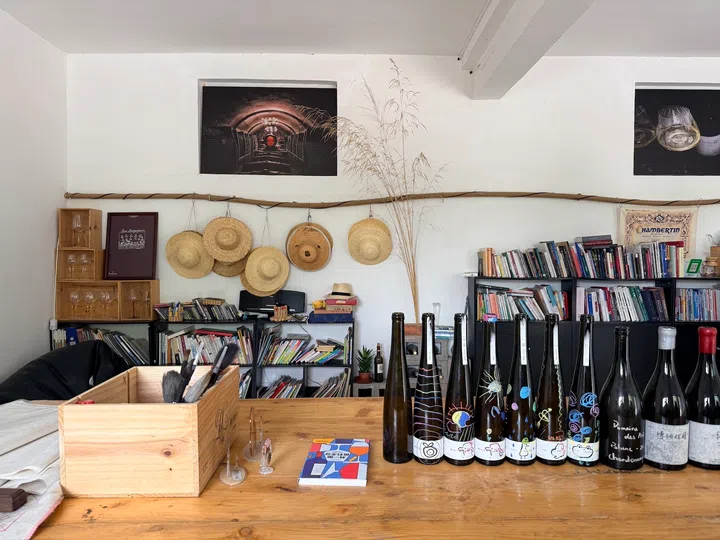
“I don’t have ambitions to become the best winery,” she says candidly. “A small production scale is fine for me. I just want to live here comfortably and make wines I enjoy.”
That quiet confidence perhaps says the most about how far Ningxia has come.
Once dismissed outright, the region’s wines are now finding their way onto respected wine lists abroad. Sun was recently in Singapore, in talks with venues including Jin Ting Wan, Resorts World Sentosa, and Praelum Wine Bistro. If a distributor comes on board, local diners may well be able to sample the fruits of her labour.