%22%3E%0A%3Cpath%20d%3D%22M412%20101.2H393.7C393.1%20101.2%20392.3%20100.9%20391.8%20100.5C377.3%2087.6004%20362.9%2074.6004%20348.4%2061.6004C344.8%2058.4004%20341.3%2055.2004%20337.7%2052.0004C337.1%2051.5004%20336.2%2051.1004%20335.5%2051.0004C334.2%2050.8004%20333%2051.0004%20331.5%2051.0004V101.1H316.7V0.100391H331.4V44.3004C331.9%2044.3004%20332.2%2044.4004%20332.5%2044.4004C334.9%2044.4004%20337.2%2044.5004%20339.6%2044.4004C340.4%2044.4004%20341.3%2044.0004%20341.8%2043.5004C351.6%2034.4004%20361.4%2025.2004%20371.1%2016.0004C376.5%2010.9004%20381.9%205.90039%20387.3%200.800391C387.9%200.200391%20388.5%200.000390626%20389.3%200.000390626H400.9C384.2%2015.8004%20367.8%2031.3004%20351.2%2047.0004C371.5%2065.0004%20391.8%2082.9004%20412.1%20100.9C412.1%20101%20412.1%20101.1%20412%20101.2ZM180.9%20101.2C184.1%2094.9004%20187.2%2088.9004%20190.3%2082.8004C198.3%2067.3004%20206.2%2051.8004%20214.2%2036.2004C220.3%2024.4004%20226.4%2012.5004%20232.4%200.700391C232.7%200.100391%20233%20-0.0996094%20233.7%20-0.0996094H248.1C248.8%20-0.0996094%20249.2%200.100391%20249.6%200.800391C256%2013.3004%20262.4%2025.7004%20268.8%2038.2004C279.3%2058.6004%20289.8%2079.0004%20300.3%2099.5004C300.5%20100%20300.8%20100.4%20301.1%20101.1C300.5%20101.1%20300.1%20101.2%20299.7%20101.2H286.5C285.6%20101.2%20285.1%20100.9%20284.7%20100.2C280.1%2091.3004%20275.4%2082.4004%20270.8%2073.4004C270.1%2072.1004%20269.3%2071.6004%20267.8%2071.6004H209.9C208.7%2071.6004%20208.1%2072.0004%20207.5%2073.1004C202.9%2082.1004%20198.2%2091.0004%20193.6%20100C193.1%20101%20192.6%20101.3%20191.5%20101.3C188.4%20101.2%20185.3%20101.3%20182.3%20101.3C182%20101.2%20181.6%20101.2%20180.9%20101.2ZM239.1%2011.4004C230%2029.2004%20221.1%2046.7004%20212.1%2064.3004H266.4C257.2%2046.7004%20248.2%2029.2004%20239.1%2011.4004ZM0%200.000390626H43.4C51.2%200.000390626%2058.7%201.20039%2065.7%204.80039C75.9%2010.0004%2078.9%2018.0004%2078.6%2027.4004C78.3%2034.3004%2076%2040.5004%2071.2%2045.5004C67.3%2049.6004%2062.4%2052.3004%2057.1%2054.3004C50.6%2056.7004%2043.9%2058.0004%2037.1%2058.6004C30.1%2059.2004%2023.1%2059.4004%2016.2%2059.7004C15.8%2059.7004%2015.3%2059.8004%2014.8%2059.8004V101.1H0.1C0%2067.4004%200%2033.8004%200%200.000390626ZM14.8%207.10039V52.2004C23.7%2052.4004%2032.6%2052.3004%2041.2%2050.1004C44.4%2049.3004%2047.6%2048.2004%2050.6%2046.7004C58.4%2043.0004%2062.3%2036.7004%2062.7%2028.0004C63%2019.9004%2059.5%2014.1004%2052.4%2010.5004C47.6%208.00039%2042.5%207.10039%2037.2%207.10039H14.8ZM95.9%20101.1V0.100391H167.3V7.20039H110.7V44.7004H158.1V51.9004H110.8V93.9004H171.1V101C146.1%20101.1%20121%20101.1%2095.9%20101.1Z%22%20fill%3D%22black%22%2F%3E%0A%3Cpath%20d%3D%22M35.0004%2025.7996H42.5004V20.6996H44.8004V33.1996H42.6004V27.5996H34.9004V33.2996H32.7004V20.7996H35.0004V25.7996ZM54.4004%2025.8996V27.2996H48.9004V31.6996H55.9004C55.9004%2032.1996%2056.0004%2032.5996%2056.0004%2033.0996H46.5004V20.5996H55.5004V21.8996H49.0004V25.7996C50.7004%2025.8996%2052.5004%2025.8996%2054.4004%2025.8996ZM25.9004%2033.0996H23.5004V21.9996H17.9004V20.6996H31.6004V22.0996H27.1004C26.2004%2022.0996%2025.9004%2022.2996%2025.9004%2023.1996C26.0004%2026.0996%2025.9004%2028.9996%2025.9004%2031.7996V33.0996Z%22%20fill%3D%22black%22%2F%3E%0A%3C%2Fg%3E%0A%3Cdefs%3E%0A%3CclipPath%20id%3D%22clip0_388_462%22%3E%0A%3Crect%20width%3D%22411%22%20height%3D%22101.2%22%20fill%3D%22white%22%2F%3E%0A%3C%2FclipPath%3E%0A%3C%2Fdefs%3E%0A%3C%2Fsvg%3E%0A)
Share this article
For a long time, automotive luxury knew how to make itself obvious. Chrome, leather, horsepower, theatre: the good car announced itself before anyone had even opened the door.
The new BMW iX3 suggests that the grammar may be changing.
Make no mistake: It is still a premium electric Sports Activity Vehicle (SAV), still recognisably BMW, still carrying the burden of desirability. But the more interesting story is how much of its ambition sits in quieter places.
As the first series-produced Neue Klasse model, the iX3 has a difficult job to do. It has to be a car, a statement of intent, and a technological bridge for what BMW says will influence 40 new models and model updates by 2027. That makes it easy to overstate.
Yet, what feels more useful is to read the iX3 less as an object of arrival and more as a sign of where mainstream luxury mobility is heading: cleaner in form, heavier in software, more domestic in function, and increasingly judged by how gracefully it fits into everyday life.
The aesthetics of subtraction
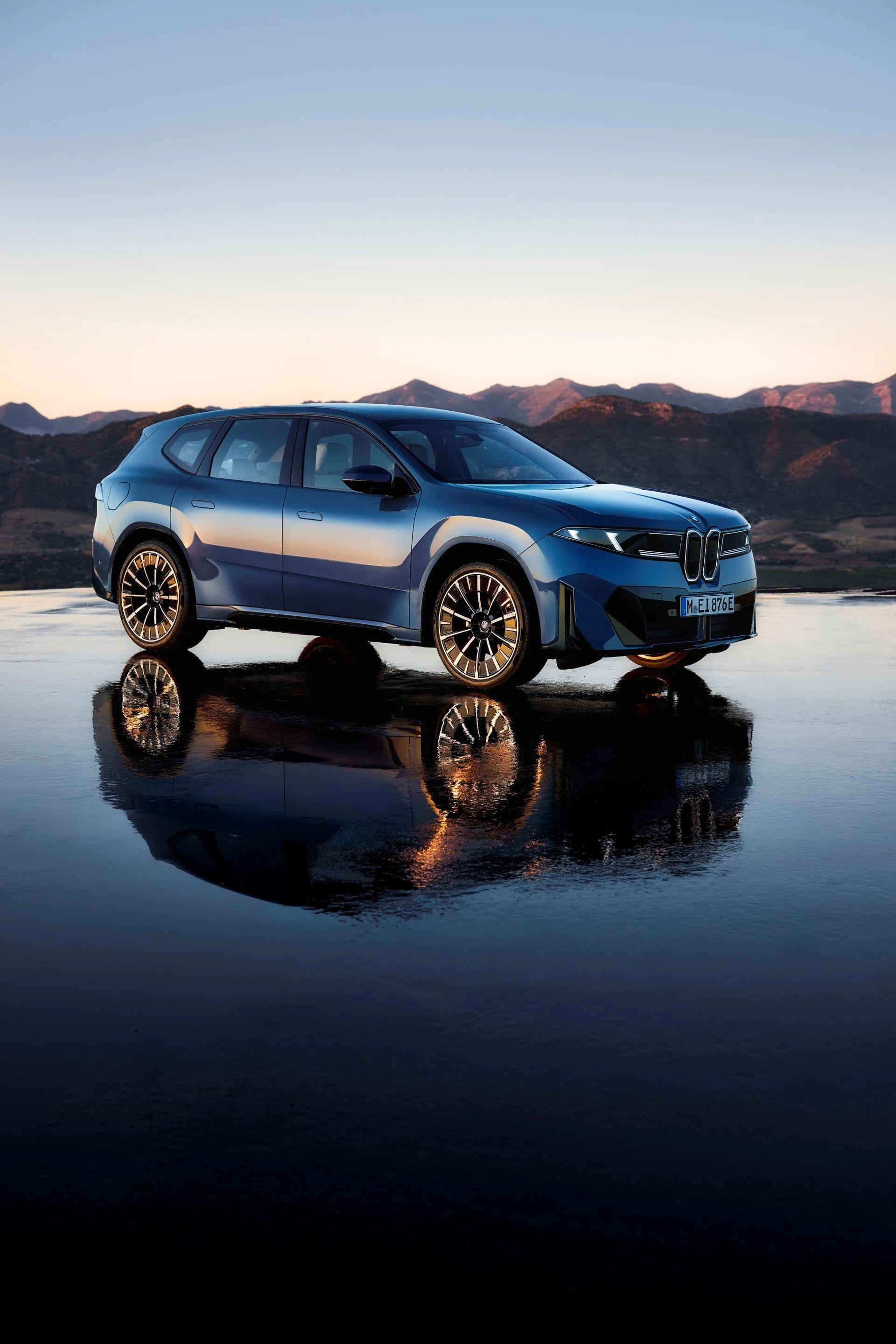
The exterior does not abandon the BMW vocabulary. The upright stance remains, as do the proportions of an SAV, but the surfaces have been simplified. The kidneys are vertical, in reference to the Neue Klasse of the 1960s; the door handles sit flush; and light now performs some of the work that chrome once did.
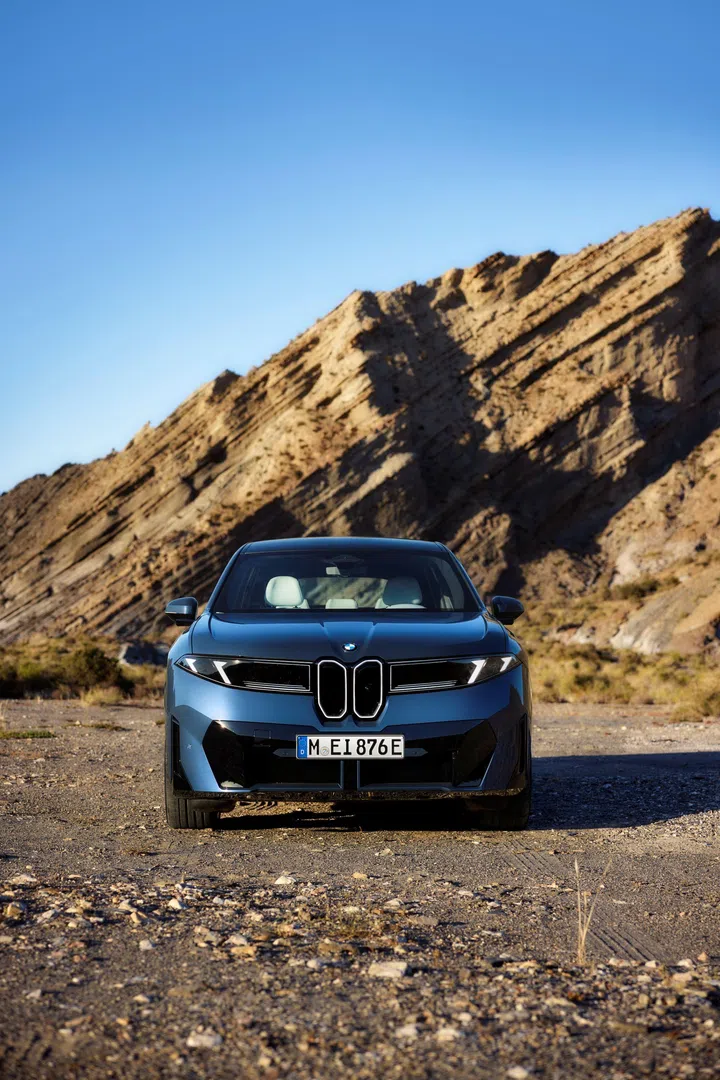
This matters because car design has spent years confusing aggression for presence. The iX3 appears to take a slightly calmer route. Its proportions still convey solidity, but its surfaces are less desperate to prove modernity through complication. Whether one finds that beautiful will come down to taste, but the direction feels telling. Luxury is learning to edit.
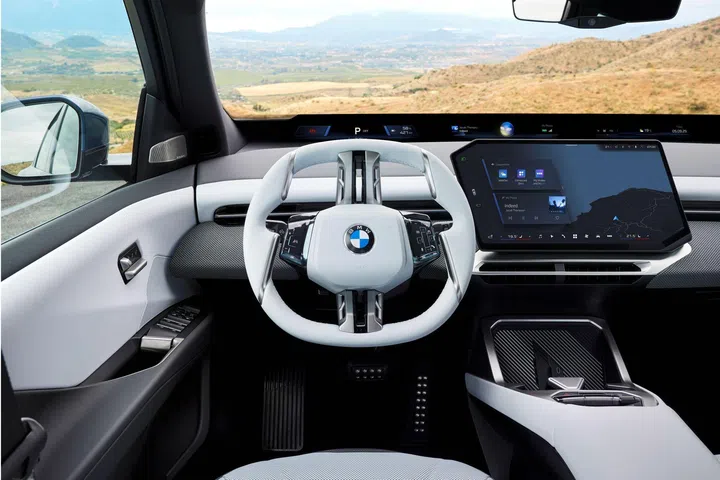
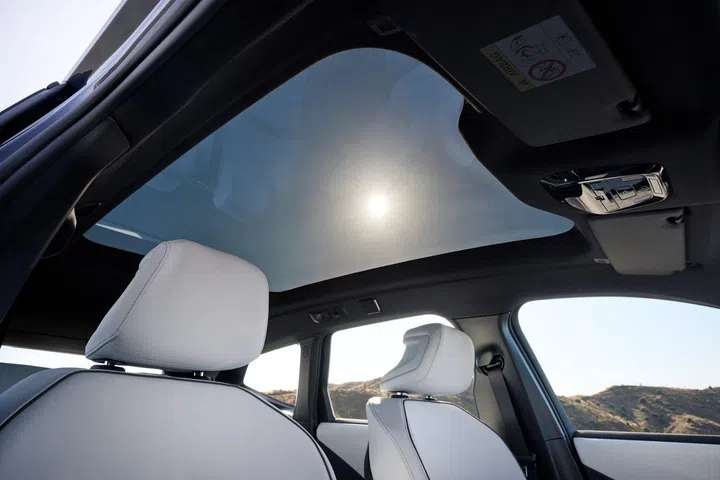
Inside, that editorial instinct continues. The cabin has been conceived around the advantages of an electric architecture, offering more generous space across all five seats, large windows, and a rear bench with a sofa-like surface.
The “floating” instrument panel flows into the door trim, creating a wraparound effect, while fabric surfaces and atmospheric backlighting aim to soften the familiar sterility of screen-heavy EV interiors.
When software rejects novelty
The most conspicuous change is the BMW Panoramic iDrive, which projects information across the lower windscreen from A-pillar to A-pillar. Key driving information sits in the driver’s field of vision, while other areas can be personalised. A central display, steering-wheel controls, a 3D head-up display, and BMW Operating System X make up the rest of the system.
There is an obvious risk here. Modern cars have become exceptionally good at turning simple acts into menus. BMW seems aware of that tension, which may explain why physical controls remain for functions such as indicators, wipers, mirrors, volume, gear selection, and defrosting. Other interactions shift to touch, voice, and steering-wheel inputs.
The iX3 also acknowledges an unglamorous truth about electric mobility: waiting has become part of the experience. When stationary, the car can support video streaming, gaming, apps and video calls, depending on market availability. This may seem indulgent, but it points to a larger shift. The car is no longer designed only around motion. It has to account for pauses.
Range, power, and the household question
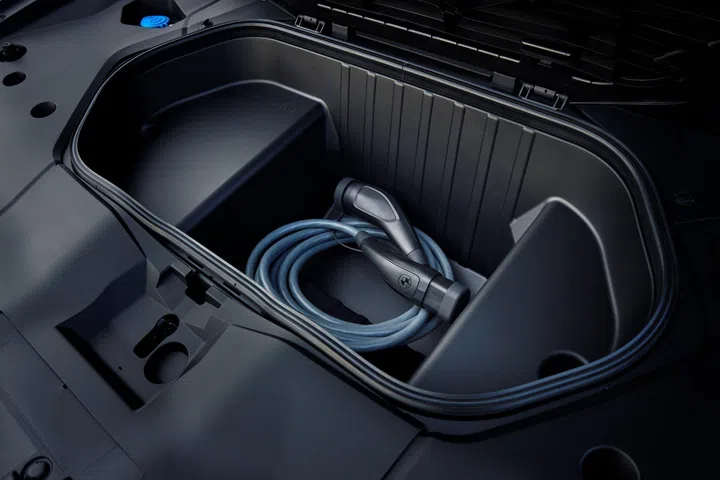
The practical figures give the iX3 its everyday plausibility. The iX3 50 xDrive is listed with up to 805km of WLTP range, a peak charging rate of 400kw, and the ability to add up to 372km of range in 10 minutes at an 800V DC fast-charging station. It can charge from 10 to 80 per cent in 21 minutes.
BMW says the iX3 50 xDrive has a product carbon footprint that is 34 per cent smaller than its predecessor’s over its full life cycle, with around one third of the vehicle made from secondary raw materials. The plant in Debrecen, Hungary, where it will be built, operates without fossil fuels under normal conditions, according to the company.
None of this makes the iX3 a simple moral object. Luxury cars still consume resources. Large electric vehicles still ask difficult questions about weight, materials and who gets to participate in the cleaner future. But the iX3 does show how those questions are moving closer to the centre of design, rather than hovering politely at the edge of a press release.
Perhaps that is the more honest reading of the car. The iX3 is not interesting because it claims to solve the future. It is interesting because it shows how luxury now has to negotiate with it.