%22%3E%0A%3Cpath%20d%3D%22M412%20101.2H393.7C393.1%20101.2%20392.3%20100.9%20391.8%20100.5C377.3%2087.6004%20362.9%2074.6004%20348.4%2061.6004C344.8%2058.4004%20341.3%2055.2004%20337.7%2052.0004C337.1%2051.5004%20336.2%2051.1004%20335.5%2051.0004C334.2%2050.8004%20333%2051.0004%20331.5%2051.0004V101.1H316.7V0.100391H331.4V44.3004C331.9%2044.3004%20332.2%2044.4004%20332.5%2044.4004C334.9%2044.4004%20337.2%2044.5004%20339.6%2044.4004C340.4%2044.4004%20341.3%2044.0004%20341.8%2043.5004C351.6%2034.4004%20361.4%2025.2004%20371.1%2016.0004C376.5%2010.9004%20381.9%205.90039%20387.3%200.800391C387.9%200.200391%20388.5%200.000390626%20389.3%200.000390626H400.9C384.2%2015.8004%20367.8%2031.3004%20351.2%2047.0004C371.5%2065.0004%20391.8%2082.9004%20412.1%20100.9C412.1%20101%20412.1%20101.1%20412%20101.2ZM180.9%20101.2C184.1%2094.9004%20187.2%2088.9004%20190.3%2082.8004C198.3%2067.3004%20206.2%2051.8004%20214.2%2036.2004C220.3%2024.4004%20226.4%2012.5004%20232.4%200.700391C232.7%200.100391%20233%20-0.0996094%20233.7%20-0.0996094H248.1C248.8%20-0.0996094%20249.2%200.100391%20249.6%200.800391C256%2013.3004%20262.4%2025.7004%20268.8%2038.2004C279.3%2058.6004%20289.8%2079.0004%20300.3%2099.5004C300.5%20100%20300.8%20100.4%20301.1%20101.1C300.5%20101.1%20300.1%20101.2%20299.7%20101.2H286.5C285.6%20101.2%20285.1%20100.9%20284.7%20100.2C280.1%2091.3004%20275.4%2082.4004%20270.8%2073.4004C270.1%2072.1004%20269.3%2071.6004%20267.8%2071.6004H209.9C208.7%2071.6004%20208.1%2072.0004%20207.5%2073.1004C202.9%2082.1004%20198.2%2091.0004%20193.6%20100C193.1%20101%20192.6%20101.3%20191.5%20101.3C188.4%20101.2%20185.3%20101.3%20182.3%20101.3C182%20101.2%20181.6%20101.2%20180.9%20101.2ZM239.1%2011.4004C230%2029.2004%20221.1%2046.7004%20212.1%2064.3004H266.4C257.2%2046.7004%20248.2%2029.2004%20239.1%2011.4004ZM0%200.000390626H43.4C51.2%200.000390626%2058.7%201.20039%2065.7%204.80039C75.9%2010.0004%2078.9%2018.0004%2078.6%2027.4004C78.3%2034.3004%2076%2040.5004%2071.2%2045.5004C67.3%2049.6004%2062.4%2052.3004%2057.1%2054.3004C50.6%2056.7004%2043.9%2058.0004%2037.1%2058.6004C30.1%2059.2004%2023.1%2059.4004%2016.2%2059.7004C15.8%2059.7004%2015.3%2059.8004%2014.8%2059.8004V101.1H0.1C0%2067.4004%200%2033.8004%200%200.000390626ZM14.8%207.10039V52.2004C23.7%2052.4004%2032.6%2052.3004%2041.2%2050.1004C44.4%2049.3004%2047.6%2048.2004%2050.6%2046.7004C58.4%2043.0004%2062.3%2036.7004%2062.7%2028.0004C63%2019.9004%2059.5%2014.1004%2052.4%2010.5004C47.6%208.00039%2042.5%207.10039%2037.2%207.10039H14.8ZM95.9%20101.1V0.100391H167.3V7.20039H110.7V44.7004H158.1V51.9004H110.8V93.9004H171.1V101C146.1%20101.1%20121%20101.1%2095.9%20101.1Z%22%20fill%3D%22black%22%2F%3E%0A%3Cpath%20d%3D%22M35.0004%2025.7996H42.5004V20.6996H44.8004V33.1996H42.6004V27.5996H34.9004V33.2996H32.7004V20.7996H35.0004V25.7996ZM54.4004%2025.8996V27.2996H48.9004V31.6996H55.9004C55.9004%2032.1996%2056.0004%2032.5996%2056.0004%2033.0996H46.5004V20.5996H55.5004V21.8996H49.0004V25.7996C50.7004%2025.8996%2052.5004%2025.8996%2054.4004%2025.8996ZM25.9004%2033.0996H23.5004V21.9996H17.9004V20.6996H31.6004V22.0996H27.1004C26.2004%2022.0996%2025.9004%2022.2996%2025.9004%2023.1996C26.0004%2026.0996%2025.9004%2028.9996%2025.9004%2031.7996V33.0996Z%22%20fill%3D%22black%22%2F%3E%0A%3C%2Fg%3E%0A%3Cdefs%3E%0A%3CclipPath%20id%3D%22clip0_388_462%22%3E%0A%3Crect%20width%3D%22411%22%20height%3D%22101.2%22%20fill%3D%22white%22%2F%3E%0A%3C%2FclipPath%3E%0A%3C%2Fdefs%3E%0A%3C%2Fsvg%3E%0A)
How Culinary Class Wars gave chef Edward Lee’s career a new chapter as a champion for Korean cuisine
The Korean-American celebrity chef, who has been appointed chef-ambassador at Capella Residences Seoul, shares about the unexpected second wind of his already-illustrious career.
By Kenneth SZ Goh /
Share this article
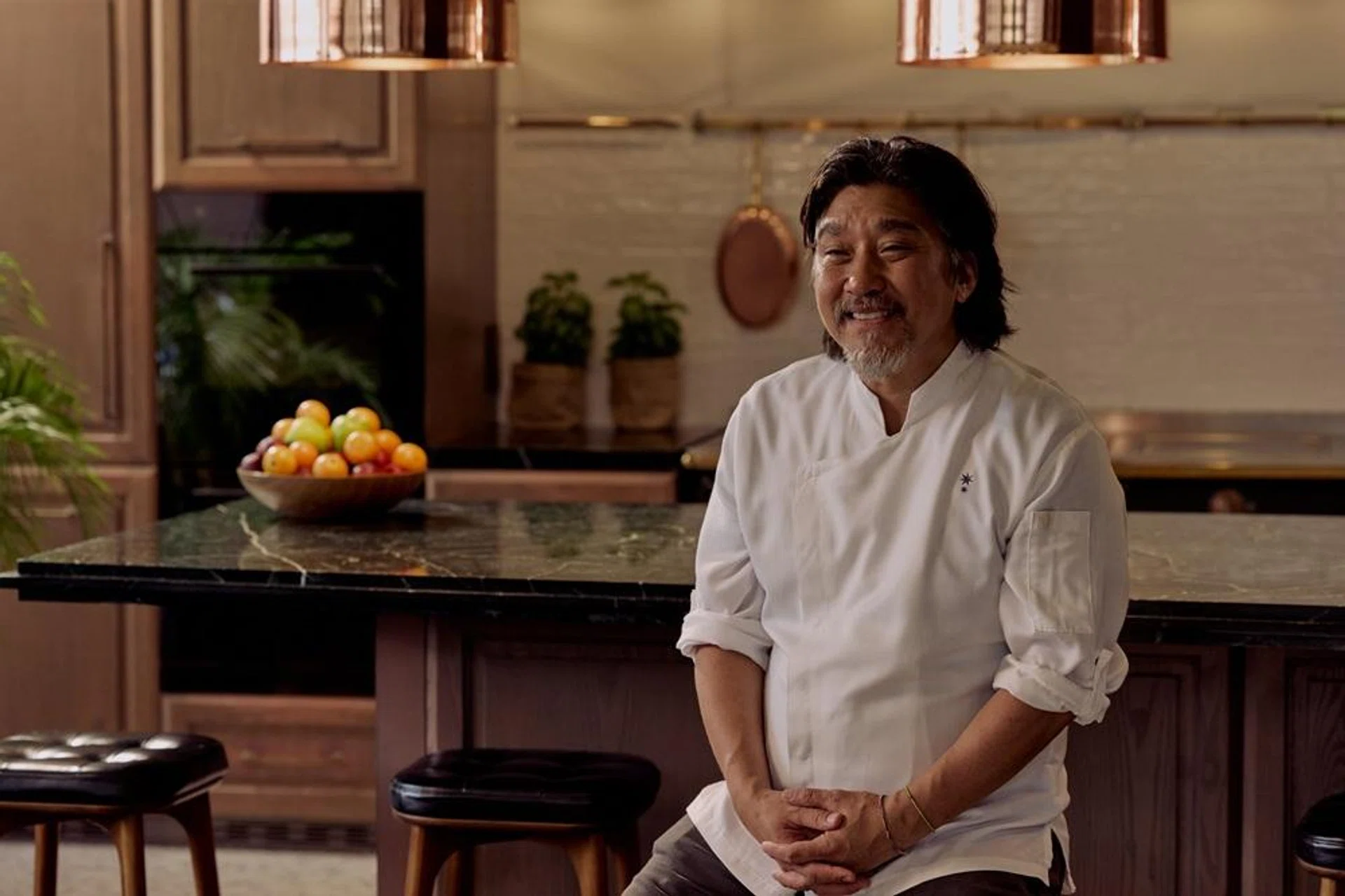
When Chef Edward Lee agreed to join Netflix’s hit cooking competition Culinary Class Wars, which recently returned for a second season, he didn’t imagined it would profoundly alter the course of his career.
Over a year on from being crowned the runner-up of the series’ first season, the Korean-American chef-owner of restaurants like 610 Magnolia in Kentucky, Succotash Prime in Washington DC, and more recently, modern Korean fine dining restaurant, Shia, is not only busier than ever, but also more deeply connected to his Korean heritage.
“Everything is different,” the 53-year-old chef tells The Peak Singapore. “It’s given me a new journey, both in my culinary life and my personal journey. Nobody on the show thought it was going to be this big. For someone my age to have a new chapter, to explore not just Korea but all of Asia — it’s very special.” Lee embarked on a whirlwind trip, with stops in South Korea, Hong Kong, and Singapore last year.
The James Beard award-winning chef has also appeared on television shows like Iron Chef America, Top Chef, and MasterChef and has cooked for former South Korean President Yoon Suk Yeol at the White House State Dinner in 2023.
Presenting his version of Korean food in the motherland
This new chapter has brought Lee to Seoul, where he has been appointed chef-ambassador at Capella Residences Seoul, located on the grounds of the 185,000 sqm Heonin Maeul forest sanctuary. The development, which is slated to be completed in 2028, marks the Singapore-based Capella Hotels and Resorts’ debut in South Korea.
Lee will helm the culinary programme that will only be available to residents at the clubhouse of Capella Residences Seoul. The clubhouse also houses French restaurant, Dining Room by Hulotte by chef Seung-jun Lee, which opened last year and is open to the public.
For chef Edward Lee, who has spent his career reinterpreting Korean flavors in the United States, the project will mark his professional debut in South Korea, where he will present Korean cuisine from an American lens.
“In the beginning, I’m going to start with a small menu, and then we’ll go from there,” he reveals. “But it’s really about creating something new that tells the story of my vision of Korean food — except now that I am presenting this in Korea. It’s totally different from what I’ve been doing in the US.”
The difference, he admits, comes with both excitement and apprehension. “It’s a different audience — a little fear is always good, it keeps you on your toes,” he says.
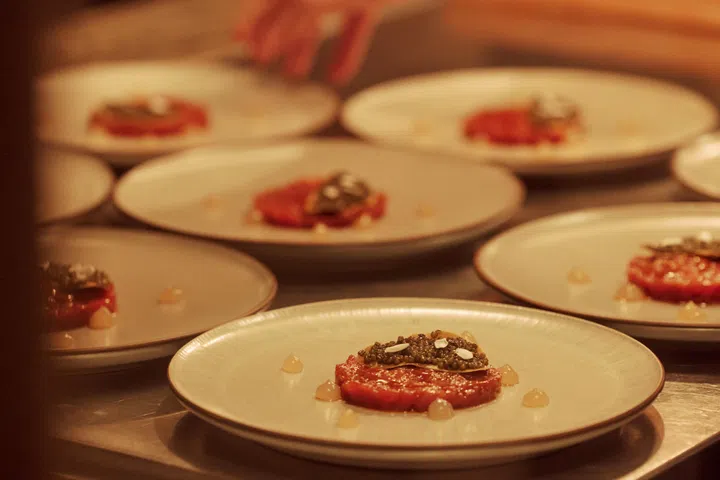
Some dishes that Lee presented at a dinner event at Capella Singapore include tuna tartare with gochujang, osetra caviar, and pear gel and galbi-jjim with ginseng-infused Pommes Anna (sliced potato cake).
A responsibility to represent Korea
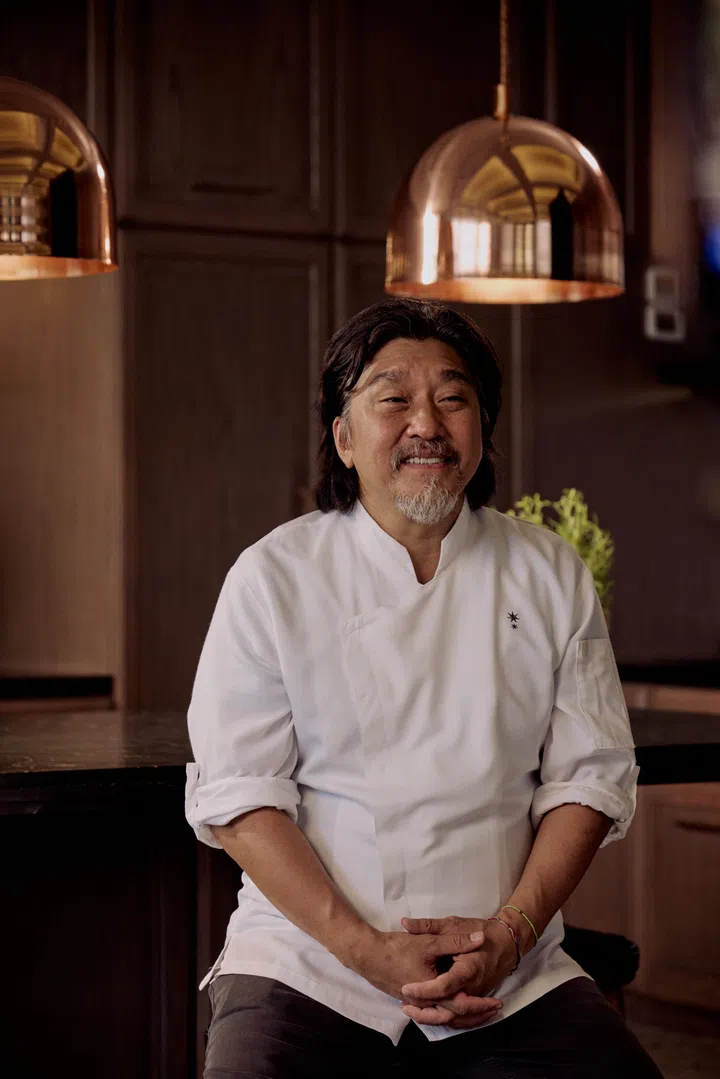
Being on Culinary Class Wars reignited Lee’s connection with his Korean heritage in ways that the veteran chef didn’t expect. “I feel a responsibility now to represent Korea,” he declares. “So many people look up to me and write me letters and messages. It’s a responsibility I take very seriously.”
Part of that responsibility is to broaden the understanding of what Korean cuisine truly is. “Most people know Korean food through barbecue. But the more time I spend in Korea, the more I understand the cuisine has thousands of years of history. Korean cuisine has not always been spicy, garlicky or meat-heavy. There are other facets of Korean cuisine (Hansik), such as temple food, seafood, and jangs (fermented sauces that are regarded as the foundation of Korean cuisine).”
One food discovery that especially struck him is jeotgal, salted preserved seafood dish made with shrimps, oysters, and clams and is used as a staple seasoning in kimchi.
“It’s often hailed as the foundation of Korean cuisine, but isn’t popular in America. We’ve started making some and making sauces out of it so that more people can be familiar with it,” he says.
Lee also hopes to debunk misconceptions of Korean cuisine among Western diners. “The biggest misconception is that Korean food is spicy. But it has gentle and subtle flavours, too.”
As a second-generation immigrant born to Korean parents in New York, Lee grew up with Korean food cooked by his grandmother and mother at home. One of his favourite childhood dishes is seaweed soup (miyeokguk). “It was humble, always easy to make and in the fridge, and that was something that I would eat all the time,” he recalls.
Being brought up with a blend of Korean and American culture, Lee believes that he has the best of both worlds. “If something doesn’t work, I can always have another culture to lean on, and I think that’s worth celebrating.”
Legacy and devotion
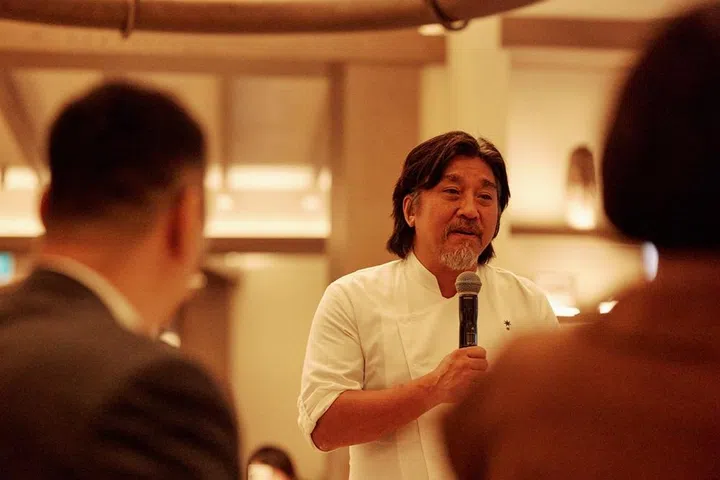
The impact of Lee’s participation on Culinary Class Wars can already be seen in Shia, a modern Korean restaurant. Originally conceived before the show, its menu evolved to incorporate more Korean ingredients and techniques, including some of the dishes that he cooked on Culinary Class Wars.
Shia is also a non-profit venture that is big on sustainability research and zero-waste practices, including a commitment to run its kitchen entirely free of plastic. He explains: “I’ve been cooking for 35 years. I’m closer to retirement and want to leave an important legacy for the restaurant industry.”
Looking ahead, Lee’s plate is as full as ever. Besides his stint with Capella Residences Seoul, he has also appeared in Ed And Ryu: Mad About Seafood, a culinary travel documentary that also stars Korean actor Ryu Soo-young.
Lee’s focus remains on deepening his understanding of Korean cuisine and culture. “My connection to Korea started with food,” he states. “Now I want to go deeper into the history of Korean ingredients. It’s not something that will happen quickly, but I’ll devote the rest of my life to it.”