%22%3E%0A%3Cpath%20d%3D%22M412%20101.2H393.7C393.1%20101.2%20392.3%20100.9%20391.8%20100.5C377.3%2087.6004%20362.9%2074.6004%20348.4%2061.6004C344.8%2058.4004%20341.3%2055.2004%20337.7%2052.0004C337.1%2051.5004%20336.2%2051.1004%20335.5%2051.0004C334.2%2050.8004%20333%2051.0004%20331.5%2051.0004V101.1H316.7V0.100391H331.4V44.3004C331.9%2044.3004%20332.2%2044.4004%20332.5%2044.4004C334.9%2044.4004%20337.2%2044.5004%20339.6%2044.4004C340.4%2044.4004%20341.3%2044.0004%20341.8%2043.5004C351.6%2034.4004%20361.4%2025.2004%20371.1%2016.0004C376.5%2010.9004%20381.9%205.90039%20387.3%200.800391C387.9%200.200391%20388.5%200.000390626%20389.3%200.000390626H400.9C384.2%2015.8004%20367.8%2031.3004%20351.2%2047.0004C371.5%2065.0004%20391.8%2082.9004%20412.1%20100.9C412.1%20101%20412.1%20101.1%20412%20101.2ZM180.9%20101.2C184.1%2094.9004%20187.2%2088.9004%20190.3%2082.8004C198.3%2067.3004%20206.2%2051.8004%20214.2%2036.2004C220.3%2024.4004%20226.4%2012.5004%20232.4%200.700391C232.7%200.100391%20233%20-0.0996094%20233.7%20-0.0996094H248.1C248.8%20-0.0996094%20249.2%200.100391%20249.6%200.800391C256%2013.3004%20262.4%2025.7004%20268.8%2038.2004C279.3%2058.6004%20289.8%2079.0004%20300.3%2099.5004C300.5%20100%20300.8%20100.4%20301.1%20101.1C300.5%20101.1%20300.1%20101.2%20299.7%20101.2H286.5C285.6%20101.2%20285.1%20100.9%20284.7%20100.2C280.1%2091.3004%20275.4%2082.4004%20270.8%2073.4004C270.1%2072.1004%20269.3%2071.6004%20267.8%2071.6004H209.9C208.7%2071.6004%20208.1%2072.0004%20207.5%2073.1004C202.9%2082.1004%20198.2%2091.0004%20193.6%20100C193.1%20101%20192.6%20101.3%20191.5%20101.3C188.4%20101.2%20185.3%20101.3%20182.3%20101.3C182%20101.2%20181.6%20101.2%20180.9%20101.2ZM239.1%2011.4004C230%2029.2004%20221.1%2046.7004%20212.1%2064.3004H266.4C257.2%2046.7004%20248.2%2029.2004%20239.1%2011.4004ZM0%200.000390626H43.4C51.2%200.000390626%2058.7%201.20039%2065.7%204.80039C75.9%2010.0004%2078.9%2018.0004%2078.6%2027.4004C78.3%2034.3004%2076%2040.5004%2071.2%2045.5004C67.3%2049.6004%2062.4%2052.3004%2057.1%2054.3004C50.6%2056.7004%2043.9%2058.0004%2037.1%2058.6004C30.1%2059.2004%2023.1%2059.4004%2016.2%2059.7004C15.8%2059.7004%2015.3%2059.8004%2014.8%2059.8004V101.1H0.1C0%2067.4004%200%2033.8004%200%200.000390626ZM14.8%207.10039V52.2004C23.7%2052.4004%2032.6%2052.3004%2041.2%2050.1004C44.4%2049.3004%2047.6%2048.2004%2050.6%2046.7004C58.4%2043.0004%2062.3%2036.7004%2062.7%2028.0004C63%2019.9004%2059.5%2014.1004%2052.4%2010.5004C47.6%208.00039%2042.5%207.10039%2037.2%207.10039H14.8ZM95.9%20101.1V0.100391H167.3V7.20039H110.7V44.7004H158.1V51.9004H110.8V93.9004H171.1V101C146.1%20101.1%20121%20101.1%2095.9%20101.1Z%22%20fill%3D%22black%22%2F%3E%0A%3Cpath%20d%3D%22M35.0004%2025.7996H42.5004V20.6996H44.8004V33.1996H42.6004V27.5996H34.9004V33.2996H32.7004V20.7996H35.0004V25.7996ZM54.4004%2025.8996V27.2996H48.9004V31.6996H55.9004C55.9004%2032.1996%2056.0004%2032.5996%2056.0004%2033.0996H46.5004V20.5996H55.5004V21.8996H49.0004V25.7996C50.7004%2025.8996%2052.5004%2025.8996%2054.4004%2025.8996ZM25.9004%2033.0996H23.5004V21.9996H17.9004V20.6996H31.6004V22.0996H27.1004C26.2004%2022.0996%2025.9004%2022.2996%2025.9004%2023.1996C26.0004%2026.0996%2025.9004%2028.9996%2025.9004%2031.7996V33.0996Z%22%20fill%3D%22black%22%2F%3E%0A%3C%2Fg%3E%0A%3Cdefs%3E%0A%3CclipPath%20id%3D%22clip0_388_462%22%3E%0A%3Crect%20width%3D%22411%22%20height%3D%22101.2%22%20fill%3D%22white%22%2F%3E%0A%3C%2FclipPath%3E%0A%3C%2Fdefs%3E%0A%3C%2Fsvg%3E%0A)
Manami Resort in Sipalay, Philippines: A hideaway in paradise worth the eight-hour journey
This Michelin Guide Hotel recipient is a small but heartfelt ode to the beauty of Negros Island in the Western Visayas, a destination commonly overlooked by foreign tourists.
By Lu Yawen /
Share this article
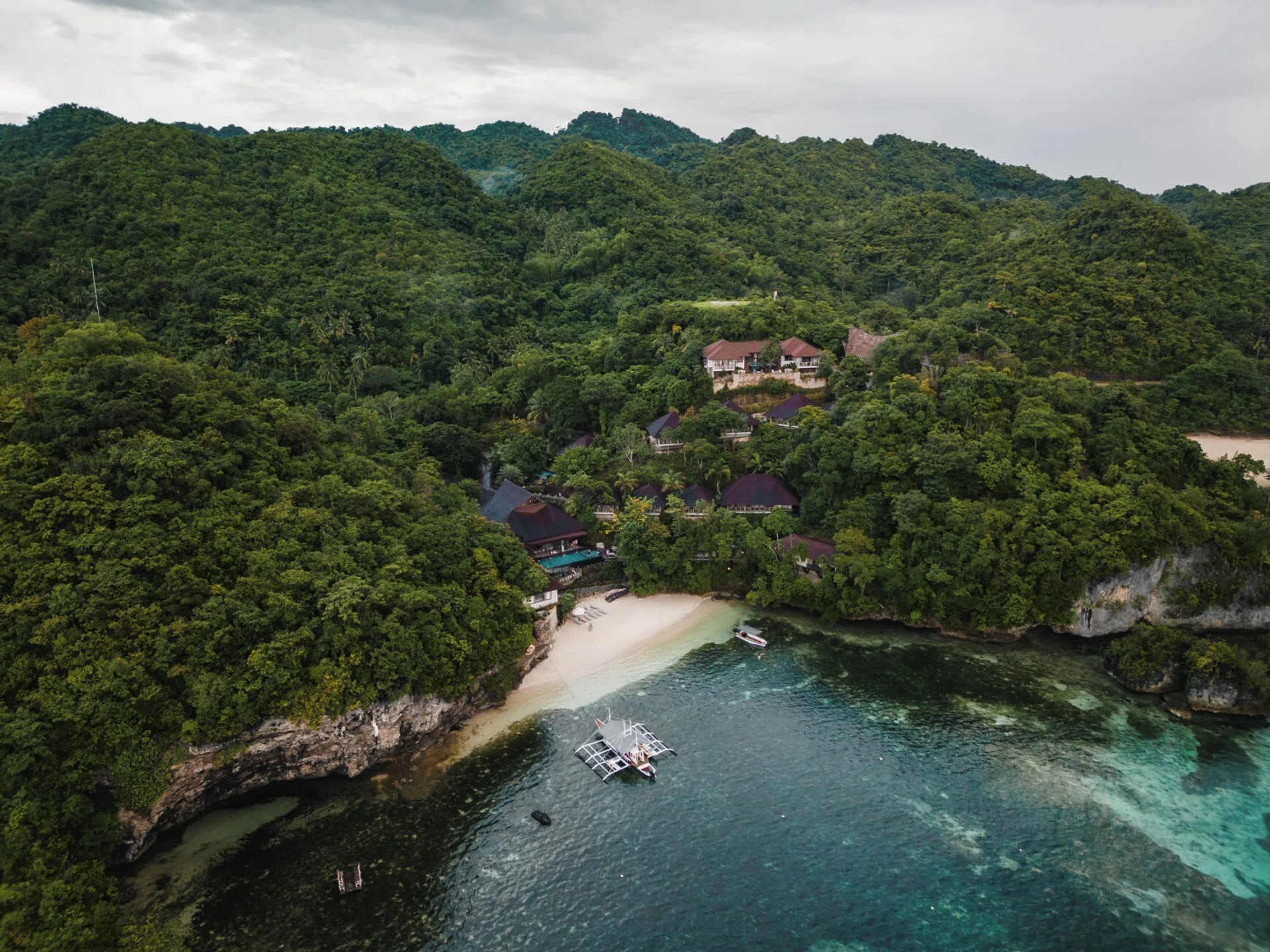
Travelling to Manami (meaning “beautiful” in Hiligaynon) Resort in Sipalay’s hilly shoreline requires lots of patience and some grit. Situated on the coast of Negros Occidental province in the northwest, which shares the island with Negros Oriental province on the southeast side, the property’s isolation is part of its charm.
Shortly after opening in April 2023, it joined the Small Luxury Hotels of the World and was recently added to the Michelin Guide Hotel 2026 list.
Part of the Western Visayas, where English and Ilonggo (Hiligaynon) are spoken instead of Tagalog, Sipalay is accessible to international tourists by transiting through Manila or Cebu, then landing in either of Negros Island’s capital cities — Negros Occidental’s capital, Bacolod, or Negros Oriental’s capital, Dumaguete, followed by a four- or three-hour car ride, respectively.
It’s a journey that’s best broken up into parts or, if budget allows, cut short with a helicopter ride directly from Manila that takes only two hours to reach Manila’s own private helipad.
A slice of paradise

The 18-key property is mostly clustered around a shallow beach that widens into a soft, grassy seabed at low tide, with its villas and suites scattered across the surrounding hilly terrain. To the right of the beach is the property’s cave, home to families of bats, which can be accessed with a naturalist guide via cave spelunking.
Designing an immersive sanctuary with all the luxurious creature comforts is a task undertaken with intentional care. With project architect Antonio Legaspi, owner Christina Corro (along with husband Andrei) leads the interior design of the entire resort, collaborating with local artisans and craftspeople from Negros Occidental.
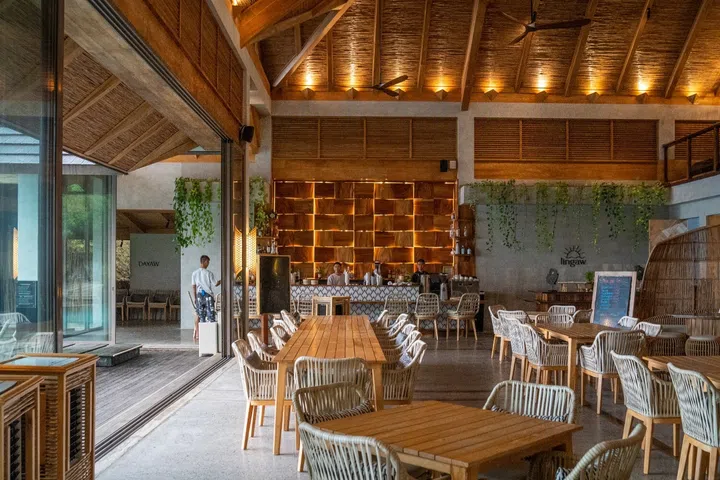
Furniture is proudly Filipino, from Christina’s own designs to award-winning independent designers such as Kenneth Cobonpue, Selina Selma-Romualdez, and Casa Selma by Vito Selma.
Raw materials are sourced locally as well — kamagong wood from an old home in Leyte (another island in the Visayas), repurposed acacia wood from trees felled by a typhoon, tigbaw (a tall native grass also known as wild sugar cane) used in the ceilings, and stalagmite stones from the cave turned into design features in the driveway.
The team has also been mindful of preserving the land’s many existing trees and natural features during construction.
At the heart of the resort is its sole restaurant, Lingaw, which faces the main pool. As the only dining option for guests, it has a varied menu showcasing Negrense, Spanish, and Italian cuisine, with plenty of Filipino cakes such as bibingka de keso (a twist on a classic Filipino rice cake) and Basque burnt cheesecake, which kept us looking forward to mealtimes.
Ingredients are, too, sourced from the Negros Island, including seasonal vegetables, fruits and seafood from the surrounding fishermen population in Sipalay.
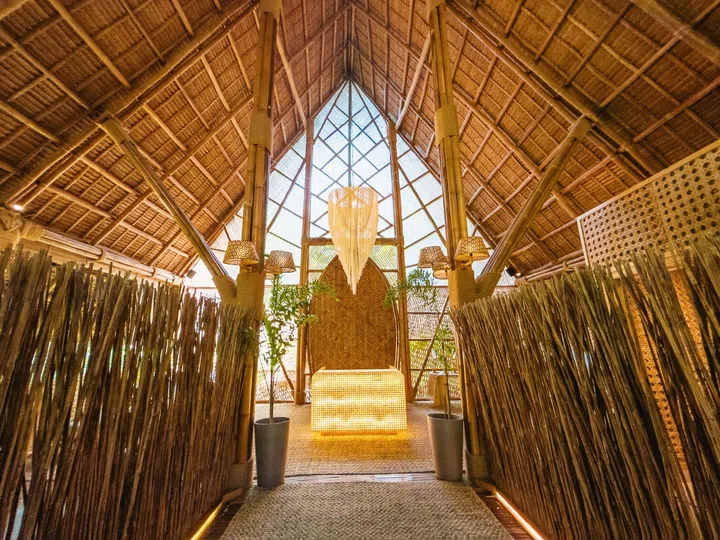
Atop the hill sits Linong Spa, Manami’s pride and joy. Bestowed the title of Regional Winner in Asia for Best Interior Design at the 2024 World Luxury Spa Awards, its breathtaking design is inspired by Visayas indigenous architecture and welcomes guests with a cathedral-like lobby made entirely of nipa, rattan, and bamboo, featuring a chandelier of iridescent shells.
Rebuilt in 2023 after most of it was destroyed by the Super Typhoon Rai (also known locally as Odette) in 2021, the spa’s naturally ventilated private cabanas make it feel as though you’re deep in the forest as dusk creeps in and the birdsong and insects chirping get a little louder and closer.
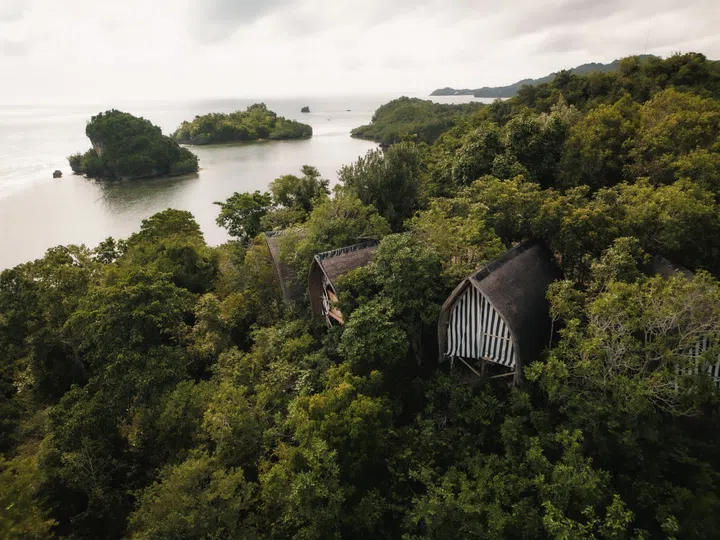
Resident marine biologist, Chris Alexis Duran, is on hand for scuba dives along the house reef or further down the shore. While the marine reserve Apo Island on the southwest of Negros is popular with divers, Sipalay’s reefs are pretty much undiscovered. Christina hopes that by monitoring the recovering reef and marine life, she’ll be able to create more marine reserves in the area.
The resort also owns two motorised bangkas (traditional Filipino boats) that take guests out for day trips on the Sulu Sea to snorkel, scuba dive, paddle board, kayak, or check out the geological formations and colourful Spanish-style holiday homes and hotels on the surrounding coastline, ending with a family-style barbecue on board.
Negrense balm for the soul
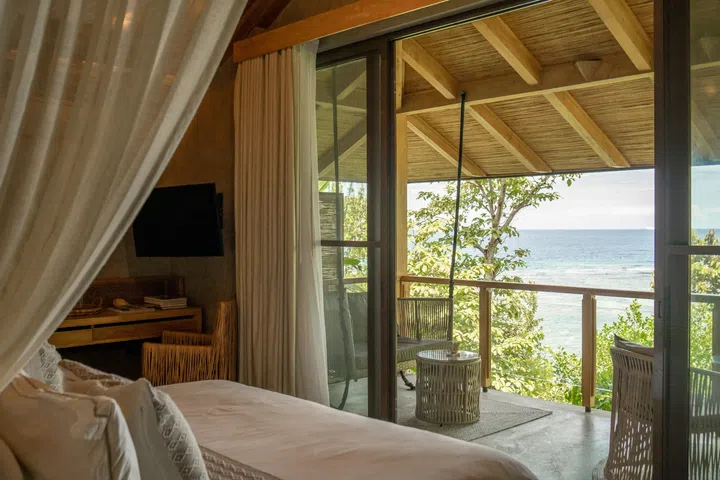
As most activities are nature-focused — the resort is in the midst of progressing into phase two of development, which includes a gym and expanded wellness facilities — when it rains at Manami, things come to a standstill.
We spent our last day watching the horizon hide behind grey clouds, and slowly emerge as the rain abated and the setting sun painted the sky pink and orange. Our plans for cave spelunking had fallen through, but in such serenity, did it really matter?
Time at the resort is best savoured slowly (some guests stay for up to a week) to fully grasp the beauty of Sipalay. Unlike the white beaches of Boracay, packed with hordes of tourists in party boats or up-and-coming digital nomad and surf haven Siargao, Sipalay feels like an authentic slice of the Philippines you’d want to gatekeep.
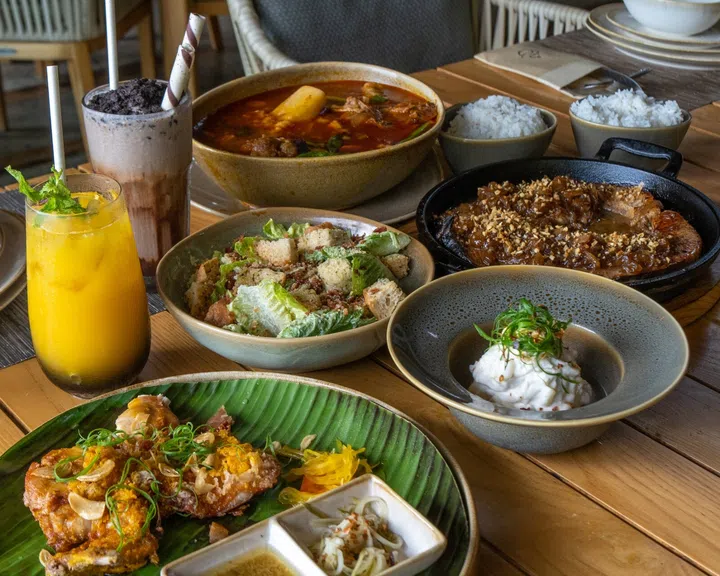
And all credit goes to the Corros who’ve carved out an oasis with Negros’ crème de la crème. The food and beverage programme especially impressed me; creating a sizable menu comprising multiple cuisines, all restaurant-quality, in such an inaccessible location is no easy feat.
It’s here that we get to try the Negrense twist on chicken inasal (grilled chicken in most iterations), which is prepared battered and then deep-fried and a Western Visayas staple, kansi (a tangy beef marrow and shank soup made with the sour fruit called batwan), alongside perfectly blistered sourdough pizza and seafood paella. Perhaps proving why locals visit Negros Island just to eat.
When it’s time to depart, our three nights at Manami felt a little short. I had arrived worried that the lack of activities would leave me bored, but it instead gave me the opportunity to slow down, a reminder that there is beauty in doing absolutely nothing at all.