%22%3E%0A%3Cpath%20d%3D%22M412%20101.2H393.7C393.1%20101.2%20392.3%20100.9%20391.8%20100.5C377.3%2087.6004%20362.9%2074.6004%20348.4%2061.6004C344.8%2058.4004%20341.3%2055.2004%20337.7%2052.0004C337.1%2051.5004%20336.2%2051.1004%20335.5%2051.0004C334.2%2050.8004%20333%2051.0004%20331.5%2051.0004V101.1H316.7V0.100391H331.4V44.3004C331.9%2044.3004%20332.2%2044.4004%20332.5%2044.4004C334.9%2044.4004%20337.2%2044.5004%20339.6%2044.4004C340.4%2044.4004%20341.3%2044.0004%20341.8%2043.5004C351.6%2034.4004%20361.4%2025.2004%20371.1%2016.0004C376.5%2010.9004%20381.9%205.90039%20387.3%200.800391C387.9%200.200391%20388.5%200.000390626%20389.3%200.000390626H400.9C384.2%2015.8004%20367.8%2031.3004%20351.2%2047.0004C371.5%2065.0004%20391.8%2082.9004%20412.1%20100.9C412.1%20101%20412.1%20101.1%20412%20101.2ZM180.9%20101.2C184.1%2094.9004%20187.2%2088.9004%20190.3%2082.8004C198.3%2067.3004%20206.2%2051.8004%20214.2%2036.2004C220.3%2024.4004%20226.4%2012.5004%20232.4%200.700391C232.7%200.100391%20233%20-0.0996094%20233.7%20-0.0996094H248.1C248.8%20-0.0996094%20249.2%200.100391%20249.6%200.800391C256%2013.3004%20262.4%2025.7004%20268.8%2038.2004C279.3%2058.6004%20289.8%2079.0004%20300.3%2099.5004C300.5%20100%20300.8%20100.4%20301.1%20101.1C300.5%20101.1%20300.1%20101.2%20299.7%20101.2H286.5C285.6%20101.2%20285.1%20100.9%20284.7%20100.2C280.1%2091.3004%20275.4%2082.4004%20270.8%2073.4004C270.1%2072.1004%20269.3%2071.6004%20267.8%2071.6004H209.9C208.7%2071.6004%20208.1%2072.0004%20207.5%2073.1004C202.9%2082.1004%20198.2%2091.0004%20193.6%20100C193.1%20101%20192.6%20101.3%20191.5%20101.3C188.4%20101.2%20185.3%20101.3%20182.3%20101.3C182%20101.2%20181.6%20101.2%20180.9%20101.2ZM239.1%2011.4004C230%2029.2004%20221.1%2046.7004%20212.1%2064.3004H266.4C257.2%2046.7004%20248.2%2029.2004%20239.1%2011.4004ZM0%200.000390626H43.4C51.2%200.000390626%2058.7%201.20039%2065.7%204.80039C75.9%2010.0004%2078.9%2018.0004%2078.6%2027.4004C78.3%2034.3004%2076%2040.5004%2071.2%2045.5004C67.3%2049.6004%2062.4%2052.3004%2057.1%2054.3004C50.6%2056.7004%2043.9%2058.0004%2037.1%2058.6004C30.1%2059.2004%2023.1%2059.4004%2016.2%2059.7004C15.8%2059.7004%2015.3%2059.8004%2014.8%2059.8004V101.1H0.1C0%2067.4004%200%2033.8004%200%200.000390626ZM14.8%207.10039V52.2004C23.7%2052.4004%2032.6%2052.3004%2041.2%2050.1004C44.4%2049.3004%2047.6%2048.2004%2050.6%2046.7004C58.4%2043.0004%2062.3%2036.7004%2062.7%2028.0004C63%2019.9004%2059.5%2014.1004%2052.4%2010.5004C47.6%208.00039%2042.5%207.10039%2037.2%207.10039H14.8ZM95.9%20101.1V0.100391H167.3V7.20039H110.7V44.7004H158.1V51.9004H110.8V93.9004H171.1V101C146.1%20101.1%20121%20101.1%2095.9%20101.1Z%22%20fill%3D%22black%22%2F%3E%0A%3Cpath%20d%3D%22M35.0004%2025.7996H42.5004V20.6996H44.8004V33.1996H42.6004V27.5996H34.9004V33.2996H32.7004V20.7996H35.0004V25.7996ZM54.4004%2025.8996V27.2996H48.9004V31.6996H55.9004C55.9004%2032.1996%2056.0004%2032.5996%2056.0004%2033.0996H46.5004V20.5996H55.5004V21.8996H49.0004V25.7996C50.7004%2025.8996%2052.5004%2025.8996%2054.4004%2025.8996ZM25.9004%2033.0996H23.5004V21.9996H17.9004V20.6996H31.6004V22.0996H27.1004C26.2004%2022.0996%2025.9004%2022.2996%2025.9004%2023.1996C26.0004%2026.0996%2025.9004%2028.9996%2025.9004%2031.7996V33.0996Z%22%20fill%3D%22black%22%2F%3E%0A%3C%2Fg%3E%0A%3Cdefs%3E%0A%3CclipPath%20id%3D%22clip0_388_462%22%3E%0A%3Crect%20width%3D%22411%22%20height%3D%22101.2%22%20fill%3D%22white%22%2F%3E%0A%3C%2FclipPath%3E%0A%3C%2Fdefs%3E%0A%3C%2Fsvg%3E%0A)
Share this article
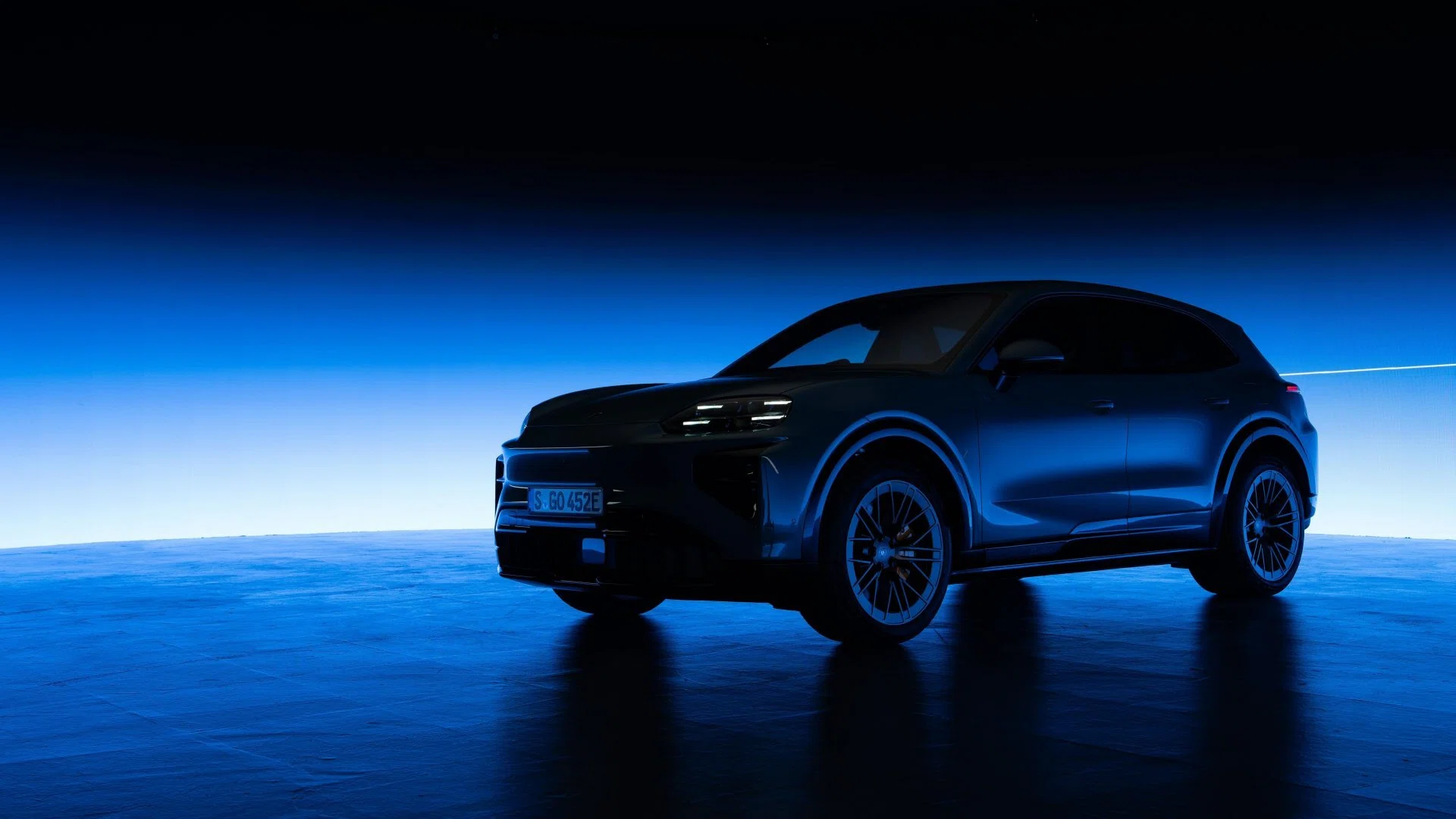
The most powerful production Porsche yet is not a 911. It is a Cayenne. With the fourth-generation Cayenne Electric making its Singapore debut, Porsche has pushed its large SUV into territory that would once have seemed faintly absurd.
At the top of the range, the Cayenne Turbo Electric produces up to 850kw, or 1,140hp, and 1,500Nm of torque with Launch Control, making it the most powerful series-production Porsche the company has built.
That output translates into a 0-to-100kmh time of 2.5 seconds and a top speed of 260kmh — figures that put a full-sized luxury SUV comfortably into supercar territory.
However, considerably more is going on underneath than an exercise in headline horsepower.
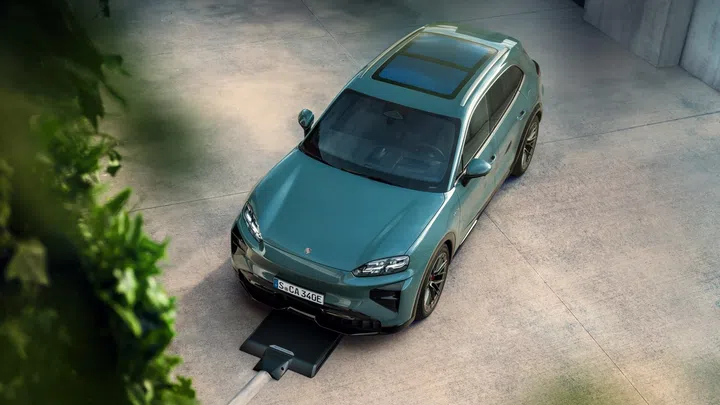
The new Cayenne Electric uses an 800-volt electrical architecture and a 113kwh high-voltage battery integrated directly into the vehicle structure. Under ideal conditions, it can accept DC charging at up to 400kw, taking the battery from 10 to 80 per cent in under 16 minutes.
The electrical system can also recuperate energy at up to 600kw during deceleration, with Porsche drawing on technology developed through its Formula E programme.
The Turbo goes further with direct oil cooling for its rear electric motor. Rather than relying on conventional indirect cooling, oil flows around the current-carrying components, helping the motor manage heat during sustained high-load operation.
A silicon-carbide rear-pulse inverter capable of handling currents up to 620 amperes further supports efficiency and repeatable performance.
Air apparent
Then there is the Aero function, one of the more visually conspicuous pieces of engineering on the Turbo.
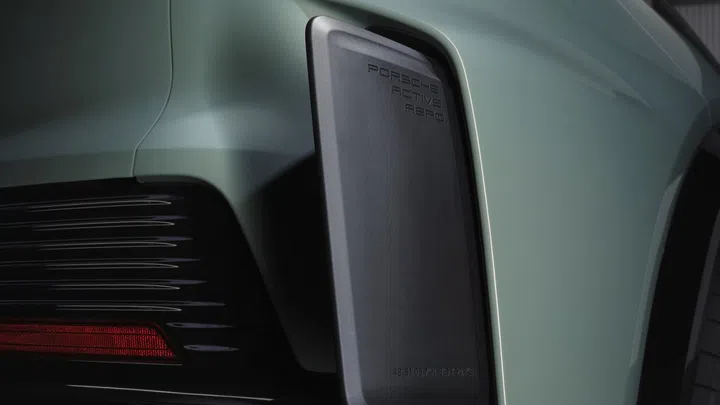
Active aeroblades sit on either side of the rear bodywork as part of Porsche Active Aerodynamics. They extend automatically from 55kmh and retract below 35kmh, working together with the adaptive rear spoiler and cooling-air flaps to control airflow according to the car’s requirements.
Extending the blades effectively lengthens the lateral separation edges at the rear, reducing aerodynamic losses and improving efficiency at higher speeds. Activate Launch Control and the blades extend even while stationary — perhaps the least subtle indication that the car is preparing to leave in a hurry.
Despite the Turbo’s extraordinary specifications, the standard Cayenne Electric may provide a more useful indication of what this new platform means for everyday driving. It produces up to 325kw, or 435hp, and 835Nm of torque with Launch Control, reaching 100kmh in 4.8 seconds and topping out at 230kmh. More pertinent for an electric SUV is its WLTP driving range of up to 642km, putting substantial distance between charging stops.
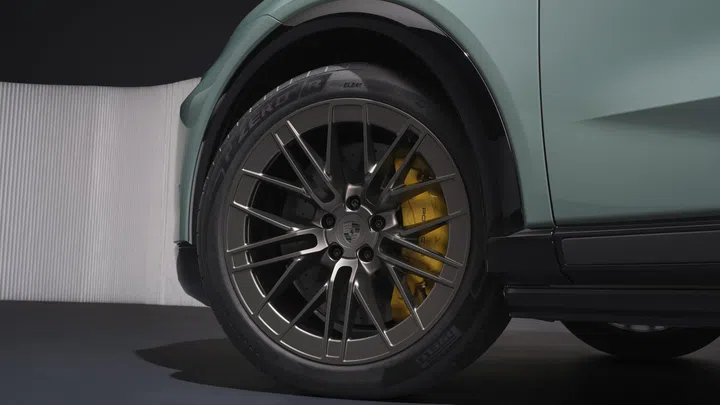
Porsche has also retained the adaptive air suspension and Porsche Active Suspension Management as standard, while rear-axle steering is available to improve manoeuvrability at low speeds and stability at higher speeds.
Selected higher-performance variants can be specified with Porsche Active Ride, which actively manages individual wheel loads to reduce body movement during acceleration, braking, and cornering.
It takes two to Cayenne
Buyers can choose between SUV and Coupé body styles. The difference goes beyond aesthetics: The Coupé achieves a drag coefficient of 0.23 versus the SUV’s 0.25, giving equivalent variants up to 18km of additional WLTP range. The SUV counters with greater luggage capacity, offering up to 1,511 litres behind the seats, supplemented by a 90-litre front compartment.
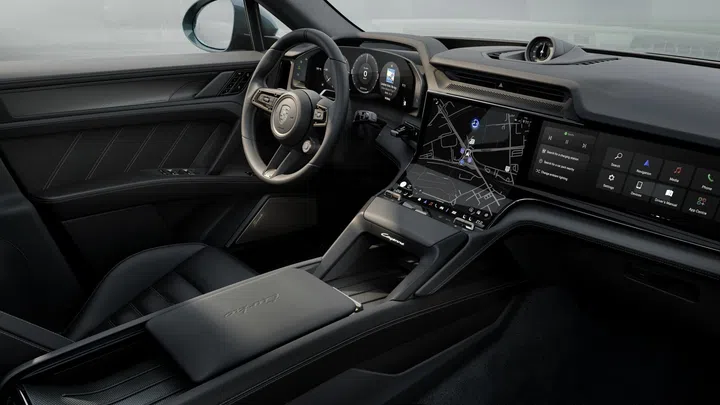
Inside, the transformation is equally substantial. Porsche’s new Driver Experience introduces the Flow Display, forming the largest digital display landscape yet fitted to one of its cars. Singapore-specification models also come standard with Digital Key, automatic parking with 2D Surround View, and a Bose surround-sound system.
The Cayenne Electric therefore puts Porsche at an interesting juncture. The company continues to offer combustion-engined and plug-in hybrid Cayennes alongside it, rather than treating electrification as an immediate replacement exercise.
What the electric model demonstrates instead is how far Porsche can stretch the Cayenne formula when an electric drivetrain removes many of the old performance constraints.