%22%3E%0A%3Cpath%20d%3D%22M412%20101.2H393.7C393.1%20101.2%20392.3%20100.9%20391.8%20100.5C377.3%2087.6004%20362.9%2074.6004%20348.4%2061.6004C344.8%2058.4004%20341.3%2055.2004%20337.7%2052.0004C337.1%2051.5004%20336.2%2051.1004%20335.5%2051.0004C334.2%2050.8004%20333%2051.0004%20331.5%2051.0004V101.1H316.7V0.100391H331.4V44.3004C331.9%2044.3004%20332.2%2044.4004%20332.5%2044.4004C334.9%2044.4004%20337.2%2044.5004%20339.6%2044.4004C340.4%2044.4004%20341.3%2044.0004%20341.8%2043.5004C351.6%2034.4004%20361.4%2025.2004%20371.1%2016.0004C376.5%2010.9004%20381.9%205.90039%20387.3%200.800391C387.9%200.200391%20388.5%200.000390626%20389.3%200.000390626H400.9C384.2%2015.8004%20367.8%2031.3004%20351.2%2047.0004C371.5%2065.0004%20391.8%2082.9004%20412.1%20100.9C412.1%20101%20412.1%20101.1%20412%20101.2ZM180.9%20101.2C184.1%2094.9004%20187.2%2088.9004%20190.3%2082.8004C198.3%2067.3004%20206.2%2051.8004%20214.2%2036.2004C220.3%2024.4004%20226.4%2012.5004%20232.4%200.700391C232.7%200.100391%20233%20-0.0996094%20233.7%20-0.0996094H248.1C248.8%20-0.0996094%20249.2%200.100391%20249.6%200.800391C256%2013.3004%20262.4%2025.7004%20268.8%2038.2004C279.3%2058.6004%20289.8%2079.0004%20300.3%2099.5004C300.5%20100%20300.8%20100.4%20301.1%20101.1C300.5%20101.1%20300.1%20101.2%20299.7%20101.2H286.5C285.6%20101.2%20285.1%20100.9%20284.7%20100.2C280.1%2091.3004%20275.4%2082.4004%20270.8%2073.4004C270.1%2072.1004%20269.3%2071.6004%20267.8%2071.6004H209.9C208.7%2071.6004%20208.1%2072.0004%20207.5%2073.1004C202.9%2082.1004%20198.2%2091.0004%20193.6%20100C193.1%20101%20192.6%20101.3%20191.5%20101.3C188.4%20101.2%20185.3%20101.3%20182.3%20101.3C182%20101.2%20181.6%20101.2%20180.9%20101.2ZM239.1%2011.4004C230%2029.2004%20221.1%2046.7004%20212.1%2064.3004H266.4C257.2%2046.7004%20248.2%2029.2004%20239.1%2011.4004ZM0%200.000390626H43.4C51.2%200.000390626%2058.7%201.20039%2065.7%204.80039C75.9%2010.0004%2078.9%2018.0004%2078.6%2027.4004C78.3%2034.3004%2076%2040.5004%2071.2%2045.5004C67.3%2049.6004%2062.4%2052.3004%2057.1%2054.3004C50.6%2056.7004%2043.9%2058.0004%2037.1%2058.6004C30.1%2059.2004%2023.1%2059.4004%2016.2%2059.7004C15.8%2059.7004%2015.3%2059.8004%2014.8%2059.8004V101.1H0.1C0%2067.4004%200%2033.8004%200%200.000390626ZM14.8%207.10039V52.2004C23.7%2052.4004%2032.6%2052.3004%2041.2%2050.1004C44.4%2049.3004%2047.6%2048.2004%2050.6%2046.7004C58.4%2043.0004%2062.3%2036.7004%2062.7%2028.0004C63%2019.9004%2059.5%2014.1004%2052.4%2010.5004C47.6%208.00039%2042.5%207.10039%2037.2%207.10039H14.8ZM95.9%20101.1V0.100391H167.3V7.20039H110.7V44.7004H158.1V51.9004H110.8V93.9004H171.1V101C146.1%20101.1%20121%20101.1%2095.9%20101.1Z%22%20fill%3D%22black%22%2F%3E%0A%3Cpath%20d%3D%22M35.0004%2025.7996H42.5004V20.6996H44.8004V33.1996H42.6004V27.5996H34.9004V33.2996H32.7004V20.7996H35.0004V25.7996ZM54.4004%2025.8996V27.2996H48.9004V31.6996H55.9004C55.9004%2032.1996%2056.0004%2032.5996%2056.0004%2033.0996H46.5004V20.5996H55.5004V21.8996H49.0004V25.7996C50.7004%2025.8996%2052.5004%2025.8996%2054.4004%2025.8996ZM25.9004%2033.0996H23.5004V21.9996H17.9004V20.6996H31.6004V22.0996H27.1004C26.2004%2022.0996%2025.9004%2022.2996%2025.9004%2023.1996C26.0004%2026.0996%2025.9004%2028.9996%2025.9004%2031.7996V33.0996Z%22%20fill%3D%22black%22%2F%3E%0A%3C%2Fg%3E%0A%3Cdefs%3E%0A%3CclipPath%20id%3D%22clip0_388_462%22%3E%0A%3Crect%20width%3D%22411%22%20height%3D%22101.2%22%20fill%3D%22white%22%2F%3E%0A%3C%2FclipPath%3E%0A%3C%2Fdefs%3E%0A%3C%2Fsvg%3E%0A)
Share this article
The difficult part of electrifying an icon is rarely the battery. It is deciding how much of the icon you can disturb before technological progress starts looking suspiciously like character assassination.
Range Rover appears to have arrived at a rather conservative answer: very little.
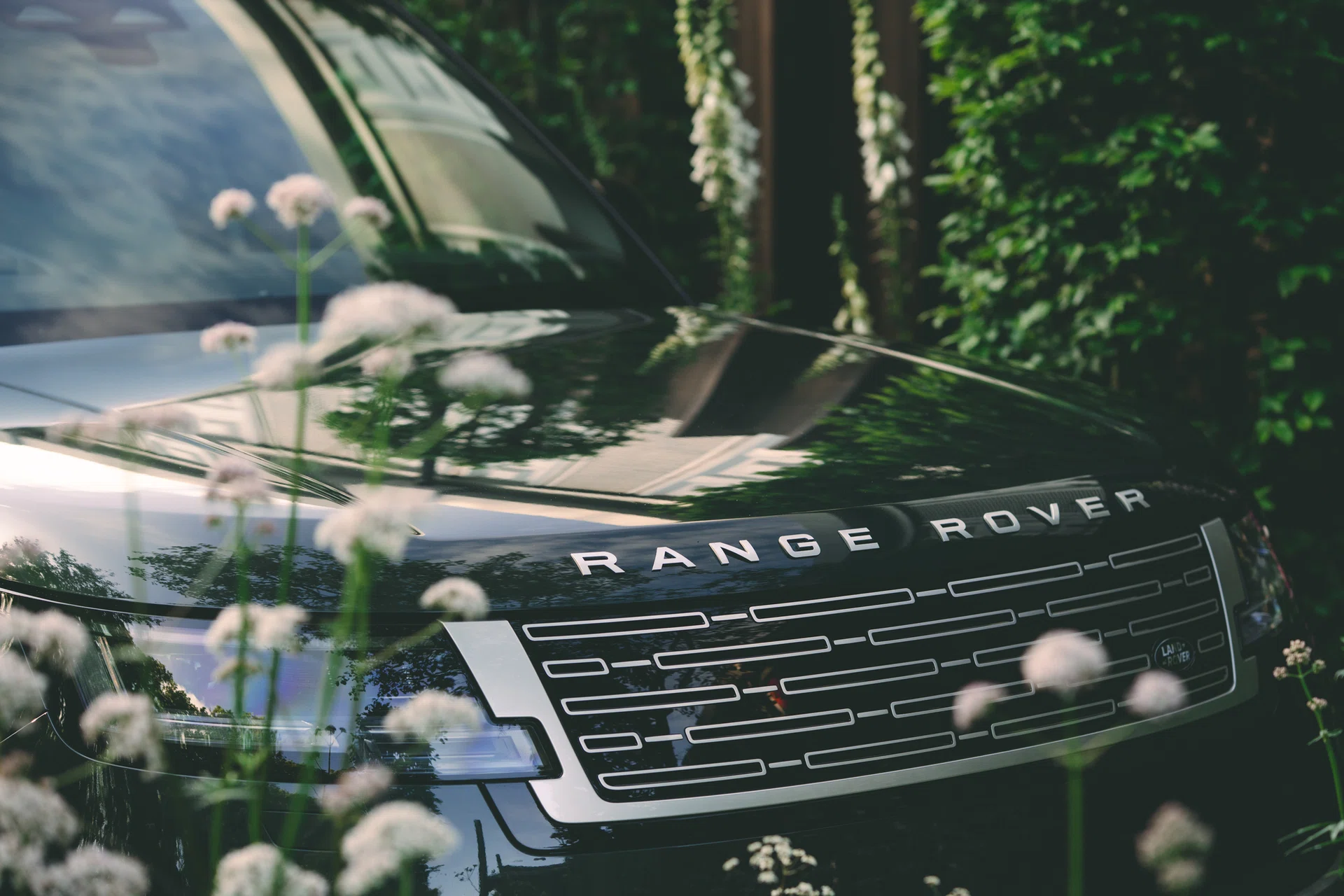
Its first fully electric Range Rover looks deliberately familiar, down to the imposing proportions, split tailgate and almost monolithic bodywork. Even the visual concessions to electrification are restrained: an aerodynamically optimised grille, new wheels, a flatter underbody, and a powered charging door.
The company describes its philosophy as “Range Rover first, Electric second”, which sounds like marketing until you consider how comprehensively the engineering has been organised around that premise.
The electric drivetrain, therefore, functions less as a repudiation of the Range Rover formula than as an unusually convenient way of exaggerating it.
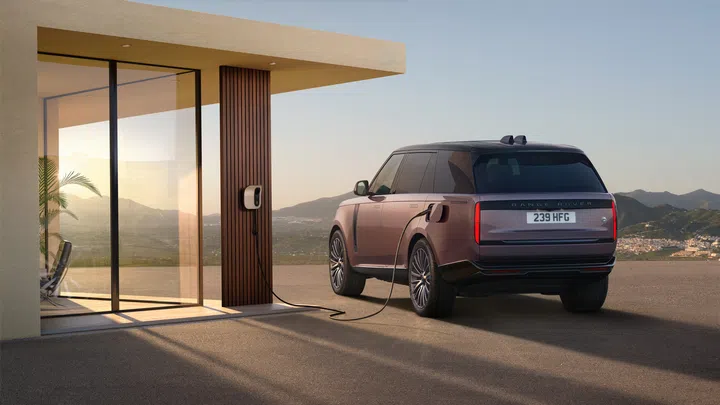
Two 260kw electric motors produce up to 550PS and 850Nm, making this the torquiest Range Rover yet. The First Edition dispatches 0-100kmh in 4.5 seconds, while its enormous 118.5kwh battery delivers up to 600km of WLTP range. An 800-volt electrical architecture allows a 10-to-80-per-cent DC charge in around 22 minutes under optimum conditions.
Those numbers are impressive, although outright speed has become one of the least surprising things about expensive EVs. The more interesting achievement lies elsewhere: Range Rover has used electrification to make its existing obsession with effortlessness technically easier to realise.
Electric motors can meter torque with far greater precision than an internal-combustion drivetrain. Here, Integrated Traction Management can control motor speed within 50 milliseconds, while the system can vary rear torque from 100 per cent to zero.
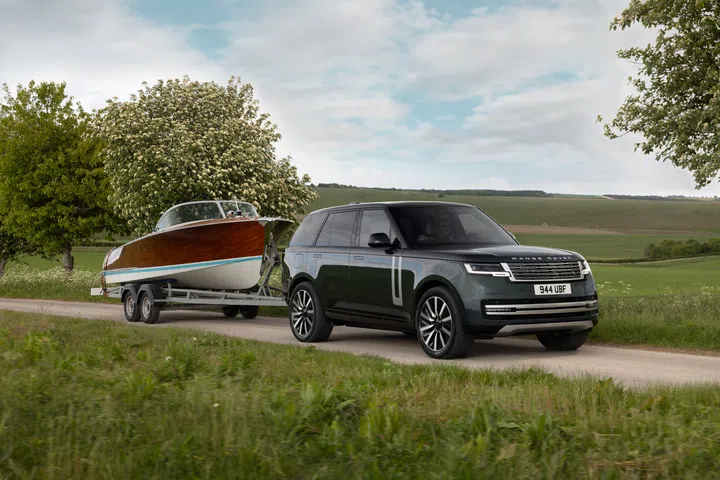
The result, Range Rover claims, is slip management up to 100 times faster than an equivalent combustion-powered vehicle. It can still wade through 900mm of water, tow as much as 2,500kg and tackle a 45-degree rolling incline.
Single-pedal driving, normally associated with urban EV efficiency, has even been repurposed as an off-road tool, letting the driver crawl over difficult terrain with fewer inputs.
There is, inevitably, a great deal of mass involved. The First Edition weighs 2,810kg unladen. That number neatly illustrates the paradox of the contemporary luxury EV: extraordinary engineering increasingly exists to make extraordinary weight feel inconsequential.
Range Rover lowers the electric model’s centre of gravity by 88mm compared with other Range Rovers and deploys air suspension, adaptive damping and all-wheel steering to manage the consequences.
Perhaps that is why the quieter details are more revealing than the headline specifications. JLR developed its own battery and electric motors in Britain, filed more than 300 patent applications around the vehicle, and created ThermAssist, a thermal-management system claimed to cut heating energy consumption by 40 per cent while adding up to 25 miles of range.
Each battery also has a digital twin that monitors more than 900 diagnostic data points throughout its life.
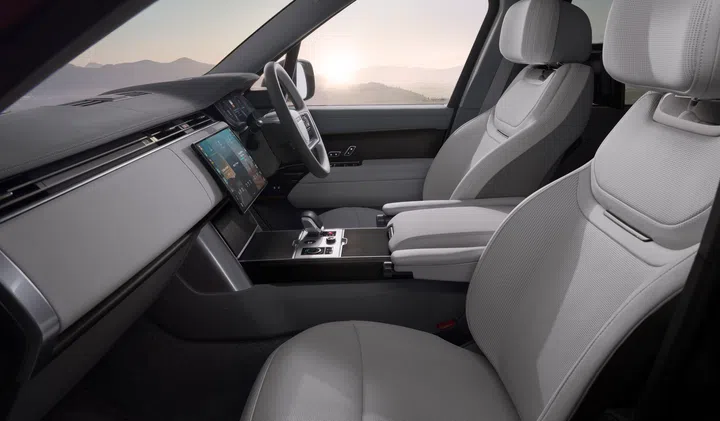
Inside, meanwhile, electrification becomes almost theatrical. Near-silent propulsion meets active noise cancellation, hot-stone massage seats, air purification and, for the first time in a Range Rover, an integrated fragrance diffuser.
That last feature may explain the car better than any kilowatt figure. Range Rover has effectively decided that electrification changes the means, rather than the meaning, of luxury. The battery disappears behind the experience: more silence, more torque, more control and less mechanical drama.
That is the thesis of the Range Rover Electric, and it is a convincing one. The future of Range Rover, apparently, looks remarkably like its past — only quieter, heavier and considerably more sophisticated.