%22%3E%0A%3Cpath%20d%3D%22M412%20101.2H393.7C393.1%20101.2%20392.3%20100.9%20391.8%20100.5C377.3%2087.6004%20362.9%2074.6004%20348.4%2061.6004C344.8%2058.4004%20341.3%2055.2004%20337.7%2052.0004C337.1%2051.5004%20336.2%2051.1004%20335.5%2051.0004C334.2%2050.8004%20333%2051.0004%20331.5%2051.0004V101.1H316.7V0.100391H331.4V44.3004C331.9%2044.3004%20332.2%2044.4004%20332.5%2044.4004C334.9%2044.4004%20337.2%2044.5004%20339.6%2044.4004C340.4%2044.4004%20341.3%2044.0004%20341.8%2043.5004C351.6%2034.4004%20361.4%2025.2004%20371.1%2016.0004C376.5%2010.9004%20381.9%205.90039%20387.3%200.800391C387.9%200.200391%20388.5%200.000390626%20389.3%200.000390626H400.9C384.2%2015.8004%20367.8%2031.3004%20351.2%2047.0004C371.5%2065.0004%20391.8%2082.9004%20412.1%20100.9C412.1%20101%20412.1%20101.1%20412%20101.2ZM180.9%20101.2C184.1%2094.9004%20187.2%2088.9004%20190.3%2082.8004C198.3%2067.3004%20206.2%2051.8004%20214.2%2036.2004C220.3%2024.4004%20226.4%2012.5004%20232.4%200.700391C232.7%200.100391%20233%20-0.0996094%20233.7%20-0.0996094H248.1C248.8%20-0.0996094%20249.2%200.100391%20249.6%200.800391C256%2013.3004%20262.4%2025.7004%20268.8%2038.2004C279.3%2058.6004%20289.8%2079.0004%20300.3%2099.5004C300.5%20100%20300.8%20100.4%20301.1%20101.1C300.5%20101.1%20300.1%20101.2%20299.7%20101.2H286.5C285.6%20101.2%20285.1%20100.9%20284.7%20100.2C280.1%2091.3004%20275.4%2082.4004%20270.8%2073.4004C270.1%2072.1004%20269.3%2071.6004%20267.8%2071.6004H209.9C208.7%2071.6004%20208.1%2072.0004%20207.5%2073.1004C202.9%2082.1004%20198.2%2091.0004%20193.6%20100C193.1%20101%20192.6%20101.3%20191.5%20101.3C188.4%20101.2%20185.3%20101.3%20182.3%20101.3C182%20101.2%20181.6%20101.2%20180.9%20101.2ZM239.1%2011.4004C230%2029.2004%20221.1%2046.7004%20212.1%2064.3004H266.4C257.2%2046.7004%20248.2%2029.2004%20239.1%2011.4004ZM0%200.000390626H43.4C51.2%200.000390626%2058.7%201.20039%2065.7%204.80039C75.9%2010.0004%2078.9%2018.0004%2078.6%2027.4004C78.3%2034.3004%2076%2040.5004%2071.2%2045.5004C67.3%2049.6004%2062.4%2052.3004%2057.1%2054.3004C50.6%2056.7004%2043.9%2058.0004%2037.1%2058.6004C30.1%2059.2004%2023.1%2059.4004%2016.2%2059.7004C15.8%2059.7004%2015.3%2059.8004%2014.8%2059.8004V101.1H0.1C0%2067.4004%200%2033.8004%200%200.000390626ZM14.8%207.10039V52.2004C23.7%2052.4004%2032.6%2052.3004%2041.2%2050.1004C44.4%2049.3004%2047.6%2048.2004%2050.6%2046.7004C58.4%2043.0004%2062.3%2036.7004%2062.7%2028.0004C63%2019.9004%2059.5%2014.1004%2052.4%2010.5004C47.6%208.00039%2042.5%207.10039%2037.2%207.10039H14.8ZM95.9%20101.1V0.100391H167.3V7.20039H110.7V44.7004H158.1V51.9004H110.8V93.9004H171.1V101C146.1%20101.1%20121%20101.1%2095.9%20101.1Z%22%20fill%3D%22black%22%2F%3E%0A%3Cpath%20d%3D%22M35.0004%2025.7996H42.5004V20.6996H44.8004V33.1996H42.6004V27.5996H34.9004V33.2996H32.7004V20.7996H35.0004V25.7996ZM54.4004%2025.8996V27.2996H48.9004V31.6996H55.9004C55.9004%2032.1996%2056.0004%2032.5996%2056.0004%2033.0996H46.5004V20.5996H55.5004V21.8996H49.0004V25.7996C50.7004%2025.8996%2052.5004%2025.8996%2054.4004%2025.8996ZM25.9004%2033.0996H23.5004V21.9996H17.9004V20.6996H31.6004V22.0996H27.1004C26.2004%2022.0996%2025.9004%2022.2996%2025.9004%2023.1996C26.0004%2026.0996%2025.9004%2028.9996%2025.9004%2031.7996V33.0996Z%22%20fill%3D%22black%22%2F%3E%0A%3C%2Fg%3E%0A%3Cdefs%3E%0A%3CclipPath%20id%3D%22clip0_388_462%22%3E%0A%3Crect%20width%3D%22411%22%20height%3D%22101.2%22%20fill%3D%22white%22%2F%3E%0A%3C%2FclipPath%3E%0A%3C%2Fdefs%3E%0A%3C%2Fsvg%3E%0A)
Now you can enjoy sake with a lower alcohol content
This feat is achieved in the same way that some winemakers use to market low-alcohol wines — the fermentation process in vats is deliberately interrupted.
By ETX Daily Up /
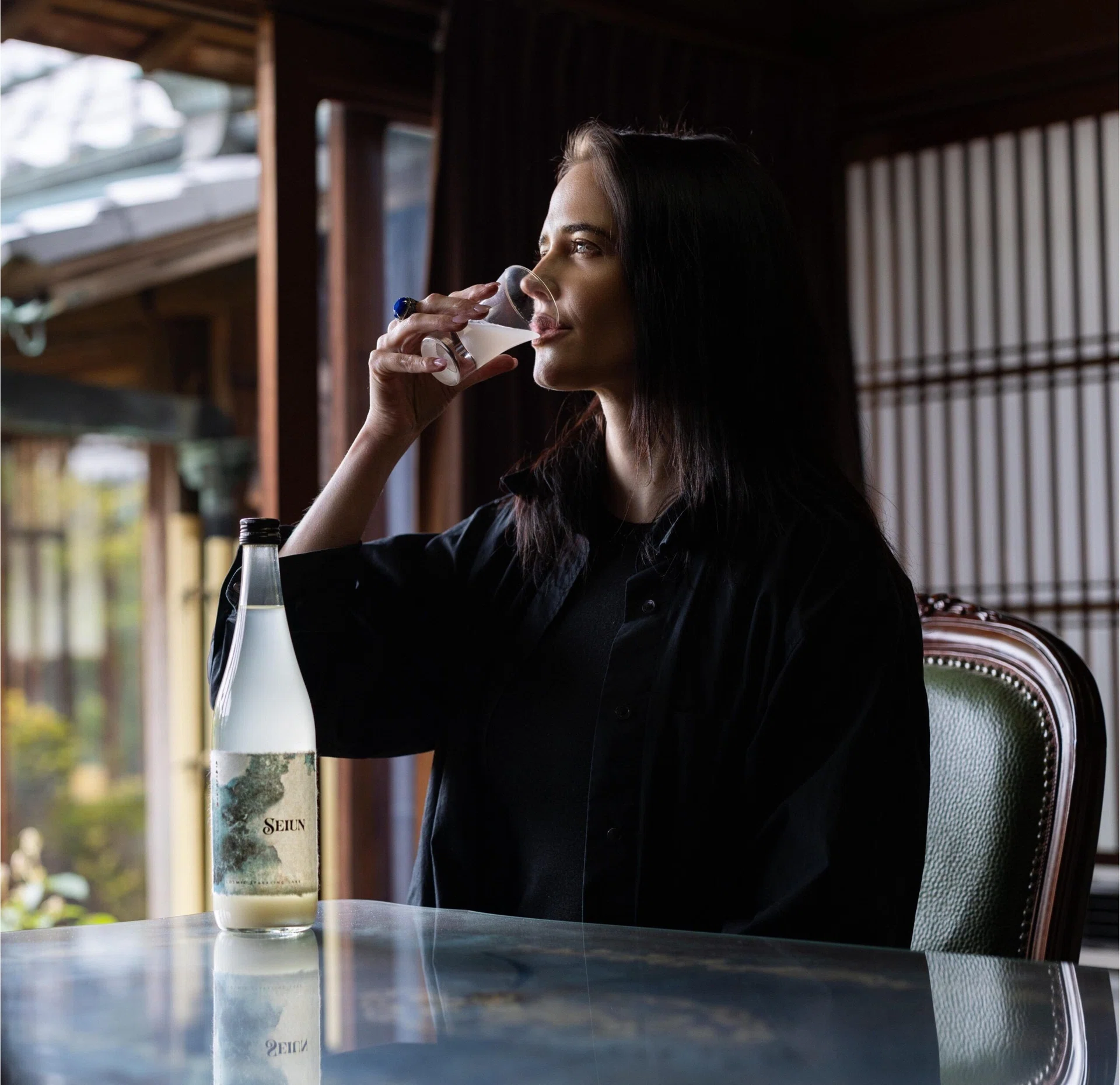
You might not expect to find sake among the latest trendy low-alcohol drinks, given its deep-rooted traditions, which are even recognised by UNESCO. However, there is now a sake with an alcohol content of just 8 per cent, and the name of its creator may surprise you.
After beer, gin and other spirits, wine and even champagne, the range of low-alcohol drinks seems almost complete. The latest addition to the list of options is sake. Increasingly featured on restaurant menus, this Japanese rice wine has gained a new reputation in recent years.
The Japanese drink is an alcoholic beverage made by fermenting rice that has been polished to remove the bran, and has an alcohol content around 14 per cent — just like a red wine from the Rhône Valley. This is the case of Junmai, ie, sakes to which no alcohol has been added. Only alcohol resulting from the fermentation produces the desired effect.
The alcohol content can rise to around 16 per cent for Ginjo, a category corresponding to sakes in which the rice has been polished more (to 60 per cent) and extra distilled alcohol has been added. This rises to 20 per cent for Genshu, where no additional water has been added after fermentation.
Sake is also being rethought as people look for lower-alcohol alternatives. However, few have tried and tested the concept. It is important to note that this rice-based alcohol is deeply rooted in both Japanese traditions and customs.
Just as it would be impossible to define France’s culinary heritage without its baguette, sake is an essential part of the Japanese way of life. The expertise required to produce it was added to UNESCO’s Intangible Cultural Heritage list last December.
However, the idea of crafting a low-alcohol version is not without merit. And the initiative is likely to cause a buzz because it is led by the French actress Eva Green. Fascinated by Japanese culture, the former Bond girl embarked on this venture alongside her childhood friend, Hadrien Wolff. Both were trained in France and Japan in the art of rice wine production.
They eventually chose a 200-year-old brewery in Osaka, Kuninocho, to develop their own sake. Its distinctive feature is that it is only 8 per cent alcohol by volume. This feat is achieved in the same way that some winemakers use to market low-alcohol wines: the fermentation process in vats is deliberately interrupted. The second fermentation is stopped by pasteurisation.
Slightly sparkling on the palate, this new creation is best enjoyed chilled. It is called Seiun, which means “nebula” in Japanese. To market it, Eva Green and Hadrien Wolff set up the company The Green Wolf. The sake is currently available for pre-order at a price of €45 ($67.35). For the time being, deliveries will only be made in France and Belgium.
As a special feature, each bottle will feature a QR code linking to a playlist of the songs played during fermentation. These are spatial sounds, at various frequencies, which were emitted into each tank to stimulate the yeast’s action.
Music may indeed have beneficial effects at this crucial stage in the wine-making process, according to scientific research conducted by researcher Stefano Cervigni on a vineyard in Tuscany.
Other studies of this kind have been conducted and have reached similar conclusions, according to the specialist website, Grands Vins Privés.