%22%3E%0A%3Cpath%20d%3D%22M412%20101.2H393.7C393.1%20101.2%20392.3%20100.9%20391.8%20100.5C377.3%2087.6004%20362.9%2074.6004%20348.4%2061.6004C344.8%2058.4004%20341.3%2055.2004%20337.7%2052.0004C337.1%2051.5004%20336.2%2051.1004%20335.5%2051.0004C334.2%2050.8004%20333%2051.0004%20331.5%2051.0004V101.1H316.7V0.100391H331.4V44.3004C331.9%2044.3004%20332.2%2044.4004%20332.5%2044.4004C334.9%2044.4004%20337.2%2044.5004%20339.6%2044.4004C340.4%2044.4004%20341.3%2044.0004%20341.8%2043.5004C351.6%2034.4004%20361.4%2025.2004%20371.1%2016.0004C376.5%2010.9004%20381.9%205.90039%20387.3%200.800391C387.9%200.200391%20388.5%200.000390626%20389.3%200.000390626H400.9C384.2%2015.8004%20367.8%2031.3004%20351.2%2047.0004C371.5%2065.0004%20391.8%2082.9004%20412.1%20100.9C412.1%20101%20412.1%20101.1%20412%20101.2ZM180.9%20101.2C184.1%2094.9004%20187.2%2088.9004%20190.3%2082.8004C198.3%2067.3004%20206.2%2051.8004%20214.2%2036.2004C220.3%2024.4004%20226.4%2012.5004%20232.4%200.700391C232.7%200.100391%20233%20-0.0996094%20233.7%20-0.0996094H248.1C248.8%20-0.0996094%20249.2%200.100391%20249.6%200.800391C256%2013.3004%20262.4%2025.7004%20268.8%2038.2004C279.3%2058.6004%20289.8%2079.0004%20300.3%2099.5004C300.5%20100%20300.8%20100.4%20301.1%20101.1C300.5%20101.1%20300.1%20101.2%20299.7%20101.2H286.5C285.6%20101.2%20285.1%20100.9%20284.7%20100.2C280.1%2091.3004%20275.4%2082.4004%20270.8%2073.4004C270.1%2072.1004%20269.3%2071.6004%20267.8%2071.6004H209.9C208.7%2071.6004%20208.1%2072.0004%20207.5%2073.1004C202.9%2082.1004%20198.2%2091.0004%20193.6%20100C193.1%20101%20192.6%20101.3%20191.5%20101.3C188.4%20101.2%20185.3%20101.3%20182.3%20101.3C182%20101.2%20181.6%20101.2%20180.9%20101.2ZM239.1%2011.4004C230%2029.2004%20221.1%2046.7004%20212.1%2064.3004H266.4C257.2%2046.7004%20248.2%2029.2004%20239.1%2011.4004ZM0%200.000390626H43.4C51.2%200.000390626%2058.7%201.20039%2065.7%204.80039C75.9%2010.0004%2078.9%2018.0004%2078.6%2027.4004C78.3%2034.3004%2076%2040.5004%2071.2%2045.5004C67.3%2049.6004%2062.4%2052.3004%2057.1%2054.3004C50.6%2056.7004%2043.9%2058.0004%2037.1%2058.6004C30.1%2059.2004%2023.1%2059.4004%2016.2%2059.7004C15.8%2059.7004%2015.3%2059.8004%2014.8%2059.8004V101.1H0.1C0%2067.4004%200%2033.8004%200%200.000390626ZM14.8%207.10039V52.2004C23.7%2052.4004%2032.6%2052.3004%2041.2%2050.1004C44.4%2049.3004%2047.6%2048.2004%2050.6%2046.7004C58.4%2043.0004%2062.3%2036.7004%2062.7%2028.0004C63%2019.9004%2059.5%2014.1004%2052.4%2010.5004C47.6%208.00039%2042.5%207.10039%2037.2%207.10039H14.8ZM95.9%20101.1V0.100391H167.3V7.20039H110.7V44.7004H158.1V51.9004H110.8V93.9004H171.1V101C146.1%20101.1%20121%20101.1%2095.9%20101.1Z%22%20fill%3D%22black%22%2F%3E%0A%3Cpath%20d%3D%22M35.0004%2025.7996H42.5004V20.6996H44.8004V33.1996H42.6004V27.5996H34.9004V33.2996H32.7004V20.7996H35.0004V25.7996ZM54.4004%2025.8996V27.2996H48.9004V31.6996H55.9004C55.9004%2032.1996%2056.0004%2032.5996%2056.0004%2033.0996H46.5004V20.5996H55.5004V21.8996H49.0004V25.7996C50.7004%2025.8996%2052.5004%2025.8996%2054.4004%2025.8996ZM25.9004%2033.0996H23.5004V21.9996H17.9004V20.6996H31.6004V22.0996H27.1004C26.2004%2022.0996%2025.9004%2022.2996%2025.9004%2023.1996C26.0004%2026.0996%2025.9004%2028.9996%2025.9004%2031.7996V33.0996Z%22%20fill%3D%22black%22%2F%3E%0A%3C%2Fg%3E%0A%3Cdefs%3E%0A%3CclipPath%20id%3D%22clip0_388_462%22%3E%0A%3Crect%20width%3D%22411%22%20height%3D%22101.2%22%20fill%3D%22white%22%2F%3E%0A%3C%2FclipPath%3E%0A%3C%2Fdefs%3E%0A%3C%2Fsvg%3E%0A)
Cutting-edge yet traditional: Why Shanghai’s fine-dining scene is worth a revisit
In China’s financial hub, where the fine-dining scene has been running on a sleek playbook, an exciting wave of restaurants is redefining local ingredients and Western techniques, while stalwarts are taking a deeper regional dive.
By Grace Ma /
Share this article
The frugal lifestyle of the Wu-speaking people living around the Yangtze River Delta often means that meals are cobbled together from leftovers of meat, vegetables, and rice.
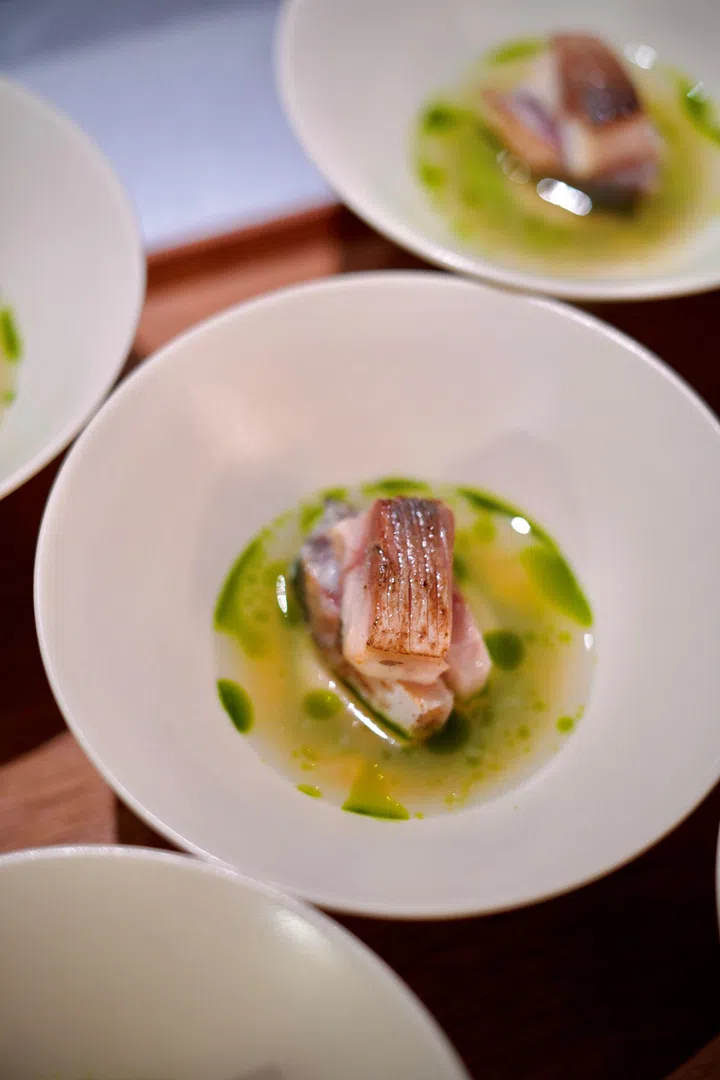
Hardly inspirational fodder for fine dining, but Fabula, a modern Asian restaurant in Shanghai, has boldly riffed on these rustic dishes. In this case, aji and saba, luscious in winter fat, are served with a sous vide gel of fresh duck egg yolk as a nostalgic nod to leftovers.
Fabula, which opened last August, is currently one of the hottest tables in Shanghai — a testament to a fresh wind of excitement blowing through the city’s fine-dining scene.
Young Chinese chefs, who have trained or worked abroad in Michelin-starred kitchens, are crafting new conversations with local ingredients and Western techniques.
Meanwhile, stalwarts who have been spotlighting regional cuisine are going deep with tea pairing and produce-led menus.
Shanghai’s position as a cosmopolitan financial hub has solidified its status as one of Asia’s leading fine-dining hotspots. Post-Covid-19, the expatriate crowd has dwindled, the city faces more challenging economic headwinds, and diners are becoming more cautious and discerning in their spending.
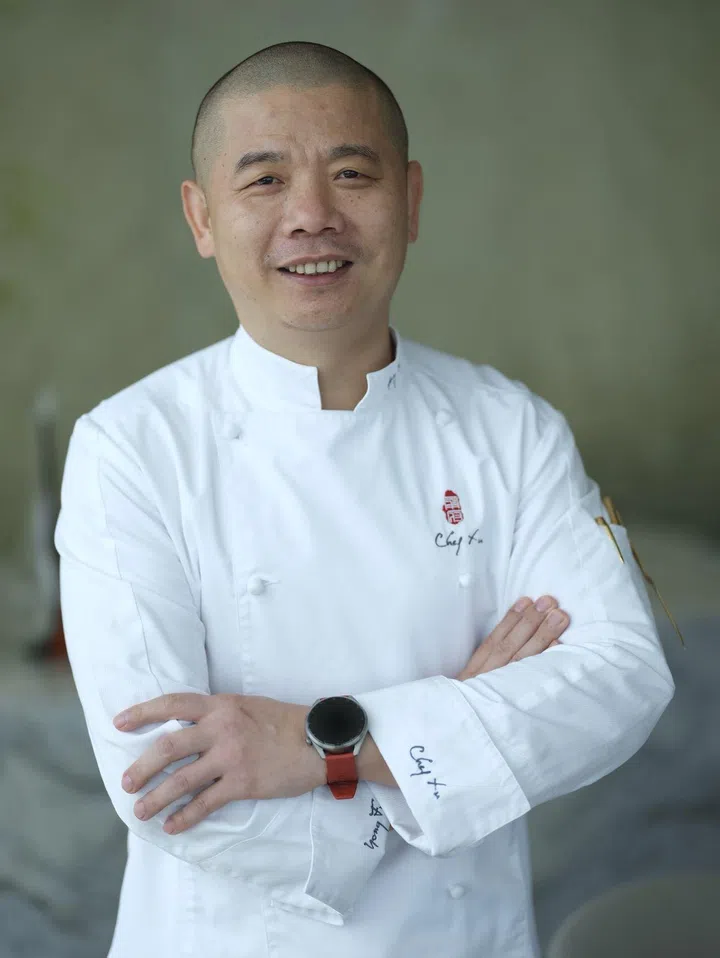
Yet, Shanghai remains a “dream testing ground” for up-and-coming mainland Chinese chefs, says Xu Kun-lei, executive chef of Ningbo restaurant Yong Fu, which first opened in Shanghai in 2011 and later expanded to Hong Kong and Singapore in 2019 and 2024, respectively.
“Compared to cities like Hong Kong, Singapore, and Bangkok, Shanghai offers more international exposure, diverse customer feedback, and opportunities for cross-disciplinary collaborations. This is especially suitable for local chefs to interpret traditional cuisines with modern techniques. Shanghai’s advantages lie in its large and inclusive market, well-established infrastructure, a concentration of talent, and a wider and freer space for cultural expression.”
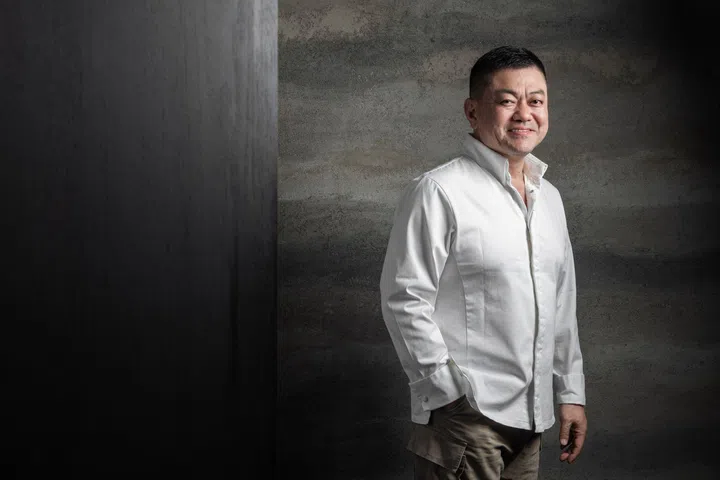
Japanese chef-owner Yoshihiro Narisawa, who chose Shanghai for the first overseas outpost for his two-Michelin-starred Narisawa in 2023, agrees.
He says: “The chefs working here show a deep understanding of historical food cultures, and through their own perspectives, they create cuisine that resonates with today’s diners. Even as a younger generation of chefs continues to rise, Shanghai remains a city where restaurants with strong traditions and long histories coexist and thrive.”
Four restaurants from Shanghai made it to this year’s Asia’s 50 Best Restaurants list. They are Meet the Bund (No.6), Ling Long (No.9), 102 House (No.29) and La Bourriche 133 (No.48).
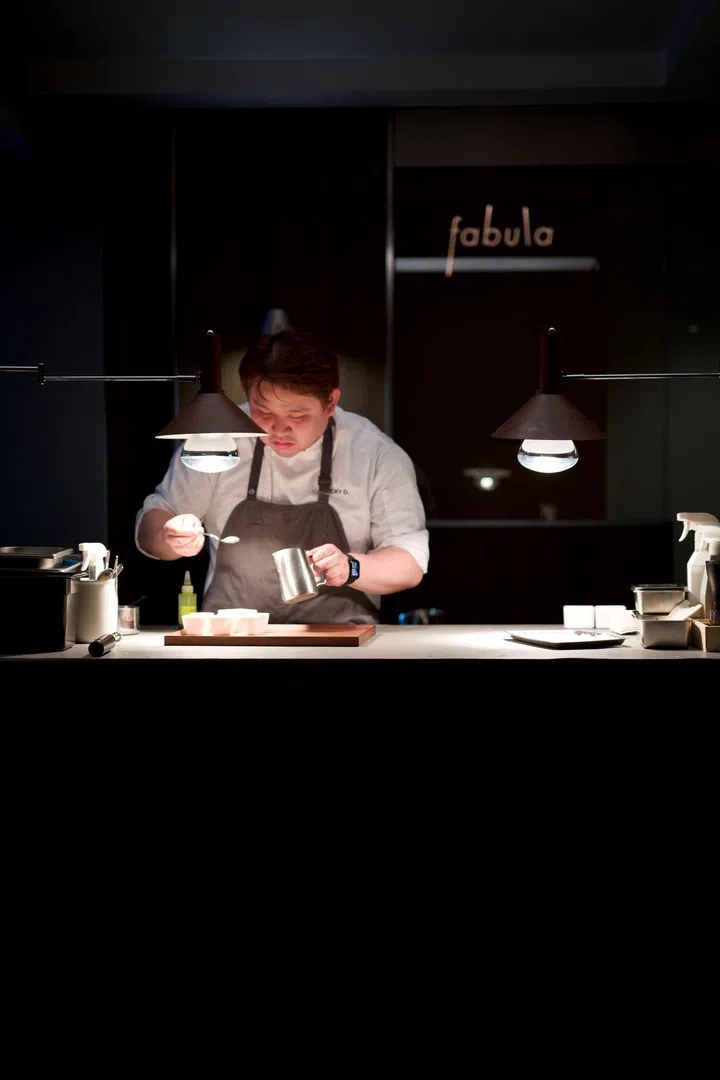
Case in point: Fabula’s three co-founders, Ricky Deng, Zee Zheng, and Charles Tan, who are in their late 20s and early 30s, have previously worked at Michelin-starred establishments, Deng and Zheng at Shanghai’s Tai’an Table and Tan at Hong Kong’s Amber.
Tan shares: “Our overseas peers are returning with knowledge and scientific approaches that are rejuvenating the utilisation of local Chinese products, including age-old fermented products. Alongside fine-dining, bistro, and casual drinking culture feature heavily on natural wines, which signifies rising demand for a more accessible yet materially enriched lifestyle.”
He believes that this nascent trend, led by the city’s younger generation, is ushering in the next stage of Shanghai’s fine-dining scene.
Unfettered by convention
This wave of restaurants that have opened in the past three years is defined by the use of overlooked, “plebeian” ingredients, the blurring of boundaries between Chinese and Western cooking techniques, and a uniquely convivial style of Chinese hospitality.
Besides drawing inspiration from everyday dishes, Fabula’s chefs, who hail from Shanghai and the provinces of Zhejiang and Guangdong, are using regional produce unlikely to appear on a typical European fine-dining menu, such as luffa and bok choy.
Tan says: “We want to use these ingredients at a creative, fine-dining level with Western techniques to show that quality is defined by how something is made, and not merely by its origins.”
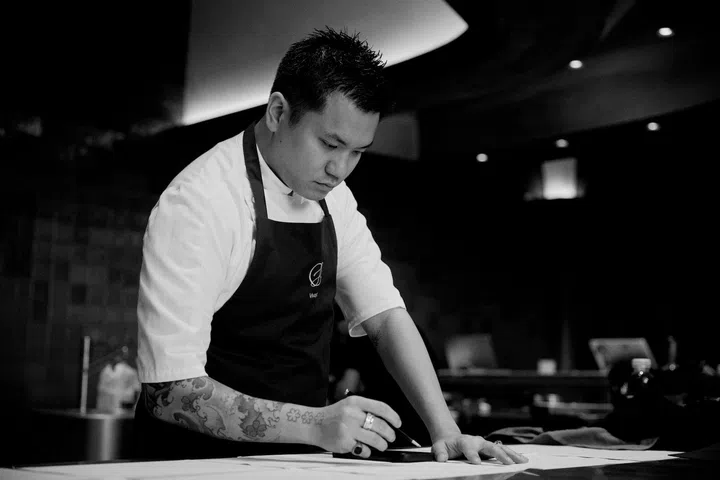
Johnny Pham, co-founder and executive chef at Vivant by Johnny Pham in the historic Far Eastern Hotel in the Huangpu district, ditches formal dress codes and specific dining times at his restaurant.
Portions are delicious and generous: the signature “unisotto” boasts heaps of Dalian sea urchin, without the usual lashings of cream and cheese; the beef pho comes in a huge porcelain bowl with A5 wagyu tendon and ribeye glistening in a clear, beef broth that has been simmered for over 24 hours.
A whole tail of East China Sea langoustine was served with a sprinkling of salt-marinated Guanxi lemons and Sichuan caviar.
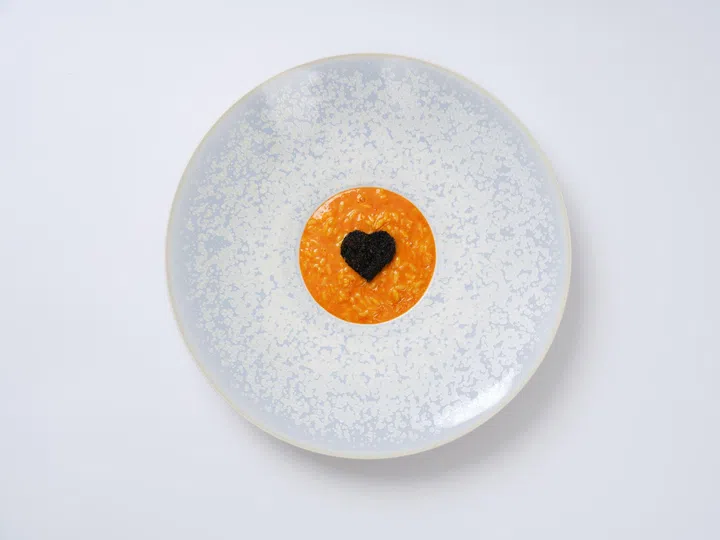
Pham, a 32-year-old French Vietnamese who has worked in Michelin-starred restaurants in France and Shanghai, says: “Customers are not looking for classic fine-dining, but places where they feel good and can be themselves. We are generous with the food portions — people are shocked to see a whole lobster tail — and we keep the wines priced at wine bar level.”
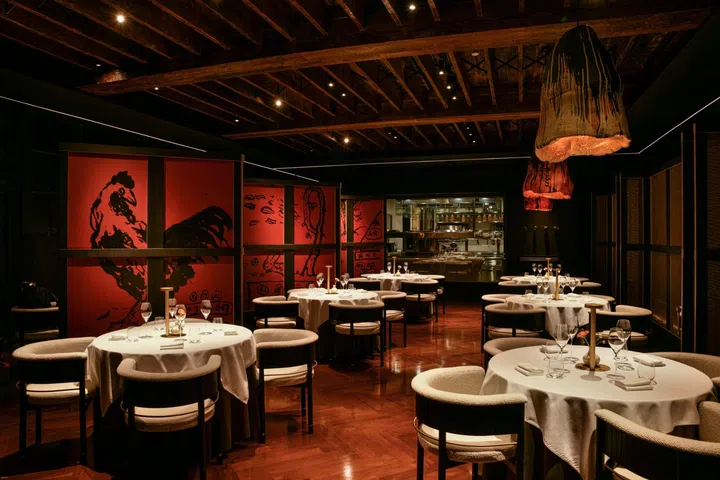
At Ling Long, which opened in Waldorf Astoria Shanghai On the Bund in 2023, 33-year-old chef Jason Liu pushes the envelope of “xian (umami), tradition, and localisation” in his tasting menus.
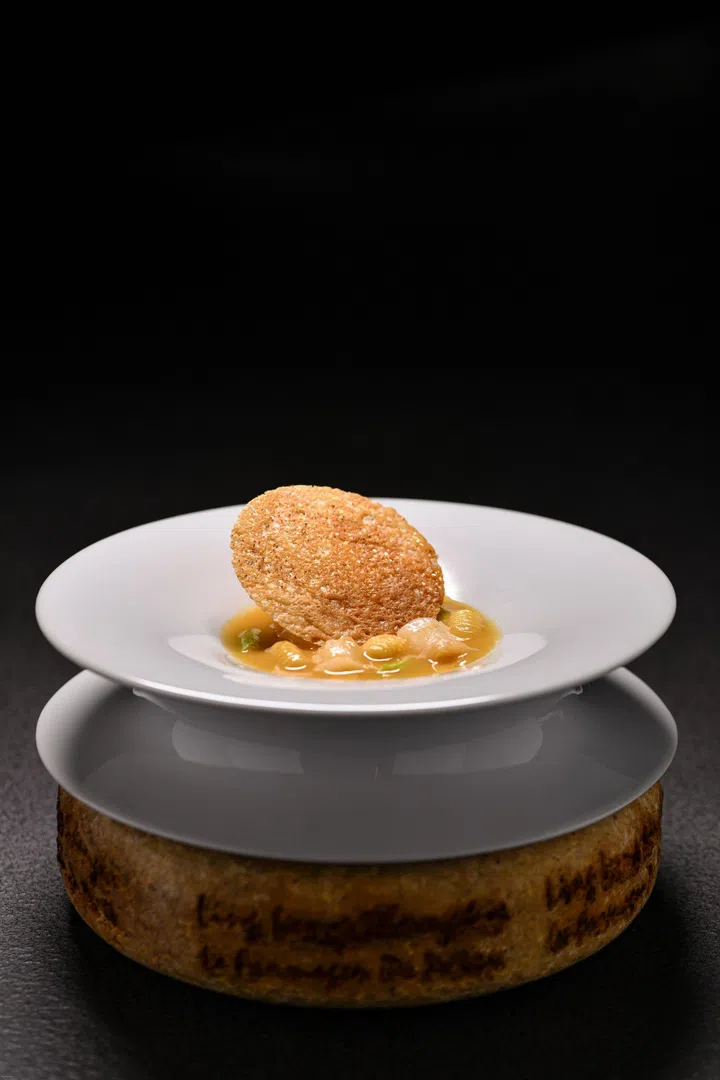
His daring Chinese-Italian take on seafood and cheese is a gelatinous fish maw on a rich, creamy sauce of local Parmesan and Tangshan chicken, with lemongrass and aged tangerine peel layering subtle acidity. More texture comes from a Parmesan tuile topper and gnocchi made from Chinese rice cake and potato.
In another dish, technique is the star: a crispy pigeon is cooked at high temperatures to lock in a tender, juicy flesh. It is served with a Cantonese-inspired sauce of green apricots and coral mushrooms that balances the flavours with acidity and fruitiness.
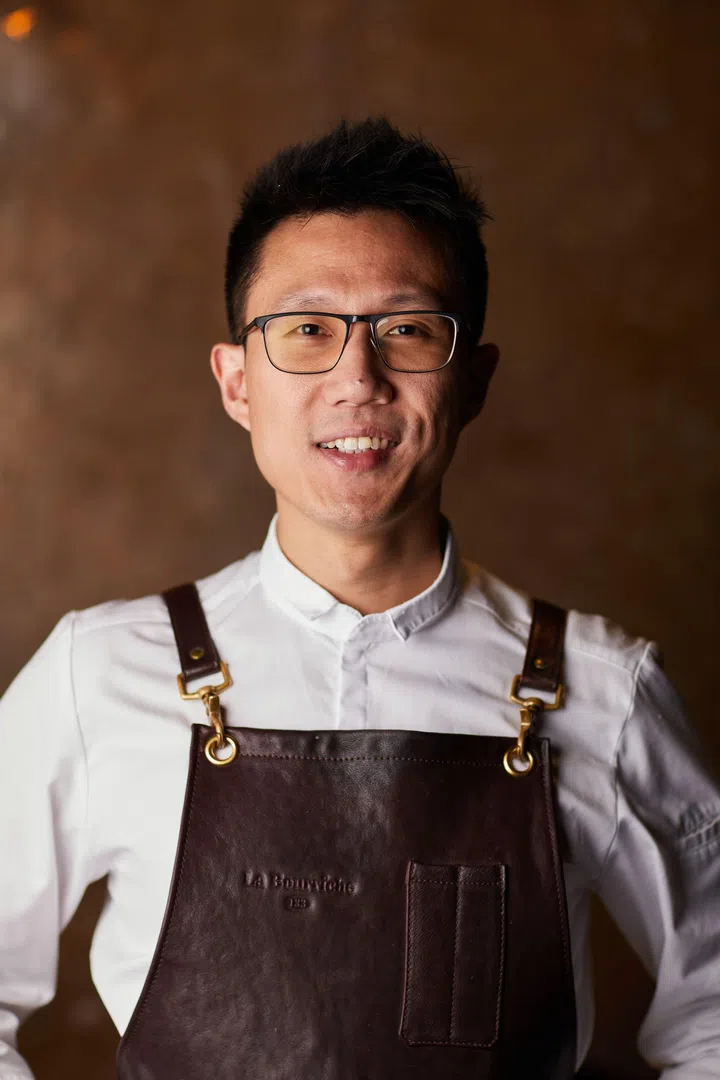
Singaporean chef Lee Jia Wei, 37, still remembers the day he had a bowl of yellow croaker vermicelli soup in Taizhou. He shares: “The fish was freshly caught and only cooked upon order. It was mind-blowingly delicious.”
Temperature, quality and technique are now the cornerstones of his modern seafood restaurant La Bourriche 133, which he co-founded in December 2023.
“You don’t serve lukewarm broth, that’s the first lesson I learnt in China,” says Lee, while pouring boiling seafood broth into my bowl of raw carabinero prawns, mango clams, and octopus, all locally sourced.
A clever nod to the Spanish “arroz caldoso” version of the Teochew pao fan (poached rice), the dish has no added seasoning, relying on the pure umami of the seafood.
At La Bourriche, preparation methods such as ikejime (a Japanese fish preparation method that paralyses fish and drains them of blood to preserve their flavour), dry ageing, and fermentation are used to bring out the best in the produce.
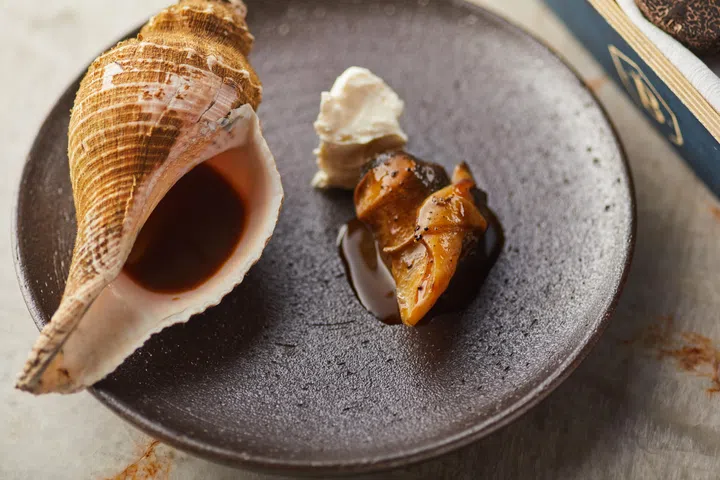
Creativity is always designed around locals’ love of umami, such as Chaoshan whelk in Périgueux sauce and crème fraîche, and oven-cooked razor clams in chicken fat and butter. The unctuousness in the latter is countered by a parsley-forward tabbouleh and a vivacious, dry Austrian Riesling pairing.
Throughout the evening, Lee and his restaurant manager, Max, often stop by the tables to chat and drink with guests, making the dining experience more lively and informal.
Lee, who used to work at Odette and the now-defunct Corner House, says: “It’s not just about the food, but also the spirit of fine-dining. The art of Chinese hospitality is very different from the Western fine-dining mindset. We’re happy that a large part of our diners, who frequently patronise fine-dining restaurants, are equally willing to put their bucks on really good quality seafood cooked to precision.”
Regional deep dives
Alongside chefs melding European techniques with Chinese ingredients, regional Chinese cuisine is enjoying a popularity boost among younger diners.
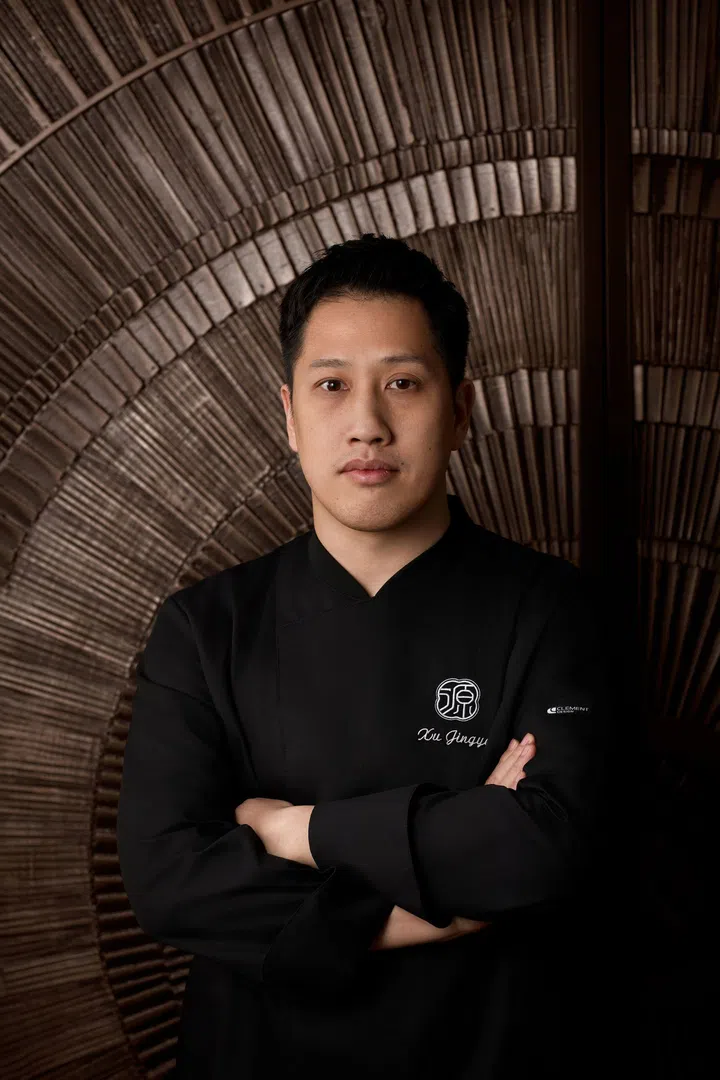
Two Michelin-starred 102 House’s Xu Jingye, 41, notes a significant segment of diners in their 20s and 30s coming for his Cantonese banquet-style cuisine. He says: “They’re becoming more interested in Chinese cuisine, instead of the previous fixation on Japanese and Western cuisines.”
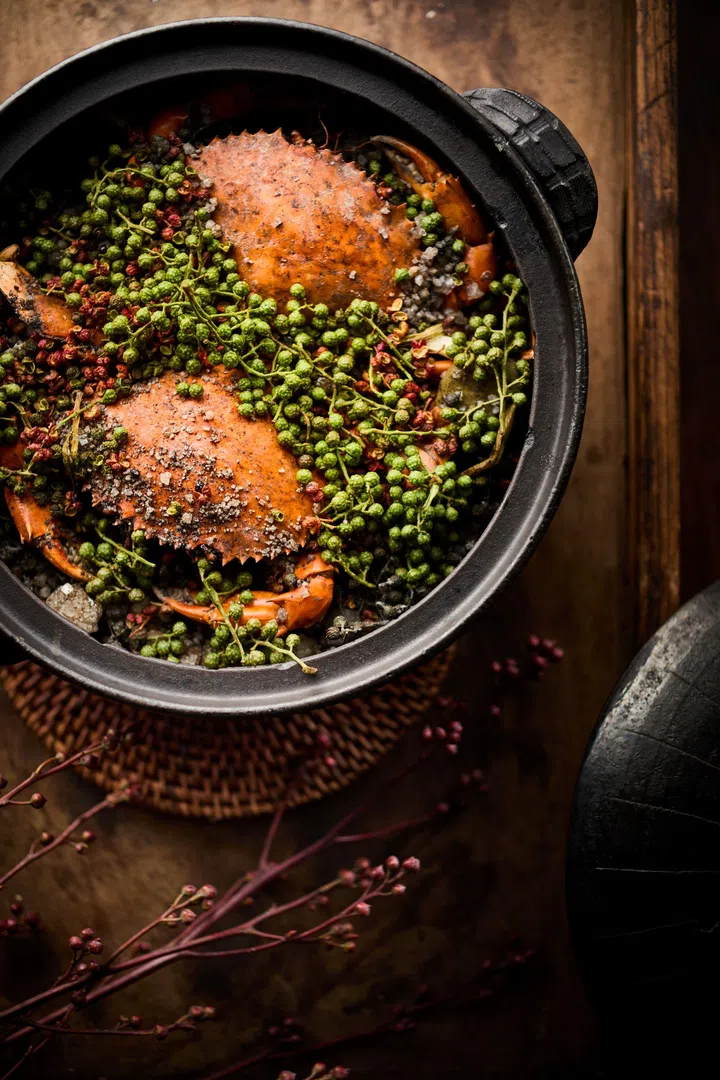
In his recent winter menu, Xu applies Cantonese cuisine’s core tenets of “lightness, freshness, crispness, tenderness, and smoothness” to a crab feast, where eight species are each cooked differently, such as a salt-baked mud crab with fresh Chongqing pepper and a snow crab poached tableside in crab-garlic-scallion oil.
From snacks to crab dishes and finally dessert pastries, the feast is indulgent yet well moderated, with a six-course tea pairing that plays off the strong flavours in some courses and adds dimension to others.
Xu shares: “Tailoring cooking methods to different varieties isn’t about showing off skills, but about highlighting the original flavour of the ingredients. Technique is never the goal; it should be hidden behind the taste, allowing guests to experience the unique flavour, richness, and texture of the ingredients.”
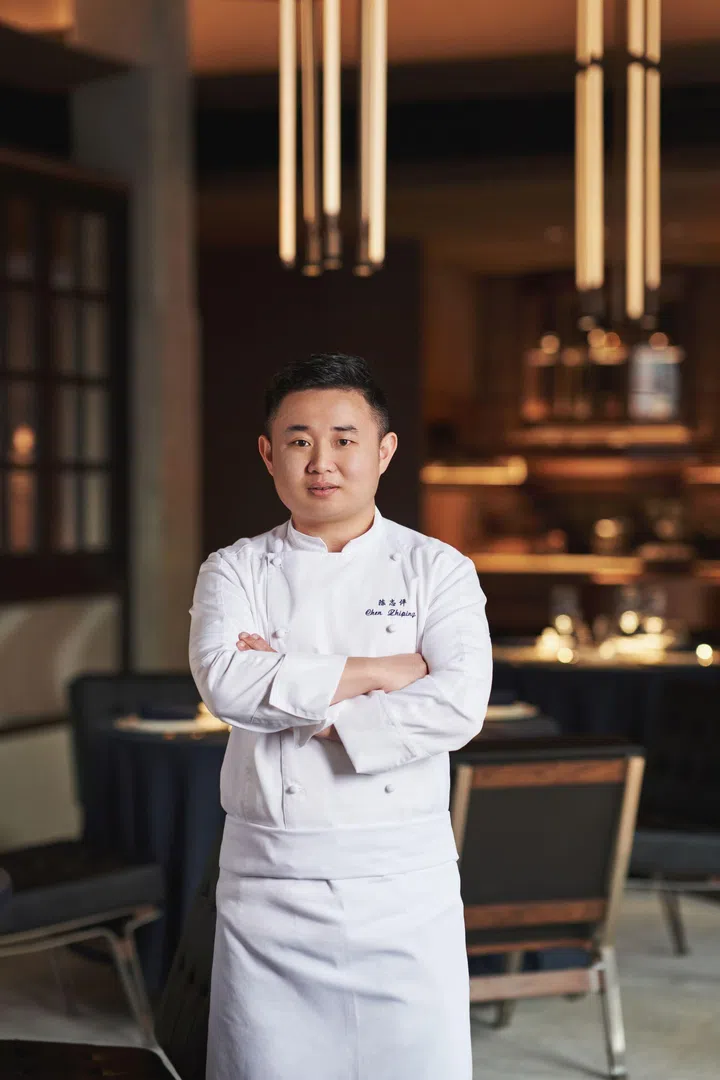
Meet the Bund’s 36-year-old executive chef Chen Zhi Ping, who has been mastering Fujian cuisine since he was 16, including nearly two decades as a disciple of Fujian chef Wu Rong, is also diving into Chinese tea culture.
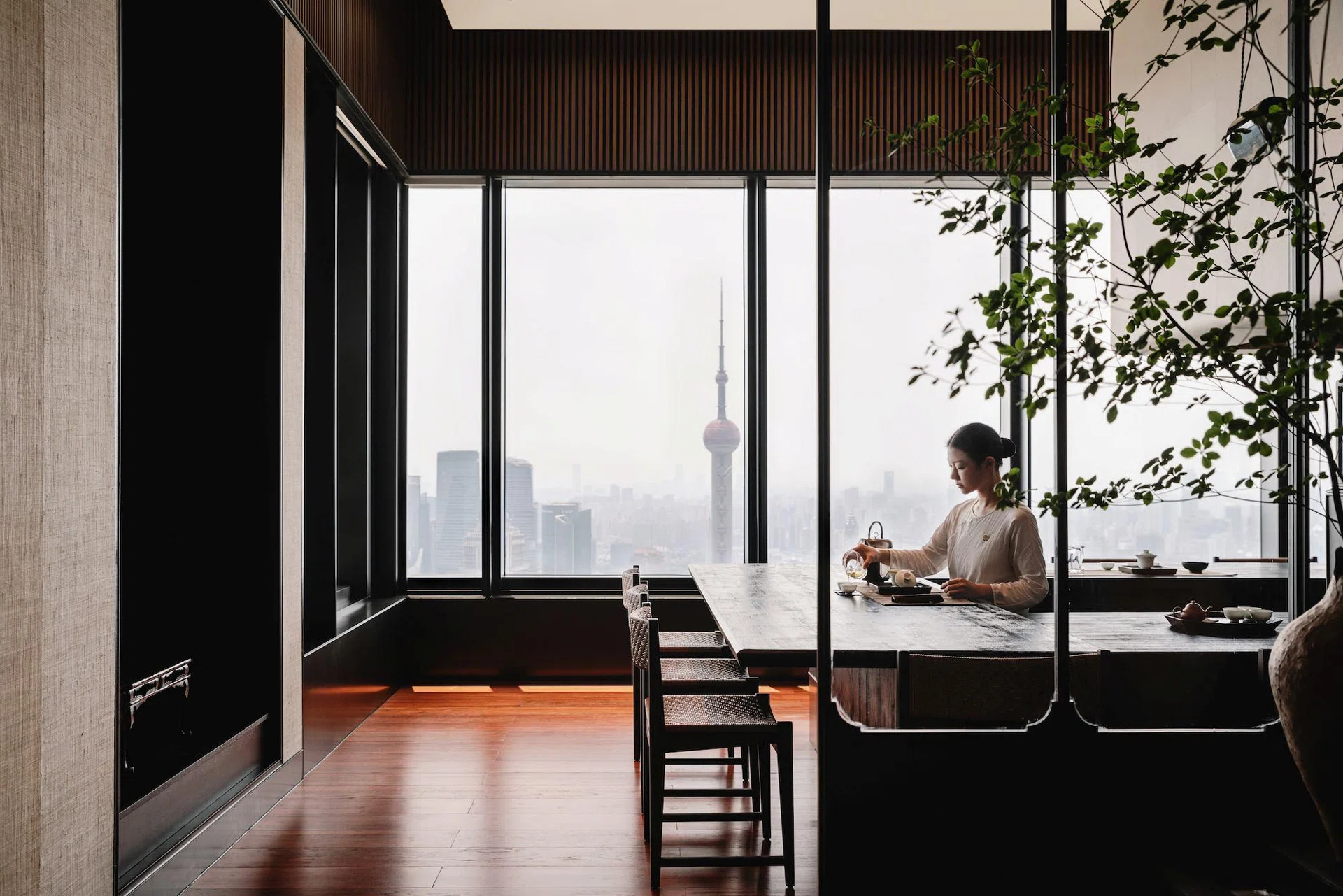
His Skyline outlet, perched on the 56th floor of Raffles City West Tower, is the only one fitted with a chef counter. Only guests who order the tea-pairing menu can book a seat here.
Chen shares: “The space commands the city’s most panoramic views and would bring in higher revenue as a private dining room. But we want to showcase tea culture here, and how it enhances Fujian dishes.”
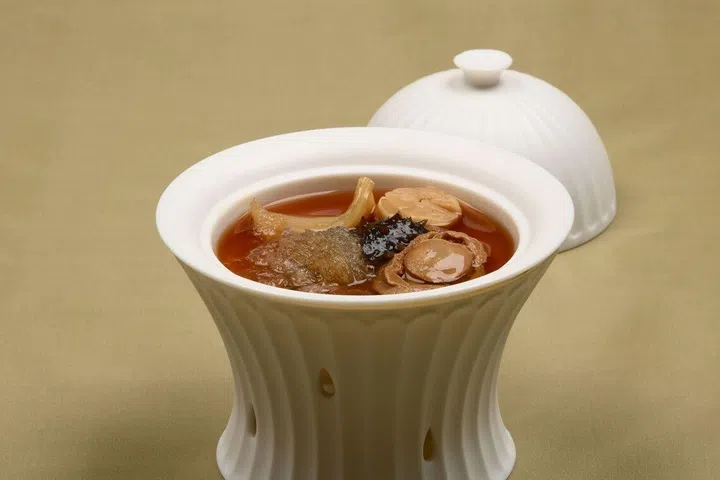
The tasting menu highlights the light, flavourful essence of Fujian cooking. Dishes include Chen’s signature Buddha Jumps Over the Wall, legendary for its silky viscosity, Lipu taro with black truffles, and Shandong wagyu in shacha sauce.
What makes the already extraordinary meal more memorable are the distinct teas, including a 2023 traditional smoked lapsang souchong from Wuyi Mountains and a Yunnan Ancient Tree Pu-Erh Raw Tea with an aromatic plum fragrance.
Shanghai’s magnificent cloud-shrouded skyline becomes the backdrop to tea sommelier Xiao Mei’s graceful, deliberate preparation and her poetic explanations — a fitting reminder of the city’s progressive culinary ambitions, proudly rooted in local traditions.