%22%3E%0A%3Cpath%20d%3D%22M412%20101.2H393.7C393.1%20101.2%20392.3%20100.9%20391.8%20100.5C377.3%2087.6004%20362.9%2074.6004%20348.4%2061.6004C344.8%2058.4004%20341.3%2055.2004%20337.7%2052.0004C337.1%2051.5004%20336.2%2051.1004%20335.5%2051.0004C334.2%2050.8004%20333%2051.0004%20331.5%2051.0004V101.1H316.7V0.100391H331.4V44.3004C331.9%2044.3004%20332.2%2044.4004%20332.5%2044.4004C334.9%2044.4004%20337.2%2044.5004%20339.6%2044.4004C340.4%2044.4004%20341.3%2044.0004%20341.8%2043.5004C351.6%2034.4004%20361.4%2025.2004%20371.1%2016.0004C376.5%2010.9004%20381.9%205.90039%20387.3%200.800391C387.9%200.200391%20388.5%200.000390626%20389.3%200.000390626H400.9C384.2%2015.8004%20367.8%2031.3004%20351.2%2047.0004C371.5%2065.0004%20391.8%2082.9004%20412.1%20100.9C412.1%20101%20412.1%20101.1%20412%20101.2ZM180.9%20101.2C184.1%2094.9004%20187.2%2088.9004%20190.3%2082.8004C198.3%2067.3004%20206.2%2051.8004%20214.2%2036.2004C220.3%2024.4004%20226.4%2012.5004%20232.4%200.700391C232.7%200.100391%20233%20-0.0996094%20233.7%20-0.0996094H248.1C248.8%20-0.0996094%20249.2%200.100391%20249.6%200.800391C256%2013.3004%20262.4%2025.7004%20268.8%2038.2004C279.3%2058.6004%20289.8%2079.0004%20300.3%2099.5004C300.5%20100%20300.8%20100.4%20301.1%20101.1C300.5%20101.1%20300.1%20101.2%20299.7%20101.2H286.5C285.6%20101.2%20285.1%20100.9%20284.7%20100.2C280.1%2091.3004%20275.4%2082.4004%20270.8%2073.4004C270.1%2072.1004%20269.3%2071.6004%20267.8%2071.6004H209.9C208.7%2071.6004%20208.1%2072.0004%20207.5%2073.1004C202.9%2082.1004%20198.2%2091.0004%20193.6%20100C193.1%20101%20192.6%20101.3%20191.5%20101.3C188.4%20101.2%20185.3%20101.3%20182.3%20101.3C182%20101.2%20181.6%20101.2%20180.9%20101.2ZM239.1%2011.4004C230%2029.2004%20221.1%2046.7004%20212.1%2064.3004H266.4C257.2%2046.7004%20248.2%2029.2004%20239.1%2011.4004ZM0%200.000390626H43.4C51.2%200.000390626%2058.7%201.20039%2065.7%204.80039C75.9%2010.0004%2078.9%2018.0004%2078.6%2027.4004C78.3%2034.3004%2076%2040.5004%2071.2%2045.5004C67.3%2049.6004%2062.4%2052.3004%2057.1%2054.3004C50.6%2056.7004%2043.9%2058.0004%2037.1%2058.6004C30.1%2059.2004%2023.1%2059.4004%2016.2%2059.7004C15.8%2059.7004%2015.3%2059.8004%2014.8%2059.8004V101.1H0.1C0%2067.4004%200%2033.8004%200%200.000390626ZM14.8%207.10039V52.2004C23.7%2052.4004%2032.6%2052.3004%2041.2%2050.1004C44.4%2049.3004%2047.6%2048.2004%2050.6%2046.7004C58.4%2043.0004%2062.3%2036.7004%2062.7%2028.0004C63%2019.9004%2059.5%2014.1004%2052.4%2010.5004C47.6%208.00039%2042.5%207.10039%2037.2%207.10039H14.8ZM95.9%20101.1V0.100391H167.3V7.20039H110.7V44.7004H158.1V51.9004H110.8V93.9004H171.1V101C146.1%20101.1%20121%20101.1%2095.9%20101.1Z%22%20fill%3D%22black%22%2F%3E%0A%3Cpath%20d%3D%22M35.0004%2025.7996H42.5004V20.6996H44.8004V33.1996H42.6004V27.5996H34.9004V33.2996H32.7004V20.7996H35.0004V25.7996ZM54.4004%2025.8996V27.2996H48.9004V31.6996H55.9004C55.9004%2032.1996%2056.0004%2032.5996%2056.0004%2033.0996H46.5004V20.5996H55.5004V21.8996H49.0004V25.7996C50.7004%2025.8996%2052.5004%2025.8996%2054.4004%2025.8996ZM25.9004%2033.0996H23.5004V21.9996H17.9004V20.6996H31.6004V22.0996H27.1004C26.2004%2022.0996%2025.9004%2022.2996%2025.9004%2023.1996C26.0004%2026.0996%2025.9004%2028.9996%2025.9004%2031.7996V33.0996Z%22%20fill%3D%22black%22%2F%3E%0A%3C%2Fg%3E%0A%3Cdefs%3E%0A%3CclipPath%20id%3D%22clip0_388_462%22%3E%0A%3Crect%20width%3D%22411%22%20height%3D%22101.2%22%20fill%3D%22white%22%2F%3E%0A%3C%2FclipPath%3E%0A%3C%2Fdefs%3E%0A%3C%2Fsvg%3E%0A)
Sustainable fashion isn’t dead — it’s finally growing up
There is hope through new rules of engagement, rooted in government action, industry leadership, and a shift towards intentional shopping.
By Moushumi Khara /

Share this article
A decade ago, “sustainable fashion” was the phrase on everyone’s lips. It promised a better way to shop, consume, and dress. But somewhere along the way, the term lost its shine.
As brands jumped on the bandwagon and unveiled their own sustainability programmes and claims, whispers of greenwashing began to gain momentum. Sometimes, the greenwashing was deliberate; other times, it was just careless. Either way, trust in these claims (and brands) started eroding.
Consumers were promised recycled fabrics, ethical supply chains, and climate-positive collections, but many of those promises didn’t add up. Shoppers grew sceptical, and the word sustainability itself began to sound hollow.
However, that doesn’t mean progress stopped. Behind the marketing noise, both governments and industry leaders have been quietly working on real solutions. This year, two very different moves — one from the French government and one from Chanel — are showing that sustainability in fashion is finally becoming less about big claims and more about action.
Can a law change fashion?

France has taken one of the boldest steps yet against ultra-fast fashion, in particular against Shein and Temu, platforms that churn out endless new styles at rock-bottom prices.
The French Senate recently approved a bill that would put a price on this throwaway culture. Starting in 2025, every ultra-fast fashion item sold in France would carry a €5 ($7.52) environmental tax, rising to €10 by 2030. The money will be used to support local designers who are making clothes more responsibly.
Even more impressively, France plans to ban advertising for these brands. No glossy billboards, no influencers urging you to buy now. The idea is to slow down the cycle of buying and tossing by cutting off the hype that fuels it.
Moreover, the ruling also states that each garment must carry an eco-score, a simple rating that tells consumers the environmental impact of what they’re buying. With such a drastic step, transparency becomes almost non-negotiable.
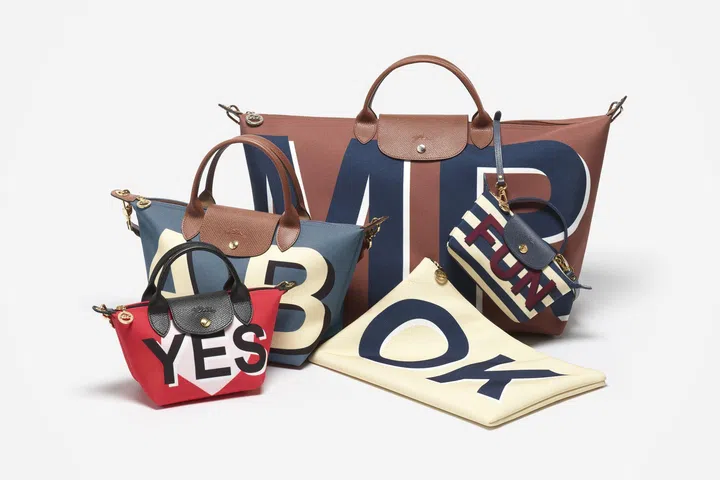
It’s a bold move. Critics argue it focuses too much on non-European brands and may be partly about protecting local businesses. But whatever the reasons, it’s a signal: France is leading the way in demonstrating that governments are no longer leaving fashion to self-police.
Chanel’s “never old” vision
In the luxury sphere, Chanel has launched something equally ambitious — but in a very different way. Nevold, short for “never old”, is Chanel’s new programme and division dedicated entirely to recycling and reusing materials. Instead of letting fabric scraps or unsold items go to waste, Chanel wants to give them a second life by transforming leftovers into high-quality new textiles.
This isn’t a marketing gimmick. Chanel has invested heavily in this programme, according to trade reports, with the investment estimated at between €50 and €80 million. It has appointed Sophie Brocart, a respected fashion leader, to run it independently from the main fashion business.
The initiative will partner with innovators and manufacturers to create luxury-grade recycled fabrics, starting with reimagined tweeds and recycled leather, and replace plastic in accessories.
Chanel isn’t promising quick results or flashy targets. As its president, Bruno Pavlovsky put it, the point is to build capacity now so the house is ready for the future. With high-quality natural materials like cotton and cashmere becoming scarcer, Nevold is as much about long-term future-proofing as it is about sustainability. The aim is not immediate returns, but building a system that ensures luxury’s survival in a changing world.

Coming from Chanel, one of fashion’s most influential names, Nevold sends a powerful message: recycling and circularity aren’t optional extras anymore — they’re central to luxury’s future.
Shifts closer to home
The ripple effects are global. Here in Asia, Singapore has been steadily positioning itself as a hub for sustainable fashion. Apart from running a Fashion Sustainability Programme, the Singapore Fashion Council is developing an ASEAN-based regional sectoral plan for sustainability and circularity.
Each year, the Lion City also hosts the Eco Fashion Weekend and various thematic awards, where designers showcase environmentally conscious collections and are recognised for advancing greener creativity. In Hong Kong, the Redress Design Award continues to nurture young talent committed to zero-waste fashion, spotlighting emerging Asian designers who are rethinking how clothes are made and re-made.
These may not be as headline-grabbing as France’s bold legislation or Chanel’s big investment, but they show the region is steadily building its own sustainable fashion voice.
From my perspective as a stylist, I’ve noticed a real mindset shift, especially among Gen Z and younger millennials. They’re less impressed by flashy “eco” labels and more drawn to longevity and intention.
Rather than chase trends, they ask: “How many ways can I wear this? Can I rewear or remix it?” Their goal is not simply to buy sustainable brands, but to avoid waste — shop less, thrift more, wear more, and value craftsmanship.
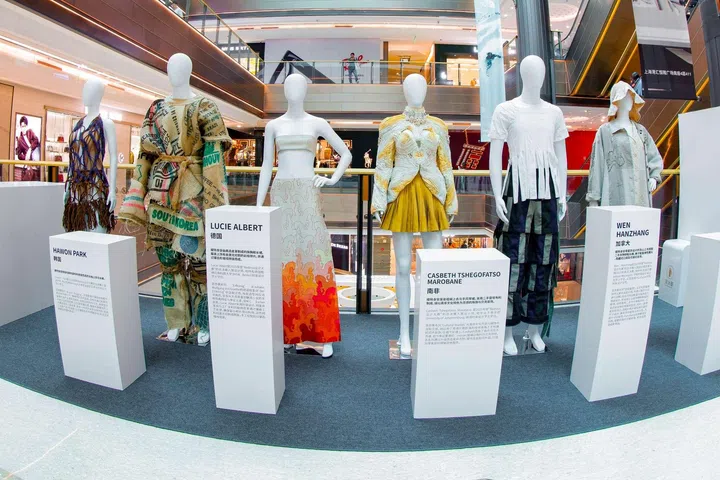
And it isn’t just the younger crowd. Even clients in their 40s and beyond are increasingly turning to thrifting and pre-loved luxury. As prices climb and big brands flood the market with too much, many of my clients feel that it dilutes the meaning of true craftsmanship.
Buying second-hand, whether vintage or contemporary, is seen not only as a smarter value but also as a way of honouring the artistry that goes into well-made pieces.
It’s not just anecdotal. A 2024 YouGov survey in Singapore found that more than a third of consumers had purchased sustainable fashion, with higher numbers among Gen Z and millennials.
Globally, Bain & Company and McKinsey both reported that younger shoppers are the most willing to pay a premium for eco-friendly products. At the same time, Retailist noted that 62 per cent of Gen Z prefer to buy from sustainable brands and 73 per cent say they’d pay more for them.
Moves like France’s legislation and Chanel’s Nevold give me hope. They reflect the very values my clients already live by: responsible choices, durability, and transparency. When waste becomes inconvenient, and clothes become intelligent investments, fashion moves closer to its sustainable future.
Because fashion isn’t just about what you wear; it’s about what you choose to stand for. And right now, standing for less waste and more meaning feels like the future of style.
About Moushumi Khara
Moushumi Khara is the personal and interior stylist behind The Lifestyle Editor (@thelifestyleditor_style on Instagram). Known for her impeccable taste and innovative combinations, she specialises in styling real women — particularly those who don’t have the luxury of time, unlimited fashion resources, or access to extensive fashion archives. She deeply understands struggles with body image, lifestyle changes, and the challenge of finding practical, stylish solutions while managing busy careers and schedules. She offers tailored sessions, including body shape analysis, colour analysis, wardrobe edits, and more.