%22%3E%0A%3Cpath%20d%3D%22M412%20101.2H393.7C393.1%20101.2%20392.3%20100.9%20391.8%20100.5C377.3%2087.6004%20362.9%2074.6004%20348.4%2061.6004C344.8%2058.4004%20341.3%2055.2004%20337.7%2052.0004C337.1%2051.5004%20336.2%2051.1004%20335.5%2051.0004C334.2%2050.8004%20333%2051.0004%20331.5%2051.0004V101.1H316.7V0.100391H331.4V44.3004C331.9%2044.3004%20332.2%2044.4004%20332.5%2044.4004C334.9%2044.4004%20337.2%2044.5004%20339.6%2044.4004C340.4%2044.4004%20341.3%2044.0004%20341.8%2043.5004C351.6%2034.4004%20361.4%2025.2004%20371.1%2016.0004C376.5%2010.9004%20381.9%205.90039%20387.3%200.800391C387.9%200.200391%20388.5%200.000390626%20389.3%200.000390626H400.9C384.2%2015.8004%20367.8%2031.3004%20351.2%2047.0004C371.5%2065.0004%20391.8%2082.9004%20412.1%20100.9C412.1%20101%20412.1%20101.1%20412%20101.2ZM180.9%20101.2C184.1%2094.9004%20187.2%2088.9004%20190.3%2082.8004C198.3%2067.3004%20206.2%2051.8004%20214.2%2036.2004C220.3%2024.4004%20226.4%2012.5004%20232.4%200.700391C232.7%200.100391%20233%20-0.0996094%20233.7%20-0.0996094H248.1C248.8%20-0.0996094%20249.2%200.100391%20249.6%200.800391C256%2013.3004%20262.4%2025.7004%20268.8%2038.2004C279.3%2058.6004%20289.8%2079.0004%20300.3%2099.5004C300.5%20100%20300.8%20100.4%20301.1%20101.1C300.5%20101.1%20300.1%20101.2%20299.7%20101.2H286.5C285.6%20101.2%20285.1%20100.9%20284.7%20100.2C280.1%2091.3004%20275.4%2082.4004%20270.8%2073.4004C270.1%2072.1004%20269.3%2071.6004%20267.8%2071.6004H209.9C208.7%2071.6004%20208.1%2072.0004%20207.5%2073.1004C202.9%2082.1004%20198.2%2091.0004%20193.6%20100C193.1%20101%20192.6%20101.3%20191.5%20101.3C188.4%20101.2%20185.3%20101.3%20182.3%20101.3C182%20101.2%20181.6%20101.2%20180.9%20101.2ZM239.1%2011.4004C230%2029.2004%20221.1%2046.7004%20212.1%2064.3004H266.4C257.2%2046.7004%20248.2%2029.2004%20239.1%2011.4004ZM0%200.000390626H43.4C51.2%200.000390626%2058.7%201.20039%2065.7%204.80039C75.9%2010.0004%2078.9%2018.0004%2078.6%2027.4004C78.3%2034.3004%2076%2040.5004%2071.2%2045.5004C67.3%2049.6004%2062.4%2052.3004%2057.1%2054.3004C50.6%2056.7004%2043.9%2058.0004%2037.1%2058.6004C30.1%2059.2004%2023.1%2059.4004%2016.2%2059.7004C15.8%2059.7004%2015.3%2059.8004%2014.8%2059.8004V101.1H0.1C0%2067.4004%200%2033.8004%200%200.000390626ZM14.8%207.10039V52.2004C23.7%2052.4004%2032.6%2052.3004%2041.2%2050.1004C44.4%2049.3004%2047.6%2048.2004%2050.6%2046.7004C58.4%2043.0004%2062.3%2036.7004%2062.7%2028.0004C63%2019.9004%2059.5%2014.1004%2052.4%2010.5004C47.6%208.00039%2042.5%207.10039%2037.2%207.10039H14.8ZM95.9%20101.1V0.100391H167.3V7.20039H110.7V44.7004H158.1V51.9004H110.8V93.9004H171.1V101C146.1%20101.1%20121%20101.1%2095.9%20101.1Z%22%20fill%3D%22black%22%2F%3E%0A%3Cpath%20d%3D%22M35.0004%2025.7996H42.5004V20.6996H44.8004V33.1996H42.6004V27.5996H34.9004V33.2996H32.7004V20.7996H35.0004V25.7996ZM54.4004%2025.8996V27.2996H48.9004V31.6996H55.9004C55.9004%2032.1996%2056.0004%2032.5996%2056.0004%2033.0996H46.5004V20.5996H55.5004V21.8996H49.0004V25.7996C50.7004%2025.8996%2052.5004%2025.8996%2054.4004%2025.8996ZM25.9004%2033.0996H23.5004V21.9996H17.9004V20.6996H31.6004V22.0996H27.1004C26.2004%2022.0996%2025.9004%2022.2996%2025.9004%2023.1996C26.0004%2026.0996%2025.9004%2028.9996%2025.9004%2031.7996V33.0996Z%22%20fill%3D%22black%22%2F%3E%0A%3C%2Fg%3E%0A%3Cdefs%3E%0A%3CclipPath%20id%3D%22clip0_388_462%22%3E%0A%3Crect%20width%3D%22411%22%20height%3D%22101.2%22%20fill%3D%22white%22%2F%3E%0A%3C%2FclipPath%3E%0A%3C%2Fdefs%3E%0A%3C%2Fsvg%3E%0A)
Snailed it: How Singapore’s unlikeliest farm is rethinking what we eat
Singapore’s first (and only) snail farm is changing what we think we know about one of the world’s oldest delicacies — and making the case for what comes next on our plates.
By Zawani Abdul Ghani /
Share this article
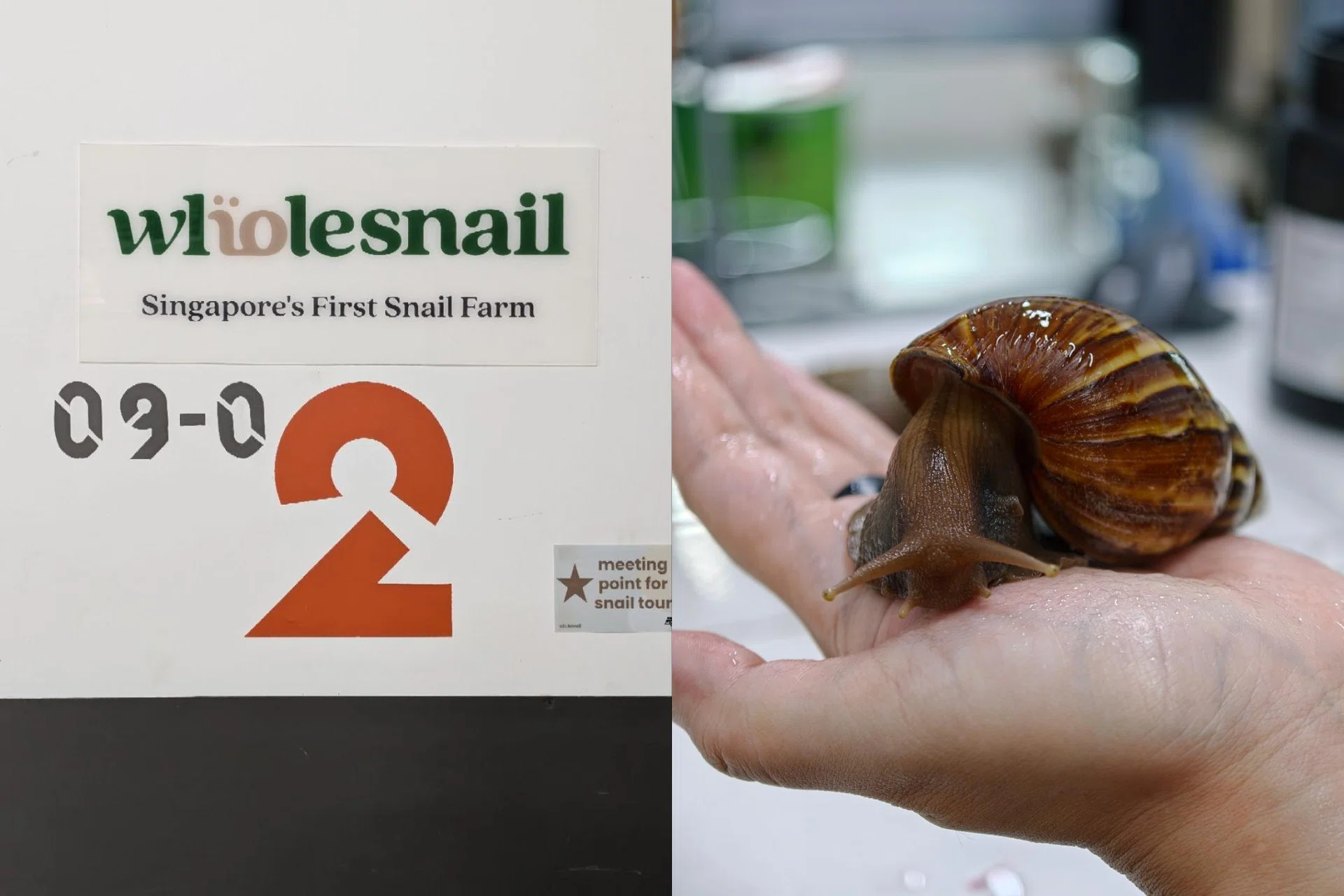
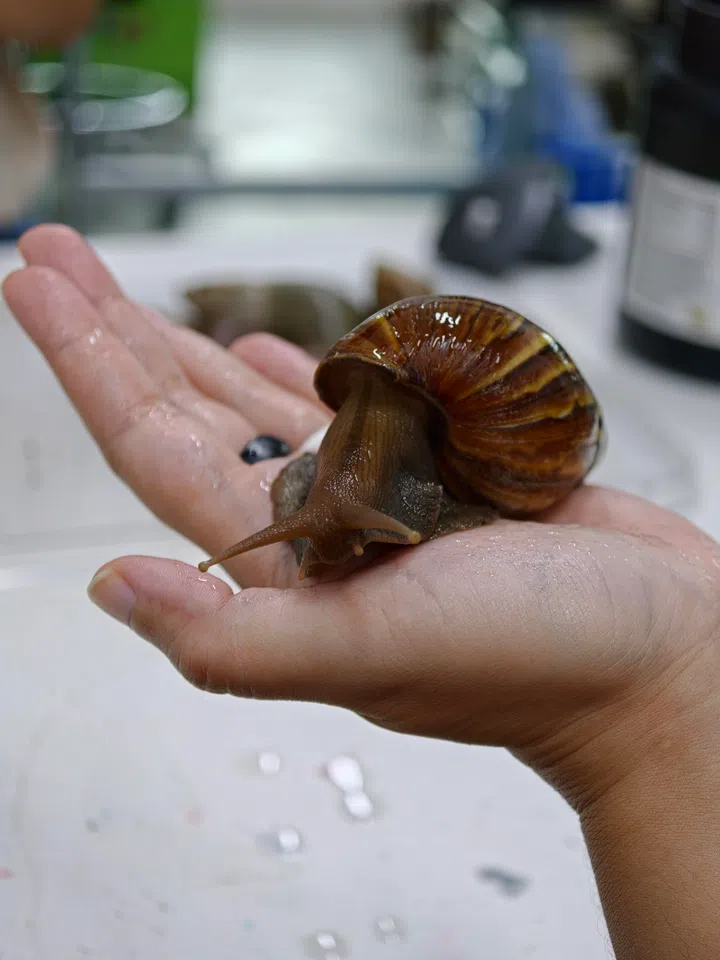
There’s a moment, about 10 minutes into a tour of WholeSnail’s indoor farm, where you stop thinking of snails as something you scrape off a garden path. You’re holding one — a European garden snail, technically a cornu aspersum — and crawling ever-so-slowly, literally, at a snail’s pace.
Slowly, its foot ripples in a wave-like motion against your palm, leaving behind a thin film of what founder Stephanie Kudus cheerfully describes as “mobility slime”. It’s not slimy in the way you’d imagined. It feels, oddly, like water.
“When you see them like this,” she says, watching me turn the snail over in my palm, “in the wild, like — when was the last time you actually looked this closely at a snail? They’re so fascinating. I think they’re really quite beautiful.”
Coming from me, standing in a temperature-controlled room in an industrial estate in Pandan Loop, holding a gastropod for the first time in my adult life, I wholeheartedly agree — it’s more surprising than I’d like to admit.
More on that later. First, there’s something you should know about the escargot you’ve been ordering at French restaurants all these years.
Beyond the fine-dining plate
The dirty secret of the escargot industry is not that snails are unappetising. It’s that the ones arriving at most restaurant kitchens — including the nicer ones — have been cooked, frozen, shipped across hemispheres, and cooked again.
What arrives in that iconic six-hole ceramic dish? Just the foot. The rest of the snail — its body, its organs, everything that gives it flavour and nutritional complexity — has already been discarded.
“If you imagine a snail, and then you look at that ceramic dish they put the six or the twelve in — that’s all you’re actually getting,” Kudus explains. “And that snail has been cooked and frozen, cooked and frozen so many times. Because in Europe, it’s not the cheapest place to farm them. So, they farm in Eastern Europe, transport it back for slaughter, and it can still carry a ‘Made in Italy’ label. The snail business is quite dirty.”
Traditionally, she explains, most escargot was foraged — people moving from town to town, collecting whatever snails they encountered along the way. Only about five per cent of the global escargot supply is actually farmed. And Singapore, until recently, had zero of it.
Kudus — a former investment banker turned F&B entrepreneur — started WholeSnail in 2023 in the way a lot of genuinely good ideas begin: by noticing a gap that seemed almost embarrassingly obvious in hindsight.
Singapore imports virtually everything it eats. The government had a 30-by-30 food resilience goal, which was switched to new targets for fibre and protein production by 2035. And here was a protein source that required no grazing land, produced a carbon footprint lower than chicken, and could be farmed vertically — climbing up, down, left, right, and upside down, exploiting every surface of an enclosure.
“With one bok choy, you get bok choy,” she says, with the matter-of-fact energy of someone who’s made this case many times. “With one snail, you get meat, shells, slime, and caviar. There’s no waste.”
The life cycle bears this out. Each snail is first slimed — a process that doesn’t harm it — with the secretion harvested for cosmeceutical products. When it reaches maturity (which can take up to 12 months), it lays between 100 and 300 eggs, which are either incubated as the next generation of breeders or cleaned, cured, and sold as caviar.
The snail itself eventually becomes food. Shells that restaurants won’t buy go to schools for arts and crafts or as Montessori counting tools. Even the substrate the snails lay their eggs in is recycled from a neighbouring hydroponic farm, sterilised, and reused.
The farm’s size and snail-to-plate ratio also matter in ways that aren’t immediately obvious. Because snails are different sizes even within the same age group — “it’s like how can you choose one over the other? We can’t,” Kudus says — WholeSnail actively curates its buyers rather than homogenising its supply.
Bigger snails go to fine-dining; smaller ones to Spanish chefs, who actively prefer them. “We don’t just focus on one singular market,” she explains, “so that no snail gets left behind.”
Currently, WholeSnail produces up to 160kg of snail meat a month.
Inside Singapore’s only snail farm
The 4,500 sq ft farm itself is a modest, temperature-controlled space — steel, plastic, and wood, much of it salvaged and self-built, after vertical farming companies couldn’t move fast enough for a startup operating without a government playbook. (“As a startup, we can’t survive waiting weeks for a new prototype,” she says. “So, I just went and figured it out.”)
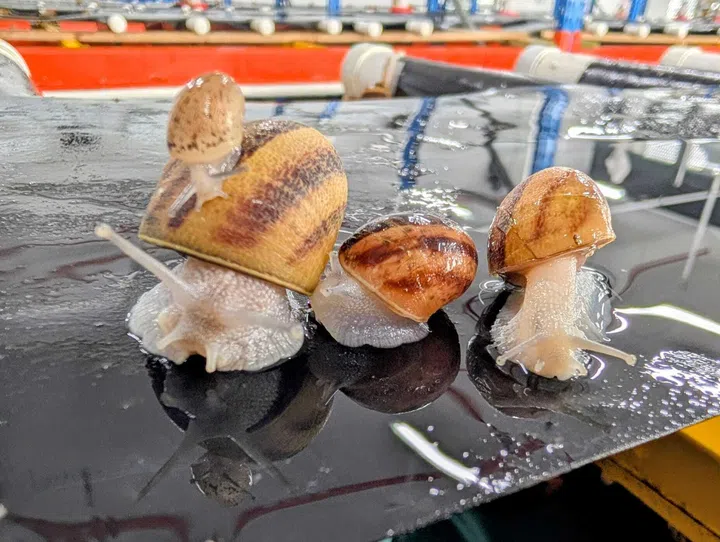
The two subspecies they raise — the larger African cornu aspersum maxima and the more delicate European cornu aspersum aspersum — live on stacked feeding belts, under ledges, on any surface they can find, fed on a rotating mix of fresh greens and surplus produce from neighbouring farms. And, less expectedly, the team plays violin music for them.
“They just seem to prefer it over piano music,” Kudus says. She’s not joking; she can read snail body language, tell a content snail from a stressed one, and she’ll stop mid-sentence to point out something remarkable on the underside of a feeding belt that no one else in the room would have thought to look at.
Traceability of snails
Here’s the part that reframes everything you thought you knew about snails and dirt.
Just because a snail lives close to the ground doesn’t make it the garden pest your instincts want it to be. “In Europe, they cannot sell the whole snail because most of it is foraged,” Kudus explains. “They don’t know what the snail has eaten, and they can’t police the purging process. We can. We know exactly what goes into the soil, the feed, the environment.”
Wholesnail’s feed is white — which is why, she points out with a grin, their slime is also white. The digestive system of a snail is so direct that you can read what it ate for breakfast by the colour of its poop. Cherry tomatoes leave a reddish trace. Blueberries come out blue. Think of it as a live quality-control indicator.
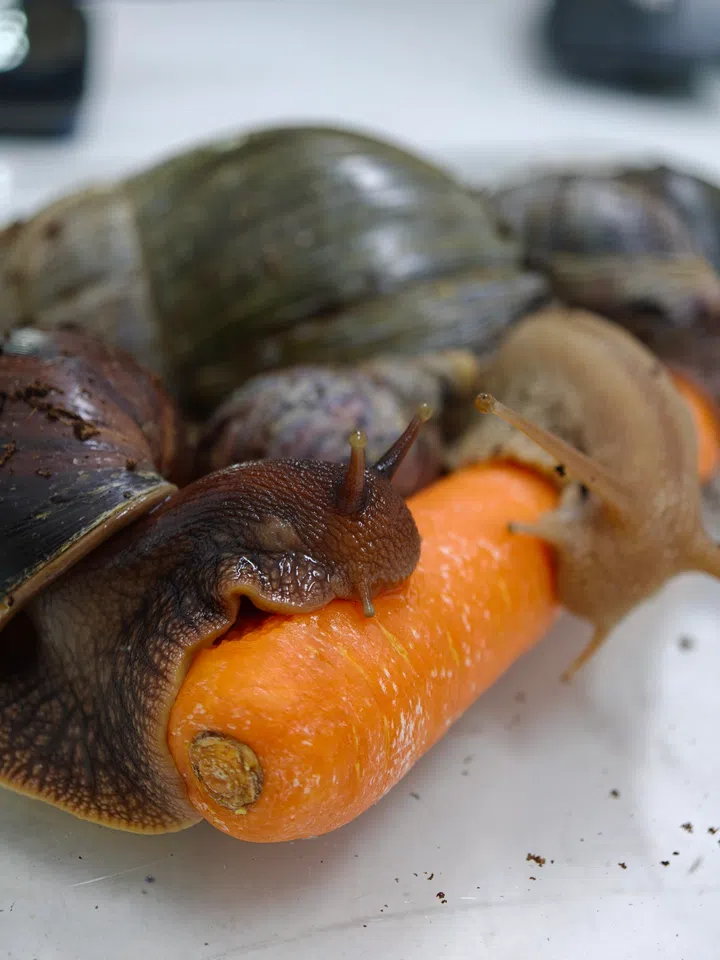
“If I suddenly see red poop and I haven’t fed them anything red,” she says, “I know something in the environment isn’t right.”
This traceability is precisely what’s made WholeSnail attractive to the restaurants and hotels now working with them. Raffles Hotel is among those that have collaborated on customised preparations — something no international snail supplier has ever had to offer, because they’ve never been this close to the table. Other restaurants that WholeSnail supplies include Vineyard at Hort Park and, via a distributor.
“We customise a stock flavour that they want to work with for their own menu,” Kudus says. “No snail company in the world would do that for one kilo of snails. But we care about how they’re served.”
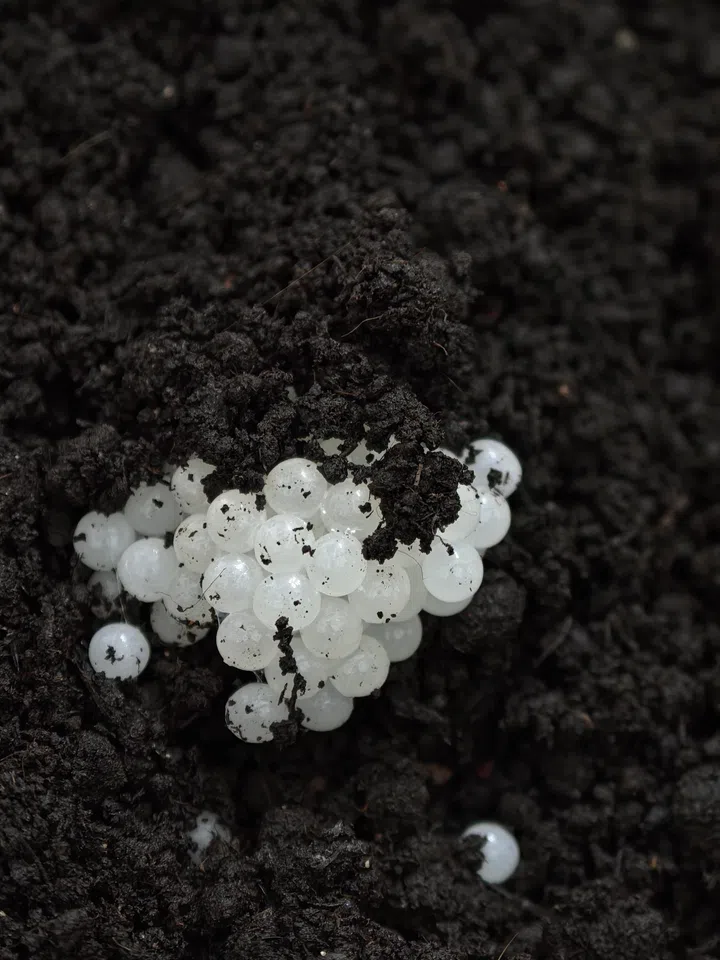
The snail caviar deserves its own mention. Small, pearlescent, individually distinct in a way that makes the consistency of sturgeon roe feel almost industrial by comparison — it’s a product WholeSnail is preparing to bring to the Singapore market this year.
It already exists in cities like London, but rarely close enough to a farm to be truly fresh. In Singapore, where everything is 15 minutes from everything, that’s actually possible.
Snails as pets
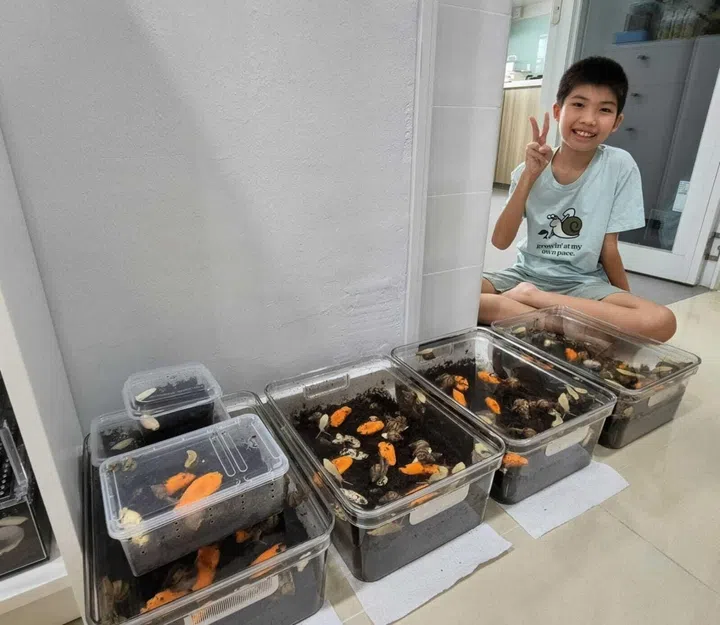
What Kudus is building, though, extends past the plate. The adopt-a-snail programme began simply because visitors kept asking to take snails home. “I thought about it and realised — actually, snails make the perfect pet,” she says.
“They don’t make a sound, they don’t shed fur, they’re nocturnal, so they won’t interrupt your day, and if you go on holiday and forget to feed them for a bit, they’ll just go into survival mode and wait for you to come back.”
It’s now produced, among other things, a nine-year-old who has become Singapore’s most prolific private snail farmer and donated 77 snails back to the programme for redistribution to other families.
There are school partnerships, educational outreach, and a developing initiative around snails as a sensory tool for children with special needs. Kudus mentions this almost in passing — that she’s on the spectrum herself, and that watching neurodivergent children go immediately quiet and calm in the presence of snails has been one of the more inspiring parts of this whole venture.
And then there are the tours, which have been running every Saturday since December 2025 and are booked weeks in advance. I ask her what she makes of all this — the demand, the community, the nine-year-old snail farmer. She laughs.
“I just posted it on a calendar. I said, ‘Let me just see what happens.’ And then people just... came.”
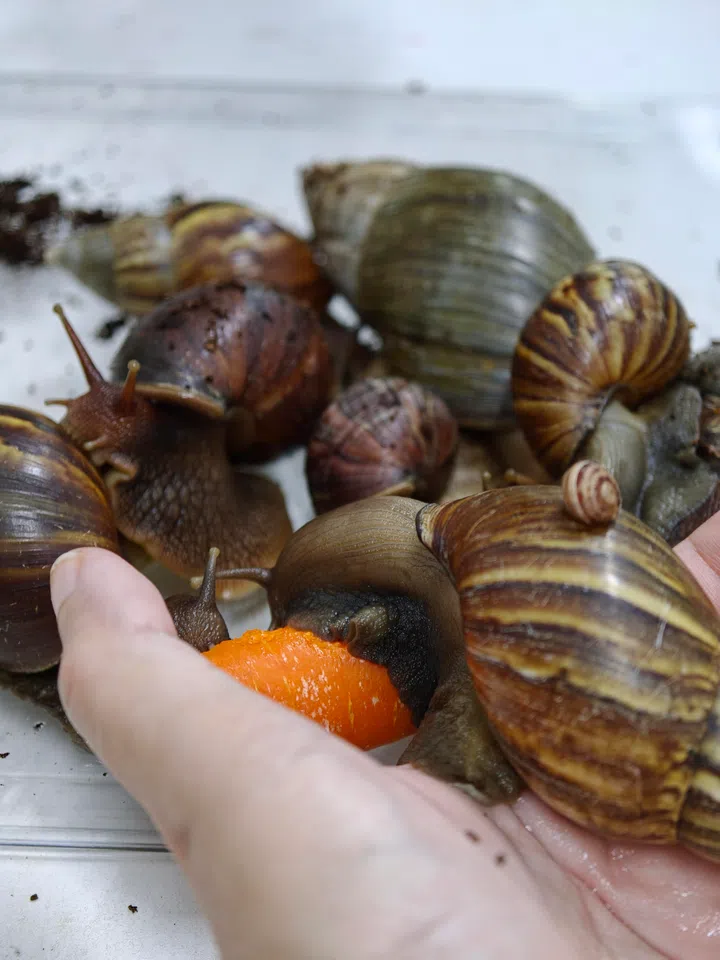
There’s a version of this story that is simply about one woman doing something unusual with her life. But the more interesting version — the one that feels relevant to anyone paying attention to where food is going — is about what happens when a supply chain that has always been opaque suddenly isn’t.
When the distance between farm and fork collapses to the length of a single city. When a creature that most people have only ever looked at from above turns out, up close, to be quite extraordinary.
I left WholeSnail with a question I hadn’t anticipated: whether I should just adopt a few snails of my own. The programme is free. The care instructions are simpler than keeping a houseplant alive. And honestly, after an hour in that room, the idea doesn’t feel nearly as strange as it did when I walked in.
WholeSnail farm tours run on selected days at $25 per person and are bookable via wholesnail.com.