%22%3E%0A%3Cpath%20d%3D%22M412%20101.2H393.7C393.1%20101.2%20392.3%20100.9%20391.8%20100.5C377.3%2087.6004%20362.9%2074.6004%20348.4%2061.6004C344.8%2058.4004%20341.3%2055.2004%20337.7%2052.0004C337.1%2051.5004%20336.2%2051.1004%20335.5%2051.0004C334.2%2050.8004%20333%2051.0004%20331.5%2051.0004V101.1H316.7V0.100391H331.4V44.3004C331.9%2044.3004%20332.2%2044.4004%20332.5%2044.4004C334.9%2044.4004%20337.2%2044.5004%20339.6%2044.4004C340.4%2044.4004%20341.3%2044.0004%20341.8%2043.5004C351.6%2034.4004%20361.4%2025.2004%20371.1%2016.0004C376.5%2010.9004%20381.9%205.90039%20387.3%200.800391C387.9%200.200391%20388.5%200.000390626%20389.3%200.000390626H400.9C384.2%2015.8004%20367.8%2031.3004%20351.2%2047.0004C371.5%2065.0004%20391.8%2082.9004%20412.1%20100.9C412.1%20101%20412.1%20101.1%20412%20101.2ZM180.9%20101.2C184.1%2094.9004%20187.2%2088.9004%20190.3%2082.8004C198.3%2067.3004%20206.2%2051.8004%20214.2%2036.2004C220.3%2024.4004%20226.4%2012.5004%20232.4%200.700391C232.7%200.100391%20233%20-0.0996094%20233.7%20-0.0996094H248.1C248.8%20-0.0996094%20249.2%200.100391%20249.6%200.800391C256%2013.3004%20262.4%2025.7004%20268.8%2038.2004C279.3%2058.6004%20289.8%2079.0004%20300.3%2099.5004C300.5%20100%20300.8%20100.4%20301.1%20101.1C300.5%20101.1%20300.1%20101.2%20299.7%20101.2H286.5C285.6%20101.2%20285.1%20100.9%20284.7%20100.2C280.1%2091.3004%20275.4%2082.4004%20270.8%2073.4004C270.1%2072.1004%20269.3%2071.6004%20267.8%2071.6004H209.9C208.7%2071.6004%20208.1%2072.0004%20207.5%2073.1004C202.9%2082.1004%20198.2%2091.0004%20193.6%20100C193.1%20101%20192.6%20101.3%20191.5%20101.3C188.4%20101.2%20185.3%20101.3%20182.3%20101.3C182%20101.2%20181.6%20101.2%20180.9%20101.2ZM239.1%2011.4004C230%2029.2004%20221.1%2046.7004%20212.1%2064.3004H266.4C257.2%2046.7004%20248.2%2029.2004%20239.1%2011.4004ZM0%200.000390626H43.4C51.2%200.000390626%2058.7%201.20039%2065.7%204.80039C75.9%2010.0004%2078.9%2018.0004%2078.6%2027.4004C78.3%2034.3004%2076%2040.5004%2071.2%2045.5004C67.3%2049.6004%2062.4%2052.3004%2057.1%2054.3004C50.6%2056.7004%2043.9%2058.0004%2037.1%2058.6004C30.1%2059.2004%2023.1%2059.4004%2016.2%2059.7004C15.8%2059.7004%2015.3%2059.8004%2014.8%2059.8004V101.1H0.1C0%2067.4004%200%2033.8004%200%200.000390626ZM14.8%207.10039V52.2004C23.7%2052.4004%2032.6%2052.3004%2041.2%2050.1004C44.4%2049.3004%2047.6%2048.2004%2050.6%2046.7004C58.4%2043.0004%2062.3%2036.7004%2062.7%2028.0004C63%2019.9004%2059.5%2014.1004%2052.4%2010.5004C47.6%208.00039%2042.5%207.10039%2037.2%207.10039H14.8ZM95.9%20101.1V0.100391H167.3V7.20039H110.7V44.7004H158.1V51.9004H110.8V93.9004H171.1V101C146.1%20101.1%20121%20101.1%2095.9%20101.1Z%22%20fill%3D%22black%22%2F%3E%0A%3Cpath%20d%3D%22M35.0004%2025.7996H42.5004V20.6996H44.8004V33.1996H42.6004V27.5996H34.9004V33.2996H32.7004V20.7996H35.0004V25.7996ZM54.4004%2025.8996V27.2996H48.9004V31.6996H55.9004C55.9004%2032.1996%2056.0004%2032.5996%2056.0004%2033.0996H46.5004V20.5996H55.5004V21.8996H49.0004V25.7996C50.7004%2025.8996%2052.5004%2025.8996%2054.4004%2025.8996ZM25.9004%2033.0996H23.5004V21.9996H17.9004V20.6996H31.6004V22.0996H27.1004C26.2004%2022.0996%2025.9004%2022.2996%2025.9004%2023.1996C26.0004%2026.0996%2025.9004%2028.9996%2025.9004%2031.7996V33.0996Z%22%20fill%3D%22black%22%2F%3E%0A%3C%2Fg%3E%0A%3Cdefs%3E%0A%3CclipPath%20id%3D%22clip0_388_462%22%3E%0A%3Crect%20width%3D%22411%22%20height%3D%22101.2%22%20fill%3D%22white%22%2F%3E%0A%3C%2FclipPath%3E%0A%3C%2Fdefs%3E%0A%3C%2Fsvg%3E%0A)
Why Slovenia is Europe’s most exciting new food destination
Long overshadowed by its neighbours, Slovenia is emerging as one of Europe’s most compelling culinary destinations, where Michelin-starred restaurants, mountain producers and centuries-old food traditions are creating a cuisine unlike any other on the continent.
By Azimin Saini /
Share this article
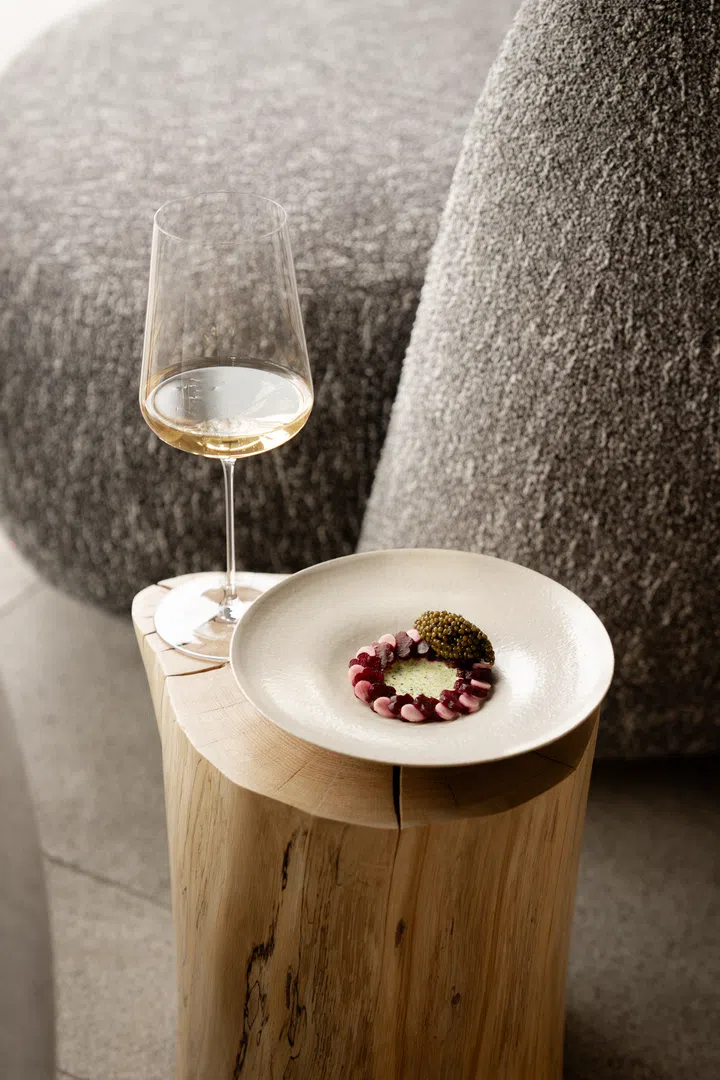
A spoonful of caviar sits on a ring of beetroot, glinting like polished river stones. Beneath it lies a pale ivory sauce emulsified with bear fat. The caviar opens with the briny intensity of deep water.
The beetroot follows, dark and earthy, before the bear fat takes hold — smoky, rich and carrying the faint suggestion of the feral creature itself.
It is the last flavour that stays with you and one that will have you gazing beyond the dining room windows, towards the spruce trees shivering in the alpine wind.
The dish is served at Milka, a two-Michelin-starred restaurant tucked into the mountainous forests of northwestern Slovenia, which borders Austria and Italy. Bears have roamed this terrain for centuries and traditionally hunted for meat served in stews and charcuterie. Beetroot has long been a staple of Slovenian cooking.
Bringing them together turns the landscape into something you can taste. “The bear is there to give the smokiness, the richness and the umami to the vegetables,” explains chef-owner David Žefran.
His cooking points to something happening across Slovenia: Chefs are growing more confident in plating up ingredients rarely heard outside the country: hunted game, mountain cheeses, indigenous grape varieties, and produce gathered from forests. The cuisine itself draws from Alpine, Mediterranean, Central European, and Balkan influences.
Its diversity reflects a landscape where mountains, forests, vineyards, and coastline lie just a few hours apart.
For diners who have already eaten their way through the gilded dining rooms of Paris, the experimental kitchens of Copenhagen and the endless variety of London, Slovenia offers a rarer pleasure: the excitement of experiencing something truly novel.
A cuisine without a stage
“Slovenia has reached an interesting point where it is internationally recognised, yet still feels genuinely discoverable,” says Barbara Zmrzlikar, head of Research and Development at the Slovenian Tourist Board. Last year, the country welcomed nearly seven million visitors, a six per cent increase from 2024.
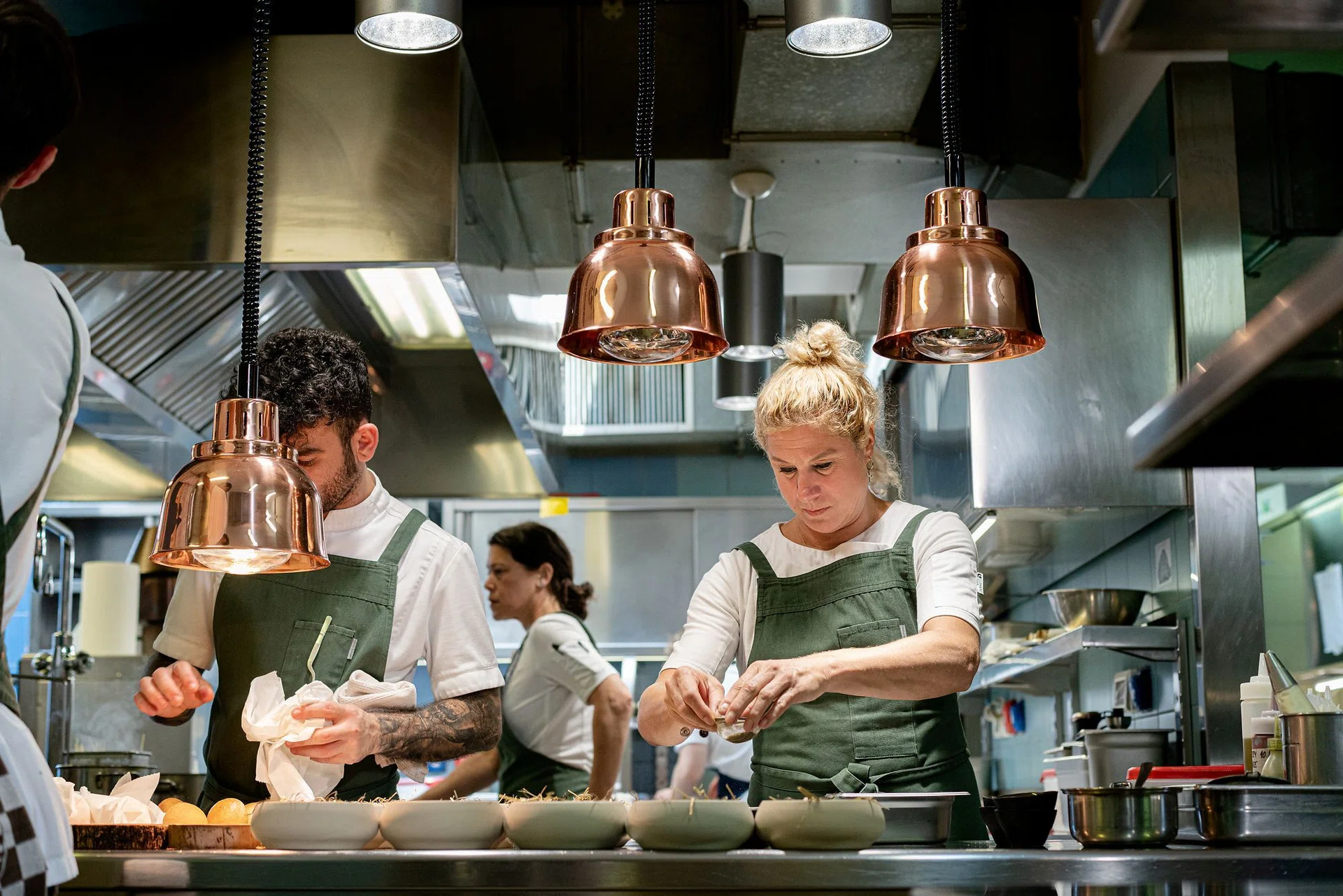
That recognition did not happen by accident. Few people have done more to catapult Slovenian gastronomy onto the world stage than chef Ana Roš. Her appearance on Netflix’s Chef’s Table in 2016 introduced millions of viewers to Hiša Franko in the Soča Valley and her deeply personal approach to serving Slovenian ingredients.
Today, her restaurant is the only one in the country that holds three Michelin stars and is widely regarded as one of Europe’s defining fine-dining establishments.
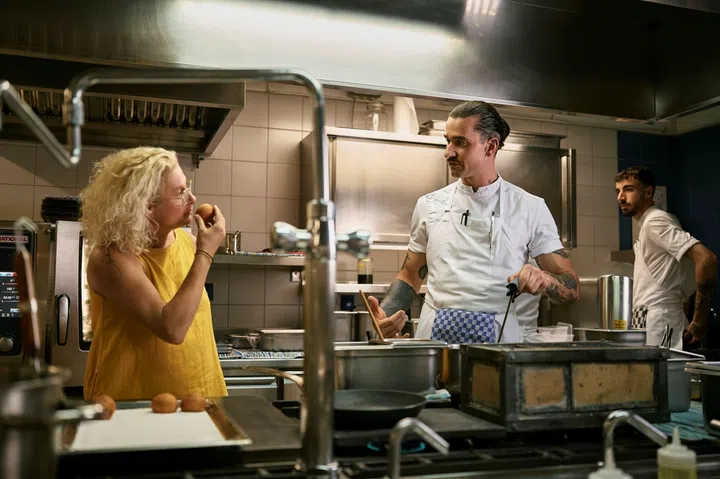
Yet, when asked what Slovenian cuisine looked like 20 years ago, Roš barely hesitates.
“It was a catastrophe.”
She remembers driving through the Alps and seeing restaurant signs advertising pizza, fried calamari, and Wiener schnitzel.
“Whether you were in the mountains or on the seaside,” she says, “you would always eat the same food.”
The contradiction was difficult to ignore. Slovenia is home to 24 gastronomic regions, each rooted in its own landscape, climate, and traditions. Within two hours, travellers can drive from the Julian Alps to the Adriatic coast, passing vineyards, mountain dairies, fertile forests, and rivers teeming with trout and into the sun’s gentle caress of the Mediterranean.
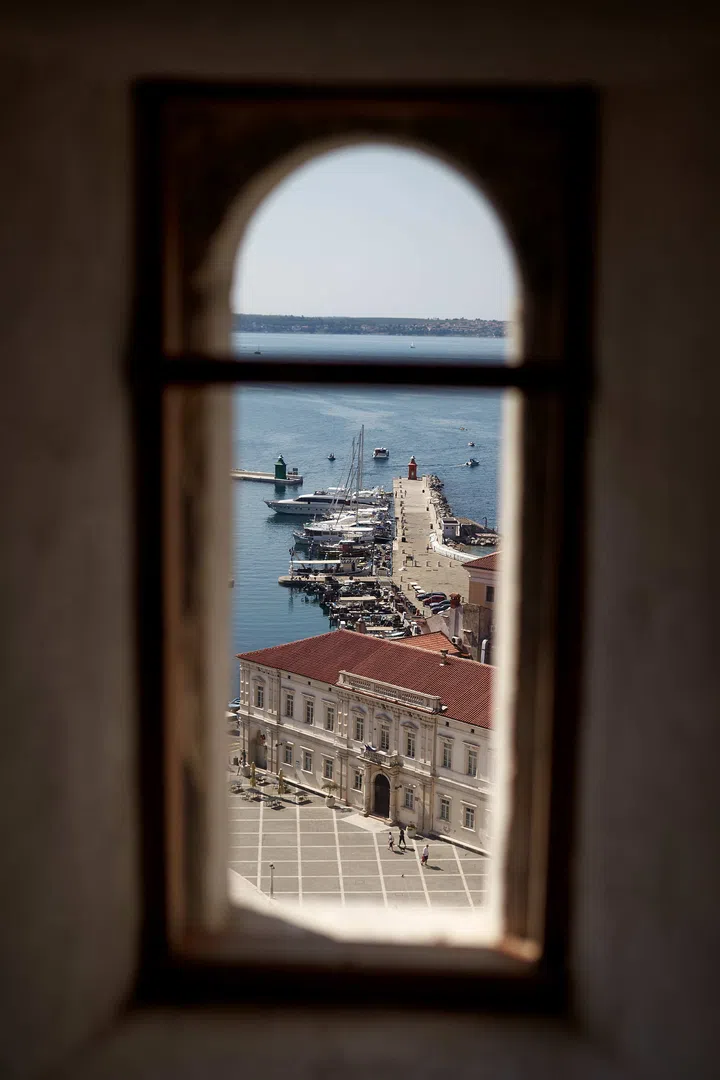
Along the way come some of the country’s diverse foods: Tolminc, the alpine cow’s milk cheese of the northwest; Rebula, the signature white grape grown in the rolling vineyards of western Slovenia; and the olive groves of the Adriatic coast, just to name a few.
Yet for years, visitors could make that same journey without encountering much of the country’s culinary identity. Part of the explanation lies in Slovenia’s recent past; the country only gained independence from Yugoslavia in 1991. Under socialist rule, many regional food traditions had already retreated from public life.
“Slovenia has a very rooted, beautiful local cuisine,” says Roš. “But in the time of socialism… we lost the art of the table.”
It survived in family kitchens and isolated valleys, but became far less visible in restaurants.
She credits the Slow Food movement with helping reverse that decline, a movement founded by food activist Carlo Petrini in neighbouring Italy in the mid 1980s. By the 1990s, it had begun to take root in Slovenia through word of mouth, encouraging chefs and producers to look again at ingredients that had remained an invisible part of Slovenian life all along.
Around the same time, a generation of winemakers, cheesemakers, and farmers began valuing local varieties and traditional methods more.
Wild game like roe deer, wild boar, and chamois (a mountain goat) also regained its place on the table. Slovenia’s hunting laws are among Europe’s strictest. Veterinarians inspect animals before licensed butchers process them.
For bear meat, the nation manages one of Europe’s densest bear populations through tightly regulated hunting quotas. The culls are intended to maintain ecological balance.
The taste of place
For Žefran of Milka, it was a natural extension of a way of life. He grew up on a farm in eastern Slovenia, where dinner depended on what was available. Roasted meats, root vegetables, and slow-cooked stews filled the table. When they slaughtered animals, nothing was discarded.
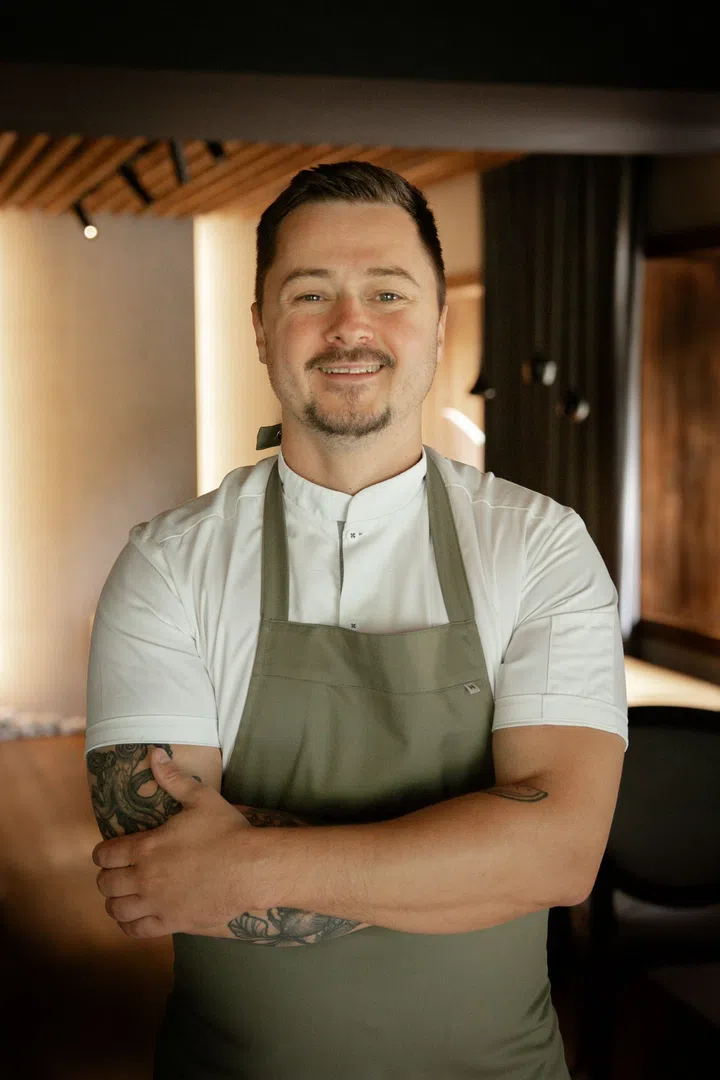
“Livers, kidneys, brains, everything,” he says. “Everything was eaten.”
Reading Milka’s menu is like looking out the restaurant window. Chamois, trout, rabbit, spruce tips, and wild boar appear where others might be scanning for beef or foie gras. The ingredients aren’t chosen to surprise; they simply belong here.
“Any chef anywhere in the world can serve wagyu or a langoustine tail,” says Žefran, who has worked at Restaurant Frantzén in Sweden and Atelje in Ljubljana. “But if I serve that, I won’t be true to who I am and where we are.”
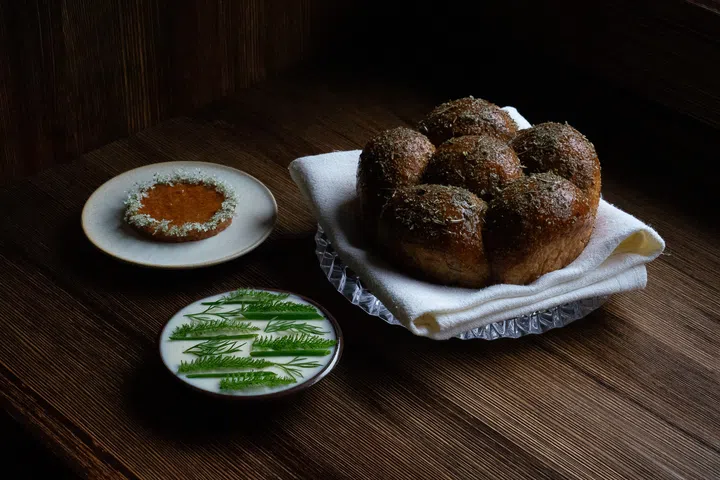
That insistence on place has given Slovenian fine-dining a distinctive identity and one that resists gastronomic homogenisation in an age when tasting menus from New York to New Zealand end up looking the same.
Indeed, among the 10 Michelin-starred restaurants in Slovenia, none are French degustation temples, and none are Japanese omakase spots. Some are opened by self-taught chefs like Marko Pavčnik, who runs one-starred Pavus in a castle built in the 13th century.
Others like chef Filip Matjaž of COB facing the Adriatic Sea are fifth-generation restaurateurs. All are united in building ambitious cuisine from the ingredients, traditions, and landscapes that already exist around them.
The next chapter
But Roš believes Slovenia’s next challenge has little to do with Michelin stars or even fine-dining restaurants. Visitors may come for Hiša Franko or Milka, she says, but they should also explore beyond the tasting menus.
“If I go to France, if I go to Singapore, I would like to go to those hidden restaurants where I can eat what is traditional,” she says. “That is the base.”
The same philosophy appears in an unexpected place. Tucked into the back of Milka’s menu is a QR code directing diners to a list of neighbourhood restaurants, wine bars, cafes, and traditional eateries where travellers can tuck into dödoli (potato dumplings), veal liver, and slices of prekmurska gibanica, the region’s signature layered pastry. It is an unusually generous gesture in an industry better known for competition than collaboration.
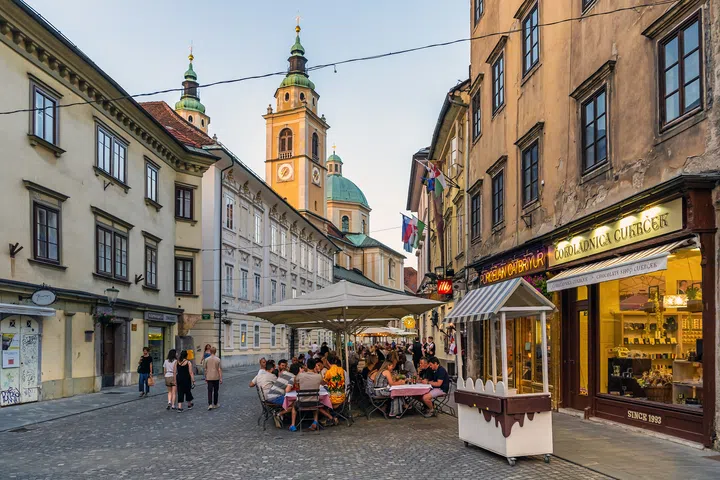
“The real value is that top-level recognition opens the door,” says Zmrzlikar. “Once visitors enter, they discover that Slovenian gastronomy is not only about a few exceptional restaurants, but about a much wider food culture.”
Near the end of our conversation, I ask Roš whether Slovenia is entering a new chapter as a gastronomic destination.
“A new chapter doesn’t happen from one day to another,” she replies. “We are in this time period now.”
Twenty years ago, travellers crossed Slovenia eating pizza, calamari, and schnitzel. Today, they come in search of game meats, Tolminc, Rebula, and the people behind them. Michelin stars may be Slovenia’s most visible culinary achievement, but the greater success was finding the confidence to let its forests, mountains, and rivers write the menu.