
Can a 27-year-old entrepreneur save Singapore’s kopi culture by putting it in a machine?
As traditional kopi masters retire, Kopi Near Me co-founder Junheng Leow is developing automated systems to preserve their unique brewing techniques.
By Zat Astha /
Share this article
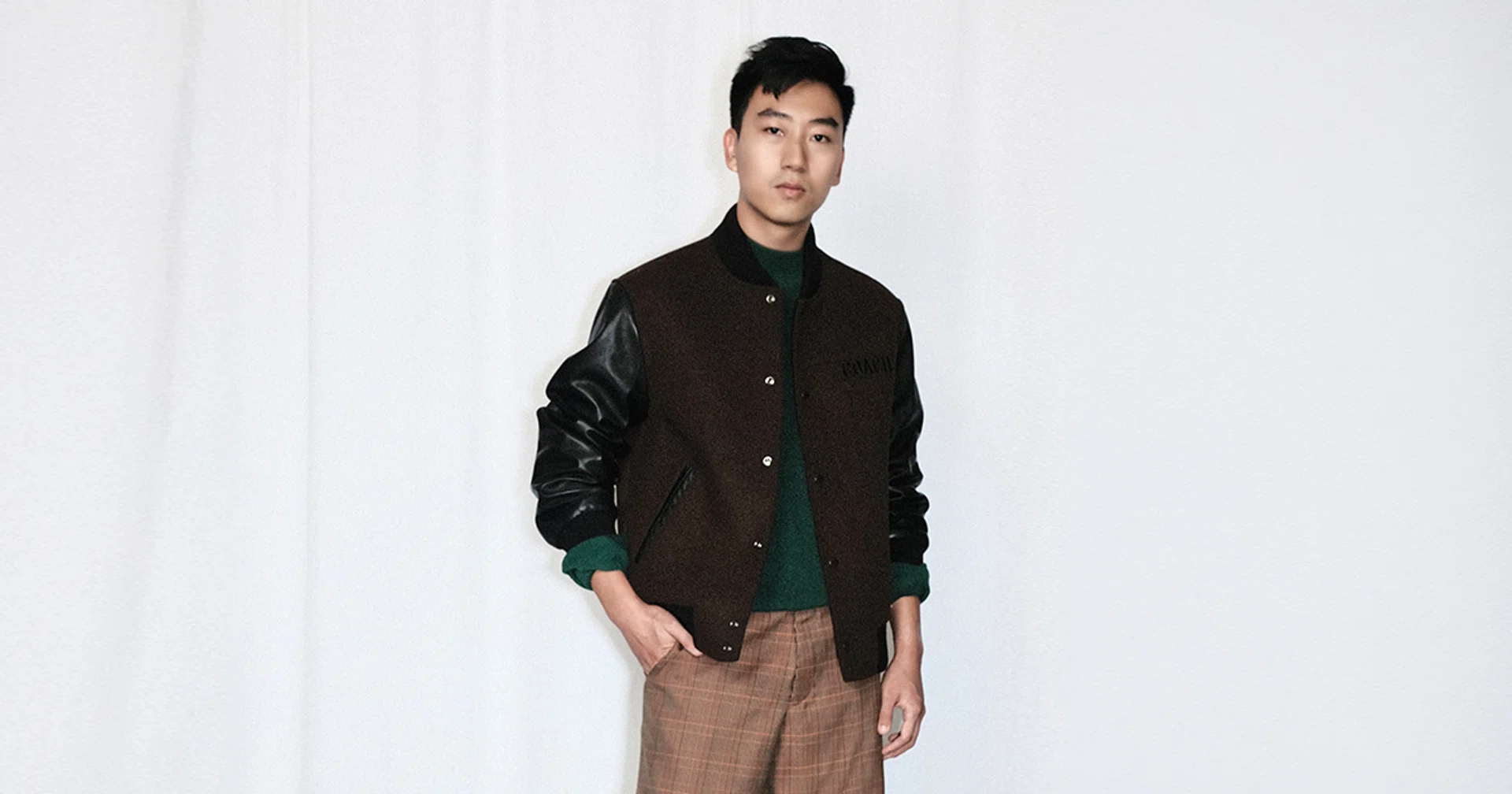
Junheng Leow, the 27-year-old co-founder of Kopi Near Me, is building a Singapore company that uses proprietary automated brewing technology to bring traditional Nanyang kopi and teh into offices, hospitals, military camps, and other places where a kopitiam might be inconveniently far away. It is an unusual proposition for a business rooted in culinary heritage: preserve the work of traditional kopi masters by teaching machines to reproduce it.
The contradiction does not trouble Leow. What concerns him is the possibility that Singaporeans might eventually remember a proper cup of kopi more readily than they can find one.
“When my co-founder and I met, Kopi Near Me started with a simple problem statement that a good cup of kopi was getting harder to find in Singapore,” he recalls. Inside institutions, coffee choices often came down to instant premixes or machines designed for Western-style beverages, while traditional coffee shops faced their own succession problems.
“Ultimately, I see it as a heritage problem,” he says. “If we cannot find a way to carry these drinks into the next generation in the region, there is a real risk of our local beverage becoming something we only reminisce about.”
His proposed solution might horrify purists. Leow wants to make a kopi master replicable.
The kopi code
A traditional cup of kopi carries knowledge that rarely appears in a recipe book. Brewing sequences, ingredient proportions, freshness, and countless adjustments create a taste customers recognise without necessarily understanding how it comes together.
Leow’s wager is that much of this expertise can be translated into a repeatable process without sacrificing the drink’s character.
“The assumption I reject most is that heritage and automation sit on contrasting ends of a spectrum,” he explains. “I do not believe that authentic beverages must be handmade, and anything automated is a compromise. In fact, the exact opposite is true.”
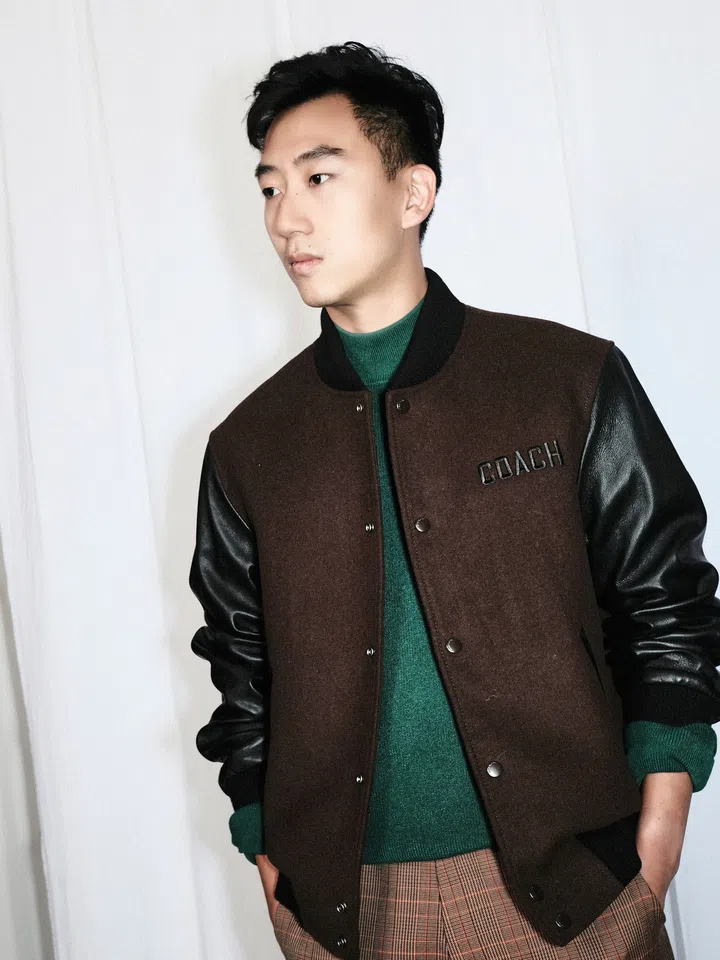
That conviction led Kopi Near Me down a more expensive development path. Rather than buying conventional vending machines and filling them with commercial premixes, the company invested in understanding how traditional kopi and teh are prepared, then developed its own brewing processes and recipes.
“The shortcut would have made far more sense: it’s faster to market, needed less capital, and there’s no need to reinvent things,” Leow admits. But a business built entirely around existing hardware and premixes would have left little to distinguish it from other vending operators.
“We cannot expect a mere convenient solution to be the answer to the mission we started with.”
The machines are consequently only the visible part of a considerably more elaborate business. Behind every cup sit recipes, software, operational systems, and brewing processes that the company protects as proprietary know-how.
Two hundred experiments
Leow says Kopi Near Me reached 200 operational locations in approximately 18 months, developing different machines for different environments. Tabletop units serve offices and similar premises, while larger standing machines accommodate locations with heavier demand.
“We also collect data on every cup our machines serve,” he explains, allowing the company to study purchasing patterns, variations in taste preferences, and individual-location performance.
The data can reveal when a machine requires recalibration, sometimes before customers notice anything amiss. Meanwhile, the team continues to conduct taste tests and adjust brewing processes at deployment sites.
Expansion, however, introduces the very problem that automation supposedly solves: How to produce something consistently without gradually compromising the qualities that made it desirable. “The day it starts tasting like a generic vending machine drink, we have lost the reason we exist,” Leow declares.
That principle has financial consequences. Commercial ingredients and simpler recipes could accelerate expansion, but Leow insists on retaining control over the underlying process, even if growth slows.
“If a new site or partner is not ready for us, we would rather wait,” he says. “Growth that damages the brand is not really growth. It is borrowing against our reputation.”
A young man’s old trade
Despite his confidence in automation, Leow is acutely aware that the clientele buying his machines operate under a different understanding of professional credibility.
“The hardest part is that many of our clients are major institutions that, quite frankly, look rather surprised when they first see the face of a 27-year-old representative as they do not take risks lightly,” he recounts.
Hospitals, military camps, and multi-national corporations want evidence that their suppliers can satisfy demanding operational requirements over many years. A clever machine and an enthusiastic founder are hardly sufficient guarantees.
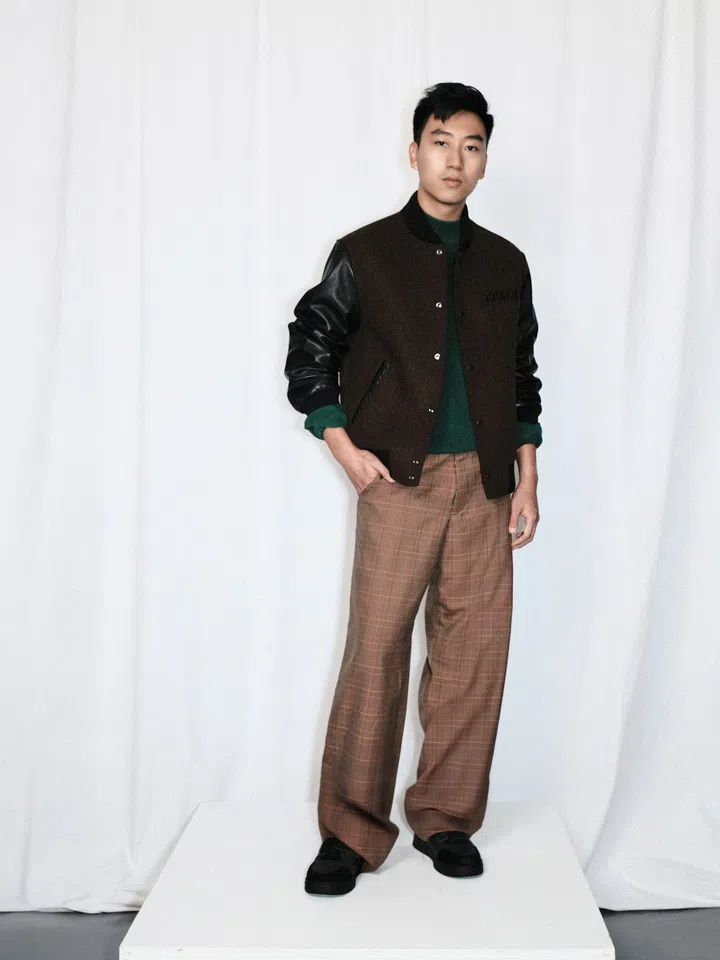
Leow therefore invested early in food safety compliance, workplace training, and operational reliability, letting successful deployments build a track record his age could not yet provide.
Curiously, the older generation has also become one of his most encouraging constituencies.
“Many of the older kopi masters I have spoken to have never held back on their knowledge,” he reflects, wondering whether their generosity stems partly from recognising a young person who genuinely wants their craft to survive.
There is an appealing incongruity in the arrangement. The men who have spent their working lives brewing kopi by hand are sharing their expertise with someone determined to teach machines to do it.
Beyond the kopitiam
Today, Leow’s ambition extends beyond making traditional coffee available in unconventional locations. Having developed technology around a beverage so closely associated with Singapore’s everyday culture, he sees a larger opportunity to commercialise local food knowledge.
“If we can take something as local and culturally specific as Nanyang kopi and turn it into repeatable technology, there is no reason that capability has to stop at Singapore’s borders,” he reasons.
Yet the scale of that ambition makes his commitment to quality more consequential. As Kopi Near Me expands, every machine must reproduce an experience rooted in the accumulated expertise of people whose names customers may never know. The drink should always remain recognisable.
Leow belongs to a generation inheriting cultural practices that affection alone cannot preserve indefinitely. His response has been to dismantle one of those practices into its constituent processes, study the economics, develop the technology, and assemble it again in a form that might survive its original custodians.
He has no plans to replace the kopi master with a vending machine — hardly. Rather, he wants the kopi master’s knowledge to continue producing cups long after the master has retired. Whether every purist will appreciate the distinction is another question. Leow, for his part, would probably prefer they taste the coffee first.
Art direction: Fazlie Hashim
Photographer: Athirah Annissa
Stylist: Dolphin Yeo
Grooming: Angel Gwee, using Chanel Beauty and Goldwell
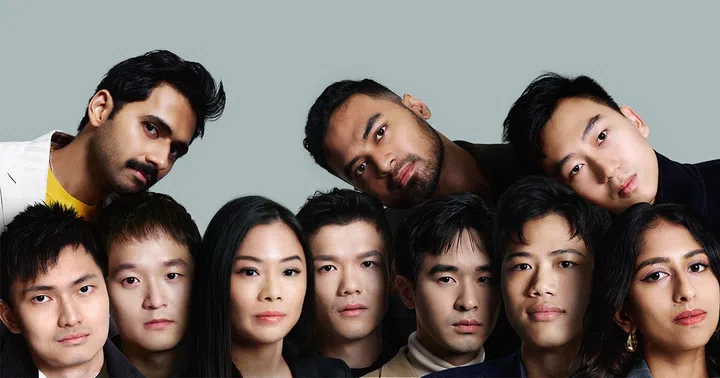
For more stories on Strictly Zillennial, visit here.