%22%3E%0A%3Cpath%20d%3D%22M412%20101.2H393.7C393.1%20101.2%20392.3%20100.9%20391.8%20100.5C377.3%2087.6004%20362.9%2074.6004%20348.4%2061.6004C344.8%2058.4004%20341.3%2055.2004%20337.7%2052.0004C337.1%2051.5004%20336.2%2051.1004%20335.5%2051.0004C334.2%2050.8004%20333%2051.0004%20331.5%2051.0004V101.1H316.7V0.100391H331.4V44.3004C331.9%2044.3004%20332.2%2044.4004%20332.5%2044.4004C334.9%2044.4004%20337.2%2044.5004%20339.6%2044.4004C340.4%2044.4004%20341.3%2044.0004%20341.8%2043.5004C351.6%2034.4004%20361.4%2025.2004%20371.1%2016.0004C376.5%2010.9004%20381.9%205.90039%20387.3%200.800391C387.9%200.200391%20388.5%200.000390626%20389.3%200.000390626H400.9C384.2%2015.8004%20367.8%2031.3004%20351.2%2047.0004C371.5%2065.0004%20391.8%2082.9004%20412.1%20100.9C412.1%20101%20412.1%20101.1%20412%20101.2ZM180.9%20101.2C184.1%2094.9004%20187.2%2088.9004%20190.3%2082.8004C198.3%2067.3004%20206.2%2051.8004%20214.2%2036.2004C220.3%2024.4004%20226.4%2012.5004%20232.4%200.700391C232.7%200.100391%20233%20-0.0996094%20233.7%20-0.0996094H248.1C248.8%20-0.0996094%20249.2%200.100391%20249.6%200.800391C256%2013.3004%20262.4%2025.7004%20268.8%2038.2004C279.3%2058.6004%20289.8%2079.0004%20300.3%2099.5004C300.5%20100%20300.8%20100.4%20301.1%20101.1C300.5%20101.1%20300.1%20101.2%20299.7%20101.2H286.5C285.6%20101.2%20285.1%20100.9%20284.7%20100.2C280.1%2091.3004%20275.4%2082.4004%20270.8%2073.4004C270.1%2072.1004%20269.3%2071.6004%20267.8%2071.6004H209.9C208.7%2071.6004%20208.1%2072.0004%20207.5%2073.1004C202.9%2082.1004%20198.2%2091.0004%20193.6%20100C193.1%20101%20192.6%20101.3%20191.5%20101.3C188.4%20101.2%20185.3%20101.3%20182.3%20101.3C182%20101.2%20181.6%20101.2%20180.9%20101.2ZM239.1%2011.4004C230%2029.2004%20221.1%2046.7004%20212.1%2064.3004H266.4C257.2%2046.7004%20248.2%2029.2004%20239.1%2011.4004ZM0%200.000390626H43.4C51.2%200.000390626%2058.7%201.20039%2065.7%204.80039C75.9%2010.0004%2078.9%2018.0004%2078.6%2027.4004C78.3%2034.3004%2076%2040.5004%2071.2%2045.5004C67.3%2049.6004%2062.4%2052.3004%2057.1%2054.3004C50.6%2056.7004%2043.9%2058.0004%2037.1%2058.6004C30.1%2059.2004%2023.1%2059.4004%2016.2%2059.7004C15.8%2059.7004%2015.3%2059.8004%2014.8%2059.8004V101.1H0.1C0%2067.4004%200%2033.8004%200%200.000390626ZM14.8%207.10039V52.2004C23.7%2052.4004%2032.6%2052.3004%2041.2%2050.1004C44.4%2049.3004%2047.6%2048.2004%2050.6%2046.7004C58.4%2043.0004%2062.3%2036.7004%2062.7%2028.0004C63%2019.9004%2059.5%2014.1004%2052.4%2010.5004C47.6%208.00039%2042.5%207.10039%2037.2%207.10039H14.8ZM95.9%20101.1V0.100391H167.3V7.20039H110.7V44.7004H158.1V51.9004H110.8V93.9004H171.1V101C146.1%20101.1%20121%20101.1%2095.9%20101.1Z%22%20fill%3D%22black%22%2F%3E%0A%3Cpath%20d%3D%22M35.0004%2025.7996H42.5004V20.6996H44.8004V33.1996H42.6004V27.5996H34.9004V33.2996H32.7004V20.7996H35.0004V25.7996ZM54.4004%2025.8996V27.2996H48.9004V31.6996H55.9004C55.9004%2032.1996%2056.0004%2032.5996%2056.0004%2033.0996H46.5004V20.5996H55.5004V21.8996H49.0004V25.7996C50.7004%2025.8996%2052.5004%2025.8996%2054.4004%2025.8996ZM25.9004%2033.0996H23.5004V21.9996H17.9004V20.6996H31.6004V22.0996H27.1004C26.2004%2022.0996%2025.9004%2022.2996%2025.9004%2023.1996C26.0004%2026.0996%2025.9004%2028.9996%2025.9004%2031.7996V33.0996Z%22%20fill%3D%22black%22%2F%3E%0A%3C%2Fg%3E%0A%3Cdefs%3E%0A%3CclipPath%20id%3D%22clip0_388_462%22%3E%0A%3Crect%20width%3D%22411%22%20height%3D%22101.2%22%20fill%3D%22white%22%2F%3E%0A%3C%2FclipPath%3E%0A%3C%2Fdefs%3E%0A%3C%2Fsvg%3E%0A)
Why the CEO and founder of Acme Technology walked away from Big Tech to fix the banking world’s biggest headache
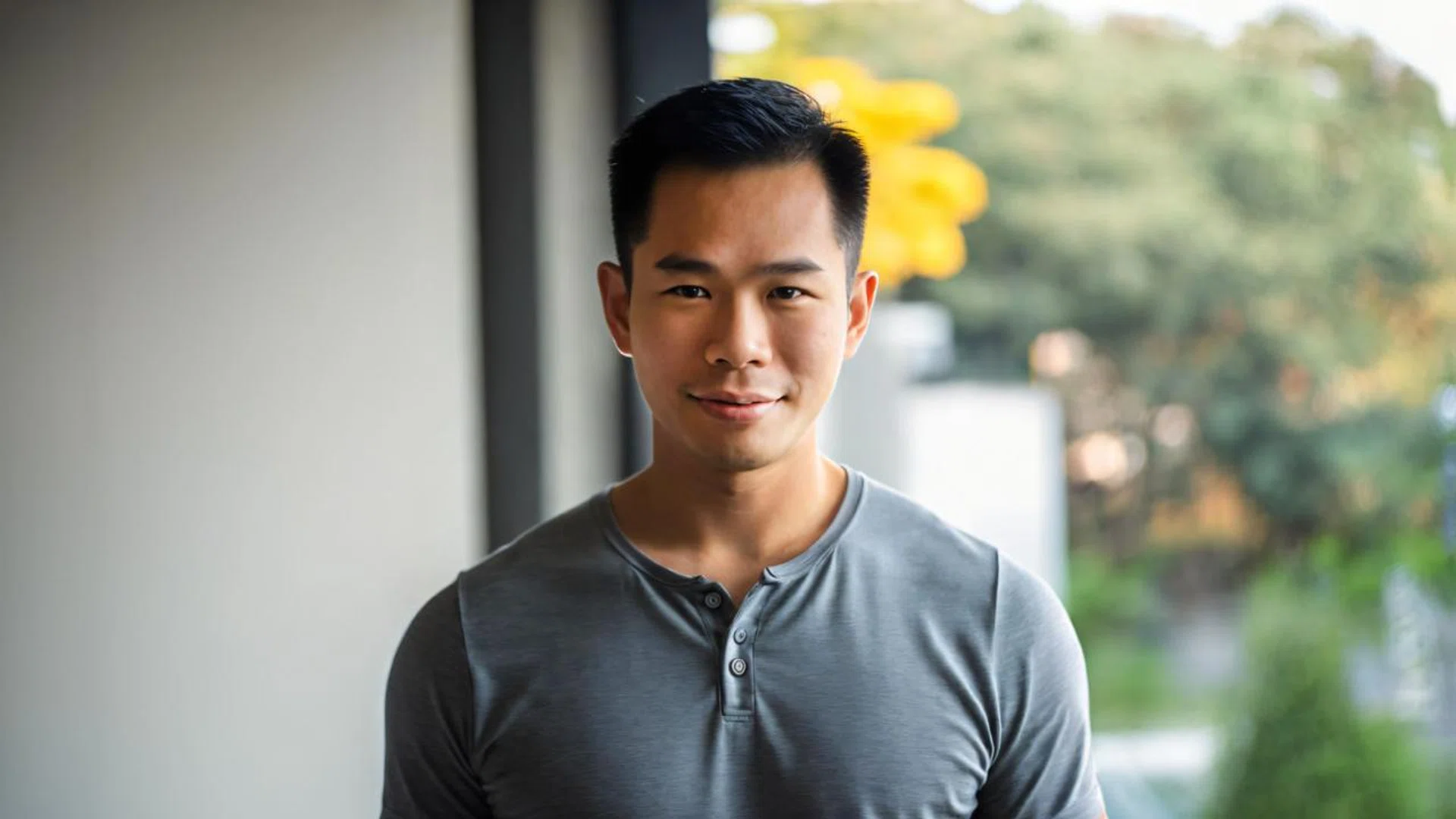
JX Lye could have stayed in high-flying corporate roles, but instead, he took on the unglamorous task of modernising bank integrations — one of the last untouched frontiers of fintech.
By Zat Astha /
Share this article
“How They See It” is where we delve into the minds of those shaping the future of today’s most dynamic companies. In this instalment, we speak with JX Lye, CEO and founder of Acme Technology, about the overlooked complexities of bank integrations, the challenge of building trust in fintech, and why true innovation happens behind the scenes — where infrastructure, not hype, drives lasting change.
I never realised how much the world ran on trust until I started Acme.
For most of my career, I sat on the other side of the table — the corporate side — where banks were eager to meet, keen to close deals, and open to integrating their services with ours. At Endowus and Bytedance, my role in implementing internal payment and reconciliation systems gave me an almost effortless entry into conversations with financial institutions.
But the moment I launched Acme, the dynamic shifted. Overnight, I became a vendor. There was no brand name to lean on, no corporate muscle to flex — just an idea and a conviction that we could fix something fundamental in banking infrastructure. And banks, as it turns out, are not in the habit of giving startups the benefit of the doubt.
It was humbling, even jarring. Getting a fifteen-minute meeting with the very institutions that once courted me became an uphill battle. Why should they take time for a vendor rather than a client? That was the question — unspoken but always present. My only answer was to keep showing up, refining our proposition, and proving, one integration at a time, that what we were building wasn’t just valuable — it was necessary.
Acme was founded on a simple yet pressing problem: Businesses rely on banks for their very survival, yet bank integrations are a mess. In Asia, especially, where financial systems vary dramatically from region to region, integrating with banks is neither cheap nor straightforward.
The result is a painstakingly inefficient process that forces companies to invest enormous time and resources to access their financial data, reconcile transactions, or collect payments. We set out to change that — to make integrations faster, cheaper, and more reliable.

Behind-the-scene grind
But when people hear the phrase ‘bank integrations’, they assume it’s about reducing costs — automating manual processes like uploading bank statements. And while that’s part of it, the reality is much broader.
A genuinely seamless integration doesn’t just save money; it unlocks capabilities. It allows businesses to collect funds directly via Direct Debit, reducing reliance on costly credit card transactions. It enables better compliance, ensuring every transaction is logged and every action is verifiable.
In essence, it gives businesses control over their financial infrastructure — something that, until now, has been the exclusive domain of banks.
The truth about fintech is that the most transformative work happens in places where nobody is looking. People love flashy front-end innovations like AI-driven investment advisors and sleek mobile banking apps.
However, real change is happening in the back-end infrastructure, the systems that move money securely and efficiently. And the reality is much of banking’s core infrastructure remains stuck in the pre-2000s era, built for a world that no longer exists.
That’s where the real opportunity lies.
Of course, opportunity and ease are not the same thing. The hardest part of building Acme has been embracing uncertainty. Unlike working at an established company, there’s no safety net — no brand reputation to fall back on, no corporate structure to provide psychological comfort.
The only things that keep you going are your vision and the people you’ve convinced to join you on the journey.

“Status is a game”
I worry a lot. About Acme’s cash flow, whether we’re growing fast enough, and whether the team is okay. And the most challenging part is that many of the things I worry about are completely out of my control. I can’t dictate market conditions or force a bank to integrate with us faster. What I can control is how we operate — our daily inputs and our commitment to delivering real value.
That’s where consistency matters: How do we evaluate clients? How do we uphold our obligations? How do we treat our partners? We refine, we iterate, but at Acme, we never waver on our principles.
In this age of social media and tech hype, it’s tempting to chase status — to seek out the glossy press features, the industry awards, the conference speaking slots. And I won’t deny that there’s a pull. When running a startup, particularly one that isn’t the ‘sexy’ side of fintech, visibility can feel like validation.
But I remind myself, every day, that status is a game. And it’s not one I’m here to play. What matters is whether we’re building something of enduring value — whether we’re making it easier for businesses to operate or whether our clients trust us enough to integrate their financial systems with ours.
That’s what success looks like to me. Not just growth, but impact. A delighted customer base. A team that wakes up excited to solve challenging problems.
It’s the climb
Today, a lot of work culture is about what it means to build an organisation where people genuinely want to be. Work takes up so much of our lives — it’s tragic when people dread it. A startup is, by nature, an intense place. The pace is relentless, and the stakes are high.
But I believe that if you’re going to demand so much from people, you owe them an environment that is both supportive and inspiring. That balance — between pushing hard and ensuring the journey remains fulfilling — is something I never stop thinking about.
The world is unpredictable, but the one thing that keeps me grounded is thinking long-term. When you’re a small company, the short-term pressures can feel overwhelming — the temptation to chase quick wins, to say yes to every opportunity, even if it pulls you away from your core mission.
But I know that real impact comes from staying the course and making hard calls that prioritise sustainability over immediate gain. That’s the lesson I’ve learned from working across tech cultures in the US, China, and Singapore: The companies that endure are the ones that build with intention.
I suppose that’s why I chose to build Acme in the first place. Not because it was the obvious next step. Not because it was the easiest path. But because, in an increasingly multipolar world, where financial hubs like Singapore are only growing in importance, there is an undeniable need to modernise the infrastructure that underpins it all.
And if there’s one thing I’ve learned, it’s that building something meaningful takes time. But when you surround yourself with the right people and focus on what truly matters, you realise that the journey is just as important as the outcome.”