%22%3E%0A%3Cpath%20d%3D%22M412%20101.2H393.7C393.1%20101.2%20392.3%20100.9%20391.8%20100.5C377.3%2087.6004%20362.9%2074.6004%20348.4%2061.6004C344.8%2058.4004%20341.3%2055.2004%20337.7%2052.0004C337.1%2051.5004%20336.2%2051.1004%20335.5%2051.0004C334.2%2050.8004%20333%2051.0004%20331.5%2051.0004V101.1H316.7V0.100391H331.4V44.3004C331.9%2044.3004%20332.2%2044.4004%20332.5%2044.4004C334.9%2044.4004%20337.2%2044.5004%20339.6%2044.4004C340.4%2044.4004%20341.3%2044.0004%20341.8%2043.5004C351.6%2034.4004%20361.4%2025.2004%20371.1%2016.0004C376.5%2010.9004%20381.9%205.90039%20387.3%200.800391C387.9%200.200391%20388.5%200.000390626%20389.3%200.000390626H400.9C384.2%2015.8004%20367.8%2031.3004%20351.2%2047.0004C371.5%2065.0004%20391.8%2082.9004%20412.1%20100.9C412.1%20101%20412.1%20101.1%20412%20101.2ZM180.9%20101.2C184.1%2094.9004%20187.2%2088.9004%20190.3%2082.8004C198.3%2067.3004%20206.2%2051.8004%20214.2%2036.2004C220.3%2024.4004%20226.4%2012.5004%20232.4%200.700391C232.7%200.100391%20233%20-0.0996094%20233.7%20-0.0996094H248.1C248.8%20-0.0996094%20249.2%200.100391%20249.6%200.800391C256%2013.3004%20262.4%2025.7004%20268.8%2038.2004C279.3%2058.6004%20289.8%2079.0004%20300.3%2099.5004C300.5%20100%20300.8%20100.4%20301.1%20101.1C300.5%20101.1%20300.1%20101.2%20299.7%20101.2H286.5C285.6%20101.2%20285.1%20100.9%20284.7%20100.2C280.1%2091.3004%20275.4%2082.4004%20270.8%2073.4004C270.1%2072.1004%20269.3%2071.6004%20267.8%2071.6004H209.9C208.7%2071.6004%20208.1%2072.0004%20207.5%2073.1004C202.9%2082.1004%20198.2%2091.0004%20193.6%20100C193.1%20101%20192.6%20101.3%20191.5%20101.3C188.4%20101.2%20185.3%20101.3%20182.3%20101.3C182%20101.2%20181.6%20101.2%20180.9%20101.2ZM239.1%2011.4004C230%2029.2004%20221.1%2046.7004%20212.1%2064.3004H266.4C257.2%2046.7004%20248.2%2029.2004%20239.1%2011.4004ZM0%200.000390626H43.4C51.2%200.000390626%2058.7%201.20039%2065.7%204.80039C75.9%2010.0004%2078.9%2018.0004%2078.6%2027.4004C78.3%2034.3004%2076%2040.5004%2071.2%2045.5004C67.3%2049.6004%2062.4%2052.3004%2057.1%2054.3004C50.6%2056.7004%2043.9%2058.0004%2037.1%2058.6004C30.1%2059.2004%2023.1%2059.4004%2016.2%2059.7004C15.8%2059.7004%2015.3%2059.8004%2014.8%2059.8004V101.1H0.1C0%2067.4004%200%2033.8004%200%200.000390626ZM14.8%207.10039V52.2004C23.7%2052.4004%2032.6%2052.3004%2041.2%2050.1004C44.4%2049.3004%2047.6%2048.2004%2050.6%2046.7004C58.4%2043.0004%2062.3%2036.7004%2062.7%2028.0004C63%2019.9004%2059.5%2014.1004%2052.4%2010.5004C47.6%208.00039%2042.5%207.10039%2037.2%207.10039H14.8ZM95.9%20101.1V0.100391H167.3V7.20039H110.7V44.7004H158.1V51.9004H110.8V93.9004H171.1V101C146.1%20101.1%20121%20101.1%2095.9%20101.1Z%22%20fill%3D%22black%22%2F%3E%0A%3Cpath%20d%3D%22M35.0004%2025.7996H42.5004V20.6996H44.8004V33.1996H42.6004V27.5996H34.9004V33.2996H32.7004V20.7996H35.0004V25.7996ZM54.4004%2025.8996V27.2996H48.9004V31.6996H55.9004C55.9004%2032.1996%2056.0004%2032.5996%2056.0004%2033.0996H46.5004V20.5996H55.5004V21.8996H49.0004V25.7996C50.7004%2025.8996%2052.5004%2025.8996%2054.4004%2025.8996ZM25.9004%2033.0996H23.5004V21.9996H17.9004V20.6996H31.6004V22.0996H27.1004C26.2004%2022.0996%2025.9004%2022.2996%2025.9004%2023.1996C26.0004%2026.0996%2025.9004%2028.9996%2025.9004%2031.7996V33.0996Z%22%20fill%3D%22black%22%2F%3E%0A%3C%2Fg%3E%0A%3Cdefs%3E%0A%3CclipPath%20id%3D%22clip0_388_462%22%3E%0A%3Crect%20width%3D%22411%22%20height%3D%22101.2%22%20fill%3D%22white%22%2F%3E%0A%3C%2FclipPath%3E%0A%3C%2Fdefs%3E%0A%3C%2Fsvg%3E%0A)
The future on a plate: Lee Fordham’s blueprint for how we’ll eat in the next decade
The founder of creative data consultancy, Synthesis, which runs The Future of Food series and Menu 2035 reports, on what to expect on your plates in the next decade.
By Kenneth SZ Goh /
Share this article
What will we be eating in 2035? Shrimps cultivated from a circular aquaculture system, cricket and seaweed-flavoured madeleines and alt-chocolate made from spent grains. These are some of the newfangled possibilities outlined by Synthesis, a creative data consultancy, in its flagship foresight experience and report, Menu 2035, which looks ahead at how humanity will feed itself over the next decade.
Menu 2035 is an independent research endeavour by Synthesis that helps businesses, mainly in the F&B and entertainment sectors, make sense of the world’s data to future-proof themselves. This is done through analysing data to simulate future possibilities and develop long-term strategic plans.
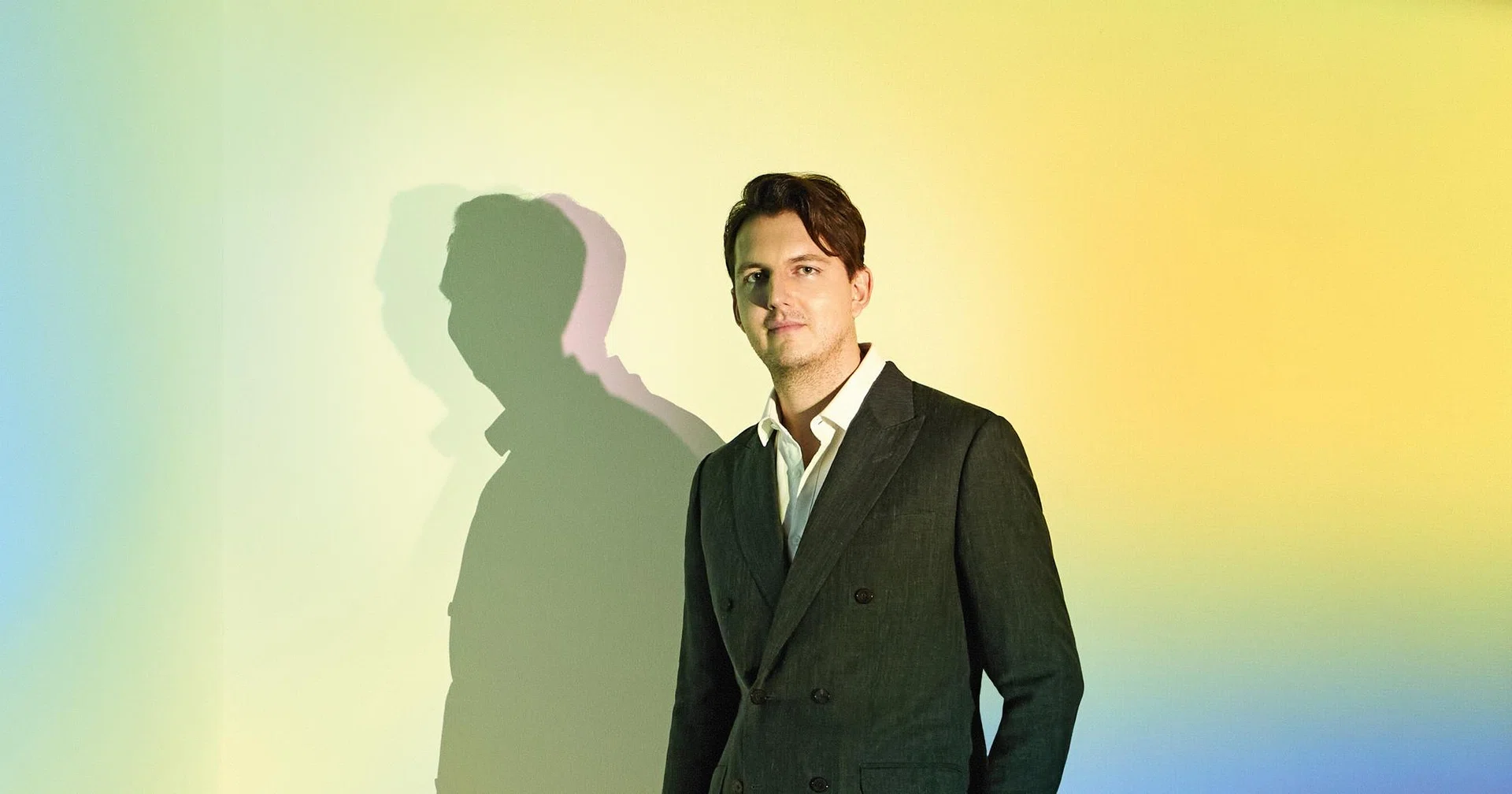
Lee Fordham, founder of Synthesis, says: “We identified critical certainties (a concept in the futures world that follows a trajectory) like growing global population and climate change, which makes it difficult to grow food, and looked at the biggest ways that will impact the way that we live.”
Menu 2035 centres on these three areas: The report identifies new food sources in a resource-challenged world; how crops can be maximised for human consumption, such as rethinking the use of jackfruit and bread; and how optimal sustenance can be derived from food that has seen a decline in nutrient density.
For the fourth edition of the report, Synthesis analysed 25 years of data on population and climate change, nutrition, and soil health. Instead of presenting binary possibilities, it examined how these factors are interconnected and generated 100,000 versions of the future through data modelling of how these forces could collide, shift, and reshape, using fuzzy cognitive mapping.
The 36-year-old Brit sums up: “We live in a polyscene world, when everything is interconnected. We can’t look at the world in a very linear way.”
Serving fresh perspectives
According to Fordham, some surprising findings from Menu 2035 include that one-third of food grown globally is never eaten, and household waste is the fastest-growing culprit. Waste from food, mainly fresh fruits and vegetables, contributes to eight to 10 per cent of global greenhouse gas emissions — nearly five times more than aviation.
Climate change is also eroding soil health and destabilising harvests, reducing the nutritional density of common crops by up to half. For example, an orange in 2035 will contain only half the vitamin C it had in 1985.
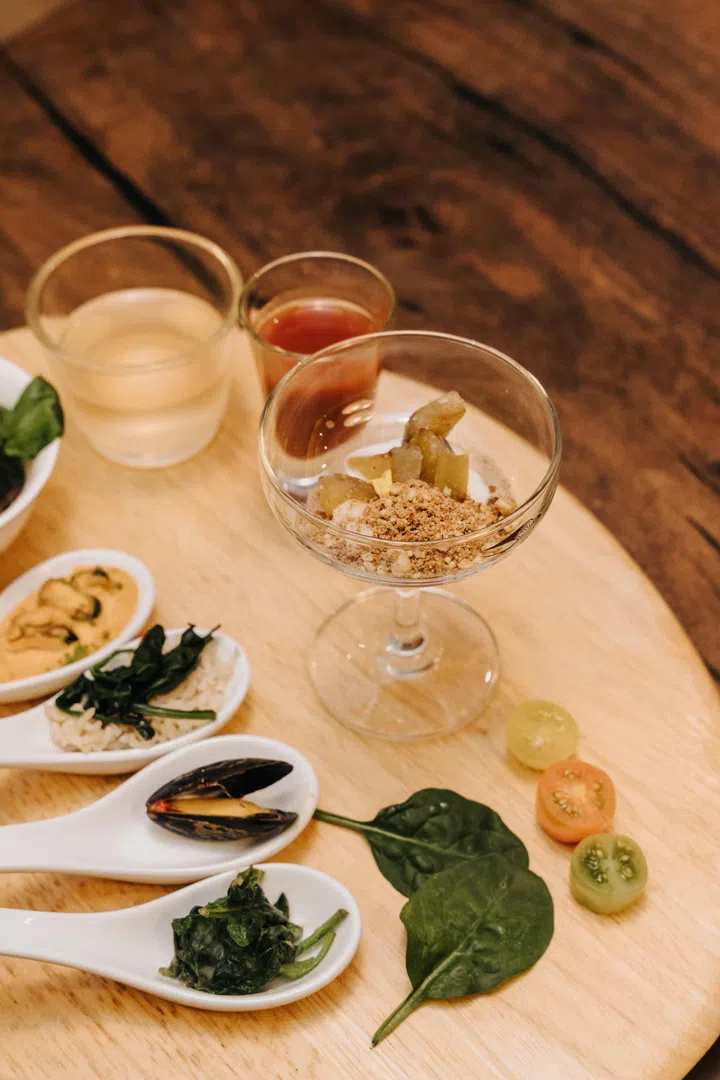
This year, Fordham hopes to dive deeper into bioavailability, the science of optimising nutrient absorption through cooking and preparing food. One of Synthesis’ test kitchens showed an increase in iron absorption when spinach is cooked with duck fat and a squeeze of lemon.
The team will work with nutritionists and researchers from the University of Melbourne and the Basque Culinary Centre in San Sebastián to further explore the issue.
Turning the future into reality
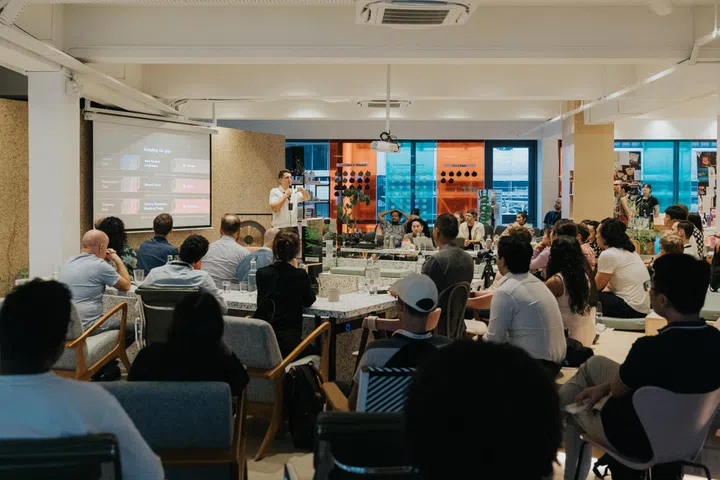
Besides making bold predictions, Synthesis goes one step further by organising talks and immersive test kitchen seminars through its The Future of Food series, which is tied to the reports. Participants have “experienced the predictions” through tasting nasi lemak made with climate-resilient ingredients and sampling cell-cultured meat.
Fordham says: “The reality is that if you want to create a movement of change, it won’t happen from reading a whitepaper — you need to trigger conversations at events.”
Fordham hopes that the foresight experience can inspire creativity among chefs and provide a framework for menu planning. He believes that chefs play a crucial role in getting diners excited about what’s possible.
One restaurant that excites him is Bricolage, a responsible dining cafe by chef Russell Nathan, former head chef at Nouri Restaurant. It creates meals from upcycled and surplus ingredients from fine-dining restaurants and “ugly” vegetables from farms in Malaysia.
Think bigger

Fordham’s path into forecasting began in digital forensics, where they analysed open-source intelligence to study human behaviour and identify cultural patterns. Today, he leads a team of 50 strategists, data engineers, and scientists across offices in New York City, London, and here, working with innovation teams at companies to build plausible, data-backed scenarios of their future.
“To break away from orthodoxy and allow people to see their agency, think bigger, and consider the future is exciting,” he says. “It is fascinating to see how things interact, how they have been in the past and what that might mean for the future.”
Later this year, Synthesis will run a series of test kitchens in Singapore, New York City, Melbourne, and San Sebastián, themed around Super Nutrition. He says: “We are seeing a lot of signals and forces that suggest that people are getting less nutrition from food, while we have so much information about our health through technology gadgets.”
The events will dig into issues such as access, agency, and the appeal of food, encouraging diners to debate and better understand what will be on their plates.