%22%3E%0A%3Cpath%20d%3D%22M412%20101.2H393.7C393.1%20101.2%20392.3%20100.9%20391.8%20100.5C377.3%2087.6004%20362.9%2074.6004%20348.4%2061.6004C344.8%2058.4004%20341.3%2055.2004%20337.7%2052.0004C337.1%2051.5004%20336.2%2051.1004%20335.5%2051.0004C334.2%2050.8004%20333%2051.0004%20331.5%2051.0004V101.1H316.7V0.100391H331.4V44.3004C331.9%2044.3004%20332.2%2044.4004%20332.5%2044.4004C334.9%2044.4004%20337.2%2044.5004%20339.6%2044.4004C340.4%2044.4004%20341.3%2044.0004%20341.8%2043.5004C351.6%2034.4004%20361.4%2025.2004%20371.1%2016.0004C376.5%2010.9004%20381.9%205.90039%20387.3%200.800391C387.9%200.200391%20388.5%200.000390626%20389.3%200.000390626H400.9C384.2%2015.8004%20367.8%2031.3004%20351.2%2047.0004C371.5%2065.0004%20391.8%2082.9004%20412.1%20100.9C412.1%20101%20412.1%20101.1%20412%20101.2ZM180.9%20101.2C184.1%2094.9004%20187.2%2088.9004%20190.3%2082.8004C198.3%2067.3004%20206.2%2051.8004%20214.2%2036.2004C220.3%2024.4004%20226.4%2012.5004%20232.4%200.700391C232.7%200.100391%20233%20-0.0996094%20233.7%20-0.0996094H248.1C248.8%20-0.0996094%20249.2%200.100391%20249.6%200.800391C256%2013.3004%20262.4%2025.7004%20268.8%2038.2004C279.3%2058.6004%20289.8%2079.0004%20300.3%2099.5004C300.5%20100%20300.8%20100.4%20301.1%20101.1C300.5%20101.1%20300.1%20101.2%20299.7%20101.2H286.5C285.6%20101.2%20285.1%20100.9%20284.7%20100.2C280.1%2091.3004%20275.4%2082.4004%20270.8%2073.4004C270.1%2072.1004%20269.3%2071.6004%20267.8%2071.6004H209.9C208.7%2071.6004%20208.1%2072.0004%20207.5%2073.1004C202.9%2082.1004%20198.2%2091.0004%20193.6%20100C193.1%20101%20192.6%20101.3%20191.5%20101.3C188.4%20101.2%20185.3%20101.3%20182.3%20101.3C182%20101.2%20181.6%20101.2%20180.9%20101.2ZM239.1%2011.4004C230%2029.2004%20221.1%2046.7004%20212.1%2064.3004H266.4C257.2%2046.7004%20248.2%2029.2004%20239.1%2011.4004ZM0%200.000390626H43.4C51.2%200.000390626%2058.7%201.20039%2065.7%204.80039C75.9%2010.0004%2078.9%2018.0004%2078.6%2027.4004C78.3%2034.3004%2076%2040.5004%2071.2%2045.5004C67.3%2049.6004%2062.4%2052.3004%2057.1%2054.3004C50.6%2056.7004%2043.9%2058.0004%2037.1%2058.6004C30.1%2059.2004%2023.1%2059.4004%2016.2%2059.7004C15.8%2059.7004%2015.3%2059.8004%2014.8%2059.8004V101.1H0.1C0%2067.4004%200%2033.8004%200%200.000390626ZM14.8%207.10039V52.2004C23.7%2052.4004%2032.6%2052.3004%2041.2%2050.1004C44.4%2049.3004%2047.6%2048.2004%2050.6%2046.7004C58.4%2043.0004%2062.3%2036.7004%2062.7%2028.0004C63%2019.9004%2059.5%2014.1004%2052.4%2010.5004C47.6%208.00039%2042.5%207.10039%2037.2%207.10039H14.8ZM95.9%20101.1V0.100391H167.3V7.20039H110.7V44.7004H158.1V51.9004H110.8V93.9004H171.1V101C146.1%20101.1%20121%20101.1%2095.9%20101.1Z%22%20fill%3D%22black%22%2F%3E%0A%3Cpath%20d%3D%22M35.0004%2025.7996H42.5004V20.6996H44.8004V33.1996H42.6004V27.5996H34.9004V33.2996H32.7004V20.7996H35.0004V25.7996ZM54.4004%2025.8996V27.2996H48.9004V31.6996H55.9004C55.9004%2032.1996%2056.0004%2032.5996%2056.0004%2033.0996H46.5004V20.5996H55.5004V21.8996H49.0004V25.7996C50.7004%2025.8996%2052.5004%2025.8996%2054.4004%2025.8996ZM25.9004%2033.0996H23.5004V21.9996H17.9004V20.6996H31.6004V22.0996H27.1004C26.2004%2022.0996%2025.9004%2022.2996%2025.9004%2023.1996C26.0004%2026.0996%2025.9004%2028.9996%2025.9004%2031.7996V33.0996Z%22%20fill%3D%22black%22%2F%3E%0A%3C%2Fg%3E%0A%3Cdefs%3E%0A%3CclipPath%20id%3D%22clip0_388_462%22%3E%0A%3Crect%20width%3D%22411%22%20height%3D%22101.2%22%20fill%3D%22white%22%2F%3E%0A%3C%2FclipPath%3E%0A%3C%2Fdefs%3E%0A%3C%2Fsvg%3E%0A)
Why Lynette Tan is training Singapore for a space future it cannot brute-force
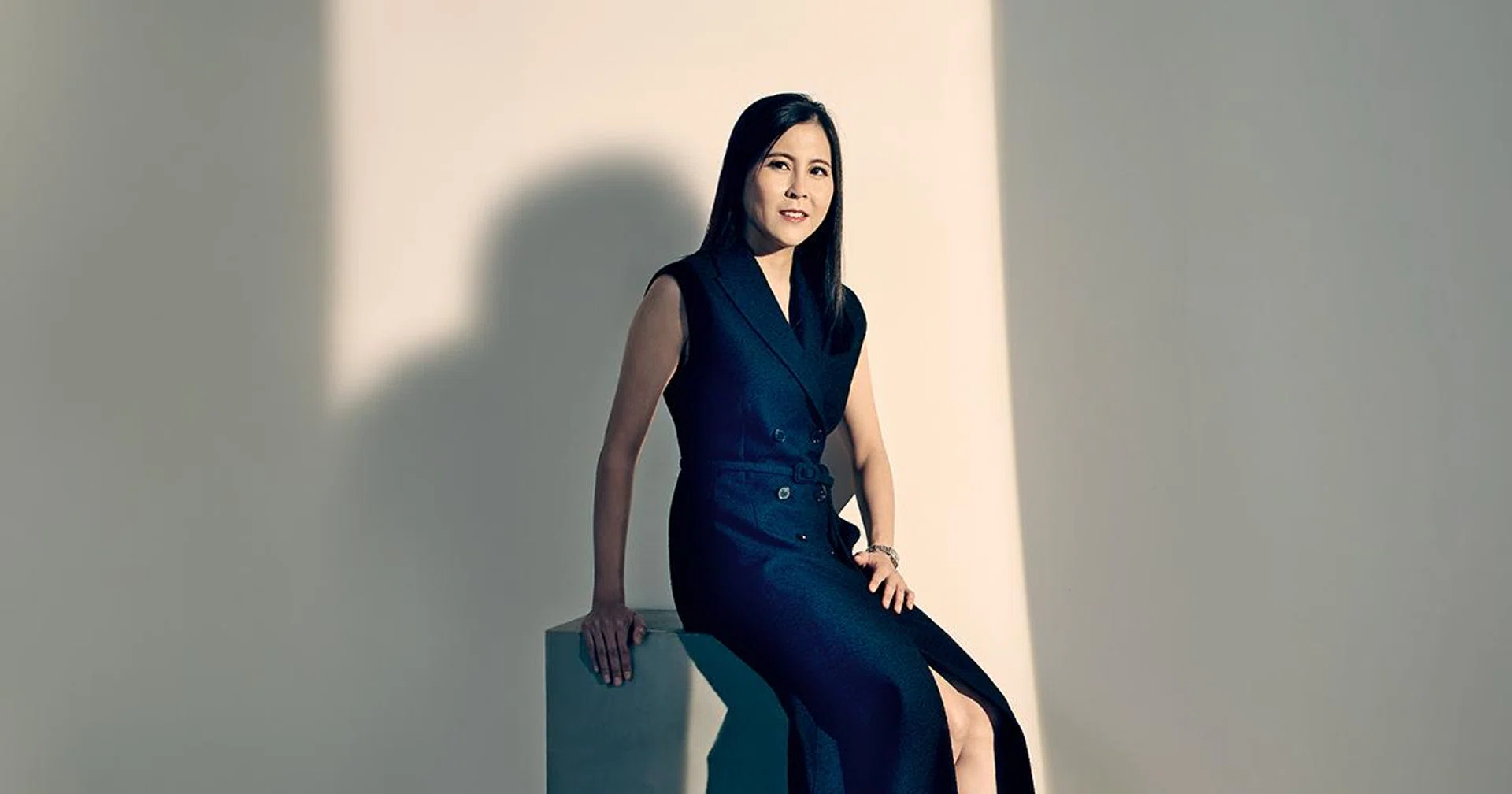
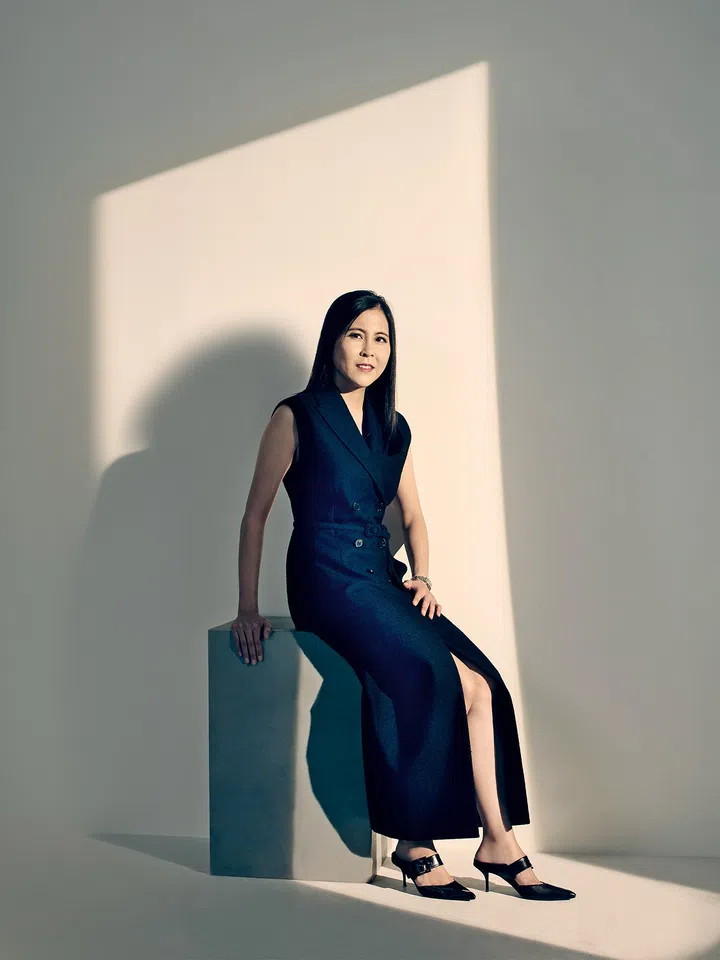
For the Space Faculty chief executive, Singapore’s role in the space economy begins with a less obvious asset: people trained for ambiguity.
By Lyn Chan /
Share this article
There is a particular clarity to the way Space Faculty’s Lynette Tan sizes up Singapore’s position in the regional space race. “Southeast Asia sits in the backyard of four major space powers: China, India, Japan, and South Korea,” says Tan. “We cannot compete with them on scale, spending or hardware.”
For a lesser strategist, that would be a concession. For the chairman and chief executive officer, it’s the opening move. What Singapore can compete on, she argues, is human capital — and not merely the technical kind.
“Individuals equipped with resilience, cross-disciplinary thinking and, crucially, ethical discernment,” she says. “The ability to weigh long-term consequences, uphold integrity, and make principled decisions in complex and ambiguous situations.”
The thinking did not arrive overnight. Instead, it accumulated across sectors. Before helming Space Faculty, Tan worked at the Economic Development Board, focusing on quality jobs in the transport sector. She then moved into the global pharmaceutical industry, expanding access to affordable medicines across Southeast Asia, before joining a non-profit to accelerate technology adoption.
Whether government, private sector or social sector, each “taught me how to bridge policy, business, and real human outcomes”.
Tan is direct about what drew her to the role. “Space, to me, is a cradle for innovation, inspiration, and imagination,” she says. “It challenges us Singaporeans to dare to dream big — whether in space or in any other field — with a mindset rooted in responsibility and possibility.”
Training for the unknown
Space Faculty was established in 2021, during the depths of the pandemic, with an independent remit for workforce and talent development. In four years, it has reached over 29,000 professionals and young people from more than 100 nationalities.
That number now carries new weight: Singapore recently announced the establishment of a national space agency, a development she expects will accelerate Space Faculty’s momentum considerably to “chart and power pathways from earthly dreams to interstellar reality”.
The flagship youth programme is the International Space Challenge, in which participants work with global experts on problems that have no settled answers. That framing is deliberate. “They have to work with ambiguity, work in teams and understand trade-offs and long-term impact,” says Tan, adding, “The programme is just one part of our wider effort to build a strong talent pipeline across all career stages.”
The overall portfolio spans satellite development, space research, specialised executive programmes, and national STEM initiatives. But the animating principle throughout is singular: “Technology alone is not enough. Talent is the ultimate differentiator.”
Trust as strategy
The region offers a specific opening, and Tan sees it plainly. “Our defensible moat is rooted in intellectual capital and trust,” she says, “in a climate where the latter is a scarcity.” Through partnerships with global aerospace players, Space Faculty is positioning Singapore as the place where companies come not just to develop technologies, but to find future leaders.
She is careful not to import assumptions wholesale. “Trillion-dollar projections make great headlines, but the space industry must be built responsibly and profitably, and what has worked elsewhere may not work in Asia or in Singapore.” That pragmatism, she suggests, is itself a competitive advantage — the ability to define a distinctly Singaporean pathway rather than simply following a template.
The ambition is large: to make Singapore “the trusted, stable node in an increasingly complex region — the place where the future itself can be responsibly shaped”. Human capital, she says, is not one asset among many. It is “our greatest — and only — natural asset”.
Photography: Isabelle Seah
Art direction: Ashruddin Sani
Grooming: Benedict Choo using Cle De Peau Beaute