%22%3E%0A%3Cpath%20d%3D%22M412%20101.2H393.7C393.1%20101.2%20392.3%20100.9%20391.8%20100.5C377.3%2087.6004%20362.9%2074.6004%20348.4%2061.6004C344.8%2058.4004%20341.3%2055.2004%20337.7%2052.0004C337.1%2051.5004%20336.2%2051.1004%20335.5%2051.0004C334.2%2050.8004%20333%2051.0004%20331.5%2051.0004V101.1H316.7V0.100391H331.4V44.3004C331.9%2044.3004%20332.2%2044.4004%20332.5%2044.4004C334.9%2044.4004%20337.2%2044.5004%20339.6%2044.4004C340.4%2044.4004%20341.3%2044.0004%20341.8%2043.5004C351.6%2034.4004%20361.4%2025.2004%20371.1%2016.0004C376.5%2010.9004%20381.9%205.90039%20387.3%200.800391C387.9%200.200391%20388.5%200.000390626%20389.3%200.000390626H400.9C384.2%2015.8004%20367.8%2031.3004%20351.2%2047.0004C371.5%2065.0004%20391.8%2082.9004%20412.1%20100.9C412.1%20101%20412.1%20101.1%20412%20101.2ZM180.9%20101.2C184.1%2094.9004%20187.2%2088.9004%20190.3%2082.8004C198.3%2067.3004%20206.2%2051.8004%20214.2%2036.2004C220.3%2024.4004%20226.4%2012.5004%20232.4%200.700391C232.7%200.100391%20233%20-0.0996094%20233.7%20-0.0996094H248.1C248.8%20-0.0996094%20249.2%200.100391%20249.6%200.800391C256%2013.3004%20262.4%2025.7004%20268.8%2038.2004C279.3%2058.6004%20289.8%2079.0004%20300.3%2099.5004C300.5%20100%20300.8%20100.4%20301.1%20101.1C300.5%20101.1%20300.1%20101.2%20299.7%20101.2H286.5C285.6%20101.2%20285.1%20100.9%20284.7%20100.2C280.1%2091.3004%20275.4%2082.4004%20270.8%2073.4004C270.1%2072.1004%20269.3%2071.6004%20267.8%2071.6004H209.9C208.7%2071.6004%20208.1%2072.0004%20207.5%2073.1004C202.9%2082.1004%20198.2%2091.0004%20193.6%20100C193.1%20101%20192.6%20101.3%20191.5%20101.3C188.4%20101.2%20185.3%20101.3%20182.3%20101.3C182%20101.2%20181.6%20101.2%20180.9%20101.2ZM239.1%2011.4004C230%2029.2004%20221.1%2046.7004%20212.1%2064.3004H266.4C257.2%2046.7004%20248.2%2029.2004%20239.1%2011.4004ZM0%200.000390626H43.4C51.2%200.000390626%2058.7%201.20039%2065.7%204.80039C75.9%2010.0004%2078.9%2018.0004%2078.6%2027.4004C78.3%2034.3004%2076%2040.5004%2071.2%2045.5004C67.3%2049.6004%2062.4%2052.3004%2057.1%2054.3004C50.6%2056.7004%2043.9%2058.0004%2037.1%2058.6004C30.1%2059.2004%2023.1%2059.4004%2016.2%2059.7004C15.8%2059.7004%2015.3%2059.8004%2014.8%2059.8004V101.1H0.1C0%2067.4004%200%2033.8004%200%200.000390626ZM14.8%207.10039V52.2004C23.7%2052.4004%2032.6%2052.3004%2041.2%2050.1004C44.4%2049.3004%2047.6%2048.2004%2050.6%2046.7004C58.4%2043.0004%2062.3%2036.7004%2062.7%2028.0004C63%2019.9004%2059.5%2014.1004%2052.4%2010.5004C47.6%208.00039%2042.5%207.10039%2037.2%207.10039H14.8ZM95.9%20101.1V0.100391H167.3V7.20039H110.7V44.7004H158.1V51.9004H110.8V93.9004H171.1V101C146.1%20101.1%20121%20101.1%2095.9%20101.1Z%22%20fill%3D%22black%22%2F%3E%0A%3Cpath%20d%3D%22M35.0004%2025.7996H42.5004V20.6996H44.8004V33.1996H42.6004V27.5996H34.9004V33.2996H32.7004V20.7996H35.0004V25.7996ZM54.4004%2025.8996V27.2996H48.9004V31.6996H55.9004C55.9004%2032.1996%2056.0004%2032.5996%2056.0004%2033.0996H46.5004V20.5996H55.5004V21.8996H49.0004V25.7996C50.7004%2025.8996%2052.5004%2025.8996%2054.4004%2025.8996ZM25.9004%2033.0996H23.5004V21.9996H17.9004V20.6996H31.6004V22.0996H27.1004C26.2004%2022.0996%2025.9004%2022.2996%2025.9004%2023.1996C26.0004%2026.0996%2025.9004%2028.9996%2025.9004%2031.7996V33.0996Z%22%20fill%3D%22black%22%2F%3E%0A%3C%2Fg%3E%0A%3Cdefs%3E%0A%3CclipPath%20id%3D%22clip0_388_462%22%3E%0A%3Crect%20width%3D%22411%22%20height%3D%22101.2%22%20fill%3D%22white%22%2F%3E%0A%3C%2FclipPath%3E%0A%3C%2Fdefs%3E%0A%3C%2Fsvg%3E%0A)
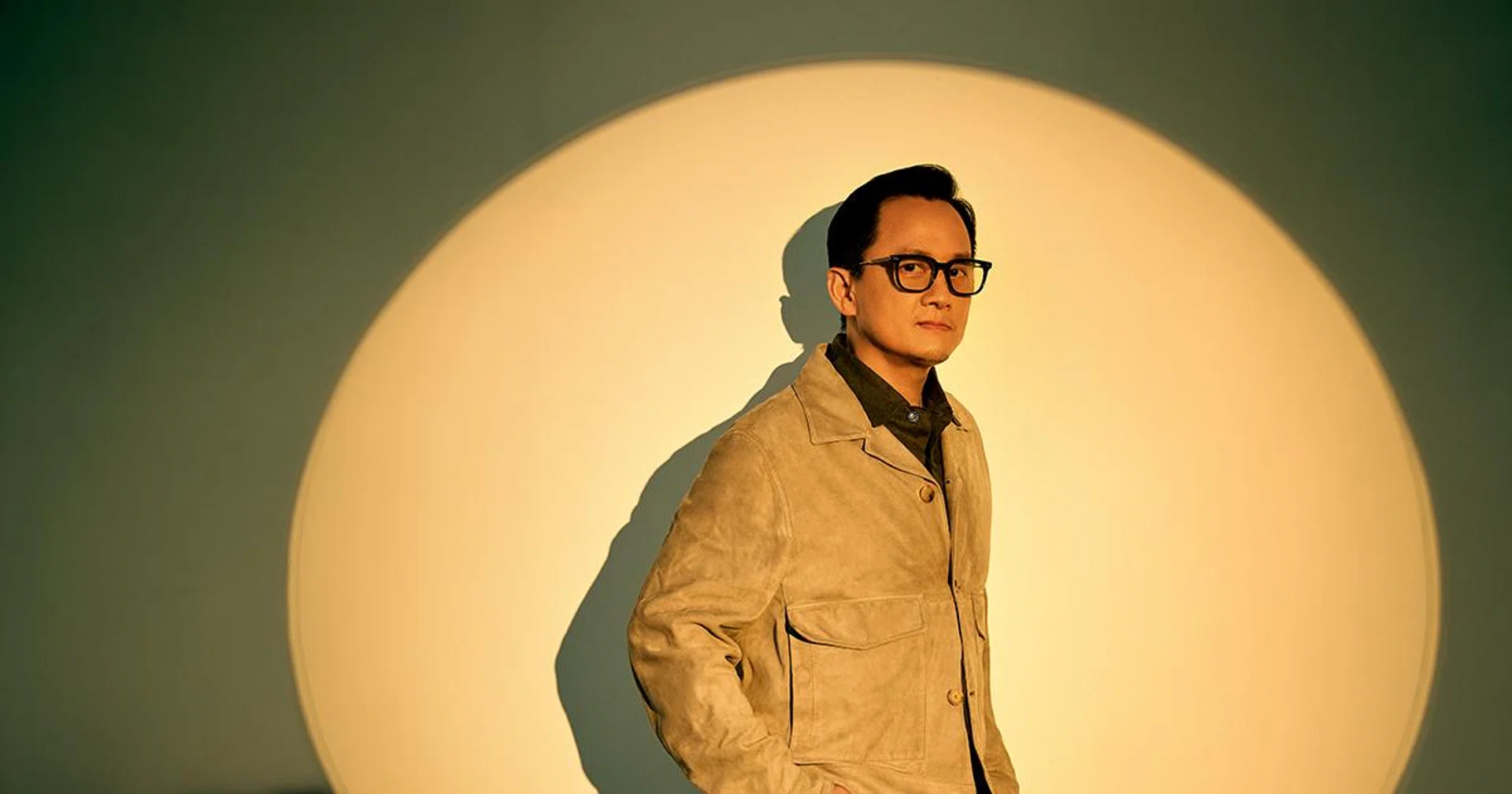
For the CEO of Aspial Lifestyle, gold demand in Asia defies neat atypical categories of asset and heirloom
Ng Kean Seen reveals the buyers quietly driving gold demand in Asia — and why their motives rarely appear in the data.
By Zat Astha /
Share this article
There is nothing abstract about gold in Ng Kean Seen’s world. It begins with objects — a chain bought for a daughter, a bracelet passed between generations, decisions that carry weight long after the transaction itself.
“They are right that gold matters again,” says Ng Kean Seen. “But they are framing it as a comeback when… honestly… in Asia, it never left.” To describe gold as newly relevant is, from his vantage point, to misunderstand the way it has always functioned across much of the region.
“The macro crowd discovered gold in the last two years and started talking about it like they had uncovered something new,” he continues. What they miss, he suggests, is not the asset itself but the motivation behind it.
“A mother buying a chain for her daughter’s wedding is not thinking about dollar debasement. She is thinking about something lasting, something that holds meaning across generations.”
The two worlds, he says, are converging, though not in the way analysts might expect. “The financial world and the cultural world are arriving at the same destination from completely different directions.”
At Aspial Lifestyle, where Ng oversees Maxi-Cash, Lee Hwa, Goldheart Jewelry, Niessing, BigFundr, and Dr.Pajak — brands deeply embedded in the region’s gold trade — those shifts play out not in theory but in behaviour. And behaviour has changed lately.
“The most noticeable shift I have seen is that people are buying into rising prices rather than waiting for dips,” he says. It marks a break from habit. “Traditionally, our customers were bargain-conscious. They would wait, watch, and time their purchases.” Now, under sustained momentum, that patience has thinned. Buyers move with the market, not against it.
The liquidity myth
“I am also seeing more younger buyers in their late 20s to the 30s walking into our shops,” he notes. People who might once have dismissed gold jewellery as dated now approach it differently. “They see physical gold as something tangible in an increasingly uncertain world.”
Yet for all the renewed interest, Ng is quick to puncture the more convenient myths that travel with gold. “It breaks down the moment someone needs liquidity in a hurry,” he says, when asked about its reputation for stability.
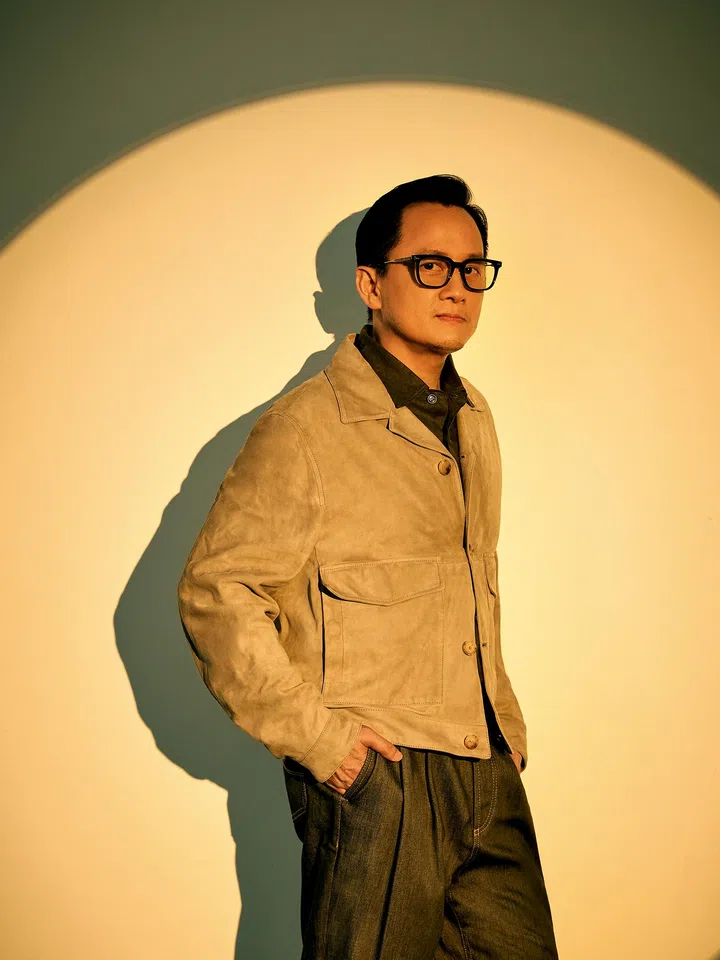
“Gold holds value beautifully over time,” he emphasises, “but if you bought a piece at today’s price and need to sell it next week or month, you are likely selling at a loss.” The advice he offers is blunt. “Gold jewellery is not an emergency fund. It is a slow, patient store of value.”
Still, the demand for gold, viewed from the outside, often appears neatly segmented — cultural buyers on one side, investors on the other. Ng does not see it that way. “On the surface, it looks like two groups… but it is rarely that clean,” he says.
In much of Asia, a single piece carries both meanings at once. It is worn and held, displayed and stored. What interests him more is a quieter pattern. “The middle-income buyer who is quietly accumulating small pieces every few months,” he says. “That instinct, almost subconscious wealth preservation… I see it frequently.”
The burden of proof
If there is pressure building within the industry, it comes from a different direction. Not demand, but expectation. “Younger buyers may want to know the provenance of what they are buying… where it was mined and under what conditions,” Ng says. At the same time, they compare physical gold to its digital equivalents — fractional, immediate, stripped of markup.
“We cannot totally dismiss that,” he admits. The challenge, then, is not to compete on the same terms, but to define different ones. “The retailers that will thrive are the ones who can clearly articulate what physical, wearable gold offers that a digital instrument simply cannot… the weight of it, the story of it.”
Beyond the shop floor, the forces shaping gold’s future operate at a different scale. “A 2025 World Gold Council survey found that 95 per cent of central bank respondents expect global central bank gold holdings to keep growing,” he notes. If that behaviour were to reverse, he suggests, the consequences would be less technical than psychological. The floor would shift.
And yet, Ng is less concerned about gold itself than the industry built around it. “Gold has outlasted every crisis, every new asset class, every generation that thought it was outdated,” he says. “But there is a difference between gold enduring and our industry enduring. One takes care of itself. The other requires work.”
Photography: Angela Guo
Art direction: Ashruddin Sani
Stylist: Dolphin Yeo
Hair & makeup: Angel Gwee, using Tom Ford and Davines