%22%3E%0A%3Cpath%20d%3D%22M412%20101.2H393.7C393.1%20101.2%20392.3%20100.9%20391.8%20100.5C377.3%2087.6004%20362.9%2074.6004%20348.4%2061.6004C344.8%2058.4004%20341.3%2055.2004%20337.7%2052.0004C337.1%2051.5004%20336.2%2051.1004%20335.5%2051.0004C334.2%2050.8004%20333%2051.0004%20331.5%2051.0004V101.1H316.7V0.100391H331.4V44.3004C331.9%2044.3004%20332.2%2044.4004%20332.5%2044.4004C334.9%2044.4004%20337.2%2044.5004%20339.6%2044.4004C340.4%2044.4004%20341.3%2044.0004%20341.8%2043.5004C351.6%2034.4004%20361.4%2025.2004%20371.1%2016.0004C376.5%2010.9004%20381.9%205.90039%20387.3%200.800391C387.9%200.200391%20388.5%200.000390626%20389.3%200.000390626H400.9C384.2%2015.8004%20367.8%2031.3004%20351.2%2047.0004C371.5%2065.0004%20391.8%2082.9004%20412.1%20100.9C412.1%20101%20412.1%20101.1%20412%20101.2ZM180.9%20101.2C184.1%2094.9004%20187.2%2088.9004%20190.3%2082.8004C198.3%2067.3004%20206.2%2051.8004%20214.2%2036.2004C220.3%2024.4004%20226.4%2012.5004%20232.4%200.700391C232.7%200.100391%20233%20-0.0996094%20233.7%20-0.0996094H248.1C248.8%20-0.0996094%20249.2%200.100391%20249.6%200.800391C256%2013.3004%20262.4%2025.7004%20268.8%2038.2004C279.3%2058.6004%20289.8%2079.0004%20300.3%2099.5004C300.5%20100%20300.8%20100.4%20301.1%20101.1C300.5%20101.1%20300.1%20101.2%20299.7%20101.2H286.5C285.6%20101.2%20285.1%20100.9%20284.7%20100.2C280.1%2091.3004%20275.4%2082.4004%20270.8%2073.4004C270.1%2072.1004%20269.3%2071.6004%20267.8%2071.6004H209.9C208.7%2071.6004%20208.1%2072.0004%20207.5%2073.1004C202.9%2082.1004%20198.2%2091.0004%20193.6%20100C193.1%20101%20192.6%20101.3%20191.5%20101.3C188.4%20101.2%20185.3%20101.3%20182.3%20101.3C182%20101.2%20181.6%20101.2%20180.9%20101.2ZM239.1%2011.4004C230%2029.2004%20221.1%2046.7004%20212.1%2064.3004H266.4C257.2%2046.7004%20248.2%2029.2004%20239.1%2011.4004ZM0%200.000390626H43.4C51.2%200.000390626%2058.7%201.20039%2065.7%204.80039C75.9%2010.0004%2078.9%2018.0004%2078.6%2027.4004C78.3%2034.3004%2076%2040.5004%2071.2%2045.5004C67.3%2049.6004%2062.4%2052.3004%2057.1%2054.3004C50.6%2056.7004%2043.9%2058.0004%2037.1%2058.6004C30.1%2059.2004%2023.1%2059.4004%2016.2%2059.7004C15.8%2059.7004%2015.3%2059.8004%2014.8%2059.8004V101.1H0.1C0%2067.4004%200%2033.8004%200%200.000390626ZM14.8%207.10039V52.2004C23.7%2052.4004%2032.6%2052.3004%2041.2%2050.1004C44.4%2049.3004%2047.6%2048.2004%2050.6%2046.7004C58.4%2043.0004%2062.3%2036.7004%2062.7%2028.0004C63%2019.9004%2059.5%2014.1004%2052.4%2010.5004C47.6%208.00039%2042.5%207.10039%2037.2%207.10039H14.8ZM95.9%20101.1V0.100391H167.3V7.20039H110.7V44.7004H158.1V51.9004H110.8V93.9004H171.1V101C146.1%20101.1%20121%20101.1%2095.9%20101.1Z%22%20fill%3D%22black%22%2F%3E%0A%3Cpath%20d%3D%22M35.0004%2025.7996H42.5004V20.6996H44.8004V33.1996H42.6004V27.5996H34.9004V33.2996H32.7004V20.7996H35.0004V25.7996ZM54.4004%2025.8996V27.2996H48.9004V31.6996H55.9004C55.9004%2032.1996%2056.0004%2032.5996%2056.0004%2033.0996H46.5004V20.5996H55.5004V21.8996H49.0004V25.7996C50.7004%2025.8996%2052.5004%2025.8996%2054.4004%2025.8996ZM25.9004%2033.0996H23.5004V21.9996H17.9004V20.6996H31.6004V22.0996H27.1004C26.2004%2022.0996%2025.9004%2022.2996%2025.9004%2023.1996C26.0004%2026.0996%2025.9004%2028.9996%2025.9004%2031.7996V33.0996Z%22%20fill%3D%22black%22%2F%3E%0A%3C%2Fg%3E%0A%3Cdefs%3E%0A%3CclipPath%20id%3D%22clip0_388_462%22%3E%0A%3Crect%20width%3D%22411%22%20height%3D%22101.2%22%20fill%3D%22white%22%2F%3E%0A%3C%2FclipPath%3E%0A%3C%2Fdefs%3E%0A%3C%2Fsvg%3E%0A)
Share this article
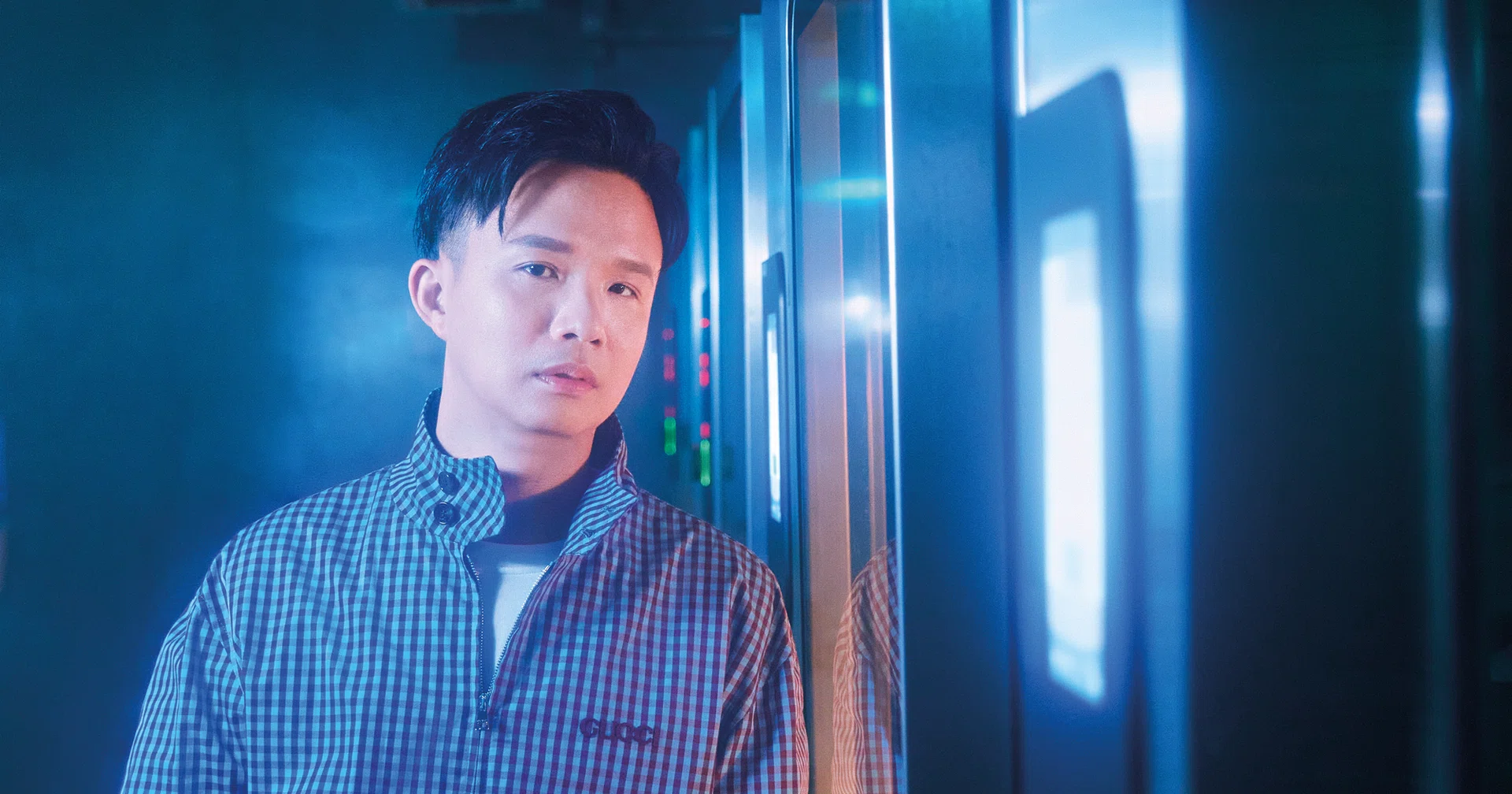
Thirteen years after stepping into the family business, Patrick Chan recounts the uphill battle of convincing his parents — stalwarts of tradition — to embrace the risks that modernisation demanded. “I remember telling my parents, ‘We have growing orders, and we need a larger kitchen to take on more business in the future.’ It wasn’t an easy conversation,” says the CEO of Kitchen Haus Group.
For Chan, the journey into this second-generation enterprise wasn’t preordained. “I had no intention of joining the business at the start,” he admits. Instead, he forged a career in mechanical engineering, climbing the ranks in a semiconductor company.
“I worked there for seven years, climbing to principal engineer. It wasn’t until I hit a crossroads in my career that I began to reconsider.” The pivot, he reflects, wasn’t a calculated leap but a hesitant step born from uncertainty. “I called my mother and asked, ‘Can I try joining the business?’ She said, ‘Why not? If you want to, just try.’”
What began as an experiment turned into a calling. When Chan joined in 2011, the company was a modest operation with a single brand. Today, Kitchen Haus Group manages nine brands: food manufacturing, catering, retail kiosks, and farming. The transformation, however, was far from seamless.
“One of the first things you must do in a family business is to convince your parents to let you join,” he explains. “They’d been in the business for over 30 years by the time I came in, and they naturally had strong opinions about how things should be done.”

Legacy vs leap
It wasn’t just the generational divide that presented challenges. Navigating a workplace populated with long-serving employees loyal to his parents added another layer of complexity. “They were often resistant to change,” he explains. “Introducing new methods or updating processes was difficult, but I learned to start simple — building relationships on the ground and motivating them to adapt over time.”
His breakthrough moment came with a radical proposal in 2016: launching a secondary brand to diversify the Kitchen Haus Group’s portfolio. “At the time, we only had my father’s legacy brand, Team Catering. When I suggested creating another brand, they were sceptical. ‘Why start a new brand?’ they asked. ‘Why not just stick to the old one?’” Chan persisted, arguing that one brand couldn’t cater to all market segments.
The gamble paid off. Rainbow Catering, the new venture, became the company’s highest revenue generator, validating his vision and establishing him as a driving force behind the group’s expansion.
Risk, he says, has been a constant yet, at times, necessary companion — over the last 13 years, Chan has learned to take measured ones. For him, it’s a balance between preserving the family legacy and evolving the business to meet new demands. This philosophy is evident in the Kitchen Haus Group’s steady growth strategy.
“Typically, we look at ways to expand sustainably every year — whether adding one or two new brands or upgrading our kitchens.”

Photo: Lawrence Teo
Still, the weight of responsibility isn’t lost on Chan. “As a second-generation entrepreneur, you’re not just inheriting a business; you’re inheriting the dreams and sacrifices of your parents,” he reflects. This duality — honouring the past while steering towards the future — has shaped his leadership style greatly.
“At work, I’m professional, even if it means challenging their opinions in front of staff. But outside work, I switch roles. I’ll say, ‘So about what I said earlier — hope you don’t mind.’ It’s a delicate balance.”
Turning vision into resilience
Now in his mid-40s, Chan has shifted his focus from day-to-day operations to business development. He sets aside time for networking and to bring in fresh ideas to make Kitchen Haus Group more resilient for the future. But his mother remains hands-on. “I’ve made my peace with it. Honestly, I wanted her to rest more, but I’ve realised it’s her way of staying connected.”
When asked whether he hopes his children will continue the legacy, Chan’s response is tempered with realism. “F&B is a tough industry. Unless they’re truly made for it, I wouldn’t want them to come just because they had no other choice.”
As if mirroring his own journey, the father of three emphasises the importance of earning experience elsewhere first. “By the time they’re old enough, the business will likely be at a very different stage. Starting at the ground level elsewhere will prepare them for the pressures they’ll face here.”

This philosophy extends to how Chan defines success — not strictly in financial terms but through the growth of Kitchen Haus Group and the people within it. “It’s about ensuring the business evolves while uplifting our employees,” he shares, his pride evident. Watching his staff grow, whether within the company or beyond, has become a cornerstone of his leadership.
Yet, Chan remains grounded by his personal life, giving much credit to his wife. “She’s made many sacrifices to care for our kids so I can focus on the business. Success, for me, is about being a good husband and father as much as it is about growing the company.”
Despite the milestones achieved, Chan’s journey remains one of aspiration. “Every time I meet new entrepreneurs, I’m struck by how much they’ve accomplished. It’s a never-ending cycle of wanting to be great. But I’ve realised it’s about being content while striving for sustainable growth.”
As our conversation draws to a close, Chan offers advice to aspiring entrepreneurs. “Start earlier if you can. If it doesn’t work out, you still have time to return to the corporate world. And find a mentor — someone who can guide you and help avoid inefficiencies.”
For Chan, this journey has never been a duality; growth or legacy — it’s about legacy with purpose. “I aspire to build something that not only survives but thrives, something that outlasts me.” In reimagining Kitchen Haus Group, he’s redefining what it means to inherit a dream: not to preserve it as it was, but to leave it better, shinier, and more glitteringly successful than it ever could have been.