%22%3E%0A%3Cpath%20d%3D%22M412%20101.2H393.7C393.1%20101.2%20392.3%20100.9%20391.8%20100.5C377.3%2087.6004%20362.9%2074.6004%20348.4%2061.6004C344.8%2058.4004%20341.3%2055.2004%20337.7%2052.0004C337.1%2051.5004%20336.2%2051.1004%20335.5%2051.0004C334.2%2050.8004%20333%2051.0004%20331.5%2051.0004V101.1H316.7V0.100391H331.4V44.3004C331.9%2044.3004%20332.2%2044.4004%20332.5%2044.4004C334.9%2044.4004%20337.2%2044.5004%20339.6%2044.4004C340.4%2044.4004%20341.3%2044.0004%20341.8%2043.5004C351.6%2034.4004%20361.4%2025.2004%20371.1%2016.0004C376.5%2010.9004%20381.9%205.90039%20387.3%200.800391C387.9%200.200391%20388.5%200.000390626%20389.3%200.000390626H400.9C384.2%2015.8004%20367.8%2031.3004%20351.2%2047.0004C371.5%2065.0004%20391.8%2082.9004%20412.1%20100.9C412.1%20101%20412.1%20101.1%20412%20101.2ZM180.9%20101.2C184.1%2094.9004%20187.2%2088.9004%20190.3%2082.8004C198.3%2067.3004%20206.2%2051.8004%20214.2%2036.2004C220.3%2024.4004%20226.4%2012.5004%20232.4%200.700391C232.7%200.100391%20233%20-0.0996094%20233.7%20-0.0996094H248.1C248.8%20-0.0996094%20249.2%200.100391%20249.6%200.800391C256%2013.3004%20262.4%2025.7004%20268.8%2038.2004C279.3%2058.6004%20289.8%2079.0004%20300.3%2099.5004C300.5%20100%20300.8%20100.4%20301.1%20101.1C300.5%20101.1%20300.1%20101.2%20299.7%20101.2H286.5C285.6%20101.2%20285.1%20100.9%20284.7%20100.2C280.1%2091.3004%20275.4%2082.4004%20270.8%2073.4004C270.1%2072.1004%20269.3%2071.6004%20267.8%2071.6004H209.9C208.7%2071.6004%20208.1%2072.0004%20207.5%2073.1004C202.9%2082.1004%20198.2%2091.0004%20193.6%20100C193.1%20101%20192.6%20101.3%20191.5%20101.3C188.4%20101.2%20185.3%20101.3%20182.3%20101.3C182%20101.2%20181.6%20101.2%20180.9%20101.2ZM239.1%2011.4004C230%2029.2004%20221.1%2046.7004%20212.1%2064.3004H266.4C257.2%2046.7004%20248.2%2029.2004%20239.1%2011.4004ZM0%200.000390626H43.4C51.2%200.000390626%2058.7%201.20039%2065.7%204.80039C75.9%2010.0004%2078.9%2018.0004%2078.6%2027.4004C78.3%2034.3004%2076%2040.5004%2071.2%2045.5004C67.3%2049.6004%2062.4%2052.3004%2057.1%2054.3004C50.6%2056.7004%2043.9%2058.0004%2037.1%2058.6004C30.1%2059.2004%2023.1%2059.4004%2016.2%2059.7004C15.8%2059.7004%2015.3%2059.8004%2014.8%2059.8004V101.1H0.1C0%2067.4004%200%2033.8004%200%200.000390626ZM14.8%207.10039V52.2004C23.7%2052.4004%2032.6%2052.3004%2041.2%2050.1004C44.4%2049.3004%2047.6%2048.2004%2050.6%2046.7004C58.4%2043.0004%2062.3%2036.7004%2062.7%2028.0004C63%2019.9004%2059.5%2014.1004%2052.4%2010.5004C47.6%208.00039%2042.5%207.10039%2037.2%207.10039H14.8ZM95.9%20101.1V0.100391H167.3V7.20039H110.7V44.7004H158.1V51.9004H110.8V93.9004H171.1V101C146.1%20101.1%20121%20101.1%2095.9%20101.1Z%22%20fill%3D%22black%22%2F%3E%0A%3Cpath%20d%3D%22M35.0004%2025.7996H42.5004V20.6996H44.8004V33.1996H42.6004V27.5996H34.9004V33.2996H32.7004V20.7996H35.0004V25.7996ZM54.4004%2025.8996V27.2996H48.9004V31.6996H55.9004C55.9004%2032.1996%2056.0004%2032.5996%2056.0004%2033.0996H46.5004V20.5996H55.5004V21.8996H49.0004V25.7996C50.7004%2025.8996%2052.5004%2025.8996%2054.4004%2025.8996ZM25.9004%2033.0996H23.5004V21.9996H17.9004V20.6996H31.6004V22.0996H27.1004C26.2004%2022.0996%2025.9004%2022.2996%2025.9004%2023.1996C26.0004%2026.0996%2025.9004%2028.9996%2025.9004%2031.7996V33.0996Z%22%20fill%3D%22black%22%2F%3E%0A%3C%2Fg%3E%0A%3Cdefs%3E%0A%3CclipPath%20id%3D%22clip0_388_462%22%3E%0A%3Crect%20width%3D%22411%22%20height%3D%22101.2%22%20fill%3D%22white%22%2F%3E%0A%3C%2FclipPath%3E%0A%3C%2Fdefs%3E%0A%3C%2Fsvg%3E%0A)
BMW is rethinking performance for the electric age — Asia may be its hardest test
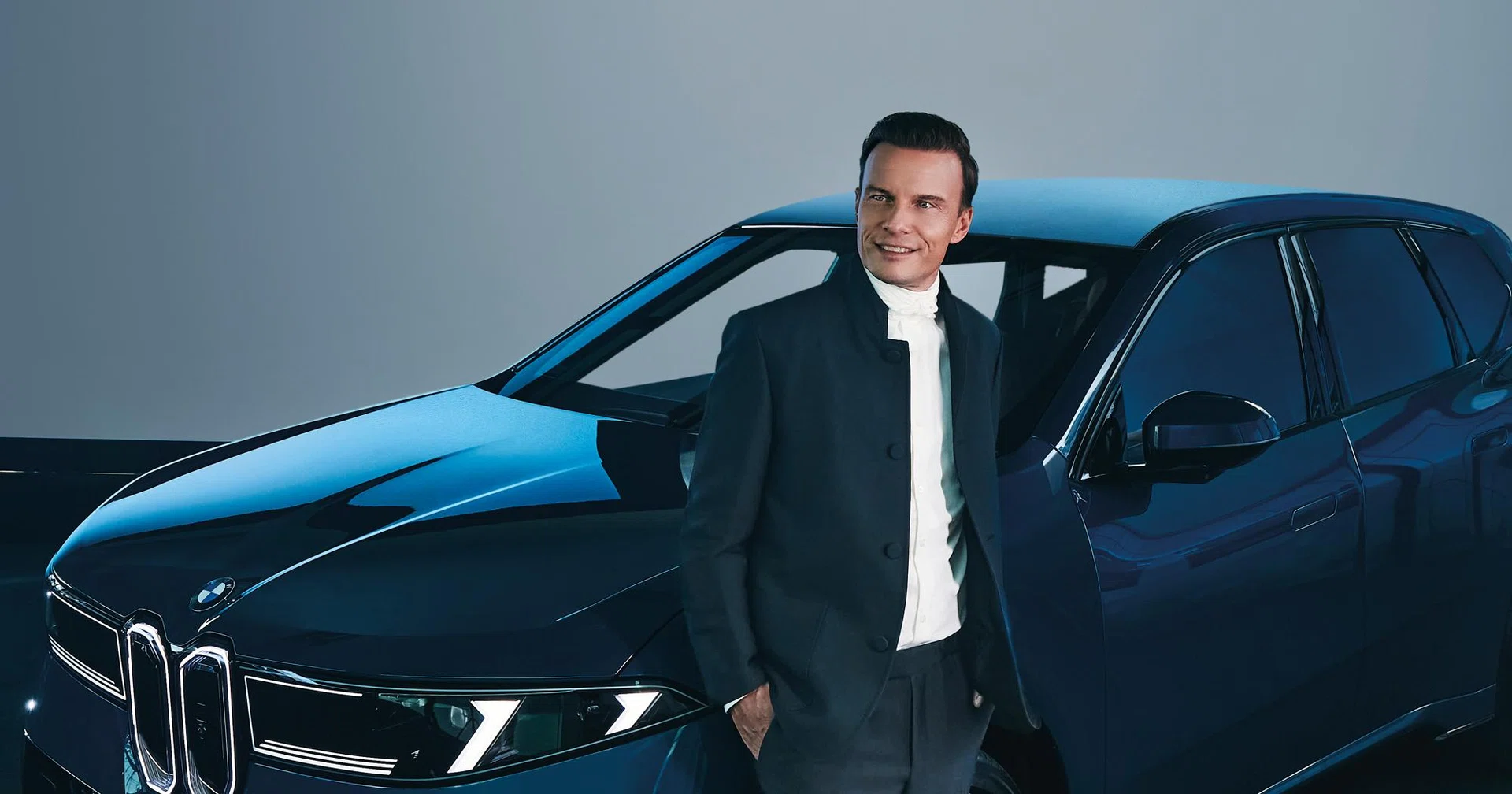
For Rene Gerhard, the challenge is not merely electrification, but redefining desirability for customers whose expectations of luxury have changed.
By Zat Astha /
Share this article
There are brands that sell cars, and there are brands that sell a particular arrangement of feeling: control, pleasure, precision, arrival. For BMW, that distinction has always mattered. Its most durable proposition was never engineering alone, although engineering gave it credibility.
It was the emotional intelligence of engineering — the sensation that performance could be felt before it was explained.
For Rene Gerhard, the newly appointed managing director of BMW Group Asia, that emotional charge remains the point. The challenge now is that the meaning of the premium car is changing quickly. Electrification has complicated the old codes of desire. Digitalisation has changed expectations of convenience.
Sustainability has become inseparable from credibility. In Asia, where BMW Group Asia oversees 14 markets across 10 time zones, aspiration itself has become harder to generalise.
“BMW has always stood for more than mobility; it stands for emotion, meaning, and a genuine sense of joy in motion,” Gerhard reflects. “That foundation remains unchanged, but in Asia, how it comes to life is evolving alongside our customers.”
No more one-size-fits-all luxury
Asia no longer behaves like a simple growth map for luxury brands. Singapore, Indonesia, the Philippines, and other markets do not move at the same cultural, technological, or infrastructural tempo. What reads as aspiration in one city may feel irrelevant in another.
What customers demand from electrification in a mature market may differ sharply from what they need in a market still building confidence around charging, infrastructure, after-sales, and long-term ownership.
Gerhard’s answer is localisation without fragmentation; consistency without rigidity. “First, it is about emotional connection. Even in an increasingly digital and electrified world, we must continue to create products that resonate on a human level, vehicles that feel personal, intuitive, and engaging. That emotional bond is what has always set the brand apart, and it must remain unmistakable.”
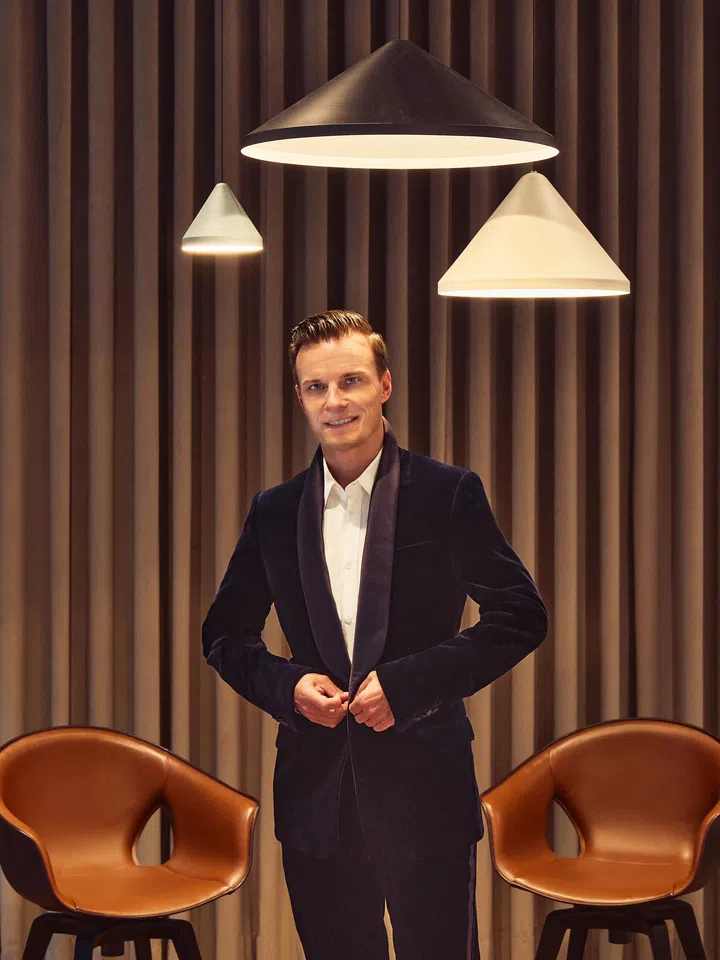
The second part of that equation is individuality. Luxury, in this reading, cannot survive as a monolith. “Across 14 markets, 10 time zones, and countless cultural nuances, a one-size-fits-all approach simply doesn’t work,” he observes. “To stay relevant, luxury must feel personal and locally meaningful, whether that’s customisation in some markets, space and comfort in others, or digital and safety features elsewhere.”
His third point is where BMW’s next decade begins to take shape. “Today’s definition of success includes sustainability, innovation, and purpose,” Gerhard explains. “Our ambition is to lead in this space, not just through electrification, but by rethinking the entire value chain and ensuring that premium mobility is future-ready and meaningful for society.”
The modern premium customer, in his view, expects a car to speak to taste, technology, responsibility and identity at once. “At BMW, we don’t just look at demographics, we look at connections and behaviours,” he says. “Our customers are no longer simply buying a car; they are choosing something that reflects their lifestyle, their values, and increasingly, their sense of purpose.”
Progress as the new desirability
This is a more demanding customer than the old luxury archetype allowed for. The car must still perform, but performance now carries a wider burden. It must be powerful, intelligent, efficient, and emotionally persuasive. It must integrate into daily life without feeling sterile. It must offer digital sophistication without reducing driving to software theatre.
It must reassure customers who want progress without sacrificing the tactile charisma that made BMW desirable in the first place. “The tension is very real, but for us, it’s not about choosing between preserving desirability and embracing change,” Gerhard says. “It’s about redefining what desirability means for a new era.”
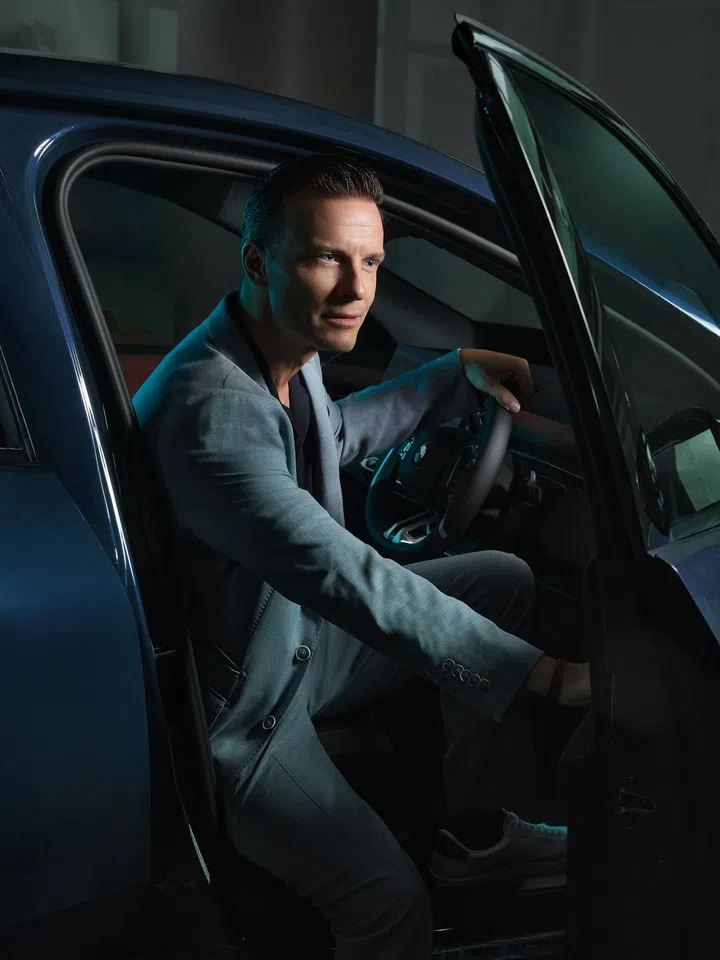
The Neue Klasse sits at the centre of this transition. For BMW, it represents a technical and philosophical reset: electrification, digitalisation, and circularity brought together on a single platform. For Gerhard, it also expands the meaning of performance.
“At BMW, performance has always been about more than just speed; it’s about the total driving experience and the connection between driver and machine,” he says, returning to one of the brand’s most enduring ideas. “That core philosophy remains unchanged.”
What changes is the vocabulary around it. “With the Neue Klasse, we are redefining performance in a holistic way. It is no longer measured purely by power or acceleration, but by the seamless integration of electrification, digitalisation, and circularity, the core pillars that define our next generation of vehicles.”
This is the delicate act for any legacy luxury carmaker: to persuade customers that intelligence can be desirable, efficiency can be emotional, and sustainability can heighten rather than diminish the experience of ownership. Gerhard sees technology as a means of intimacy rather than abstraction.
“Performance, for us, now also means intelligence. Through advanced digital architecture and intuitive interfaces, the car becomes more responsive, more human, and more personal in how it interacts with the driver.”
From certainty to curiosity
The word “human” appears often in his thinking. It is also where BMW believes legacy still carries weight. Newer automotive players can compete on software, acceleration and design fluency, but BMW’s advantage, Gerhard suggests, lies in a deeper understanding of the emotional contract between driver and vehicle.
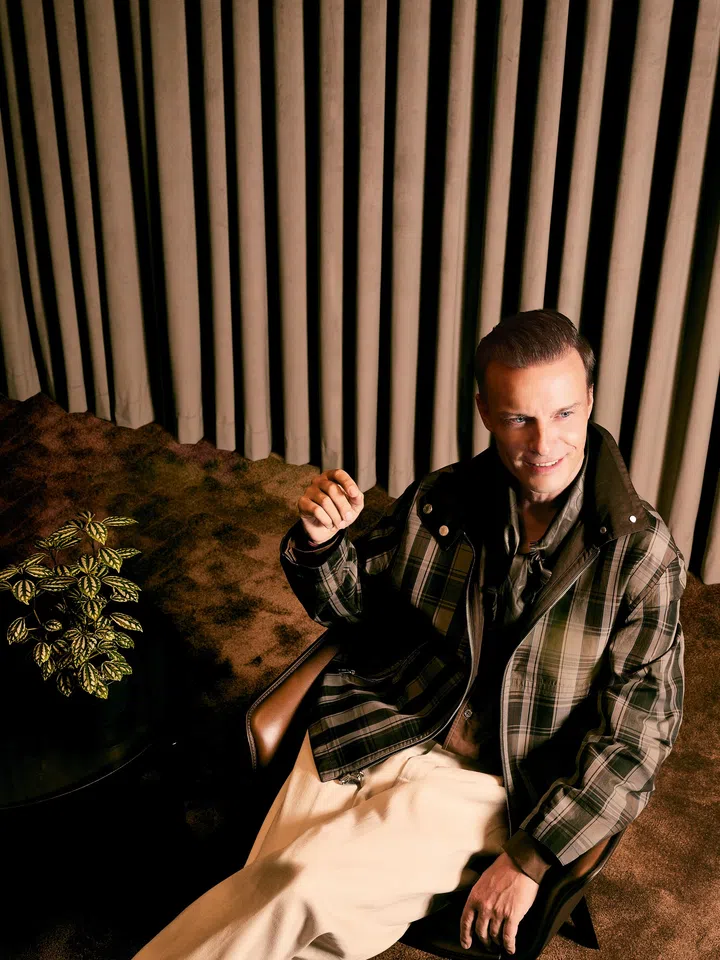
“We understand our customers,” he maintains. “We know they are not simply looking for a way to move from point A to point B; they are seeking an experience. One that begins the moment they approach the vehicle and continues seamlessly every time they get behind the wheel.”
Still, Gerhard resists the idea that BMW must become universally palatable. “At the same time, we are clear that a BMW is not designed to be everything to everyone, and that is precisely its strength,” he notes. “BMW stands for those who value precision, control, and emotional connection in their driving experience.”
After more than two decades within BMW Group, Gerhard now steps into a regional role during one of the company’s most consequential transitions. Institutional knowledge gives him continuity, but Asia demands a different kind of leadership: less assumption, more listening; less certainty, more agility. “The hardest shift is moving from certainty to curiosity,” he admits.
“After many years within BMW, experience gives you strong conviction, but regional leadership requires you to listen more, adapt faster, and stay open to very different market realities.”
That line reveals the leadership task ahead. Gerhard is steering a familiar name through unfamiliar expectations, where the future of desire may depend on how convincingly BMW can make progress feel personal. “If, a decade from now, BMW in Asia is seen as the brand that shaped premium mobility in a more sustainable, more emotional, and more relevant way, that would be real success to me.”
Photography: Lawrence Teo
Art direction: Fazlie Hashim
Stylist: Dolphin Yeo
Grooming: Angel Gwee, Chanel Beauty and Davines