%22%3E%0A%3Cpath%20d%3D%22M412%20101.2H393.7C393.1%20101.2%20392.3%20100.9%20391.8%20100.5C377.3%2087.6004%20362.9%2074.6004%20348.4%2061.6004C344.8%2058.4004%20341.3%2055.2004%20337.7%2052.0004C337.1%2051.5004%20336.2%2051.1004%20335.5%2051.0004C334.2%2050.8004%20333%2051.0004%20331.5%2051.0004V101.1H316.7V0.100391H331.4V44.3004C331.9%2044.3004%20332.2%2044.4004%20332.5%2044.4004C334.9%2044.4004%20337.2%2044.5004%20339.6%2044.4004C340.4%2044.4004%20341.3%2044.0004%20341.8%2043.5004C351.6%2034.4004%20361.4%2025.2004%20371.1%2016.0004C376.5%2010.9004%20381.9%205.90039%20387.3%200.800391C387.9%200.200391%20388.5%200.000390626%20389.3%200.000390626H400.9C384.2%2015.8004%20367.8%2031.3004%20351.2%2047.0004C371.5%2065.0004%20391.8%2082.9004%20412.1%20100.9C412.1%20101%20412.1%20101.1%20412%20101.2ZM180.9%20101.2C184.1%2094.9004%20187.2%2088.9004%20190.3%2082.8004C198.3%2067.3004%20206.2%2051.8004%20214.2%2036.2004C220.3%2024.4004%20226.4%2012.5004%20232.4%200.700391C232.7%200.100391%20233%20-0.0996094%20233.7%20-0.0996094H248.1C248.8%20-0.0996094%20249.2%200.100391%20249.6%200.800391C256%2013.3004%20262.4%2025.7004%20268.8%2038.2004C279.3%2058.6004%20289.8%2079.0004%20300.3%2099.5004C300.5%20100%20300.8%20100.4%20301.1%20101.1C300.5%20101.1%20300.1%20101.2%20299.7%20101.2H286.5C285.6%20101.2%20285.1%20100.9%20284.7%20100.2C280.1%2091.3004%20275.4%2082.4004%20270.8%2073.4004C270.1%2072.1004%20269.3%2071.6004%20267.8%2071.6004H209.9C208.7%2071.6004%20208.1%2072.0004%20207.5%2073.1004C202.9%2082.1004%20198.2%2091.0004%20193.6%20100C193.1%20101%20192.6%20101.3%20191.5%20101.3C188.4%20101.2%20185.3%20101.3%20182.3%20101.3C182%20101.2%20181.6%20101.2%20180.9%20101.2ZM239.1%2011.4004C230%2029.2004%20221.1%2046.7004%20212.1%2064.3004H266.4C257.2%2046.7004%20248.2%2029.2004%20239.1%2011.4004ZM0%200.000390626H43.4C51.2%200.000390626%2058.7%201.20039%2065.7%204.80039C75.9%2010.0004%2078.9%2018.0004%2078.6%2027.4004C78.3%2034.3004%2076%2040.5004%2071.2%2045.5004C67.3%2049.6004%2062.4%2052.3004%2057.1%2054.3004C50.6%2056.7004%2043.9%2058.0004%2037.1%2058.6004C30.1%2059.2004%2023.1%2059.4004%2016.2%2059.7004C15.8%2059.7004%2015.3%2059.8004%2014.8%2059.8004V101.1H0.1C0%2067.4004%200%2033.8004%200%200.000390626ZM14.8%207.10039V52.2004C23.7%2052.4004%2032.6%2052.3004%2041.2%2050.1004C44.4%2049.3004%2047.6%2048.2004%2050.6%2046.7004C58.4%2043.0004%2062.3%2036.7004%2062.7%2028.0004C63%2019.9004%2059.5%2014.1004%2052.4%2010.5004C47.6%208.00039%2042.5%207.10039%2037.2%207.10039H14.8ZM95.9%20101.1V0.100391H167.3V7.20039H110.7V44.7004H158.1V51.9004H110.8V93.9004H171.1V101C146.1%20101.1%20121%20101.1%2095.9%20101.1Z%22%20fill%3D%22black%22%2F%3E%0A%3Cpath%20d%3D%22M35.0004%2025.7996H42.5004V20.6996H44.8004V33.1996H42.6004V27.5996H34.9004V33.2996H32.7004V20.7996H35.0004V25.7996ZM54.4004%2025.8996V27.2996H48.9004V31.6996H55.9004C55.9004%2032.1996%2056.0004%2032.5996%2056.0004%2033.0996H46.5004V20.5996H55.5004V21.8996H49.0004V25.7996C50.7004%2025.8996%2052.5004%2025.8996%2054.4004%2025.8996ZM25.9004%2033.0996H23.5004V21.9996H17.9004V20.6996H31.6004V22.0996H27.1004C26.2004%2022.0996%2025.9004%2022.2996%2025.9004%2023.1996C26.0004%2026.0996%2025.9004%2028.9996%2025.9004%2031.7996V33.0996Z%22%20fill%3D%22black%22%2F%3E%0A%3C%2Fg%3E%0A%3Cdefs%3E%0A%3CclipPath%20id%3D%22clip0_388_462%22%3E%0A%3Crect%20width%3D%22411%22%20height%3D%22101.2%22%20fill%3D%22white%22%2F%3E%0A%3C%2FclipPath%3E%0A%3C%2Fdefs%3E%0A%3C%2Fsvg%3E%0A)
How a childhood memory led to the creation of TCM-inspired milk tea brand, Amacha
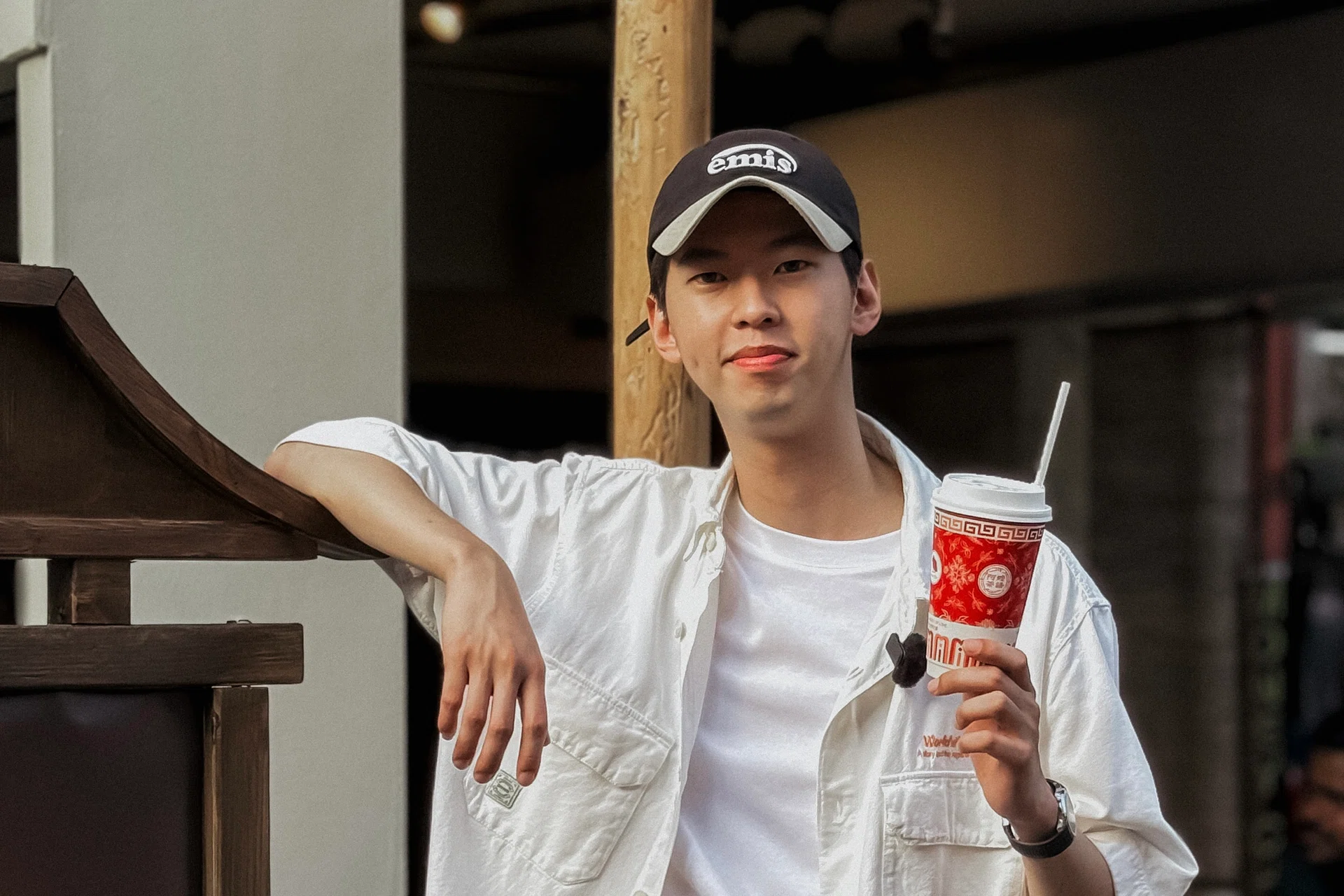
Inspired by his childhood, Sebastian Ang founded Singapore’s first tea concept, combining Traditional Chinese Medicine and milk tea for a wonderfully herbal dose of nostalgia.
By Clarissa Ryanputri /
Share this article
“How They See It” is where we delve into the minds of those shaping the future of today’s most dynamic companies. In this instalment, we speak with Sebastian Ang, founder of Amacha. He shares how the brand is reviving the heritage of Traditional Chinese Medicine through modern tea culture, why authenticity and care are at the heart of every brew, and how Amacha is at its core, distinguishing itself from other F&B businesses in Singapore.
Whenever I felt “heaty” as a child, my ah ma would quietly brew me a chrysanthemum or barley tea. I grew up in a household where herbal teas were part and parcel of our upbringing, so I never questioned it. Those earthy herbal brews were a staple in life, as regular as the rain. But somewhere along the way, they began to fade.
Years later, as more and more bubble tea shops began to pop up in Singapore, I found myself wondering: Why had something so integral to our upbringing become so distant? Fewer and fewer young people were drinking these traditional remedies. The taste was “too bitter”, the image too old-school.
With their curious names and folklorish reputations, herbal teas had slipped into the shadows, labelled as “old people’s medicine”. But what if it could be reinvented for the modern consumer?
That was how Amacha was born: Singapore’s first tea concept that combined Traditional Chinese Medicine (TCM) principles with popular milk tea culture. I wanted to reimagine herbal tea in a way today’s youth could connect with, preserving its essence but presenting it as something more aesthetic, accessible, and appealing.
Our first outlet opened with little fanfare. But soon, I noticed something surprising — customers started bringing their parents, and the older generation began dropping by… Parents and grandparents walk into Amacha with their children, proudly saying, “Last time, ah ma used to brew this for me.”
One moment I’ll never forget was when a customer was talking to me. She told me that one of our drinks tasted exactly like what her grandmother used to make, and it brought her to tears. Instantly, it made all the late nights and the endless R&D worth it.
And that’s when I realised that we weren’t just selling tea. We were opening up conversations about wellness, family and identity.
People assume that working with TCM means pushing bitter remedies. They see us using herbs and expect something unpalatable, or think we’re trying to be a health brand preaching cures. Amacha is not about selling medicinal tea. It’s about creating herbal-inspired lifestyle beverages that are rooted in tradition, but enjoyable and crave-worthy in their own right.
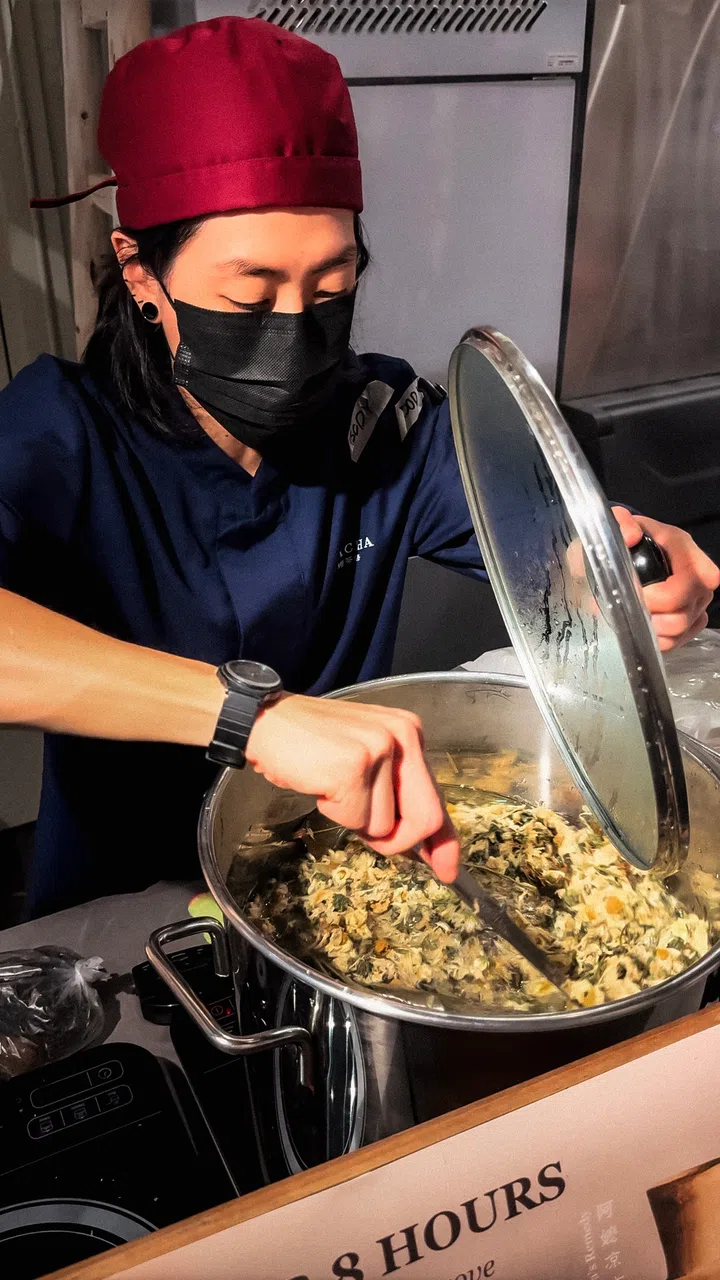
The herbs we work with have particular flavours, ranging from bitter to earthy and slightly sour. When we mix them into drinks, we have to respect their properties, but also make sure the final product is something people will crave. For example, we had a drink with job’s tears and poria that was great for reducing internal dampness, but early versions tasted like porridge water.
We had to learn how to layer pandan and ginger subtly to bring out fragrance without overpowering the blend. Sometimes it takes us months to get a blend right, but there’s no formula to our recipes — just patience.
In this way, every cup we brew tells a story of labour and care — qualities that, I believe, are becoming rarer in the F&B world. Behind every drink is a conscious decision, from how we source herbs to how long we steep each brew.
Because we use real herbs rather than powders or syrups, every batch of tea we make is affected by boiling time, herb age, water quality… It’s an artisanal process that is rarely found in the tea world today.
We’re also careful with how we talk about health. TCM is complex, and we don’t claim that our teas can fix your problems. We use our knowledge of warm and cooling properties, combined with modern flavours, to create drinks that feel good and taste even better.
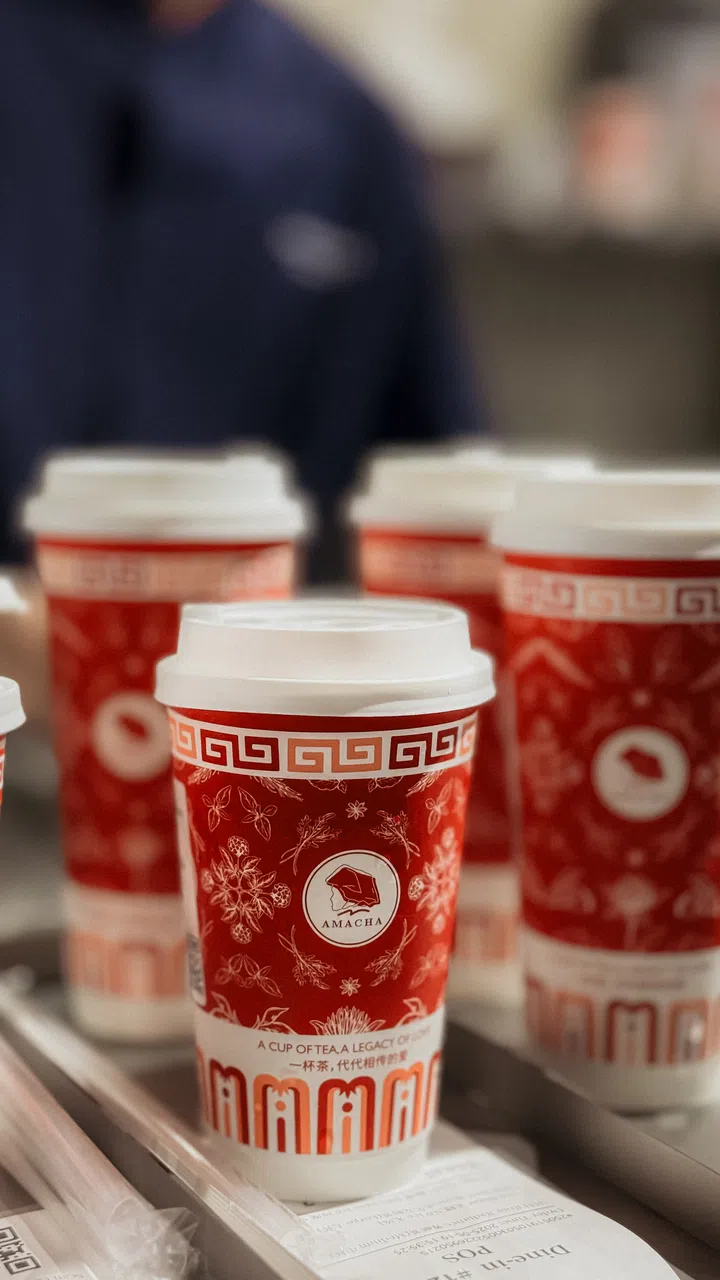
Unlike what some people might believe, we’re not trying to outdo bubble tea brands. Instead, we position ourselves as the alternative for consumers seeking something different, more natural, and rooted in meaning. Our cups are minimalist, our brand tone is warm yet modern, and our TikTok content mixes storytelling with bite-sized, relatable and fun herbal knowledge.
Today’s youth care about what goes into their body, so we highlight that our drinks are brewed from actual herbs, with no artificial bases. We’re transparent. We show the brewing process on social media, making them feel like they’re part of the story.
Beyond that, we’re building a loyalty program, community workshops, and collaborations with creators and health-conscious influencers who resonate with our values. At the heart of it: we respect their taste, but we also invite them to discover something more profound.
I never wanted Amacha to be just another bubble tea chain chasing sugary trends or novelty toppings. And in Singapore’s crowded F&B market, that clarity has kept us grounded. We’re not the cheapest, and we’re not trying to be.
Instead, we appeal to customers who care about what goes into their cup — people who practise conscious eating, who appreciate craft, and who enjoy exploring flavours with heritage and meaning behind them. People who see value in slow brewing and quiet nostalgia.
By knowing exactly who we serve, why we exist, and by laying the right operational foundations, we can stay competitive not by being the biggest player, but by being the most meaningful one.
Of course, staying afloat isn’t easy. The challenges are constant, from finding the right team to managing herb supply chains. When I started, I thought running an F&B business was all about having a good product, a cool brand, and a nice location.
But over time, I’ve learned that that alone won’t sustain a business. People do. Systems do. Today, I think of myself less as a founder and more as a team builder, because every outlet I open is only as good as the people running it. That’s why I make sure to invest in training, team culture, and making sure my leaders are aligned with our values.
We’re still in the early chapters of Amacha’s story. Looking ahead, we’re planning to expand into new outlets over the next year — but carefully, and with heart. Our goal is to have a few more flagship stores across Singapore by Q2 2026 that act as community hubs, before expanding regionally through partnerships and franchise models.
We’re also exploring a retail line of herbal tea bags and wellness brews that you can make at home, so Amacha can become part of people’s daily rituals.
But more than growth, I think about meaning. I want Amacha to become more than just a brand. I envision it as a cultural movement that revives herbal traditions in a modern way. I envision a space where a young woman can find solace in a ship of something that reminds her of her grandmother and smile, and where a father can explain to his son why barley cools the body and why that matters.
Whether it’s through education, storytelling, or product, we’ll keep pushing to make herbal tea cool again. Not just for the taste, but for what it represents: care, wisdom, and love passed down through generations.
In the end, that’s what I hope Amacha becomes: not a trend, not a novelty, but a memory in the making. Something brewed with intention, passed down from person to person like stories. Like love.