%22%3E%0A%3Cpath%20d%3D%22M412%20101.2H393.7C393.1%20101.2%20392.3%20100.9%20391.8%20100.5C377.3%2087.6004%20362.9%2074.6004%20348.4%2061.6004C344.8%2058.4004%20341.3%2055.2004%20337.7%2052.0004C337.1%2051.5004%20336.2%2051.1004%20335.5%2051.0004C334.2%2050.8004%20333%2051.0004%20331.5%2051.0004V101.1H316.7V0.100391H331.4V44.3004C331.9%2044.3004%20332.2%2044.4004%20332.5%2044.4004C334.9%2044.4004%20337.2%2044.5004%20339.6%2044.4004C340.4%2044.4004%20341.3%2044.0004%20341.8%2043.5004C351.6%2034.4004%20361.4%2025.2004%20371.1%2016.0004C376.5%2010.9004%20381.9%205.90039%20387.3%200.800391C387.9%200.200391%20388.5%200.000390626%20389.3%200.000390626H400.9C384.2%2015.8004%20367.8%2031.3004%20351.2%2047.0004C371.5%2065.0004%20391.8%2082.9004%20412.1%20100.9C412.1%20101%20412.1%20101.1%20412%20101.2ZM180.9%20101.2C184.1%2094.9004%20187.2%2088.9004%20190.3%2082.8004C198.3%2067.3004%20206.2%2051.8004%20214.2%2036.2004C220.3%2024.4004%20226.4%2012.5004%20232.4%200.700391C232.7%200.100391%20233%20-0.0996094%20233.7%20-0.0996094H248.1C248.8%20-0.0996094%20249.2%200.100391%20249.6%200.800391C256%2013.3004%20262.4%2025.7004%20268.8%2038.2004C279.3%2058.6004%20289.8%2079.0004%20300.3%2099.5004C300.5%20100%20300.8%20100.4%20301.1%20101.1C300.5%20101.1%20300.1%20101.2%20299.7%20101.2H286.5C285.6%20101.2%20285.1%20100.9%20284.7%20100.2C280.1%2091.3004%20275.4%2082.4004%20270.8%2073.4004C270.1%2072.1004%20269.3%2071.6004%20267.8%2071.6004H209.9C208.7%2071.6004%20208.1%2072.0004%20207.5%2073.1004C202.9%2082.1004%20198.2%2091.0004%20193.6%20100C193.1%20101%20192.6%20101.3%20191.5%20101.3C188.4%20101.2%20185.3%20101.3%20182.3%20101.3C182%20101.2%20181.6%20101.2%20180.9%20101.2ZM239.1%2011.4004C230%2029.2004%20221.1%2046.7004%20212.1%2064.3004H266.4C257.2%2046.7004%20248.2%2029.2004%20239.1%2011.4004ZM0%200.000390626H43.4C51.2%200.000390626%2058.7%201.20039%2065.7%204.80039C75.9%2010.0004%2078.9%2018.0004%2078.6%2027.4004C78.3%2034.3004%2076%2040.5004%2071.2%2045.5004C67.3%2049.6004%2062.4%2052.3004%2057.1%2054.3004C50.6%2056.7004%2043.9%2058.0004%2037.1%2058.6004C30.1%2059.2004%2023.1%2059.4004%2016.2%2059.7004C15.8%2059.7004%2015.3%2059.8004%2014.8%2059.8004V101.1H0.1C0%2067.4004%200%2033.8004%200%200.000390626ZM14.8%207.10039V52.2004C23.7%2052.4004%2032.6%2052.3004%2041.2%2050.1004C44.4%2049.3004%2047.6%2048.2004%2050.6%2046.7004C58.4%2043.0004%2062.3%2036.7004%2062.7%2028.0004C63%2019.9004%2059.5%2014.1004%2052.4%2010.5004C47.6%208.00039%2042.5%207.10039%2037.2%207.10039H14.8ZM95.9%20101.1V0.100391H167.3V7.20039H110.7V44.7004H158.1V51.9004H110.8V93.9004H171.1V101C146.1%20101.1%20121%20101.1%2095.9%20101.1Z%22%20fill%3D%22black%22%2F%3E%0A%3Cpath%20d%3D%22M35.0004%2025.7996H42.5004V20.6996H44.8004V33.1996H42.6004V27.5996H34.9004V33.2996H32.7004V20.7996H35.0004V25.7996ZM54.4004%2025.8996V27.2996H48.9004V31.6996H55.9004C55.9004%2032.1996%2056.0004%2032.5996%2056.0004%2033.0996H46.5004V20.5996H55.5004V21.8996H49.0004V25.7996C50.7004%2025.8996%2052.5004%2025.8996%2054.4004%2025.8996ZM25.9004%2033.0996H23.5004V21.9996H17.9004V20.6996H31.6004V22.0996H27.1004C26.2004%2022.0996%2025.9004%2022.2996%2025.9004%2023.1996C26.0004%2026.0996%2025.9004%2028.9996%2025.9004%2031.7996V33.0996Z%22%20fill%3D%22black%22%2F%3E%0A%3C%2Fg%3E%0A%3Cdefs%3E%0A%3CclipPath%20id%3D%22clip0_388_462%22%3E%0A%3Crect%20width%3D%22411%22%20height%3D%22101.2%22%20fill%3D%22white%22%2F%3E%0A%3C%2FclipPath%3E%0A%3C%2Fdefs%3E%0A%3C%2Fsvg%3E%0A)
Rolex announces five 2026 Rolex Awards Laureates — all women — as the programme marks its 50th anniversary
The Swiss watchmaker celebrates five new female Laureates, whose pioneering projects in conservation, science, and health have benefitted both humanity and the planet.
By Yanni Tan /
Share this article
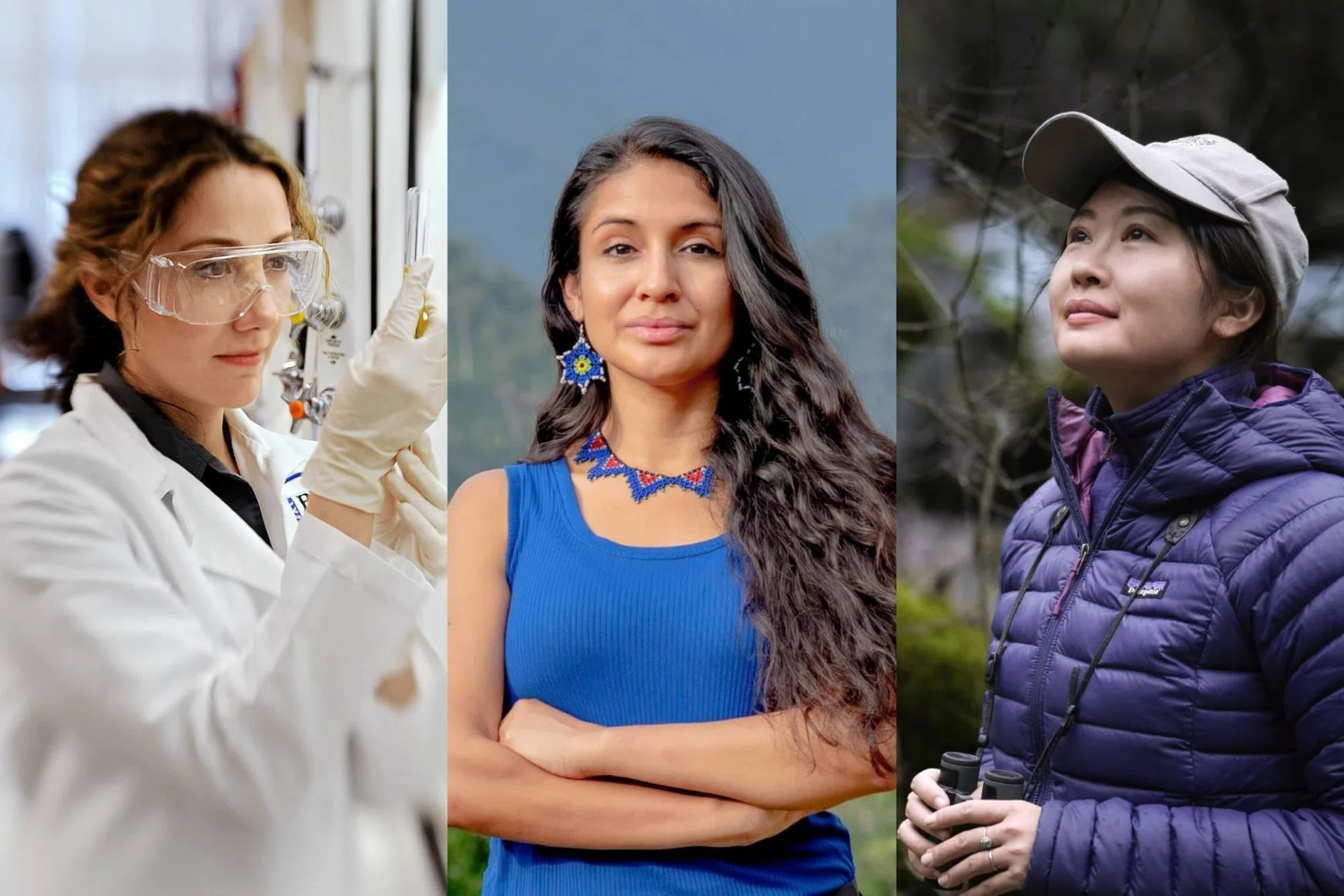
As the world welcomes International Women’s Day, Rolex has announced the five Laureates of the 2026 Rolex Awards — notably all women — in an edition that carries particular significance as the programme marks its 50th anniversary.
Part of the Swiss brand’s Perpetual Planet Initiative, the Rolex Awards recognise individuals whose projects have the potential to create significant positive impact. Unlike most awards programmes, it is not designed to reward past achievements. Instead, it supports new or ongoing projects that could benefit humanity and protect the natural world.
First established in 1976 to mark the 50th anniversary of the first Rolex waterproof wristwatch, the Oyster, the programme originally named the Rolex Awards for Enterprise reflects the company’s conviction that exploration and discovery should ultimately serve the wider world.
Since its inception, it has recognised 165 Laureates representing 52 nationalities, whose projects have been carried out in more than 67 countries. Their work has led to the protection of ecosystems and endangered species, the discovery of new scientific knowledge and the development of technologies that have benefitted millions of people globally.
Over time, that ethos has evolved into a broader commitment to protecting the planet. The programme has now been revamped with an increased focus on impact and achievement, under a new name: the Rolex Awards.
And the 2026 Rolex Awards Laureates continue the tradition, each pursuing visionary projects aligned with the programme’s core categories of environmental conservation, science, health, and technology.
2026 Rolex Awards Laureates
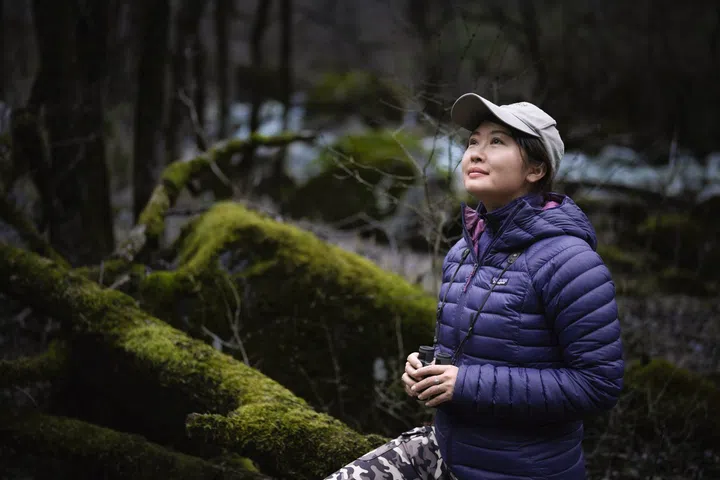
Protecting Wild Pandas: Binbin Li (China)
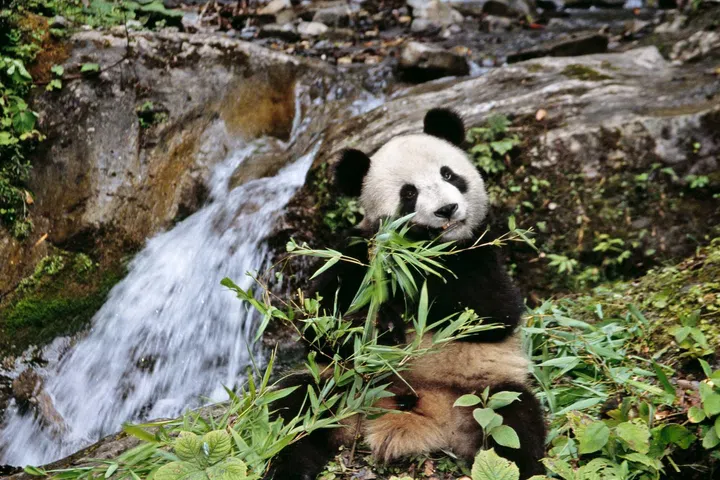
There are fewer than 2,000 giant pandas living in the wild, most of them inhabiting the mountainous bamboo forests of central China — landscapes that are also used by free-ranging livestock.
Environmental scientist Binbin Li is working with local communities to develop a sustainable approach to livestock grazing that supports local economies while protecting the panda and its fragile habitat. By creating practical solutions that balance ecological conservation with rural livelihoods, Li aims to ensure that both communities and wildlife can thrive.
The Rolex Award will support her efforts to implement and expand these solutions across several mountain ranges throughout China, helping to safeguard one of the world’s most iconic species while promoting sustainable land use.
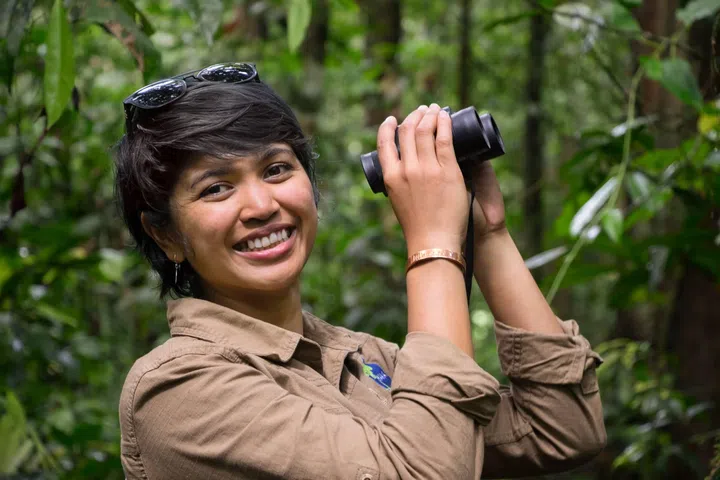
Defending a Forest in Sumatra: Farwiza Farhan (Indonesia)
Indonesia’s Leuser Ecosystem in Sumatra is the only place on Earth where elephants, tigers, orangutans and rhinoceroses still coexist in the wild. Yet the region faces constant pressure from deforestation and development.
Forest conservationist Farwiza Farhan has spent years mobilising local communities and leading campaigns to protect this irreplaceable landscape.
Her work focuses on empowering grassroots communities — particularly women — to monitor and defend the ecosystem that sustains their livelihoods. By placing local voices at the centre of environmental decision-making, Farhan’s approach demonstrates that conservation is most effective when it is rooted in community leadership.
With support from the Rolex Award, she will continue expanding these initiatives, strengthening community-led monitoring and protection across the Leuser Ecosystem.

Preventing Epidemics: Pardis Sabeti (United States)
For decades, medical geneticist Pardis Sabeti has been at the forefront of efforts to combat virus outbreaks and potential pandemics in West Africa.
Her work combines cutting-edge genetic research with advanced algorithms to detect and track infectious diseases. Beyond the laboratory, she also trains local partners in countries closest to emerging outbreaks, strengthening their ability to respond quickly and effectively.
The Rolex Award will enable Sabeti to develop and test a portable diagnostic tool designed for use in remote communities in Sierra Leone. The technology aims to detect viral outbreaks before they spread widely, potentially saving millions of lives by enabling earlier containment and response.
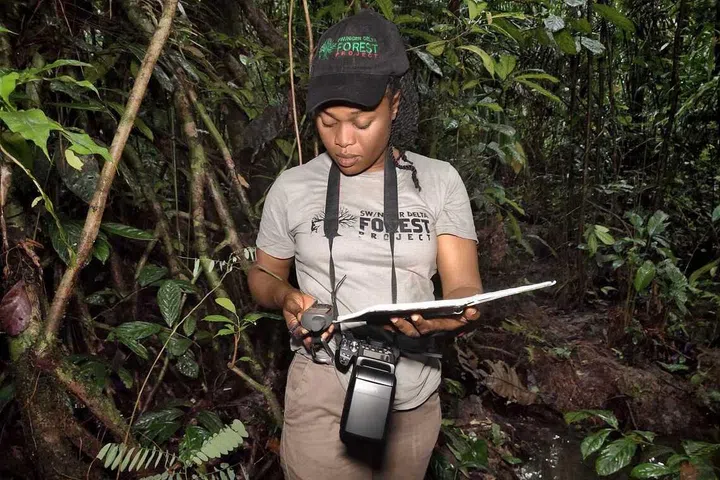
Mobilising Community-Led Conservation: Rachel Ikemeh (Nigeria)
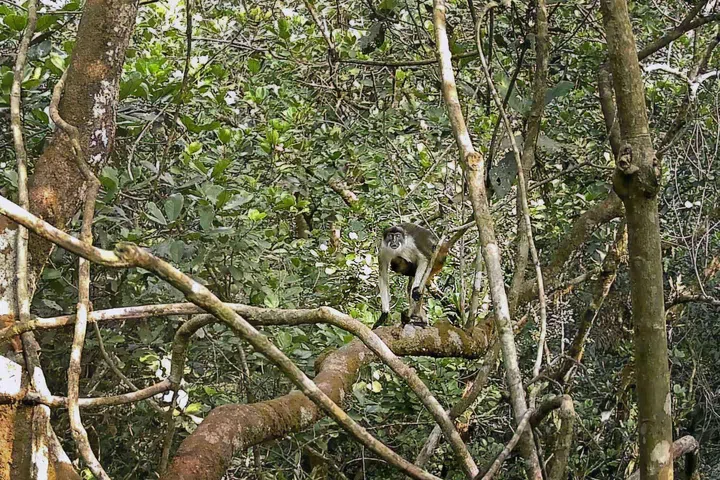
Conservationist Rachel Ikemeh is credited with bringing the Niger Delta red colobus monkey back from the brink of extinction.
Working in Nigeria’s Niger Delta — both a little-studied biodiversity hotspot and the centre of the country’s oil industry — Ikemeh has pioneered a model of community-led conservation. Her initiatives involve and equip local communities to protect their natural environment while improving their livelihoods.
Through these efforts, she has helped safeguard more than 5,839 hectares of forest and at least 13 threatened species, while creating economic opportunities for more than 2,500 people.
With the support of the Rolex Award, Ikemeh will establish a new training hub and mobile education programme in the Delta, allowing neighbouring communities to replicate her conservation model.
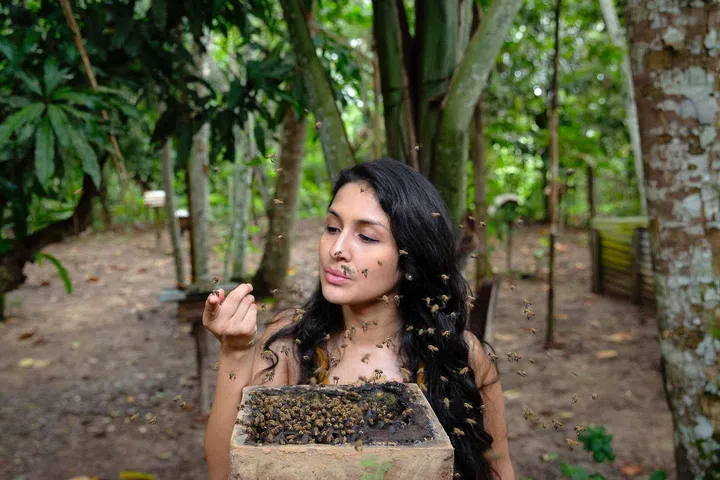
Saving Bees to Protect the Amazon: Rosa Vásquez Espinoza (Peru)
Chemical biologist Rosa Vásquez Espinoza was the first to scientifically link deforestation in the Amazon to the decline of stingless bees, a vital pollinator for endemic plant species and a key contributor to food security.
Her research played a pivotal role in a landmark legal case in Peru that resulted not only in the protection of stingless bees but also in the recognition of their legal rights.
The Rolex Award will help her expand an indigenous-led corridor of protected stingless bee habitats in the Peruvian Amazon, strengthening both biodiversity protection and local livelihoods that depend on pollination.
Continuing a legacy of impact
For half a century, the Rolex Awards have recognised individuals whose work pushes the boundaries of exploration in order to improve life on Earth. The five women named as the 2026 Laureates continue that legacy. And beyond supporting them, Rolex continues to stand by past recipients long after they receive their Awards.
Among them are Felix Brooks-church, the American social entrepreneur whose “dosifier” technology has helped nearly 32 million people in East Africa avoid malnutrition by fortifying staple foods, as well as Emma Camp, the marine biologist studying resilient coral species that could help restore reefs damaged by climate change.
There is also Grégoire Courtine, the neuroscientist developing groundbreaking bioengineering technologies — including a “digital bridge” reconnecting the brain to lower-body muscles — to help people with spinal cord injuries walk again.
Together, these Laureates exemplify the pioneering spirit at the heart of the Rolex Awards. They are individuals pushing the boundaries of exploration and knowledge to build a better future for the planet and the generations to come.