%22%3E%0A%3Cpath%20d%3D%22M412%20101.2H393.7C393.1%20101.2%20392.3%20100.9%20391.8%20100.5C377.3%2087.6004%20362.9%2074.6004%20348.4%2061.6004C344.8%2058.4004%20341.3%2055.2004%20337.7%2052.0004C337.1%2051.5004%20336.2%2051.1004%20335.5%2051.0004C334.2%2050.8004%20333%2051.0004%20331.5%2051.0004V101.1H316.7V0.100391H331.4V44.3004C331.9%2044.3004%20332.2%2044.4004%20332.5%2044.4004C334.9%2044.4004%20337.2%2044.5004%20339.6%2044.4004C340.4%2044.4004%20341.3%2044.0004%20341.8%2043.5004C351.6%2034.4004%20361.4%2025.2004%20371.1%2016.0004C376.5%2010.9004%20381.9%205.90039%20387.3%200.800391C387.9%200.200391%20388.5%200.000390626%20389.3%200.000390626H400.9C384.2%2015.8004%20367.8%2031.3004%20351.2%2047.0004C371.5%2065.0004%20391.8%2082.9004%20412.1%20100.9C412.1%20101%20412.1%20101.1%20412%20101.2ZM180.9%20101.2C184.1%2094.9004%20187.2%2088.9004%20190.3%2082.8004C198.3%2067.3004%20206.2%2051.8004%20214.2%2036.2004C220.3%2024.4004%20226.4%2012.5004%20232.4%200.700391C232.7%200.100391%20233%20-0.0996094%20233.7%20-0.0996094H248.1C248.8%20-0.0996094%20249.2%200.100391%20249.6%200.800391C256%2013.3004%20262.4%2025.7004%20268.8%2038.2004C279.3%2058.6004%20289.8%2079.0004%20300.3%2099.5004C300.5%20100%20300.8%20100.4%20301.1%20101.1C300.5%20101.1%20300.1%20101.2%20299.7%20101.2H286.5C285.6%20101.2%20285.1%20100.9%20284.7%20100.2C280.1%2091.3004%20275.4%2082.4004%20270.8%2073.4004C270.1%2072.1004%20269.3%2071.6004%20267.8%2071.6004H209.9C208.7%2071.6004%20208.1%2072.0004%20207.5%2073.1004C202.9%2082.1004%20198.2%2091.0004%20193.6%20100C193.1%20101%20192.6%20101.3%20191.5%20101.3C188.4%20101.2%20185.3%20101.3%20182.3%20101.3C182%20101.2%20181.6%20101.2%20180.9%20101.2ZM239.1%2011.4004C230%2029.2004%20221.1%2046.7004%20212.1%2064.3004H266.4C257.2%2046.7004%20248.2%2029.2004%20239.1%2011.4004ZM0%200.000390626H43.4C51.2%200.000390626%2058.7%201.20039%2065.7%204.80039C75.9%2010.0004%2078.9%2018.0004%2078.6%2027.4004C78.3%2034.3004%2076%2040.5004%2071.2%2045.5004C67.3%2049.6004%2062.4%2052.3004%2057.1%2054.3004C50.6%2056.7004%2043.9%2058.0004%2037.1%2058.6004C30.1%2059.2004%2023.1%2059.4004%2016.2%2059.7004C15.8%2059.7004%2015.3%2059.8004%2014.8%2059.8004V101.1H0.1C0%2067.4004%200%2033.8004%200%200.000390626ZM14.8%207.10039V52.2004C23.7%2052.4004%2032.6%2052.3004%2041.2%2050.1004C44.4%2049.3004%2047.6%2048.2004%2050.6%2046.7004C58.4%2043.0004%2062.3%2036.7004%2062.7%2028.0004C63%2019.9004%2059.5%2014.1004%2052.4%2010.5004C47.6%208.00039%2042.5%207.10039%2037.2%207.10039H14.8ZM95.9%20101.1V0.100391H167.3V7.20039H110.7V44.7004H158.1V51.9004H110.8V93.9004H171.1V101C146.1%20101.1%20121%20101.1%2095.9%20101.1Z%22%20fill%3D%22black%22%2F%3E%0A%3Cpath%20d%3D%22M35.0004%2025.7996H42.5004V20.6996H44.8004V33.1996H42.6004V27.5996H34.9004V33.2996H32.7004V20.7996H35.0004V25.7996ZM54.4004%2025.8996V27.2996H48.9004V31.6996H55.9004C55.9004%2032.1996%2056.0004%2032.5996%2056.0004%2033.0996H46.5004V20.5996H55.5004V21.8996H49.0004V25.7996C50.7004%2025.8996%2052.5004%2025.8996%2054.4004%2025.8996ZM25.9004%2033.0996H23.5004V21.9996H17.9004V20.6996H31.6004V22.0996H27.1004C26.2004%2022.0996%2025.9004%2022.2996%2025.9004%2023.1996C26.0004%2026.0996%2025.9004%2028.9996%2025.9004%2031.7996V33.0996Z%22%20fill%3D%22black%22%2F%3E%0A%3C%2Fg%3E%0A%3Cdefs%3E%0A%3CclipPath%20id%3D%22clip0_388_462%22%3E%0A%3Crect%20width%3D%22411%22%20height%3D%22101.2%22%20fill%3D%22white%22%2F%3E%0A%3C%2FclipPath%3E%0A%3C%2Fdefs%3E%0A%3C%2Fsvg%3E%0A)
Never heard of Desert Diamonds? This new colour category and other developments are boosting natural diamonds’ comeback
From rare discoveries to new marketing ideas, the natural diamond industry may be finding its sparkle again.
By Yanni Tan /
Share this article
Everyone knows that the global diamond industry has been under pressure in recent years. Natural diamond prices have softened, major producers have cut prices, and the rapid rise of lab-grown diamonds has disrupted the market. Synthetic stones have become dramatically cheaper, while demand in key markets such as China has weakened.
Yet even as the industry navigates this challenging period, several developments suggest the narrative around natural diamonds may be shifting. New discoveries, fresh marketing initiatives, and advances in mining technology are reminding consumers and collectors of the rarity, geological wonder and cultural cachet that only natural diamonds possess.
Here are five developments currently shaping the future of the diamond industry.
1. Desert Diamonds set to spur interest
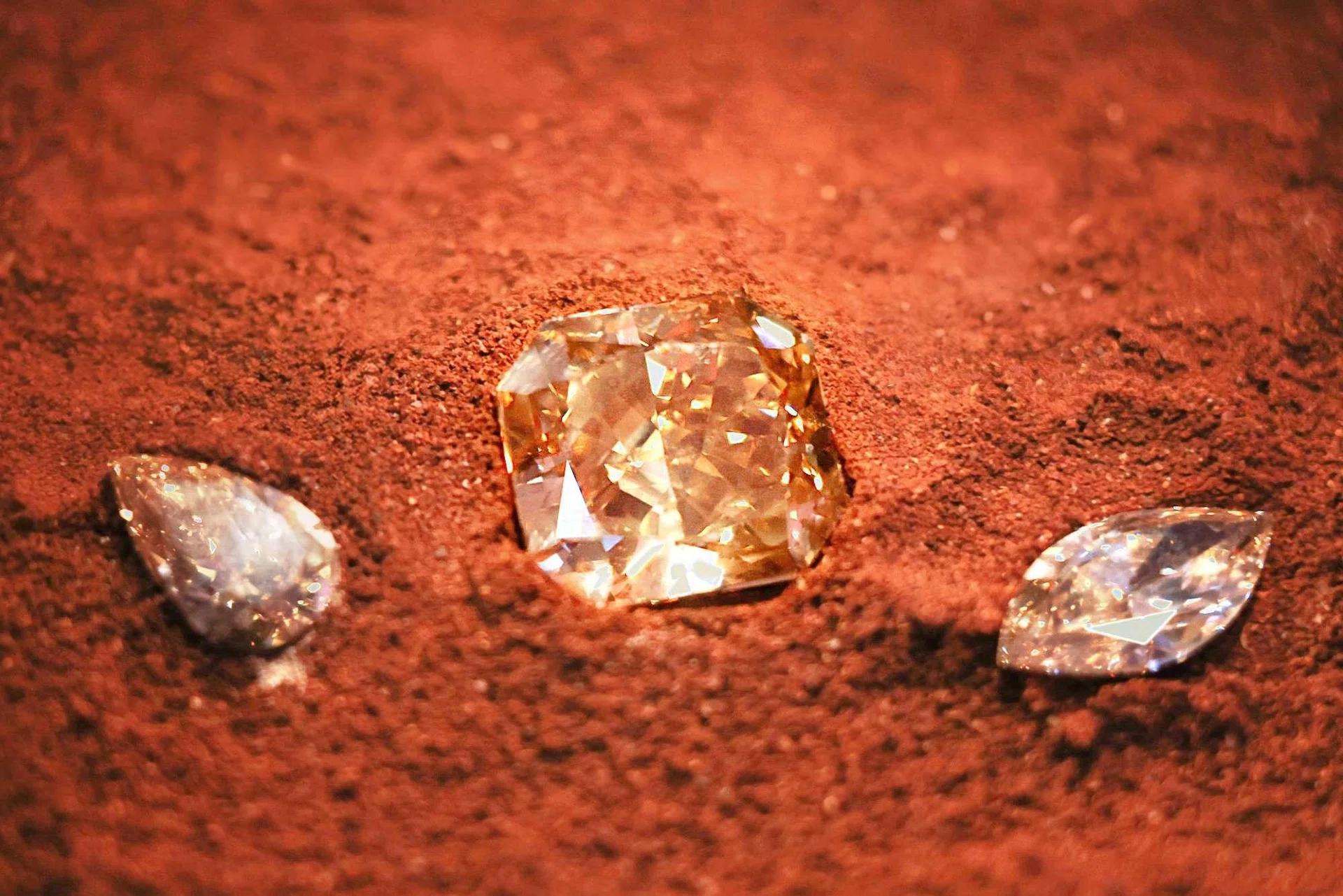
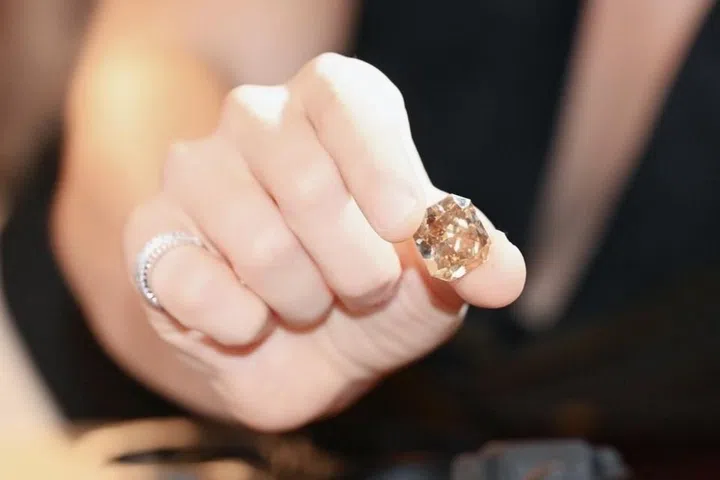
De Beers has launched Desert Diamonds, the first major “beacon” concept it has introduced in more than a decade. Rather than celebrating perfectly colourless stones, the initiative highlights natural diamonds in warm whites, champagne tones, and amber hues inspired by desert landscapes.
The concept taps into a growing consumer desire for individuality and authenticity. These warm-toned diamonds emphasise the natural variations created by geological processes over billions of years.
With major category marketing support and jewellery collections already developed by retailers and designers, the campaign is designed to reignite desire for natural diamonds by telling a more emotional and nature-driven story. Setting recent momentum were the head-turning Taffin high jewellery necklace and ring — in Desert Diamond colours — worn by actress Rose Byrne at Oscars 2026.
2. Major blue diamond discoveries
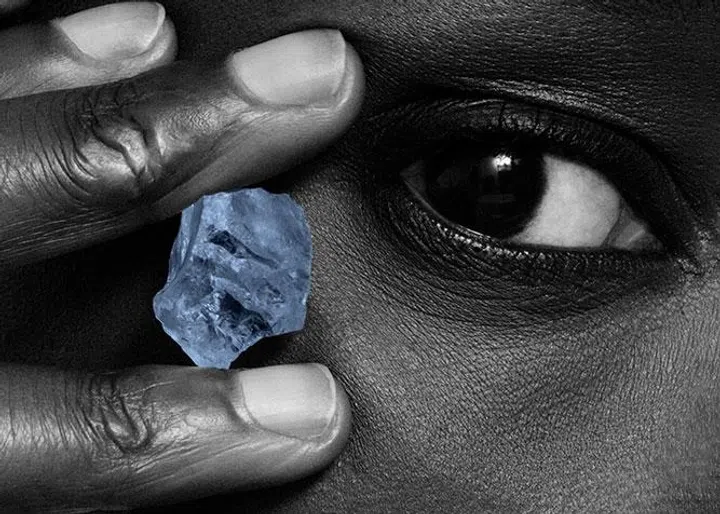
At South Africa’s legendary Cullinan Mine, Petra Diamonds recently uncovered a 41.82-carat blue diamond classified as Type IIb — one of the rarest diamond types in existence.
Cullinan is famous for producing some of the world’s most valuable blue diamonds. A comparable 39.34-carat stone discovered there in 2021 sold for more than US$40 million. For Petra Diamonds, which has been navigating weak demand and falling rough prices, the new discovery could become an important financial lifeline once it is analysed and brought to market.
3. Era of supersized rocks
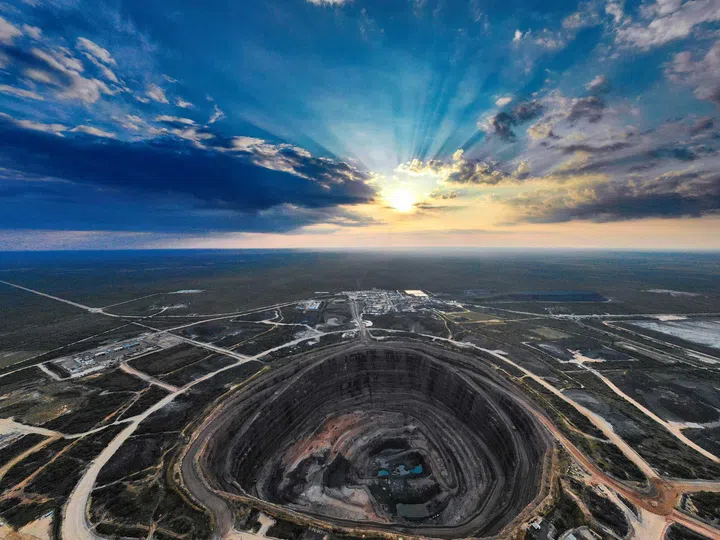
Despite more than a century of mining, the earth is still producing astonishingly large diamonds. In 2024, Botswana’s Karowe Mine, owned by Lucara Diamond Corp, yielded the 2,492-carat Motswedi diamond. The rock is now the second-largest gem-quality diamond ever discovered.
Such finds are increasingly possible thanks to advanced X-ray transmission (XRT) technology that allows miners to detect diamonds hidden inside large rocks before they are crushed during processing. The technology has dramatically improved the recovery of extraordinary stones and suggests that even larger diamonds may still be waiting deep underground.
4. Rare fancy-coloured diamonds surfacing
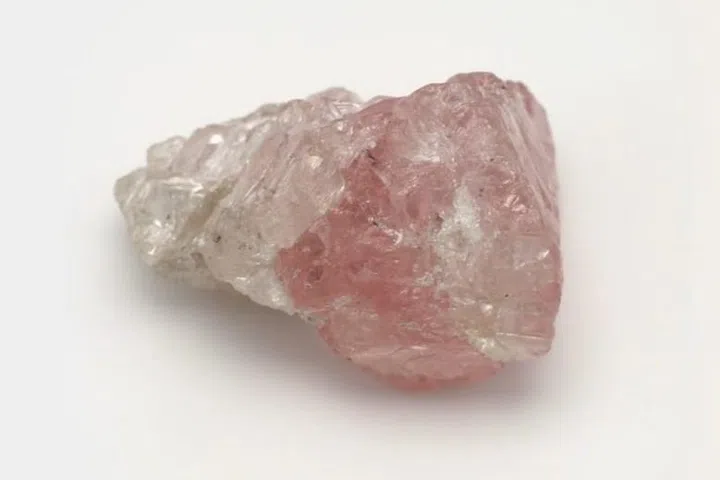
Last year, Karowe also delivered another exceptional discovery: a 37.41-carat rough diamond that is half pink and half colourless. The unusual two-tone gemstone likely formed through two separate geological events, with tectonic pressure causing the pink colour before additional colourless crystal growth occurred.
Pink diamonds are among the rarest gemstones, especially since the closure of Australia’s Argyle mine, once the world’s main source. Discoveries like this reinforce the mystique of natural diamonds and remind collectors that geology can still produce astonishing surprises.

5. Lab-grown diamond reality check
Ironically, one of the biggest developments helping natural diamonds may be the changing perception of lab-grown stones. Wholesale prices for lab-grown diamonds have collapsed in recent years due to oversupply and mass production, with some analysts noting declines of up to 96 per cent for certain sizes.
As synthetic diamonds become cheaper and more widely available, many industry observers believe natural diamonds will increasingly position themselves as precious luxury assets rather than mass-market jewellery. The market may ultimately split into two clear segments: lab-grown diamonds for affordability, and natural diamonds for rarity, heritage, and long-term value.
For an industry built on geology measured in billions of years, a few difficult seasons do not define the story. The discovery of extraordinary diamonds, advances in mining technology, and renewed efforts to market the emotional value of natural stones suggest the industry may be entering a new phase.
If these developments continue, natural diamonds could well remind the world that their greatest advantage is something no laboratory can replicate: the extraordinary rarity of nature itself.