%22%3E%0A%3Cpath%20d%3D%22M412%20101.2H393.7C393.1%20101.2%20392.3%20100.9%20391.8%20100.5C377.3%2087.6004%20362.9%2074.6004%20348.4%2061.6004C344.8%2058.4004%20341.3%2055.2004%20337.7%2052.0004C337.1%2051.5004%20336.2%2051.1004%20335.5%2051.0004C334.2%2050.8004%20333%2051.0004%20331.5%2051.0004V101.1H316.7V0.100391H331.4V44.3004C331.9%2044.3004%20332.2%2044.4004%20332.5%2044.4004C334.9%2044.4004%20337.2%2044.5004%20339.6%2044.4004C340.4%2044.4004%20341.3%2044.0004%20341.8%2043.5004C351.6%2034.4004%20361.4%2025.2004%20371.1%2016.0004C376.5%2010.9004%20381.9%205.90039%20387.3%200.800391C387.9%200.200391%20388.5%200.000390626%20389.3%200.000390626H400.9C384.2%2015.8004%20367.8%2031.3004%20351.2%2047.0004C371.5%2065.0004%20391.8%2082.9004%20412.1%20100.9C412.1%20101%20412.1%20101.1%20412%20101.2ZM180.9%20101.2C184.1%2094.9004%20187.2%2088.9004%20190.3%2082.8004C198.3%2067.3004%20206.2%2051.8004%20214.2%2036.2004C220.3%2024.4004%20226.4%2012.5004%20232.4%200.700391C232.7%200.100391%20233%20-0.0996094%20233.7%20-0.0996094H248.1C248.8%20-0.0996094%20249.2%200.100391%20249.6%200.800391C256%2013.3004%20262.4%2025.7004%20268.8%2038.2004C279.3%2058.6004%20289.8%2079.0004%20300.3%2099.5004C300.5%20100%20300.8%20100.4%20301.1%20101.1C300.5%20101.1%20300.1%20101.2%20299.7%20101.2H286.5C285.6%20101.2%20285.1%20100.9%20284.7%20100.2C280.1%2091.3004%20275.4%2082.4004%20270.8%2073.4004C270.1%2072.1004%20269.3%2071.6004%20267.8%2071.6004H209.9C208.7%2071.6004%20208.1%2072.0004%20207.5%2073.1004C202.9%2082.1004%20198.2%2091.0004%20193.6%20100C193.1%20101%20192.6%20101.3%20191.5%20101.3C188.4%20101.2%20185.3%20101.3%20182.3%20101.3C182%20101.2%20181.6%20101.2%20180.9%20101.2ZM239.1%2011.4004C230%2029.2004%20221.1%2046.7004%20212.1%2064.3004H266.4C257.2%2046.7004%20248.2%2029.2004%20239.1%2011.4004ZM0%200.000390626H43.4C51.2%200.000390626%2058.7%201.20039%2065.7%204.80039C75.9%2010.0004%2078.9%2018.0004%2078.6%2027.4004C78.3%2034.3004%2076%2040.5004%2071.2%2045.5004C67.3%2049.6004%2062.4%2052.3004%2057.1%2054.3004C50.6%2056.7004%2043.9%2058.0004%2037.1%2058.6004C30.1%2059.2004%2023.1%2059.4004%2016.2%2059.7004C15.8%2059.7004%2015.3%2059.8004%2014.8%2059.8004V101.1H0.1C0%2067.4004%200%2033.8004%200%200.000390626ZM14.8%207.10039V52.2004C23.7%2052.4004%2032.6%2052.3004%2041.2%2050.1004C44.4%2049.3004%2047.6%2048.2004%2050.6%2046.7004C58.4%2043.0004%2062.3%2036.7004%2062.7%2028.0004C63%2019.9004%2059.5%2014.1004%2052.4%2010.5004C47.6%208.00039%2042.5%207.10039%2037.2%207.10039H14.8ZM95.9%20101.1V0.100391H167.3V7.20039H110.7V44.7004H158.1V51.9004H110.8V93.9004H171.1V101C146.1%20101.1%20121%20101.1%2095.9%20101.1Z%22%20fill%3D%22black%22%2F%3E%0A%3Cpath%20d%3D%22M35.0004%2025.7996H42.5004V20.6996H44.8004V33.1996H42.6004V27.5996H34.9004V33.2996H32.7004V20.7996H35.0004V25.7996ZM54.4004%2025.8996V27.2996H48.9004V31.6996H55.9004C55.9004%2032.1996%2056.0004%2032.5996%2056.0004%2033.0996H46.5004V20.5996H55.5004V21.8996H49.0004V25.7996C50.7004%2025.8996%2052.5004%2025.8996%2054.4004%2025.8996ZM25.9004%2033.0996H23.5004V21.9996H17.9004V20.6996H31.6004V22.0996H27.1004C26.2004%2022.0996%2025.9004%2022.2996%2025.9004%2023.1996C26.0004%2026.0996%2025.9004%2028.9996%2025.9004%2031.7996V33.0996Z%22%20fill%3D%22black%22%2F%3E%0A%3C%2Fg%3E%0A%3Cdefs%3E%0A%3CclipPath%20id%3D%22clip0_388_462%22%3E%0A%3Crect%20width%3D%22411%22%20height%3D%22101.2%22%20fill%3D%22white%22%2F%3E%0A%3C%2FclipPath%3E%0A%3C%2Fdefs%3E%0A%3C%2Fsvg%3E%0A)
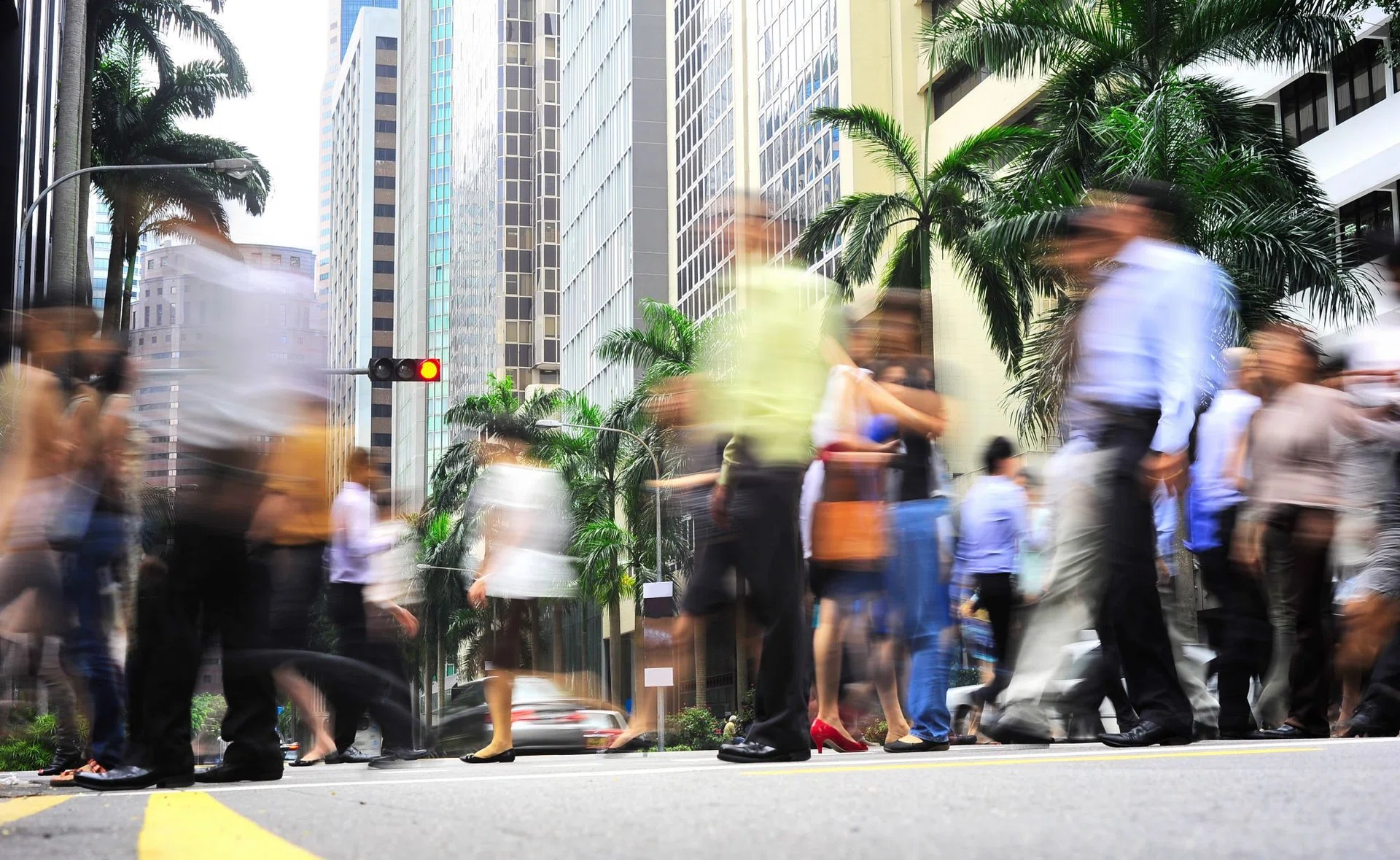
Singapore has spent most of its modern history looking outward. We built an economy on trade, foreign capital, international talent and the conviction that a small country survives by remaining relentlessly connected to everywhere else.
Our companies expanded abroad, our tastes travelled quickly, our skylines borrowed freely from global capitals and our appetite for the new became almost a civic instinct. For decades, this outward orientation made perfect sense. And, in no small or insignificant way, it still does.
Yet something feels increasingly urgent about looking closer to home.
Hyperlocalism can sound parochial if you mistake it for nostalgia. It is easy to reduce the idea to neighbourhood cafés, handmade products and sentimental affection for disappearing shops. But the more consequential version asks a harder question: what happens to a place when everything inside it becomes interchangeable with somewhere else?
You can see the tension everywhere in Singapore. A neighbourhood changes, and within a few years its commercial vocabulary begins to resemble another neighbourhood entirely. Familiar businesses disappear under pressure from rent, succession, labour shortages, or changing consumer habits.
Independent operators compete against chains with deeper pockets and vastly greater economies of scale. Algorithms increasingly mediate discovery, meaning the places that survive often become those that photograph, advertise and scale most efficiently.
The result can feel strangely frictionless. Convenient, certainly. Sometimes even beautiful. But frictionlessness carries a cost when it erases the quirks that make one street, one estate or one community feel distinct from another.
That is why hyperlocalism matters now.
The economics of place
Singapore has reached a stage of development where preservation cannot concern architecture alone. We have become very good at conserving facades, monuments and selected pieces of built heritage. Culture, however, also lives in businesses, routines, trades, recipes, relationships and forms of knowledge that rarely come with plaques.
It lives in the tailor who understands how Singaporean men actually wear jackets in this climate. In the second-hand furniture dealer who knows which discarded hotel cabinet deserves another life. In the neighbourhood prata house trying to rethink what familiarity can look like. In the family business that still knows its customers by name, even as every commercial instinct tells it to automate, standardise and expand.
These enterprises matter because they carry memory in an active form. They do not preserve the past under glass. They negotiate with it every day.
That negotiation also makes hyperlocalism an economic proposition, not just a cultural one.
For small businesses, locality can become an advantage precisely because scale has become so accessible elsewhere. Global platforms can replicate price, speed and selection with brutal efficiency.
What they struggle to reproduce is specificity: intimate knowledge of a community, a product shaped by local habits, trust accumulated over decades, or an experience inseparable from the place that produced it.
Keeping “here” alive
The businesses featured in this month’s “Heroically Hyperlocal” theme understand that instinctively. Some have inherited trades their parents once worried would disappear. Others have built new companies by paying unusually close attention to how Singaporeans live, eat, dress, gather or consume. Their ambitions may extend far beyond the island, but their strongest ideas often begin with something observed at street level.
There is also a larger reason to pay attention.
Singapore has always changed quickly, but speed alters the stakes when each generation inherits fewer physical traces of the one before it. The places we assume will always be around rarely announce their final chapter in advance. A stall closes. A workshop moves. A landlord sells. Children choose another career. What looked permanent turns out to have survived through a thousand small acts of persistence.
Celebrating the hyperlocal therefore requires something more useful than romanticising what is vanishing. It means recognising the people who keep local knowledge commercially viable, and examining the conditions that allow them to continue.
A city should evolve. Singapore certainly will. The question is whether evolution has to produce sameness.
There is tremendous value in remaining connected to the world. But there is equal value in knowing what can only come from here — and making sure “here” continues to mean something.