%22%3E%0A%3Cpath%20d%3D%22M412%20101.2H393.7C393.1%20101.2%20392.3%20100.9%20391.8%20100.5C377.3%2087.6004%20362.9%2074.6004%20348.4%2061.6004C344.8%2058.4004%20341.3%2055.2004%20337.7%2052.0004C337.1%2051.5004%20336.2%2051.1004%20335.5%2051.0004C334.2%2050.8004%20333%2051.0004%20331.5%2051.0004V101.1H316.7V0.100391H331.4V44.3004C331.9%2044.3004%20332.2%2044.4004%20332.5%2044.4004C334.9%2044.4004%20337.2%2044.5004%20339.6%2044.4004C340.4%2044.4004%20341.3%2044.0004%20341.8%2043.5004C351.6%2034.4004%20361.4%2025.2004%20371.1%2016.0004C376.5%2010.9004%20381.9%205.90039%20387.3%200.800391C387.9%200.200391%20388.5%200.000390626%20389.3%200.000390626H400.9C384.2%2015.8004%20367.8%2031.3004%20351.2%2047.0004C371.5%2065.0004%20391.8%2082.9004%20412.1%20100.9C412.1%20101%20412.1%20101.1%20412%20101.2ZM180.9%20101.2C184.1%2094.9004%20187.2%2088.9004%20190.3%2082.8004C198.3%2067.3004%20206.2%2051.8004%20214.2%2036.2004C220.3%2024.4004%20226.4%2012.5004%20232.4%200.700391C232.7%200.100391%20233%20-0.0996094%20233.7%20-0.0996094H248.1C248.8%20-0.0996094%20249.2%200.100391%20249.6%200.800391C256%2013.3004%20262.4%2025.7004%20268.8%2038.2004C279.3%2058.6004%20289.8%2079.0004%20300.3%2099.5004C300.5%20100%20300.8%20100.4%20301.1%20101.1C300.5%20101.1%20300.1%20101.2%20299.7%20101.2H286.5C285.6%20101.2%20285.1%20100.9%20284.7%20100.2C280.1%2091.3004%20275.4%2082.4004%20270.8%2073.4004C270.1%2072.1004%20269.3%2071.6004%20267.8%2071.6004H209.9C208.7%2071.6004%20208.1%2072.0004%20207.5%2073.1004C202.9%2082.1004%20198.2%2091.0004%20193.6%20100C193.1%20101%20192.6%20101.3%20191.5%20101.3C188.4%20101.2%20185.3%20101.3%20182.3%20101.3C182%20101.2%20181.6%20101.2%20180.9%20101.2ZM239.1%2011.4004C230%2029.2004%20221.1%2046.7004%20212.1%2064.3004H266.4C257.2%2046.7004%20248.2%2029.2004%20239.1%2011.4004ZM0%200.000390626H43.4C51.2%200.000390626%2058.7%201.20039%2065.7%204.80039C75.9%2010.0004%2078.9%2018.0004%2078.6%2027.4004C78.3%2034.3004%2076%2040.5004%2071.2%2045.5004C67.3%2049.6004%2062.4%2052.3004%2057.1%2054.3004C50.6%2056.7004%2043.9%2058.0004%2037.1%2058.6004C30.1%2059.2004%2023.1%2059.4004%2016.2%2059.7004C15.8%2059.7004%2015.3%2059.8004%2014.8%2059.8004V101.1H0.1C0%2067.4004%200%2033.8004%200%200.000390626ZM14.8%207.10039V52.2004C23.7%2052.4004%2032.6%2052.3004%2041.2%2050.1004C44.4%2049.3004%2047.6%2048.2004%2050.6%2046.7004C58.4%2043.0004%2062.3%2036.7004%2062.7%2028.0004C63%2019.9004%2059.5%2014.1004%2052.4%2010.5004C47.6%208.00039%2042.5%207.10039%2037.2%207.10039H14.8ZM95.9%20101.1V0.100391H167.3V7.20039H110.7V44.7004H158.1V51.9004H110.8V93.9004H171.1V101C146.1%20101.1%20121%20101.1%2095.9%20101.1Z%22%20fill%3D%22black%22%2F%3E%0A%3Cpath%20d%3D%22M35.0004%2025.7996H42.5004V20.6996H44.8004V33.1996H42.6004V27.5996H34.9004V33.2996H32.7004V20.7996H35.0004V25.7996ZM54.4004%2025.8996V27.2996H48.9004V31.6996H55.9004C55.9004%2032.1996%2056.0004%2032.5996%2056.0004%2033.0996H46.5004V20.5996H55.5004V21.8996H49.0004V25.7996C50.7004%2025.8996%2052.5004%2025.8996%2054.4004%2025.8996ZM25.9004%2033.0996H23.5004V21.9996H17.9004V20.6996H31.6004V22.0996H27.1004C26.2004%2022.0996%2025.9004%2022.2996%2025.9004%2023.1996C26.0004%2026.0996%2025.9004%2028.9996%2025.9004%2031.7996V33.0996Z%22%20fill%3D%22black%22%2F%3E%0A%3C%2Fg%3E%0A%3Cdefs%3E%0A%3CclipPath%20id%3D%22clip0_388_462%22%3E%0A%3Crect%20width%3D%22411%22%20height%3D%22101.2%22%20fill%3D%22white%22%2F%3E%0A%3C%2FclipPath%3E%0A%3C%2Fdefs%3E%0A%3C%2Fsvg%3E%0A)
Dining on Sunshine: How Brisbane’s dining scene stands out from Sydney and Melbourne’s
The Queensland capital is transforming into a bona fide culinary hotspot, fuelled by a new wave of culinary talents and easy access to fresh local produce from the Scenic Rim.
By Kenneth SZ Goh /
Share this article
Like a campfire, the flickering glow from the golden embers in the charcoal pits catches my eye as I step into Agnes Restaurant in Brisbane for dinner. Housed in a restored brick warehouse built in the 1880s, the hearth-like restaurant, which is deliberately shrouded in darkness, evokes the primal feeling of huddling around a fire.
Drawn closer to the kitchen, I am mesmerised by flames licking across sizzling decks of meat and vegetables, all kissed with a hint of smoke.
The sultry wood-fired restaurant, tucked along a quiet street in the Fortitude Valley, operates without electricity and gas — only fire. Since opening in 2020, Agnes has risen swiftly to become one of Brisbane’s most coveted dining spots, clinching Gourmet Traveller’s Australia’s Restaurant of the Year accolade in 2023.
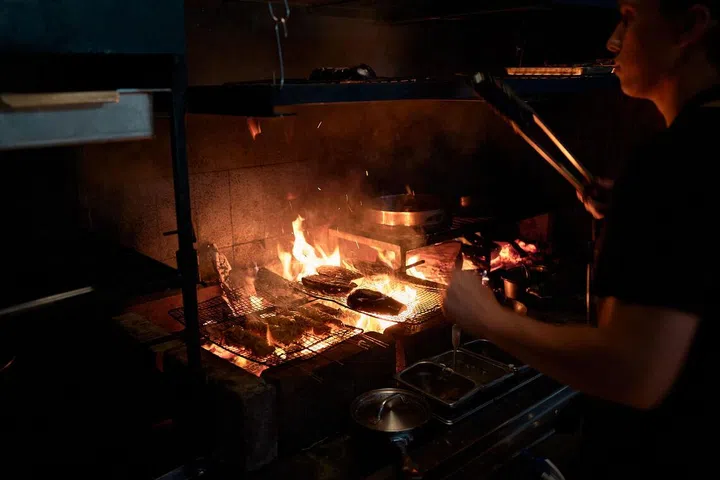
Ben Williamson, executive chef and co-owner of Agnes, attributes the restaurant’s success to its multisensory dining experience. “The concept was built from the aged beauty of the building, showing how a kitchen would feel hundreds of years ago,” he says. “When diners walk in, they take in the aromas from the wood-fired smoke and from the ingredients that we have been cooking over fire.”
At the heart of Agnes is what Williamson calls “intuitive cooking”. “We tell new staff that half their prep list is tending to the fire,” he says. “There’s no convection oven with a timer — you really have to cook intuitively.” Four types of wood — ironbark, apple, cherry, and olive — lend subtle gradations of smoke to ingredients.
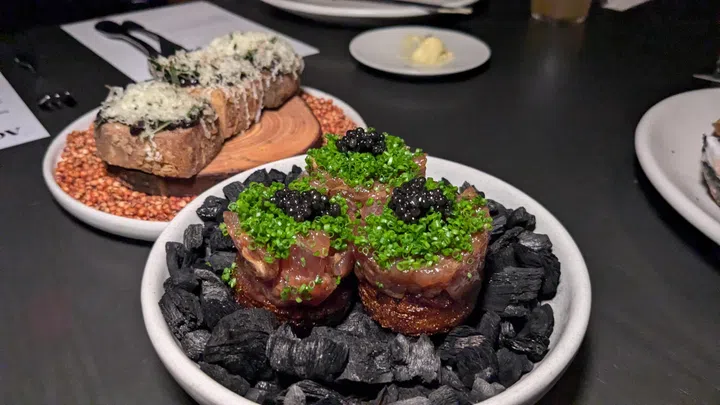
Rock oysters arrive drizzled with smoky coal mignonette from a fire-capped flambadou; wood-roasted duck is paired with muscat grapes and burnt honey; wagyu and Bangalow pork are grilled into rich, yielding cuts. Even desserts, such as plum and smoked yoghurt cremeux, do not escape the flame.
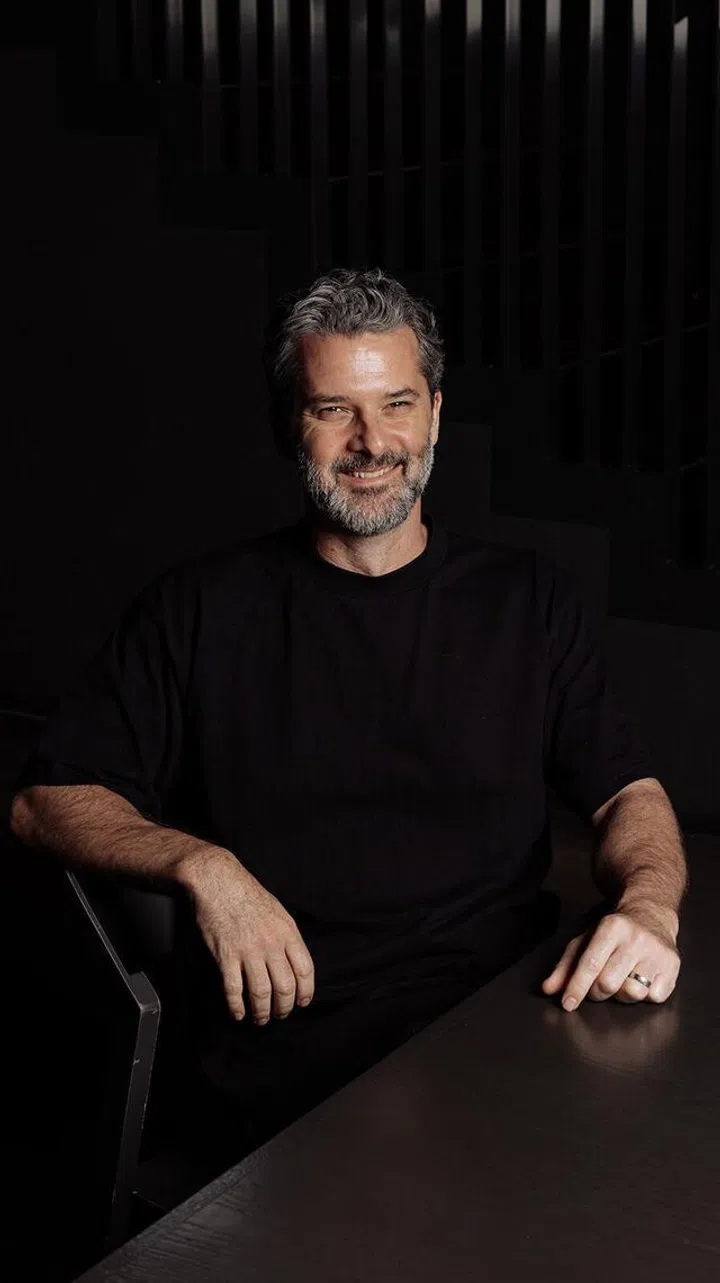
Williamson, who is also the co-founder of Anyday hospitality group, which runs some of Brisbane’s well-loved restaurants like Same Same and Biànca, has witnessed the city’s dining landscape transform firsthand. Once known primarily as “a city of steakhouses”, the scene has grown to be “more comfortable in its own skin”.
Over the years, it has been taken seriously as one of Australia’s culinary hotspots, with contemporary restaurants spanning Cantonese, Japanese, Korean, Middle Eastern, and Nordic cuisines opening, all centred on local produce.
“We’re not looking to do a carbon-copy of Sydney or Melbourne,” he says, pointing to a “carefree attitude” that translates into a vibrant, frenetic dining style, eschewing “stuffy formality for a laid-back but informative service style”.
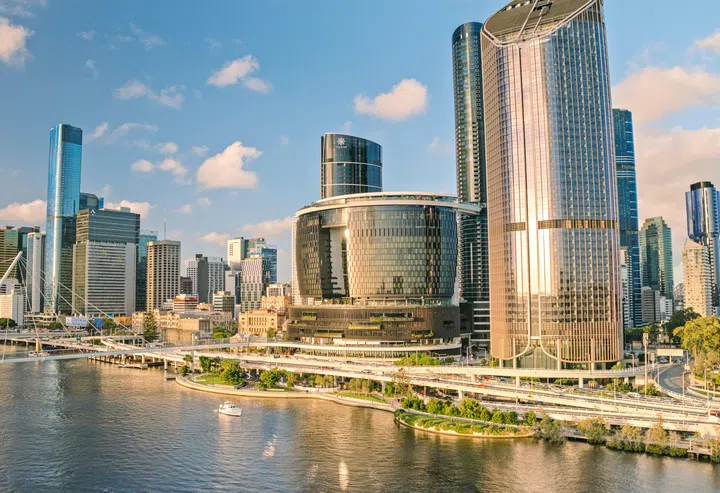
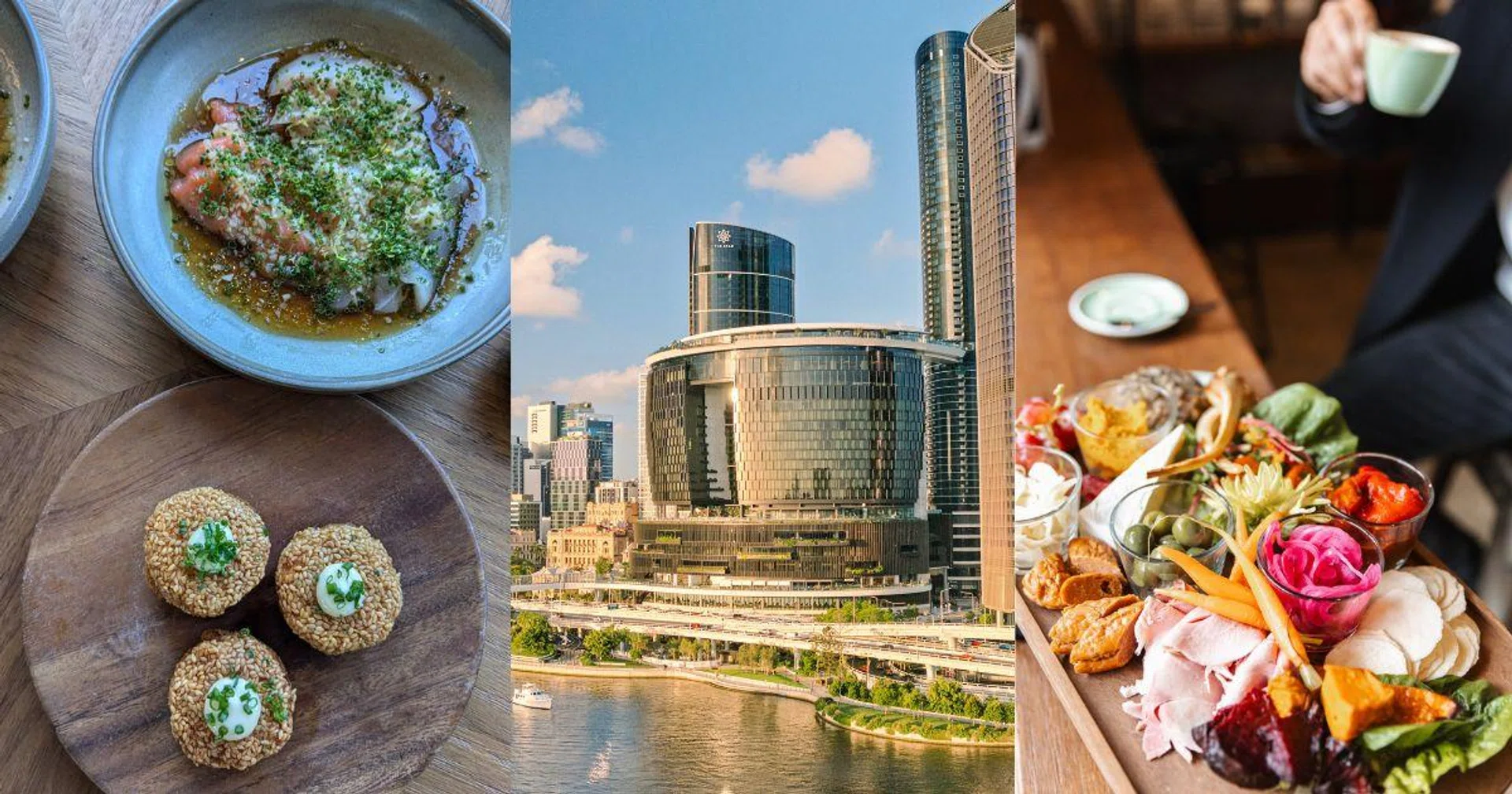
The weather helps too. Brisbane’s year-round subtropical climate has spawned many al-fresco dining spots that dot around the city’s artery — the shimmering Brisbane River that snakes across the city. Along its banks, new developments signal the city’s growing ambition to become a destination for international tourists.
Among them is Queen’s Wharf, a AUD$3.6 billion ($3.28 billion) entertainment and lifestyle precinct that features the 340-room The Star Grand hotel, a plethora of luxury retail brands and high-end restaurants.
According to the Brisbane Economic Development Agency, the sun-kissed city recorded a new high in international visitor spending, reaching AUD$3.6 billion last year — a year-on-year increase of 14.8 per cent. In 2025, 1.3 million international visitors stayed 27.3 million nights in Brisbane, a city with a 7.5-hour direct flight from Singapore.
Brisbane’s ascent as Australia’s lifestyle capital is fuelled by a thriving experience economy. Recent additions include the Brisbane Oyster Tours on Moreton Bay and the new Glasshouse Theatre. These developments add pizzazz to the city, which is preparing to host the Summer Olympic Games in 2032.
The night is still young
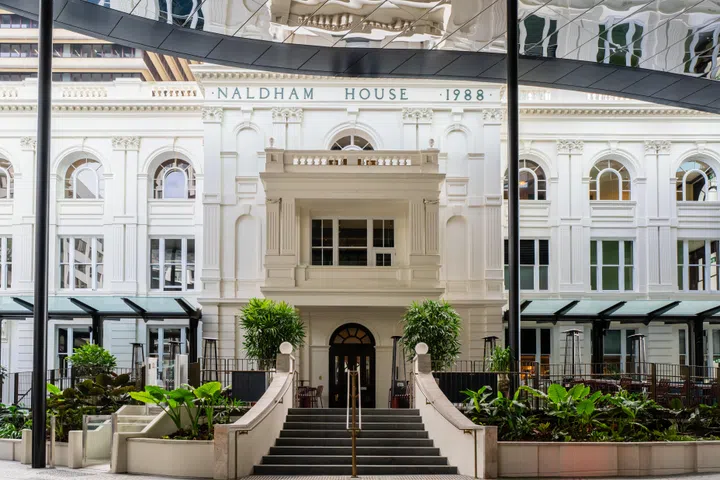
Traditionally, Brisbane has been associated with its dawn culture, an outdoorsy, family-friendly lifestyle, rather than late-night revelry. But that is shifting, as more restaurants and bars open till late. One of them is Naldham House, a lifestyle destination in a 150-year-old heritage building that was formerly the Brisbane Polo Club.
The three-in-one entertainment complex in the CBD eases the transition from dining to late-night partying. It houses a brasserie and terrace, a modern Cantonese restaurant, The Fifty Six, and a supper club-style venue, Club Felix.
The Brasserie serves French-Mediterranean classics with modern twists. Dishes include Pithivier, a slow-cooked beef bourguignon encased in a delicate puff pastry and Duck A L’Orange, or roast duck in orange jus.
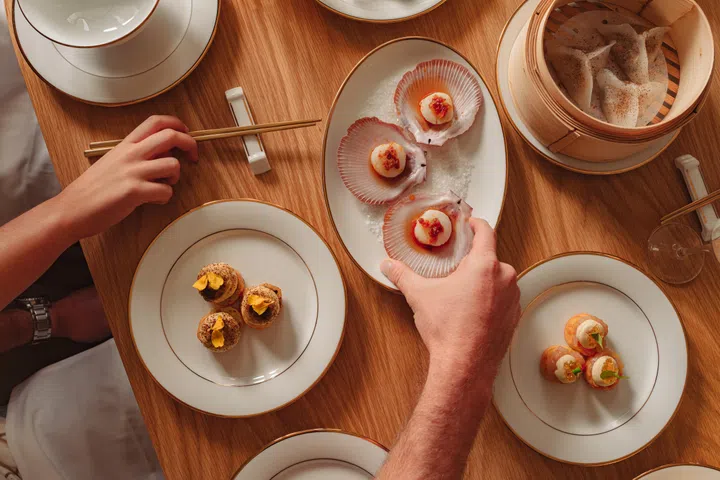
The Fifty Six, named in honour of the first 56 Chinese settlers in Brisbane in 1848, is helmed by Singaporean executive chef Gerald Ong. Diners can dig into innovative dim sum treats like drunken prawn tart, tea quail egg with caviar, and Hervey Bay scallops with XO sauce, as well as scallop siew mai layered with prawn and minced pork.
A ferry ride downriver leads to Howard Smith Wharves, where former warehouses have been rejuvenated as a lively strip of restaurants and bars. Taking prime position is Felons Brewing Co., a sprawling brewery-restaurant situated under the iconic Story Bridge, known for its freshly brewed, frothy ales and lagers.
Talent shift
Brisbane’s growing culinary stature is also shaped by a steady migration of talent from Sydney and Melbourne over the past two years. Chefs and restaurateurs are drawn by lower costs and better operational feasibility in the River City.
Popular contemporary Asian-inspired restaurant Supernormal expanded from Melbourne to Brisbane in July 2024. While the popular prawn and chicken dumplings and kimchi flatbread remain, the menu at its Brisbane outlet is largely shaped by Queensland seafood such as coral trout, yamba prawns, and ora king.
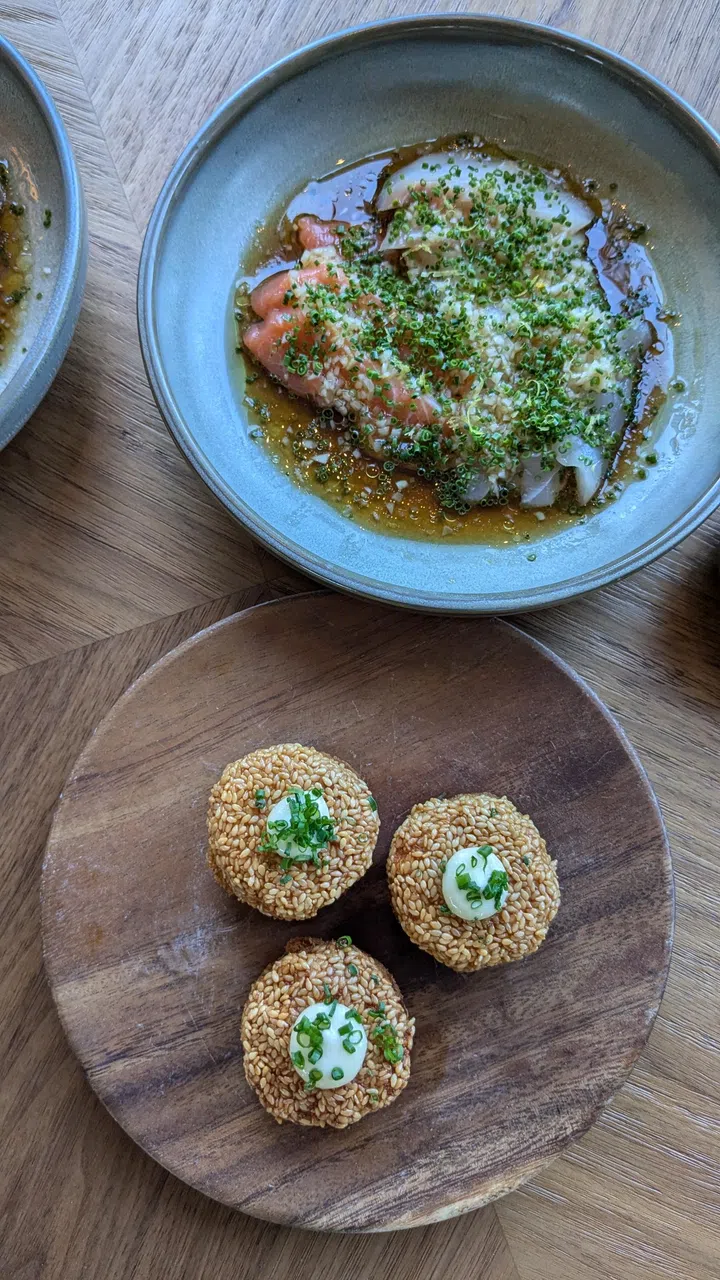
Dishes like Moreton Bay bug toast, with aioli-topped, sesame-seed-coated crustacean atop crispy toast, and whole flounder doused in Szechuan burnt butter are served against expansive riverfront views.
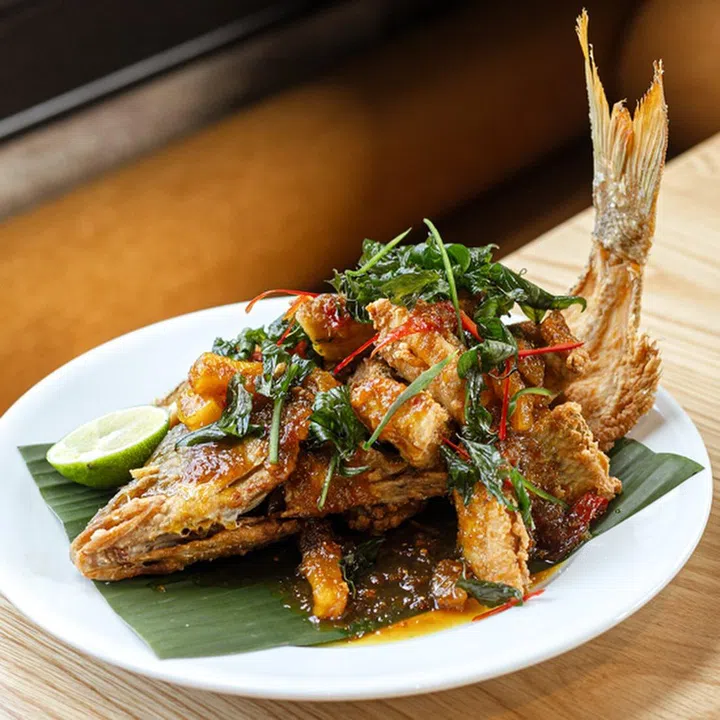
Modern Thai restaurant Short Grain by Martin Boetz is a homecoming of sorts for its Brisbane-born chef-owner Martin Boetz, who gained fame as the ex-executive chef of Melbourne’s (and Sydney’s, before it closed) iconic Longrain. Boetz returned to his home city to be closer to his family during the Covid-19 pandemic.
Trained under the legendary chef David Thompson, Boetz’s Thai-inspired dishes are a gregarious explosion of flavours. Highlights include the fried golden snapper, doused in a sweet lemon and caramelised tamarind sauce, and a tangy coconut-caramel-laced prawn and pork salad nestled in an egg net.
Boetz says, “Brisbane is up-and-coming but still needs five more years to have its dining scene be on par with Sydney and Melbourne’s — when there is a larger catchment of diners.”
Agnes’ Williamson, who has been opening restaurants in Brisbane for over a decade, has witnessed an influx of young, talented chefs from the Southern Capitals. He says, “We’ve got very confident chefs doing amazing food with amazing produce, but the dining style is much more laid back. You’d get the fine dining element in the dishes, but the way that it’s delivered is much more relaxed.”
Fresh produce from the Scenic Rim
A mere 90-minute drive from the Brisbane city centre lies Scenic Rim, a lush hinterland of farms, fuelled by volcanic soil and mineral-rich underground water, that supplies fresh fruit and vegetables to restaurants in the city.
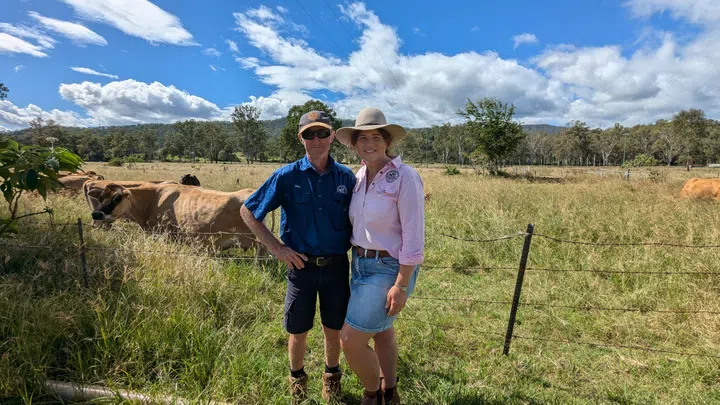
One of them is Tommerup’s Farm, a sixth-generation dairy farm in Kerry Valley, home to about 20 Jersey cows on 80.9ha of land, where livestock and vegetables are also farmed. In a touch of irreverent humour, the cows are named after food personalities like Gordon Ramsay and Marco Pierre White.
The farm supplies restaurants with thick, velvety creme fraîche made from Jersey cows’ milk, which is richer and higher in fat. The farm also produces hand-churned butter in a much darker yellow hue, flecked with red gum-smoked salt; grass-fed rose veal; pastured eggs; and fruit and vegetables available on its market days.
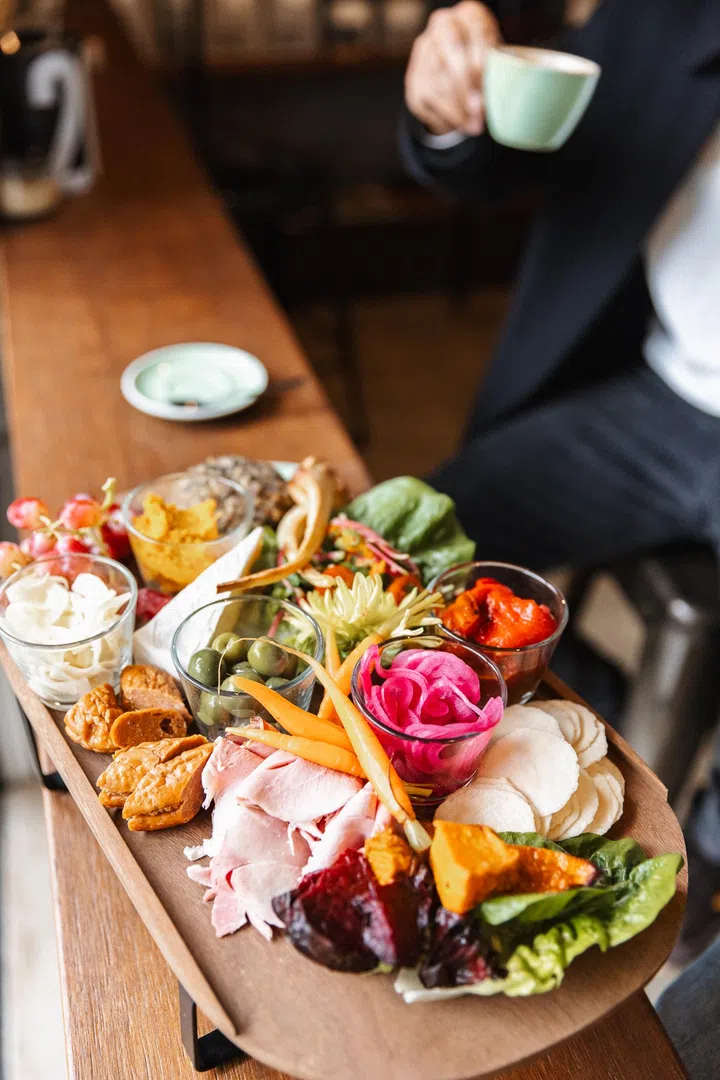
Local seasonal products are also championed at Picnic Real Food Bar, a wholesome cafe in the North Stores, a precinct of eateries, shops and bars at Tamborine Mountain. The cafe’s co-owner, Brenda Fawdon, welcomes me with a platter overflowing with cheeses, strawberries, greens, basil, radishes and dips, all sourced from neighbouring small-crop farms.
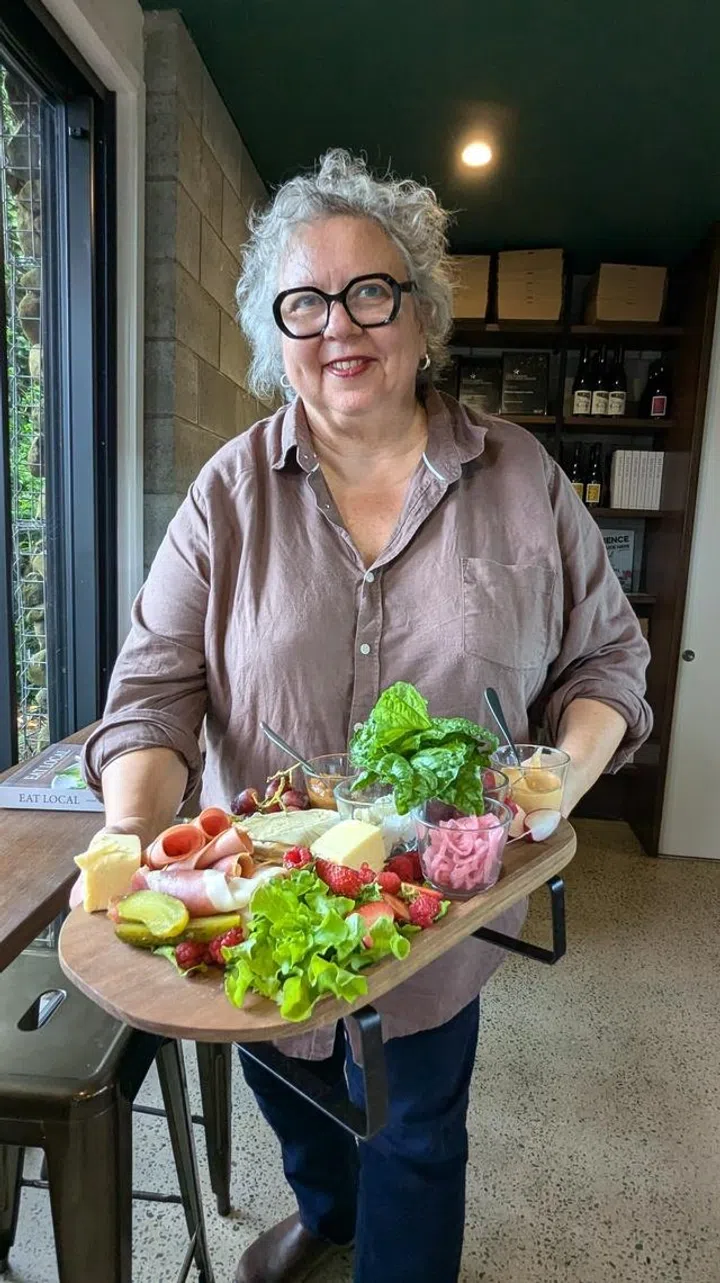
Fawdon, who started one of Brisbane’s earliest organic restaurants and is a cookbook author, was swept away by the quality of produce in one of the food bowls of Queensland. “I remember cutting open a bunch of rhubarb chard from the local market — it sprayed me in the face,” she recalls.
In 2010, she moved to Tamborine Mountain and was an early champion of the organic and biodynamic produce grown there. She says, “Being in the Scenic Rim offers fresh ingredients without factoring in transportation. What makes the produce here unique is the soil and underground water from the natural springs.”
One of the region’s major agritourism events is the Scenic Rim Eat Local Month, a festival of over 100 events that highlight local produce in a paddock-to-plate food and farming experience every June. Highlights include the Winter Harvest Festival, a farm-gate event where guests can enjoy farm-to-table experiences with top Queensland chefs.
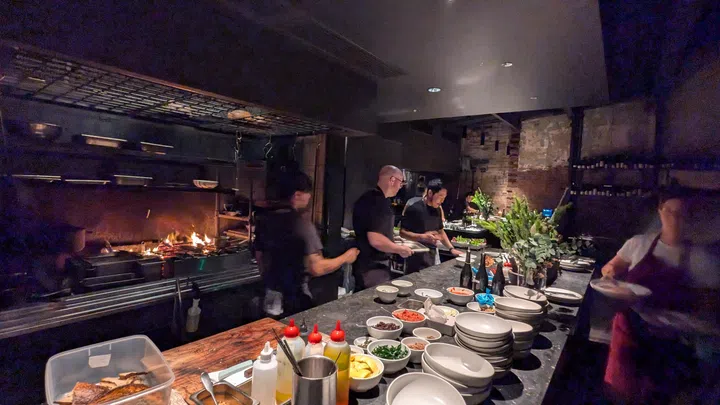
Over the years, more restaurants have been using ingredients from the Scenic Rim. Agnes Restaurant sources fruit and vegetables from organic, regenerative farms in Queensland. Williamson says, “We have incredible produce here, and there is much more of a connection we have with the farmers, as opposed to coming from Sydney, where there is more competition for niche ingredients.”
With the ever-expanding Anyday Group, which recently added late-night cocktail bar Le Royale and The French Exit to its portfolio, Williamson is brimming with optimism for a more vibrant dining scene in Brisbane. He believes that the appetite for unique dining experiences is booming.
He says, “Having a precinct is the best bet to bring people together and create an exciting vibe. We want people to engage in restaurants and go to a cocktail lounge later. It will bring up the level of dining experience on a night out.”