%22%3E%0A%3Cpath%20d%3D%22M412%20101.2H393.7C393.1%20101.2%20392.3%20100.9%20391.8%20100.5C377.3%2087.6004%20362.9%2074.6004%20348.4%2061.6004C344.8%2058.4004%20341.3%2055.2004%20337.7%2052.0004C337.1%2051.5004%20336.2%2051.1004%20335.5%2051.0004C334.2%2050.8004%20333%2051.0004%20331.5%2051.0004V101.1H316.7V0.100391H331.4V44.3004C331.9%2044.3004%20332.2%2044.4004%20332.5%2044.4004C334.9%2044.4004%20337.2%2044.5004%20339.6%2044.4004C340.4%2044.4004%20341.3%2044.0004%20341.8%2043.5004C351.6%2034.4004%20361.4%2025.2004%20371.1%2016.0004C376.5%2010.9004%20381.9%205.90039%20387.3%200.800391C387.9%200.200391%20388.5%200.000390626%20389.3%200.000390626H400.9C384.2%2015.8004%20367.8%2031.3004%20351.2%2047.0004C371.5%2065.0004%20391.8%2082.9004%20412.1%20100.9C412.1%20101%20412.1%20101.1%20412%20101.2ZM180.9%20101.2C184.1%2094.9004%20187.2%2088.9004%20190.3%2082.8004C198.3%2067.3004%20206.2%2051.8004%20214.2%2036.2004C220.3%2024.4004%20226.4%2012.5004%20232.4%200.700391C232.7%200.100391%20233%20-0.0996094%20233.7%20-0.0996094H248.1C248.8%20-0.0996094%20249.2%200.100391%20249.6%200.800391C256%2013.3004%20262.4%2025.7004%20268.8%2038.2004C279.3%2058.6004%20289.8%2079.0004%20300.3%2099.5004C300.5%20100%20300.8%20100.4%20301.1%20101.1C300.5%20101.1%20300.1%20101.2%20299.7%20101.2H286.5C285.6%20101.2%20285.1%20100.9%20284.7%20100.2C280.1%2091.3004%20275.4%2082.4004%20270.8%2073.4004C270.1%2072.1004%20269.3%2071.6004%20267.8%2071.6004H209.9C208.7%2071.6004%20208.1%2072.0004%20207.5%2073.1004C202.9%2082.1004%20198.2%2091.0004%20193.6%20100C193.1%20101%20192.6%20101.3%20191.5%20101.3C188.4%20101.2%20185.3%20101.3%20182.3%20101.3C182%20101.2%20181.6%20101.2%20180.9%20101.2ZM239.1%2011.4004C230%2029.2004%20221.1%2046.7004%20212.1%2064.3004H266.4C257.2%2046.7004%20248.2%2029.2004%20239.1%2011.4004ZM0%200.000390626H43.4C51.2%200.000390626%2058.7%201.20039%2065.7%204.80039C75.9%2010.0004%2078.9%2018.0004%2078.6%2027.4004C78.3%2034.3004%2076%2040.5004%2071.2%2045.5004C67.3%2049.6004%2062.4%2052.3004%2057.1%2054.3004C50.6%2056.7004%2043.9%2058.0004%2037.1%2058.6004C30.1%2059.2004%2023.1%2059.4004%2016.2%2059.7004C15.8%2059.7004%2015.3%2059.8004%2014.8%2059.8004V101.1H0.1C0%2067.4004%200%2033.8004%200%200.000390626ZM14.8%207.10039V52.2004C23.7%2052.4004%2032.6%2052.3004%2041.2%2050.1004C44.4%2049.3004%2047.6%2048.2004%2050.6%2046.7004C58.4%2043.0004%2062.3%2036.7004%2062.7%2028.0004C63%2019.9004%2059.5%2014.1004%2052.4%2010.5004C47.6%208.00039%2042.5%207.10039%2037.2%207.10039H14.8ZM95.9%20101.1V0.100391H167.3V7.20039H110.7V44.7004H158.1V51.9004H110.8V93.9004H171.1V101C146.1%20101.1%20121%20101.1%2095.9%20101.1Z%22%20fill%3D%22black%22%2F%3E%0A%3Cpath%20d%3D%22M35.0004%2025.7996H42.5004V20.6996H44.8004V33.1996H42.6004V27.5996H34.9004V33.2996H32.7004V20.7996H35.0004V25.7996ZM54.4004%2025.8996V27.2996H48.9004V31.6996H55.9004C55.9004%2032.1996%2056.0004%2032.5996%2056.0004%2033.0996H46.5004V20.5996H55.5004V21.8996H49.0004V25.7996C50.7004%2025.8996%2052.5004%2025.8996%2054.4004%2025.8996ZM25.9004%2033.0996H23.5004V21.9996H17.9004V20.6996H31.6004V22.0996H27.1004C26.2004%2022.0996%2025.9004%2022.2996%2025.9004%2023.1996C26.0004%2026.0996%2025.9004%2028.9996%2025.9004%2031.7996V33.0996Z%22%20fill%3D%22black%22%2F%3E%0A%3C%2Fg%3E%0A%3Cdefs%3E%0A%3CclipPath%20id%3D%22clip0_388_462%22%3E%0A%3Crect%20width%3D%22411%22%20height%3D%22101.2%22%20fill%3D%22white%22%2F%3E%0A%3C%2FclipPath%3E%0A%3C%2Fdefs%3E%0A%3C%2Fsvg%3E%0A)
Province’s chef Law Jia-jun reflects on its three-year journey and new Mod Sin direction
The chef-owner of the Joo Chiat restaurant decided to pivot its direction to be more closely aligned with his Singaporean heritage and to better resonate with local diners.
By Kenneth SZ Goh /
Share this article
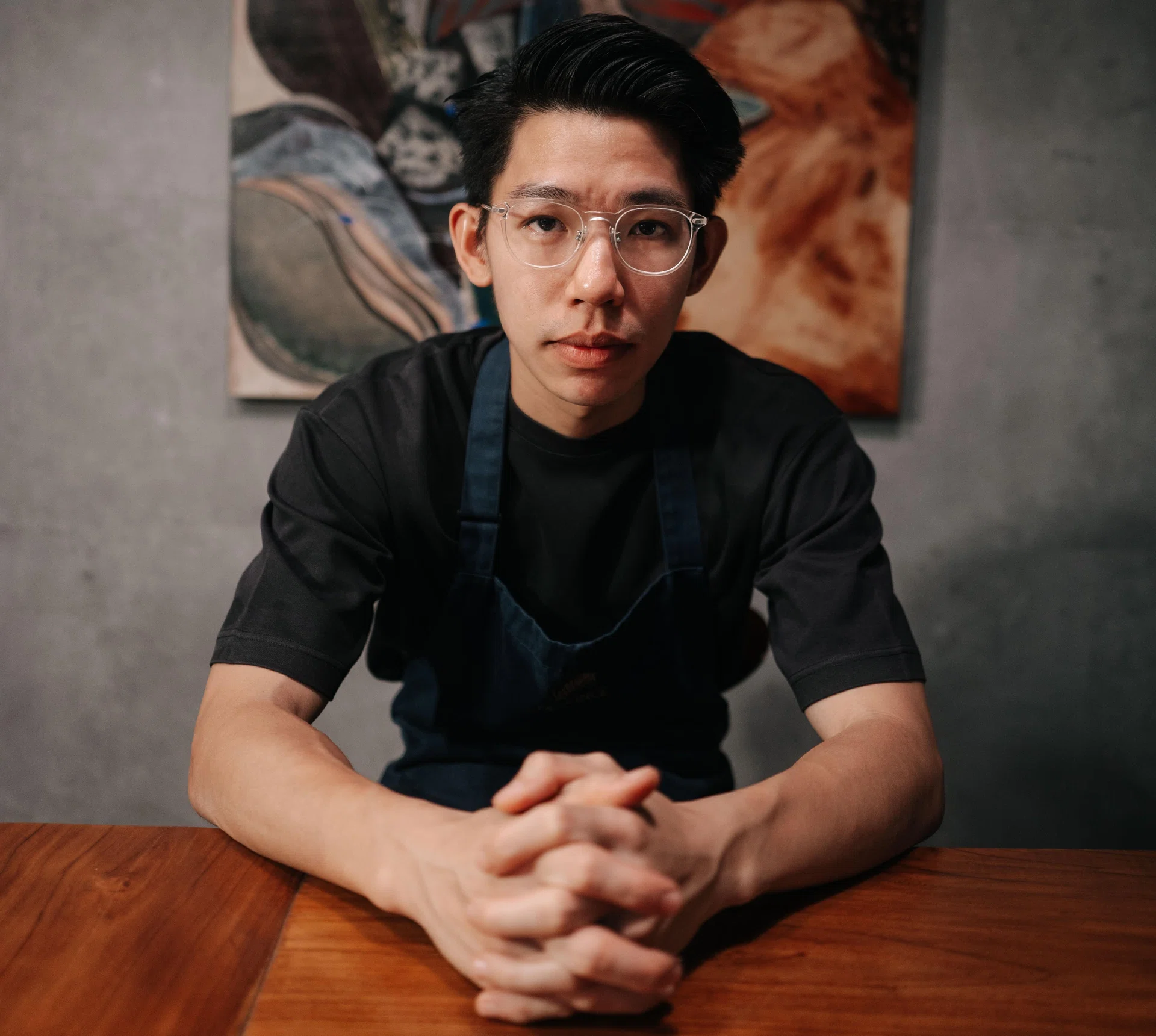
Chef Law Jia-jun remembers the first time that he bit into black Russian tomatoes at a farm in California, where he worked as a young chef for two and a half years. The chef-owner of Province restaurant in Joo Chiat waxes lyrical, “They were plucked straight from the vines and were very sweet, umami, soft and juicy all at once.”
That plushy encounter sparked his interest in showcasing the provenance of seasonal ingredients through his cuisine. After working at Michelin-starred Californian restaurants Atelier Crenn and Manresa, Law returned to Singapore in 2020 amid Covid-19-related uncertainties. The Culinary Institute of America graduate was armed with an enthusiasm to replicate the farm-to-table culture here.
In April 2023, he opened Province, which leaned into a produce-driven ethos, spotlighting rare ingredients from far-flung places in Southeast Asia, such as white and Japanese sweet potatoes grown in Chiang Rai, and stories of the farmers gleaned from his six-month sourcing trip across the region.
However, the concept didn’t take off.
“People in Singapore only know what tastes good,” the 32-year-old observes. “But there isn’t a farming culture and an appreciation for the craft behind quality produce.”
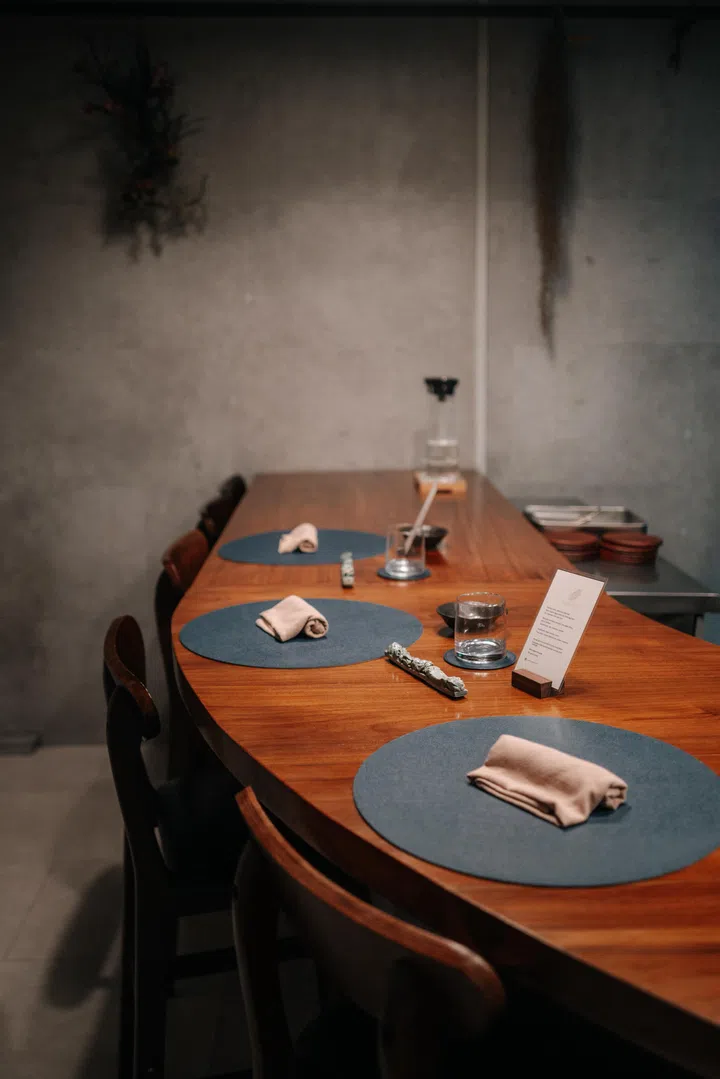
Three years on, Law has decided to pivot Province’s direction to be more closely aligned with his Singaporean heritage and to better resonate with local diners, whilst retaining a farm-to-table approach. “I want to cook food that reflects me more — some of the dishes are a reflection of where I grew up in Katong and Joo Chiat,” he says.
The Spring menu, which has a distinctly Singaporean sensibility, is anchored by Law and his team’s memories of dishes such as rojak, fish curry, braised duck, wonton noodles, and kaya toast. Do not expect literal interpretations, though — these contemporary dishes are presented with elevated flair while evoking homespun flavours and heartfelt memories.
While most of the ingredients come from local and regional sources, there has been an extension to Japanese fish and seafood. Ingredients from Southeast Asia are still present. One of them is the Borneo highland rice, which has an earthy flavour and aroma and a basmati rice-like texture.
Going local
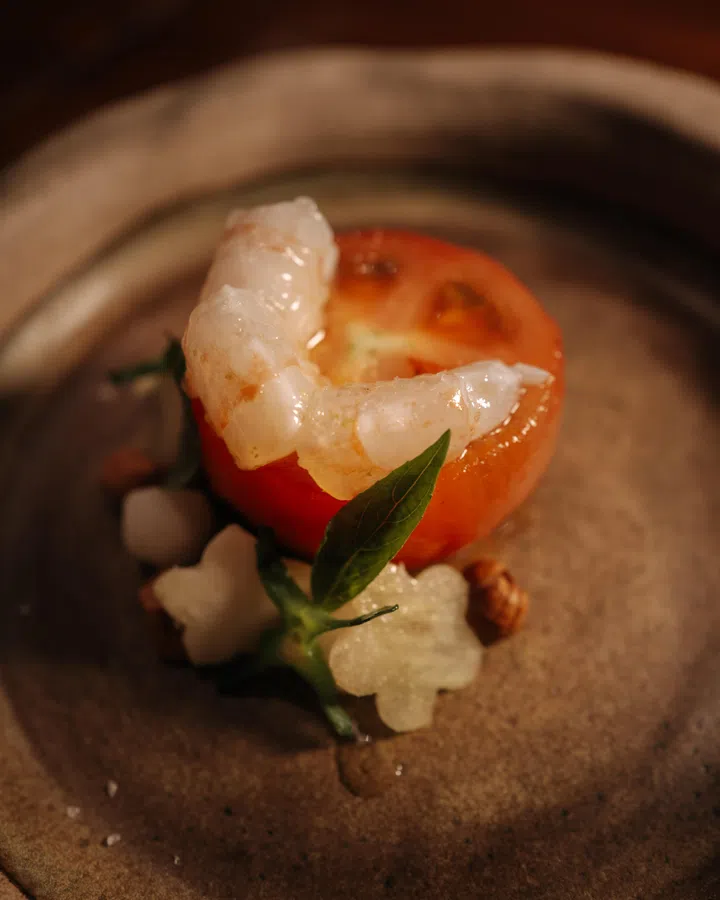
Opening the menu is a salad of momotaro and ama ebi, an ode to Law’s first encounter with the farm-fresh tomatoes and eating rojak. Showcasing an entire momotaro tomato, the hollowed fruit is a vessel filled with tomato pulp, topped with botan ebi, and accompanied by a tangy melange of shrimp paste, calamansi, cashew, prawn paste, and jambu juice reduced to a sweet, sticky molasses-like consistency.
The sweet and savoury flavours coalesce into something that gestures toward rojak, though it never fully declares itself as such.
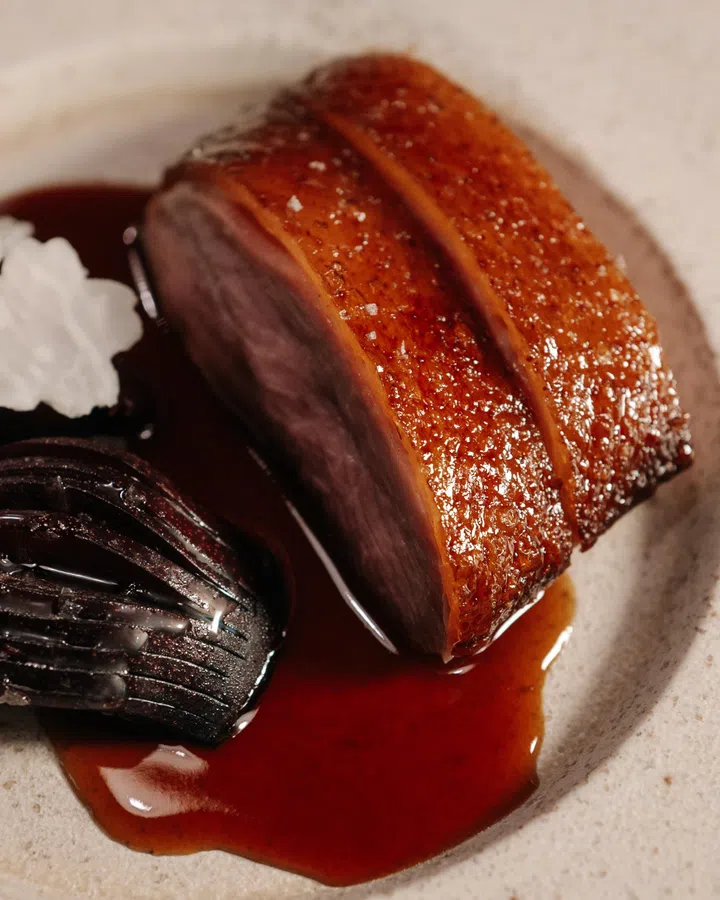
The duck course has always been a mainstay across more than 10 iterations of Province’s past menus, which are proudly hung on the restaurant’s wall. The Teochew Braised Duck features succulent roast-aged duck served with a braising liquid perfumed with lemongrass, cinnamon, star anise, and a touch of makwan pepper from Thailand, which has a citrusy scent.
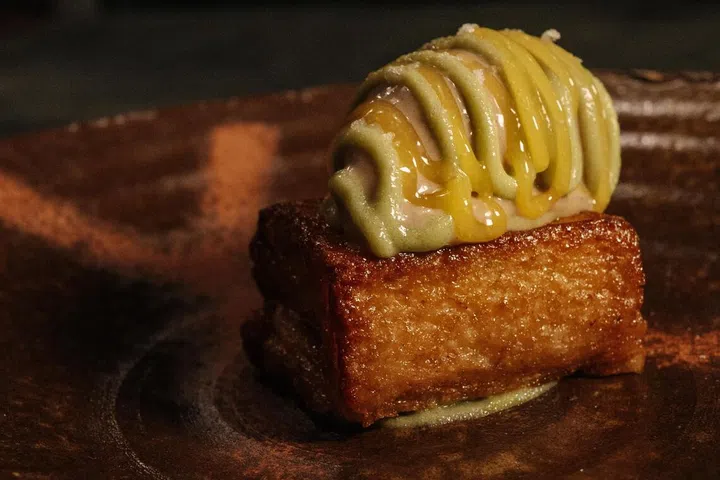
For dessert, Law is inspired by the kaya toast his grandfather used to make for breakfast. His version is a French toast made with brioche soaked in coconut custard, echoing kaya’s core ingredients.
The brioche is then toasted with butter and gula melaka, topped with burnt sourdough ice cream, and drizzled with kaya and egg yolk jam.
Against the odds
2026 marks Province’s third anniversary — a feat for an independently-run fine-dining restaurant in Singapore’s competitive and topsy-turvy landscape. Law took the plunge (and his savings) to open a 10-seat counter restaurant, which sits behind 808 Eating House, a casual restaurant that he also co-owns with a group of partners.
“It was scary and intimidating when I first opened — there were so many eateries within a one-kilometre radius,” he recalls with a chuckle. “Honestly, at 28, what was I thinking?”
Having just relocated from the US, Law didn’t have a network of local chef-friends and mentors. Pressure and self-doubt were immense, as comparisons with peers were inevitable, as were seeing short-lived restaurant concepts by fellow young chefs.
He says, “Eventually, I’ve learned to tune out noise and trust the steps in my journey. I need to focus on what I like and want. That’s why I decided to tweak the direction to have a more Singaporean approach, yet keeping to my belief of sourcing local and regionally.”
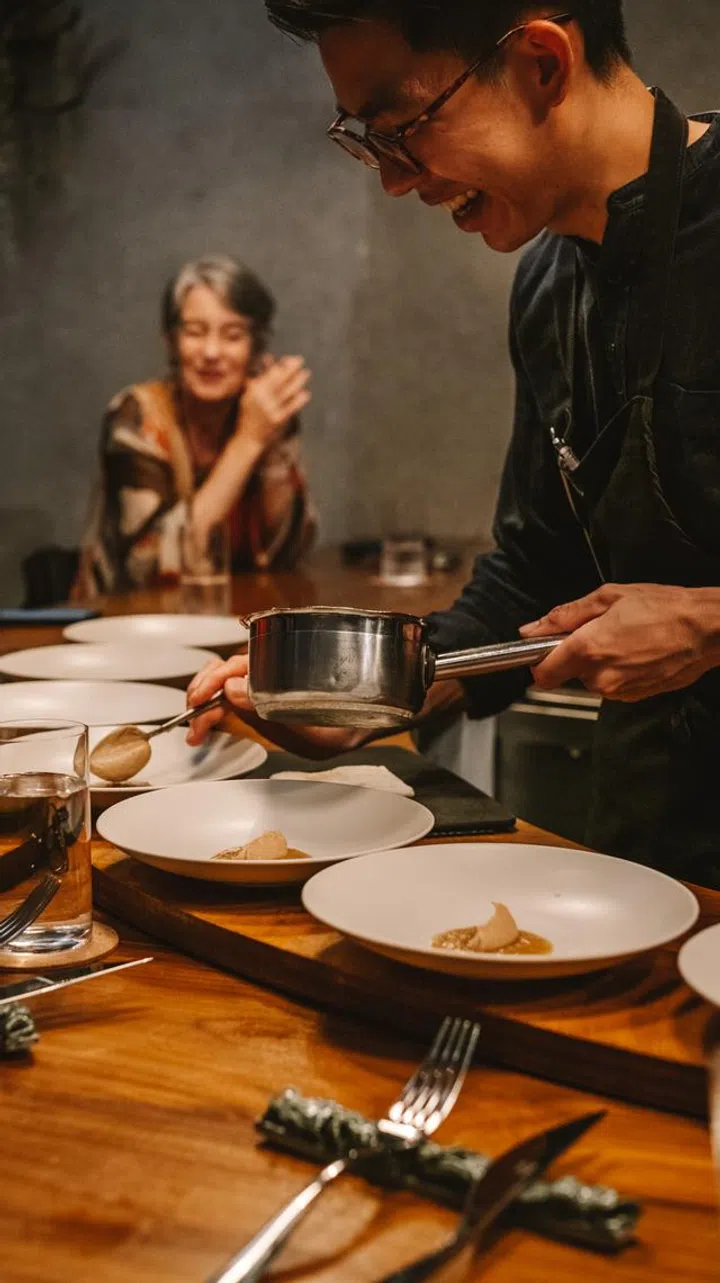
“Restaurants are living organisms, and you need to take care of them. There are always small things that can be improved every day and something that you can pass down to your team,” he muses. “It has been a fun and fulfilling journey.”
On what keeps him going despite the challenges? He says with a smile, “I realised after running a business, there’s a lot of problem-solving involved when it comes to navigating your restaurant through a turbulent market. I like to solve problems.”
Over the years, he has also found mentors, including chef Kirk Westaway of Jaan, who mentored him in the Asia final of the S.Pellegrino Young Chef Academy Competition in 2024, and chef Russell Yap of Suguru Sushiya, who helped him to better handle Japanese fish and seafood.
An advice that he found particularly helpful came from another mentor, chef Malcolm Lee, who helms two one-Michelin-starred restaurants, Candlenut and Pangium. It is the idea that a restaurant, like a person, is allowed to grow and change over time.
After spending much of his career working for chefs, Law took some time to feel comfortable in his own skin, showcasing his identity on a plate.
He recalls, “(Chef Malcolm) mentioned that finding your identity as a chef takes a lot of time. It is okay to change direction and tweak certain elements. Listening to his experience made me less anxious about going in the direction for my restaurant.”
Grooming his team
Having worked in the US, Law was exposed to the importance of sourcing quality ingredients and having a positive work culture in the kitchen. He says, “Chefs there are willing to teach, and they give you creative freedom to discover yourself as a chef while you are working.”
This ethos of having creative autonomy has become central to how he now runs his team of two other chefs, all under 30. One thing he does with them is to taste their dishes together and share feedback.
“It’s not just about whether a dish tastes good,” he explains. “It’s about learning to express what they think and articulate their ideas and execution. This will help them lead a kitchen or run a restaurant down the road.”
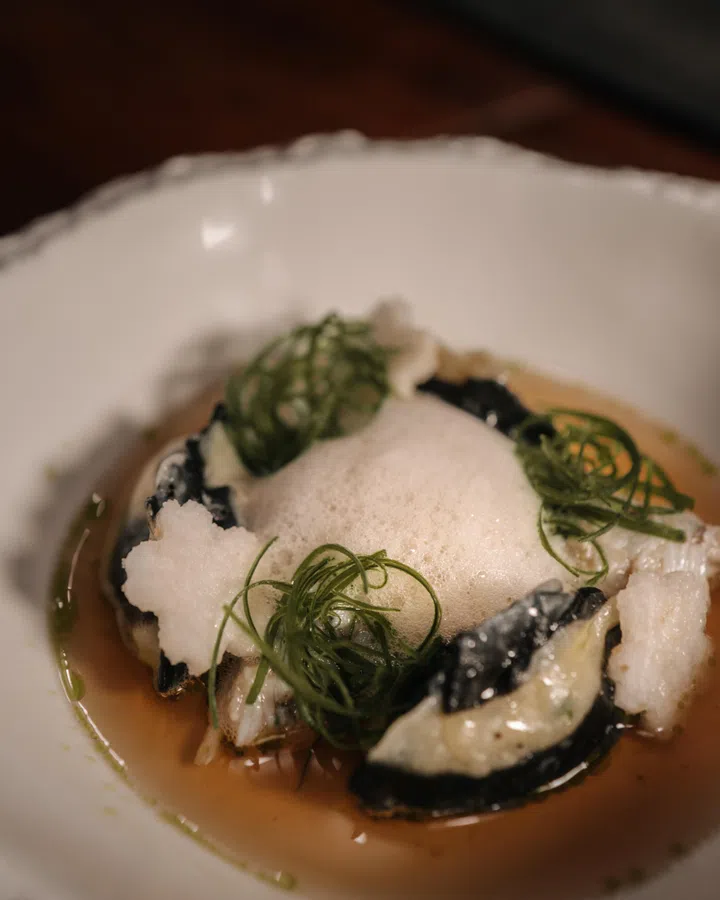
For example, 216 Wonton is inspired by sous chef Jarenn Foo’s love for wonton soup and the comfort it provided when he underwent treatment for leukaemia as a child.
The black-and-white-hued dumplings comprise Sarawak pork and shrimp, seasoned with dried flounder powder for an umami boost. The parcels are braided into culurgiones and served in a chicken-and-shiitake mushroom broth with Indonesian mud crab and pear slices.
What’s next
Running a restaurant is a passion-driven profession. “Once you lose touch, it is very difficult to get it back,” Law says. “I’m always thinking about how to improve, be more hospitable to guests in this small space.”
The dining experience at Province has also evolved over the years to a single seating at lunch and dinner. He says, “I want to take care of guests and not make them feel rushed. If they want to take a break in the middle of the meal, it is fine. It is like entertaining my friends in my place. I want the restaurant to be more personable.”
Looking ahead, Law is considering expansion — perhaps a larger space, a format that combines tasting and a la carte menus, giving diners a sense of flexibility. But these are, for now, tentative ideas. What matters more is the underlying intent of his cuisine: to create something that reflects Singapore not just in flavour, but also in spirit.