%22%3E%0A%3Cpath%20d%3D%22M412%20101.2H393.7C393.1%20101.2%20392.3%20100.9%20391.8%20100.5C377.3%2087.6004%20362.9%2074.6004%20348.4%2061.6004C344.8%2058.4004%20341.3%2055.2004%20337.7%2052.0004C337.1%2051.5004%20336.2%2051.1004%20335.5%2051.0004C334.2%2050.8004%20333%2051.0004%20331.5%2051.0004V101.1H316.7V0.100391H331.4V44.3004C331.9%2044.3004%20332.2%2044.4004%20332.5%2044.4004C334.9%2044.4004%20337.2%2044.5004%20339.6%2044.4004C340.4%2044.4004%20341.3%2044.0004%20341.8%2043.5004C351.6%2034.4004%20361.4%2025.2004%20371.1%2016.0004C376.5%2010.9004%20381.9%205.90039%20387.3%200.800391C387.9%200.200391%20388.5%200.000390626%20389.3%200.000390626H400.9C384.2%2015.8004%20367.8%2031.3004%20351.2%2047.0004C371.5%2065.0004%20391.8%2082.9004%20412.1%20100.9C412.1%20101%20412.1%20101.1%20412%20101.2ZM180.9%20101.2C184.1%2094.9004%20187.2%2088.9004%20190.3%2082.8004C198.3%2067.3004%20206.2%2051.8004%20214.2%2036.2004C220.3%2024.4004%20226.4%2012.5004%20232.4%200.700391C232.7%200.100391%20233%20-0.0996094%20233.7%20-0.0996094H248.1C248.8%20-0.0996094%20249.2%200.100391%20249.6%200.800391C256%2013.3004%20262.4%2025.7004%20268.8%2038.2004C279.3%2058.6004%20289.8%2079.0004%20300.3%2099.5004C300.5%20100%20300.8%20100.4%20301.1%20101.1C300.5%20101.1%20300.1%20101.2%20299.7%20101.2H286.5C285.6%20101.2%20285.1%20100.9%20284.7%20100.2C280.1%2091.3004%20275.4%2082.4004%20270.8%2073.4004C270.1%2072.1004%20269.3%2071.6004%20267.8%2071.6004H209.9C208.7%2071.6004%20208.1%2072.0004%20207.5%2073.1004C202.9%2082.1004%20198.2%2091.0004%20193.6%20100C193.1%20101%20192.6%20101.3%20191.5%20101.3C188.4%20101.2%20185.3%20101.3%20182.3%20101.3C182%20101.2%20181.6%20101.2%20180.9%20101.2ZM239.1%2011.4004C230%2029.2004%20221.1%2046.7004%20212.1%2064.3004H266.4C257.2%2046.7004%20248.2%2029.2004%20239.1%2011.4004ZM0%200.000390626H43.4C51.2%200.000390626%2058.7%201.20039%2065.7%204.80039C75.9%2010.0004%2078.9%2018.0004%2078.6%2027.4004C78.3%2034.3004%2076%2040.5004%2071.2%2045.5004C67.3%2049.6004%2062.4%2052.3004%2057.1%2054.3004C50.6%2056.7004%2043.9%2058.0004%2037.1%2058.6004C30.1%2059.2004%2023.1%2059.4004%2016.2%2059.7004C15.8%2059.7004%2015.3%2059.8004%2014.8%2059.8004V101.1H0.1C0%2067.4004%200%2033.8004%200%200.000390626ZM14.8%207.10039V52.2004C23.7%2052.4004%2032.6%2052.3004%2041.2%2050.1004C44.4%2049.3004%2047.6%2048.2004%2050.6%2046.7004C58.4%2043.0004%2062.3%2036.7004%2062.7%2028.0004C63%2019.9004%2059.5%2014.1004%2052.4%2010.5004C47.6%208.00039%2042.5%207.10039%2037.2%207.10039H14.8ZM95.9%20101.1V0.100391H167.3V7.20039H110.7V44.7004H158.1V51.9004H110.8V93.9004H171.1V101C146.1%20101.1%20121%20101.1%2095.9%20101.1Z%22%20fill%3D%22black%22%2F%3E%0A%3Cpath%20d%3D%22M35.0004%2025.7996H42.5004V20.6996H44.8004V33.1996H42.6004V27.5996H34.9004V33.2996H32.7004V20.7996H35.0004V25.7996ZM54.4004%2025.8996V27.2996H48.9004V31.6996H55.9004C55.9004%2032.1996%2056.0004%2032.5996%2056.0004%2033.0996H46.5004V20.5996H55.5004V21.8996H49.0004V25.7996C50.7004%2025.8996%2052.5004%2025.8996%2054.4004%2025.8996ZM25.9004%2033.0996H23.5004V21.9996H17.9004V20.6996H31.6004V22.0996H27.1004C26.2004%2022.0996%2025.9004%2022.2996%2025.9004%2023.1996C26.0004%2026.0996%2025.9004%2028.9996%2025.9004%2031.7996V33.0996Z%22%20fill%3D%22black%22%2F%3E%0A%3C%2Fg%3E%0A%3Cdefs%3E%0A%3CclipPath%20id%3D%22clip0_388_462%22%3E%0A%3Crect%20width%3D%22411%22%20height%3D%22101.2%22%20fill%3D%22white%22%2F%3E%0A%3C%2FclipPath%3E%0A%3C%2Fdefs%3E%0A%3C%2Fsvg%3E%0A)
Dining with dignity: How restaurateur-philanthropist Raymond Khoo uses one passion to power another
For the past 16 years, Raymond Khoo has been supporting the elderly and lower-income families with free meals in Lengkok Bahru, while using his food ventures, such as The Peranakan Club, to uphold his belief that everyone should be given a fair chance.
By Karen Fong /
Share this article
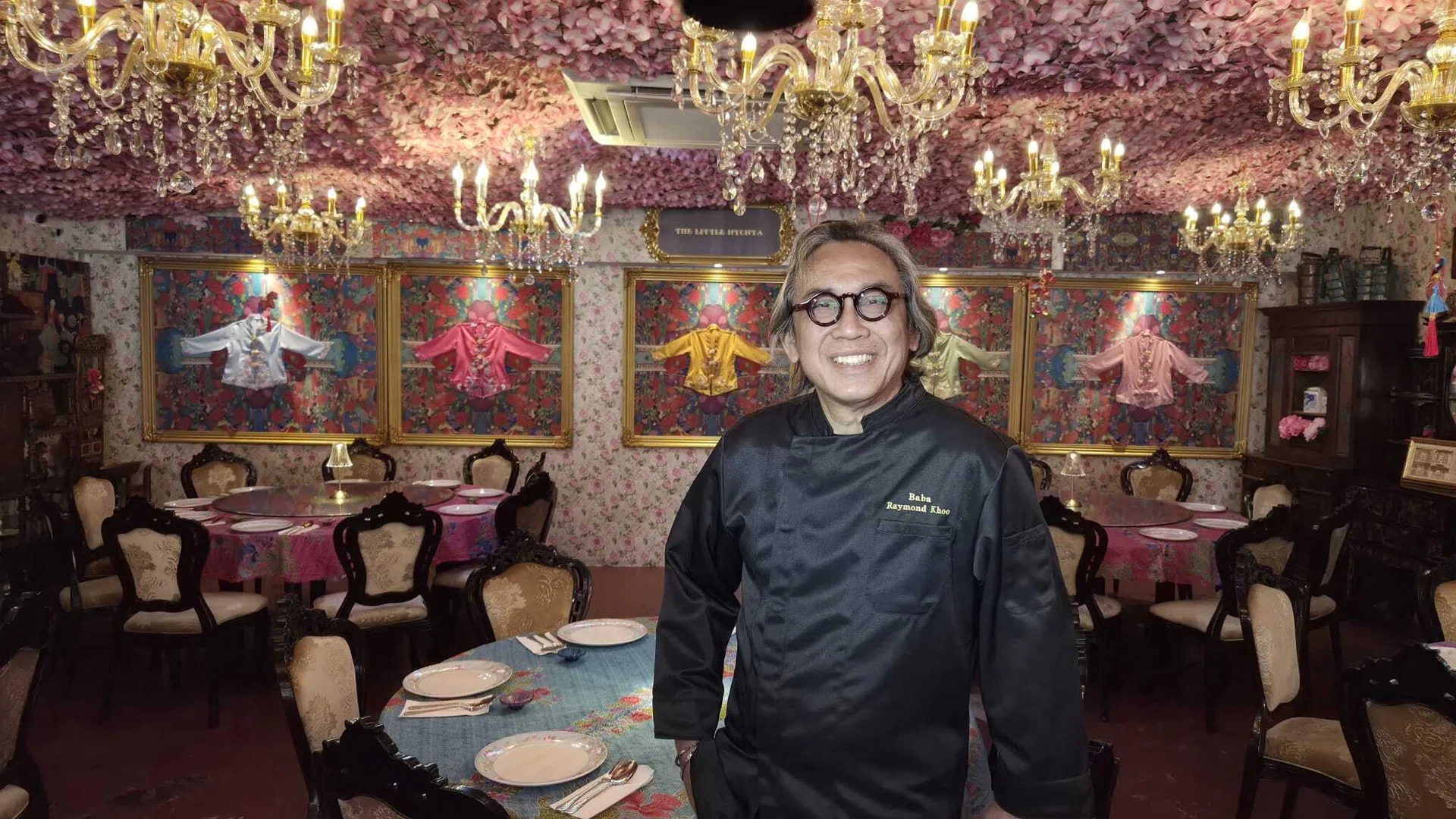
Raymond Khoo has spent almost 40 years in the F&B industry, from working at his father’s bowling alley in Malacca at 21 to running The Peranakan Club restaurant, which opened at Orchard Towers in February this year.
While he had initially been “employed” at the bowling alley, he was drawn to the cafe and its food. Though not a trained chef, the 62-year-old had a passion for cooking using Peranakan recipes passed down by his mother, grandmother, and godmother.
But it wasn’t just a love for food that he inherited from his family; it was a love of people. His grandfather, the late Reverend Khoo Siaw Hua, was Singapore’s first prison chaplain. “He used to have this two-storey house on King’s Road, where he lived on the upper level and the ground level would function like a halfway house,” Khoo recalls. “He would help all these ex-prisoners, and I suppose that rubbed off on me.”
Khoo remembers following his grandfather to Redhill Market as a primary school student. “There were all these topless, sweaty guys working there,” he says, “with tattoos everywhere.” But Khoo’s grandfather emphasised their sameness.
“If you pinch them, or you pinch yourself, the pain is the same. So treat everybody equally. That really grounded me — that everybody should be given a fair chance.” The impact on Khoo has continued. He has made it a point to employ ex-cons and, in many instances, their families in his businesses.
Bringing business and charity together
Khoo’s career as a restaurateur has spanned 40 years across Singapore and Malaysia. In the late 1990s, he worked as food and beverage director for Tung Lok Group, then went on to set up a series of Hong Kong dessert cafes, and in 2000, started Solutions 17 to provide lifestyle consultancy services, counting the Park Regis Hotel, Singapore Turf Club, and Galaxy Hotel in Macau as clients.
Throughout, he has remained committed to hiring ex-convicts, single mothers, the elderly, and those with special needs.
Sometimes Khoo also finds himself playing the role of counsellor, in addition to being an employer, when staff have to wrestle with big decisions, such as whether to stay in Singapore or leave work to care for sick kids.
Many of them are on part-time rates to keep their government assistance, and he makes it a point to pay single mothers even when they are absent to care for their children. “So we tend to over-employ,” Khoo explains. “Sometimes we’ve got six or seven people working; sometimes we only have two.”
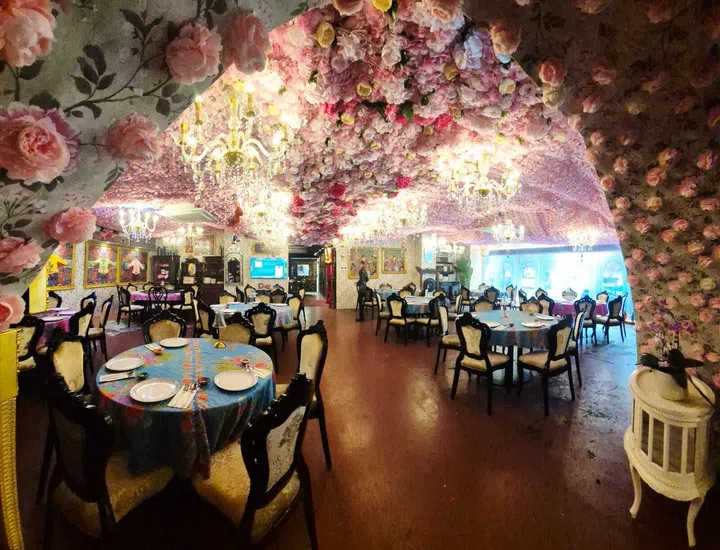
The oversupply of staff was one of the reasons Khoo moved The Peranakan Club from its Claymore Connect location to Orchard Towers in February. The 5,000 sq ft restaurant-social enterprise allows Khoo to fulfil two passions. One is to showcase Peranakan culture and heritage, and the other is to help cover the costs of running his charities. It’s a tribute to Khoo’s love for the food and culture.
Kerosongs and traditional furniture make up the decor, while colourful Peranakan motifs decorate the walls and tablecloths. The menu features traditional fare such as nasi ulam dulu kala and ayam buah kuluak, both from Khoo’s family recipes.

For employees, there is a sense of pride that comes with working in the restaurant, and Khoo can see it in action. He makes it a point to invite their families to come dine at the restaurant at least once. It allows them to see how far the employee has come in their rehabilitative journey and can lead to some happy reunions.
“Usually when someone comes out of prison, the families will think they are ‘bad luck’ or ‘sia suay’,” Khoo explains. “But when their families come here and see what a nice, stable place their father is working in — especially the children — they encourage the father to come back and live with them. So we’ve really helped families get back together.”
He also employs older Singaporeans who have trouble finding jobs. One such person is Rajan, the bartender at The Peranakan Club’s The Kebaya Bar. “He’s 71 years old and used to work for us about 10 years ago,” he says.
“He started his career at the Cairnhill Hotel almost 50 years ago. Honestly, we just leave him to it, and he gets the job done.” He also reveals that many of The Peranakan Club’s customers come to the restaurant via the bar to try its Peranakan-style cocktails.
A community formed around food
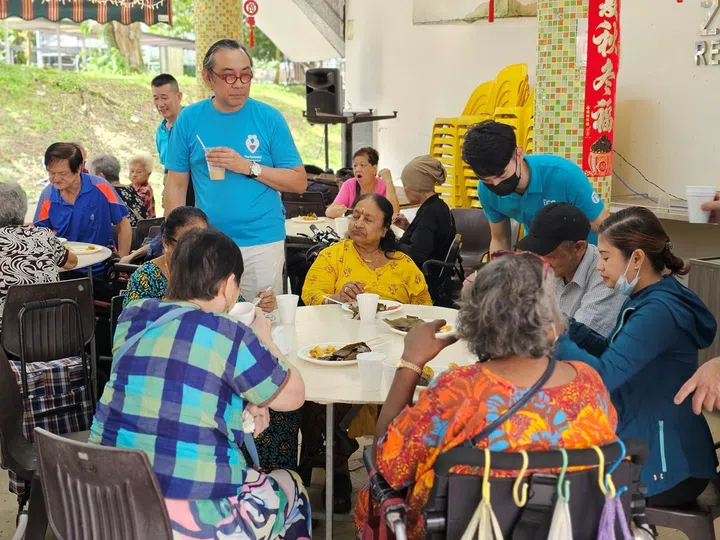
In 2011, Khoo began Saturdays@Lengkok Bahru, a volunteer initiative to help the elderly living in rental flats in the area, many of whom have been abandoned by their families. In a privileged country like Singapore, where parents rent homes to get their children into a more prestigious primary school, it’s not a level of poverty Singaporeans are used to seeing.
Khoo recalls once bringing a group of students from a prestigious school to volunteer, which brought them to tears (and resulted in phone calls from irate parents).
“A lot of this pioneer (generation) got jobs, bought an HDB (Housing Development Board) flat, and had a family. The problems start when their children grow up and want a bigger house. Sometimes they take the money and disappear, or they buy a house and say their spouses can’t get along with (them). Some barely see their parents once or twice a year.”
He mentions a recent conflict between an old lady he cares for and her late husband’s family. “I have known this couple for almost 16 years, since we first started volunteering,” he says.
“They’ve been together for the last 40 years, but after he passed away, there was a big commotion because his children came and ransacked the house, taking all the money and jewellery. We found out the woman was not his legal wife, but his children, whom I had never met in all these years, wanted to come in and take everything.” Khoo threatened to call the police.
Now registered as a self-funded non-profit charity, The Saturday Movement, Khoo and his volunteers help approximately 600 elderly and poor in the area by providing meals and dry rations. He cares very deeply for the community. “We fill in gaps, not just in terms of food but also just making sure everybody’s okay. In some instances, we will hear someone isn’t well and get a nurse to come and check on them,” he says.
Serving those who need it most
During the pandemic lockdown, when government advice was to stay home, Khoo worried about how those he cared for through The Saturday Movement would get food. “We had a kitchen, and so I thought, why don’t we cook them lunch and dinner?” To comply with social distancing rules, he and just seven volunteers delivered food door-to-door spanning eight HDB blocks. “I had never been more physically fit,” Khoo adds with a laugh.
When Covid-19 restrictions were lifted, he decided he wanted to do more. He saw that a coffee shop space was available to rent and decided this would be an ideal solution. This became S17 Community Kitchen, which opened in November 2020. “People can come and eat whatever time they want, and everyone can get a choice of beef, chicken, fish, and two sides. And the food will be hot.”
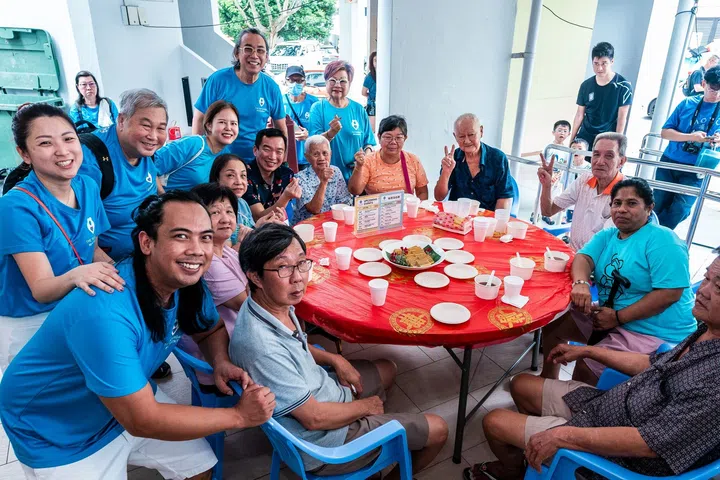
The community kitchen also supports the weekly Saturday buffet lunches and get-togethers organised by The Saturday Movement. “We cater a buffet lunch to about 150 people, and celebrate events like Chinese New Year with them, too,” says Khoo, noting that about 70 per cent of the attendees are Chinese.
He also includes domestic workers among those he feeds because many of them, who care for the elderly, are not being paid properly. “So, at least they get two good meals,” he says.
The work has not been without its difficulties — neighbours in the more affluent parts of the area have complained, he has had to watch out for wannabe volunteers with insincere motives, and even weathered complaints from those he helps. But he doesn’t see their demands as demoralising or off-putting.
“The majority of the elderly have been abandoned, so sometimes you have to put yourself in their shoes, and then you’ll understand how tough it is for them.”
Most importantly, Khoo is proud that since he began organising these events, there have been zero elderly suicides in Lengkok Bahru. With suicides amongst the older demographic high, this is quite an achievement. For Khoo, it’s firm proof that everything he and his volunteers do is worth it. He highlights that their motto is “unconditional love,” which underscores everything from The Peranakan Club to S17 Community Kitchen.
“We look at the bigger picture. When (the elderly) come to our events on Saturdays, they are happy, dress up, make the effort, and enjoy their time together. They’ve found their family.”
On August 15, The Saturday Movement will host its annual Charity Gala Dinner, where renowned Peranakan chefs from Thailand, Indonesia, Malaysia, and Singapore will come together to present a curated menu. For more details on how to book a table, click here.