%22%3E%0A%3Cpath%20d%3D%22M412%20101.2H393.7C393.1%20101.2%20392.3%20100.9%20391.8%20100.5C377.3%2087.6004%20362.9%2074.6004%20348.4%2061.6004C344.8%2058.4004%20341.3%2055.2004%20337.7%2052.0004C337.1%2051.5004%20336.2%2051.1004%20335.5%2051.0004C334.2%2050.8004%20333%2051.0004%20331.5%2051.0004V101.1H316.7V0.100391H331.4V44.3004C331.9%2044.3004%20332.2%2044.4004%20332.5%2044.4004C334.9%2044.4004%20337.2%2044.5004%20339.6%2044.4004C340.4%2044.4004%20341.3%2044.0004%20341.8%2043.5004C351.6%2034.4004%20361.4%2025.2004%20371.1%2016.0004C376.5%2010.9004%20381.9%205.90039%20387.3%200.800391C387.9%200.200391%20388.5%200.000390626%20389.3%200.000390626H400.9C384.2%2015.8004%20367.8%2031.3004%20351.2%2047.0004C371.5%2065.0004%20391.8%2082.9004%20412.1%20100.9C412.1%20101%20412.1%20101.1%20412%20101.2ZM180.9%20101.2C184.1%2094.9004%20187.2%2088.9004%20190.3%2082.8004C198.3%2067.3004%20206.2%2051.8004%20214.2%2036.2004C220.3%2024.4004%20226.4%2012.5004%20232.4%200.700391C232.7%200.100391%20233%20-0.0996094%20233.7%20-0.0996094H248.1C248.8%20-0.0996094%20249.2%200.100391%20249.6%200.800391C256%2013.3004%20262.4%2025.7004%20268.8%2038.2004C279.3%2058.6004%20289.8%2079.0004%20300.3%2099.5004C300.5%20100%20300.8%20100.4%20301.1%20101.1C300.5%20101.1%20300.1%20101.2%20299.7%20101.2H286.5C285.6%20101.2%20285.1%20100.9%20284.7%20100.2C280.1%2091.3004%20275.4%2082.4004%20270.8%2073.4004C270.1%2072.1004%20269.3%2071.6004%20267.8%2071.6004H209.9C208.7%2071.6004%20208.1%2072.0004%20207.5%2073.1004C202.9%2082.1004%20198.2%2091.0004%20193.6%20100C193.1%20101%20192.6%20101.3%20191.5%20101.3C188.4%20101.2%20185.3%20101.3%20182.3%20101.3C182%20101.2%20181.6%20101.2%20180.9%20101.2ZM239.1%2011.4004C230%2029.2004%20221.1%2046.7004%20212.1%2064.3004H266.4C257.2%2046.7004%20248.2%2029.2004%20239.1%2011.4004ZM0%200.000390626H43.4C51.2%200.000390626%2058.7%201.20039%2065.7%204.80039C75.9%2010.0004%2078.9%2018.0004%2078.6%2027.4004C78.3%2034.3004%2076%2040.5004%2071.2%2045.5004C67.3%2049.6004%2062.4%2052.3004%2057.1%2054.3004C50.6%2056.7004%2043.9%2058.0004%2037.1%2058.6004C30.1%2059.2004%2023.1%2059.4004%2016.2%2059.7004C15.8%2059.7004%2015.3%2059.8004%2014.8%2059.8004V101.1H0.1C0%2067.4004%200%2033.8004%200%200.000390626ZM14.8%207.10039V52.2004C23.7%2052.4004%2032.6%2052.3004%2041.2%2050.1004C44.4%2049.3004%2047.6%2048.2004%2050.6%2046.7004C58.4%2043.0004%2062.3%2036.7004%2062.7%2028.0004C63%2019.9004%2059.5%2014.1004%2052.4%2010.5004C47.6%208.00039%2042.5%207.10039%2037.2%207.10039H14.8ZM95.9%20101.1V0.100391H167.3V7.20039H110.7V44.7004H158.1V51.9004H110.8V93.9004H171.1V101C146.1%20101.1%20121%20101.1%2095.9%20101.1Z%22%20fill%3D%22black%22%2F%3E%0A%3Cpath%20d%3D%22M35.0004%2025.7996H42.5004V20.6996H44.8004V33.1996H42.6004V27.5996H34.9004V33.2996H32.7004V20.7996H35.0004V25.7996ZM54.4004%2025.8996V27.2996H48.9004V31.6996H55.9004C55.9004%2032.1996%2056.0004%2032.5996%2056.0004%2033.0996H46.5004V20.5996H55.5004V21.8996H49.0004V25.7996C50.7004%2025.8996%2052.5004%2025.8996%2054.4004%2025.8996ZM25.9004%2033.0996H23.5004V21.9996H17.9004V20.6996H31.6004V22.0996H27.1004C26.2004%2022.0996%2025.9004%2022.2996%2025.9004%2023.1996C26.0004%2026.0996%2025.9004%2028.9996%2025.9004%2031.7996V33.0996Z%22%20fill%3D%22black%22%2F%3E%0A%3C%2Fg%3E%0A%3Cdefs%3E%0A%3CclipPath%20id%3D%22clip0_388_462%22%3E%0A%3Crect%20width%3D%22411%22%20height%3D%22101.2%22%20fill%3D%22white%22%2F%3E%0A%3C%2FclipPath%3E%0A%3C%2Fdefs%3E%0A%3C%2Fsvg%3E%0A)
Share this article
If the last thing you want from your Tokyo itinerary is to return home frazzled, do as the locals have done for generations — and retreat into the onsen town of Ito in the tranquil Izu Peninsula. It may well turn out to be one of the most memorable onsen escapes near Tokyo.
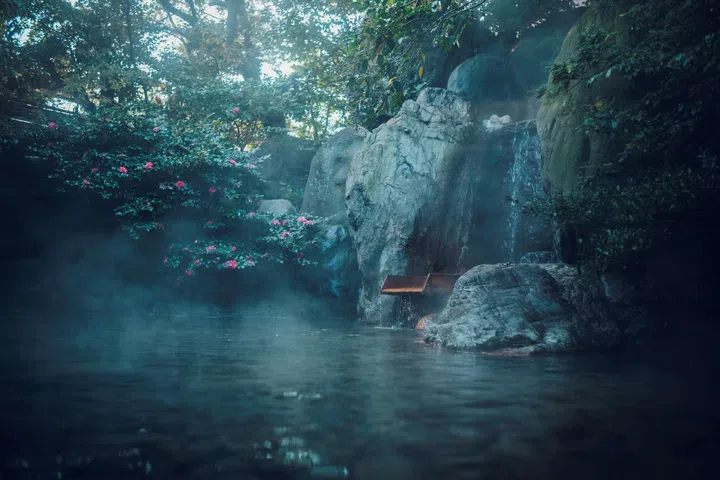
Lying southwest of the heaving capital, this seaside enclave feels worlds away from Tokyo’s neon rush. Here, steam drifts from open-air baths, camellia trees bloom in winter, the artistry of kaiseki dining blows the mind, and the day’s rhythm slows to the pace of an onsen soak.
And the experience doesn’t get more authentic and accessible than at Hoshino Resorts’ KAI Ito. This is where Tokyo goes to exhale.
1. Hidden gem within a treasure
Despite its proximity to Tokyo, the Izu Peninsula remains surprisingly under the radar. For international visitors, the default onsen detour from Tokyo is usually Hakone, famous for its views of Mount Fuji and convenient rail access.
A half-hour drive south from Hakone takes you into the Izu Peninsula, which by comparison, is relatively untouched by mass tourism. Reaching down into the Pacific Ocean, the region is defined by mild weather, rugged coastlines, volcanic hills, fishing villages, and long-established onsen towns such as Ito.
Among the many ryokans, KAI Ito stands out as one of the finest — for reinterpreting classic onsen culture with the contemporary luxury hospitality that Hoshino Resorts is renowned for.
2. Less than 2h from Tokyo
One of the greatest appeals of Ito is how effortlessly you can get there, which is why it has long been a favourite onsen weekend escape for Tokyo residents.
All it takes is a 50min ride on Tokaido Shinkansen from Tokyo Station to Atami, followed by a 25min transfer on the JR Ito Line. There are also direct daily Limited Express Odoriko and premium Saphir Odoriko services, which take between 1h40min to 2h, that run from Tokyo Station to Ito Station.
The journey itself begins the slow unwinding. High-rise skylines gradually give way to coastal scenery as the train curves along Sagami Bay, revealing glimpses of fishing ports and forested hills. Upon arrival in Ito, a 3min taxi ride or 10min walk on flat ground takes you to KAI Ito, which is situated in the heart of town.
Those who prefer self-driving would also have an unhurried, easy-to-navigate trip of just over 2h from Haneda Airport.
3. Classic onsen meets modern luxury
Part of the KAI brand by Hoshino Resorts, a collection of hotspring inns across Japan, this Ito property stands out as an oasis of restraint elegance amid the swathes of unassuming local architecture.
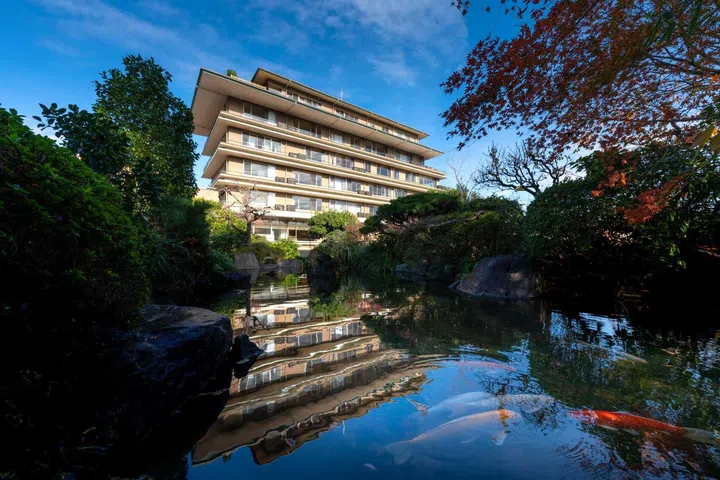
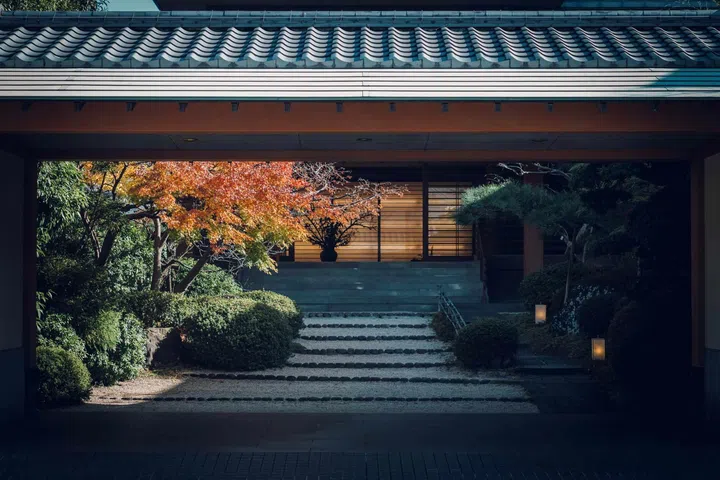
Having undergone a comprehensive renovation and reopened in 2018, the ryokan dating back to 1912 allows modern travellers to feel right at home immediately. Evoking the classicism of a traditional ryokan, the manicured garden entrance opens into an airy, minimalist lobby that sets a restful tone for the rest of the sand-hued seven-storey building.
While mid-sized, the property’s footprint seems larger than most town-based inns, boasting a lovely Japanese garden and a swimming pool among other outdoor amenities.
4. Restorative haven for mind and body
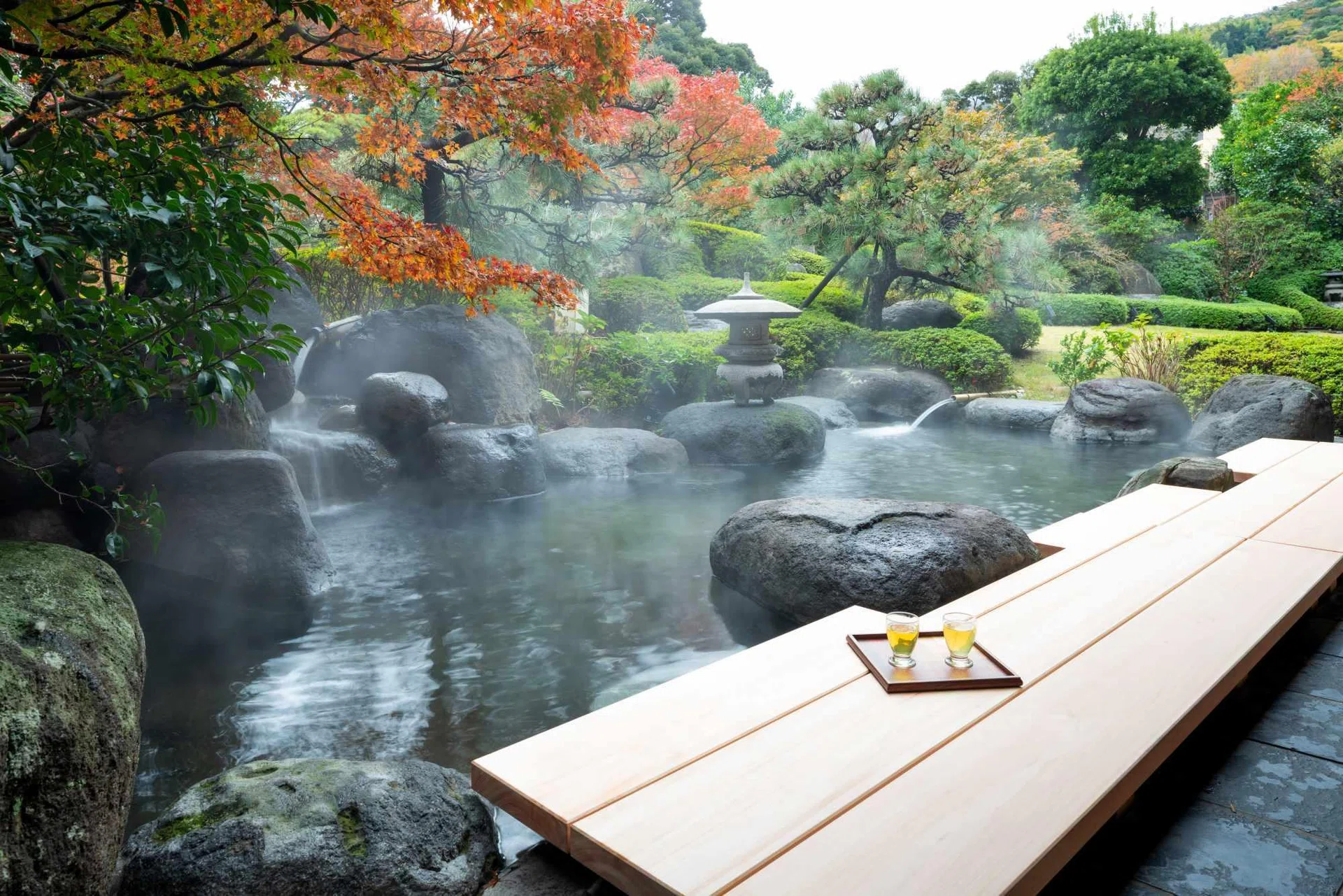
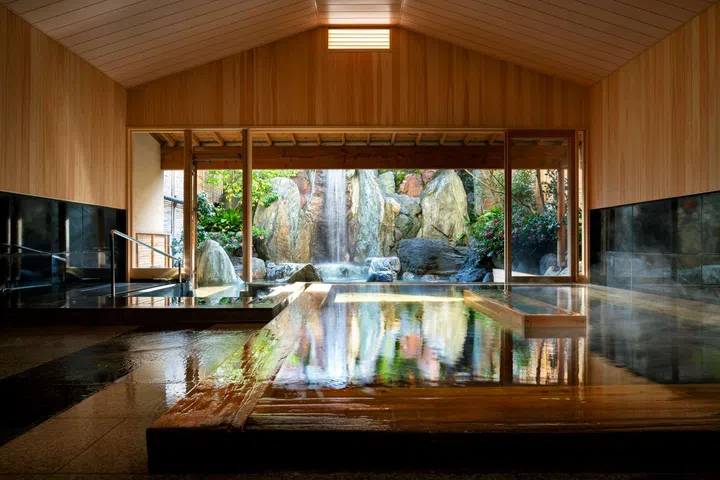
Indeed, the ground-floor facilities are the showstoppers for KAI Ito. The male and female public baths feature outdoor rock pools and Cypress wood-lined indoor pools and cold tubs.
Thanks to Ito’s sheer abundance of clear and scent-less hotspring water flowing directly from four local sources, guests can take unhurried soaks that will go a long way in easing muscle fatigue and improving circulation. Moreover, it is believed that the unique calcium-sodium chloride-sulphate mineral composition of the water helps to retain heat on the skin.
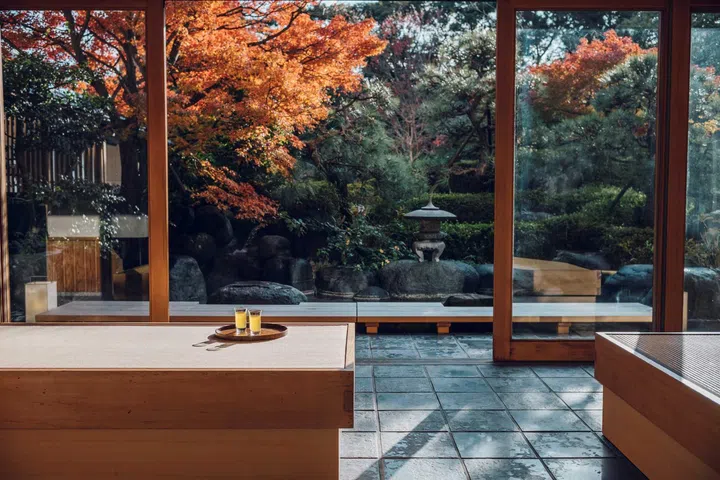
As part of the post-onsen ritual to cool down your body, you’d have a choice of soaking your feet in an open-air landscaped footbath or resting in air-conditioned comfort within the Yuagari Lounge. Sip on tea or savour fruit ice lollies as you take in the full glory of the traditional garden stretching beyond your line of sight.
A delight for the senses, the exquisite garden is lined with walking paths, a koi pond supplied with feed for the fish, sculptures, and teeming fruit and flowering trees. Look out for endemic birds, large amanatsu oranges hanging from branches, azaleas, and hydrangeas. While the plot is modestly sized, a leisurely wander can easily take half an hour.
5. A splendid array of coastal cuisine
Meals at KAI Ito are an exercise in seasonal storytelling. Lavish and proudly local, they draw heavily from the fresh produce of the Izu Peninsula.
The variety is simply mind-boggling. Apart from the region’s prized kinmedai (golden eye snapper), Ise lobster, and abalone, there is also plenty of seafood ranging from squid and horse mackerel to whitebait, shrimp, and sardines. Depending on when you visit, you might also see delicacies like conger eel and sea urchin on the menu.
The region also produces excellent land ingredients, from mountain-grown wasabi and yam to a type of native curled-leaf green tea called guricha and varieties of summer citruses.
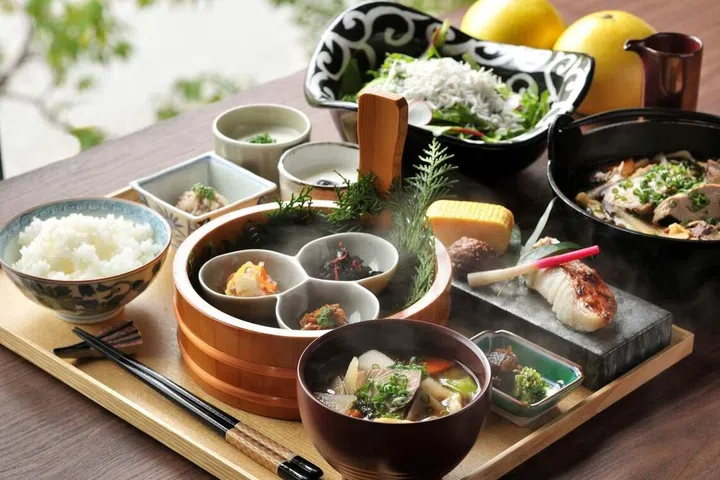
Imagine starting your day with 13 or 14 small dishes that go beyond breakfast bento classics. In addition to dashi rolled egg and home-made tofu, you can expect simmered beef shigureni, a hearty soup, and five seafood-based dishes.
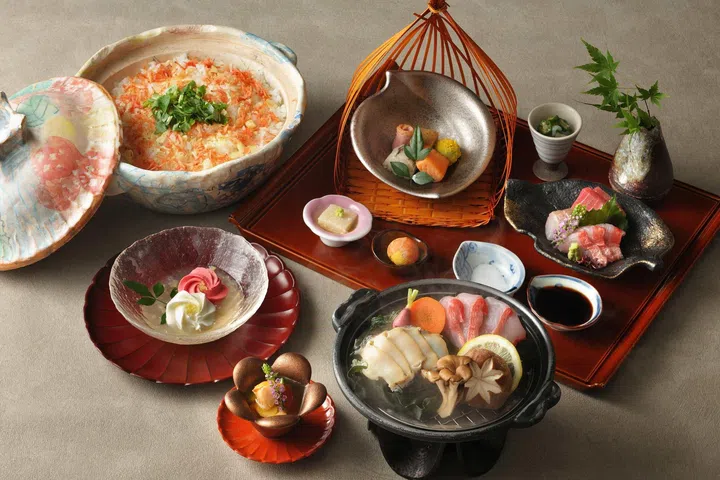
The daily kaiseki dinners are sheer extravaganzas. Typically eight courses comprising as many as 20 individual dishes, guests are treated to a full repertoire of the freshest ingredients and the chef’s culinary skills. There will be a few delightful fusion-style exceptions to a mainly classical Japanese meal, such as roast duck, corn mochi with foie gras, and cauliflower puree with salmon roe.
All seating in the main restaurant Kaito is semi-private with partition walls, but the ambience is convivial and relaxed, striking the sweet spot between being formal and too casual.
6. Every reason to stay in
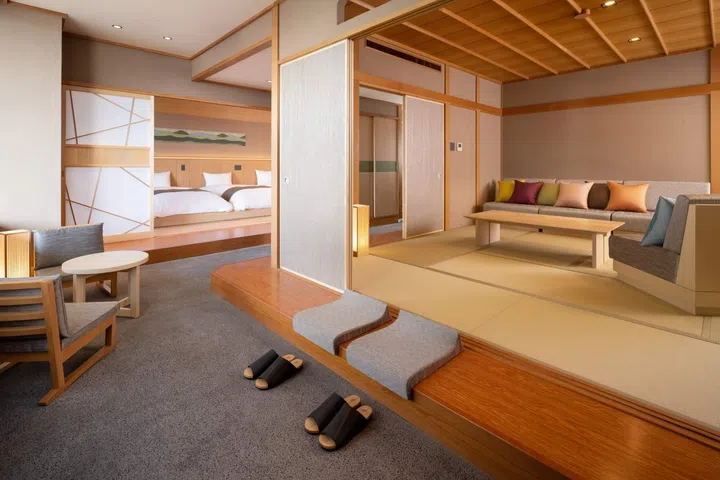
All 30 guest rooms at KAI Ito follow the traditional ryokan aesthetic, with tatami floors, sliding screens, low seating arranged around a tea table, and decorative accents showcasing the theme of Izu Peninsula’s seasonal flowers and plants.
Take a minute to appreciate the hanagoyomi screens dyed and woven by a local artist, and lantern-style lighting, also designed by a paper cut-out artist, that changes in floral motifs according to the seasons.
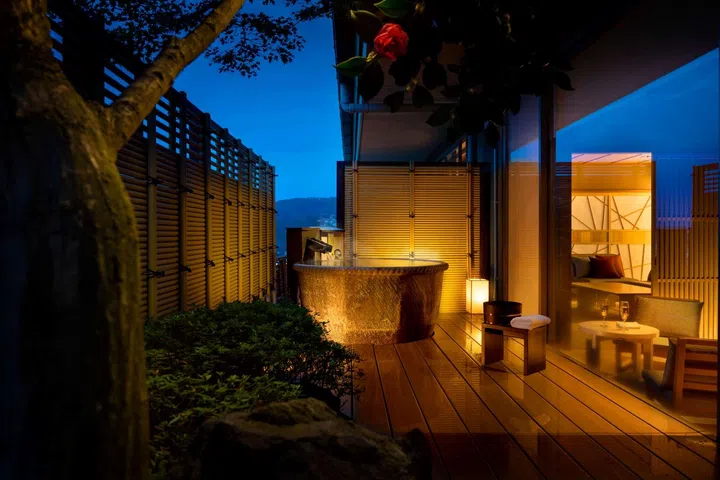
The real stars are the ultra-plush futon mattresses, all laid out on raised platforms for easier access, and indoor hotspring tubs. Certain room categories also come with luxurious outdoor baths set within mini gardens. There are two rooms that can accommodate up to eight, and one special room featuring the local traditional craft of tsurushikazari (hanging colourful china ornaments) that honours the longevity and health of children.
While all modern comforts are provided, it is worth noting that there is a full suite of bathroom amenities as well as yukata sets and slippers (that you could wear around town), so you never need to worry about packing for the trip.
7. The camellia connection
The red camellia flower, which thrives in the peninsula’s mild coastal climate, has long been a symbol of Ito. Here, the bloom is woven into the guest experience through cultural activities.
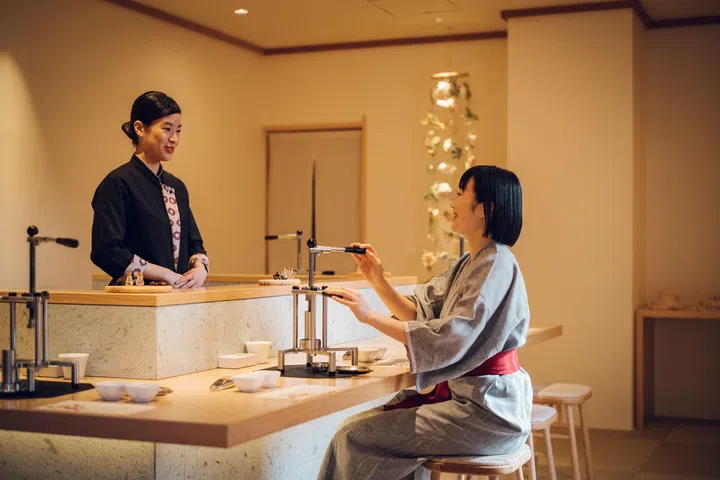
At an activity room in the lobby, guests try their hand at traditional pressing of camellia seeds for a light, highly absorbent oil, which is a potent beauty ingredient used in Japan since the Edo period. Remember tsubaki oil? Yes, this is it — and the town’s most iconic souvenir.
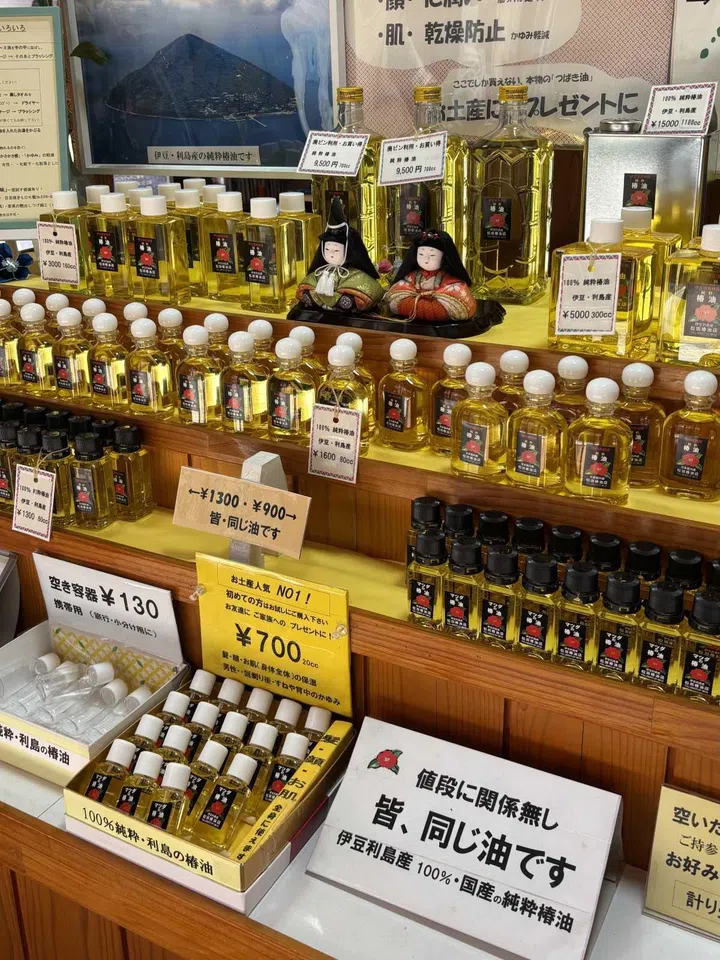
Should you like to take home some, head for a speciality store in Yunohana-dori Shopping Street just a 10min walk away. This 90-year-old institution is one of the last surviving shops of its kind, and sources its oil directly from the camellia groves of Izu Oshima, a nearby island long famed for producing Japan’s famous tsubaki oil.
8. Small-town dining and shopping
Your jaunt along this nostalgic, low-key shopping drag will also be rewarded by traditional sweet and snack makers, seafood restaurants, and small shops selling anything from guricha and sun-dried seafood to clothing.
Having a rented car opens up the striking sights of nearby Mount Omuro, an extinct volcano whose perfectly rounded slopes rise above the coastal landscape, and the dramatic lava cliffs and photogenic trails of the Jogasaki Coast. And a 20min drive south is the Izu-Kogen district, which offers a cluster of small museums, craft galleries, and cafes tucked into the wooded hills.
You certainly don’t have to venture beyond KAI Ito to fully indulge in a wellness retreat, but making this stopover from Tokyo opens up future opportunities to explore the peninsula. Chances are, the delights of this onsen ryokan — and the wider region — will draw you back again.