%22%3E%0A%3Cpath%20d%3D%22M412%20101.2H393.7C393.1%20101.2%20392.3%20100.9%20391.8%20100.5C377.3%2087.6004%20362.9%2074.6004%20348.4%2061.6004C344.8%2058.4004%20341.3%2055.2004%20337.7%2052.0004C337.1%2051.5004%20336.2%2051.1004%20335.5%2051.0004C334.2%2050.8004%20333%2051.0004%20331.5%2051.0004V101.1H316.7V0.100391H331.4V44.3004C331.9%2044.3004%20332.2%2044.4004%20332.5%2044.4004C334.9%2044.4004%20337.2%2044.5004%20339.6%2044.4004C340.4%2044.4004%20341.3%2044.0004%20341.8%2043.5004C351.6%2034.4004%20361.4%2025.2004%20371.1%2016.0004C376.5%2010.9004%20381.9%205.90039%20387.3%200.800391C387.9%200.200391%20388.5%200.000390626%20389.3%200.000390626H400.9C384.2%2015.8004%20367.8%2031.3004%20351.2%2047.0004C371.5%2065.0004%20391.8%2082.9004%20412.1%20100.9C412.1%20101%20412.1%20101.1%20412%20101.2ZM180.9%20101.2C184.1%2094.9004%20187.2%2088.9004%20190.3%2082.8004C198.3%2067.3004%20206.2%2051.8004%20214.2%2036.2004C220.3%2024.4004%20226.4%2012.5004%20232.4%200.700391C232.7%200.100391%20233%20-0.0996094%20233.7%20-0.0996094H248.1C248.8%20-0.0996094%20249.2%200.100391%20249.6%200.800391C256%2013.3004%20262.4%2025.7004%20268.8%2038.2004C279.3%2058.6004%20289.8%2079.0004%20300.3%2099.5004C300.5%20100%20300.8%20100.4%20301.1%20101.1C300.5%20101.1%20300.1%20101.2%20299.7%20101.2H286.5C285.6%20101.2%20285.1%20100.9%20284.7%20100.2C280.1%2091.3004%20275.4%2082.4004%20270.8%2073.4004C270.1%2072.1004%20269.3%2071.6004%20267.8%2071.6004H209.9C208.7%2071.6004%20208.1%2072.0004%20207.5%2073.1004C202.9%2082.1004%20198.2%2091.0004%20193.6%20100C193.1%20101%20192.6%20101.3%20191.5%20101.3C188.4%20101.2%20185.3%20101.3%20182.3%20101.3C182%20101.2%20181.6%20101.2%20180.9%20101.2ZM239.1%2011.4004C230%2029.2004%20221.1%2046.7004%20212.1%2064.3004H266.4C257.2%2046.7004%20248.2%2029.2004%20239.1%2011.4004ZM0%200.000390626H43.4C51.2%200.000390626%2058.7%201.20039%2065.7%204.80039C75.9%2010.0004%2078.9%2018.0004%2078.6%2027.4004C78.3%2034.3004%2076%2040.5004%2071.2%2045.5004C67.3%2049.6004%2062.4%2052.3004%2057.1%2054.3004C50.6%2056.7004%2043.9%2058.0004%2037.1%2058.6004C30.1%2059.2004%2023.1%2059.4004%2016.2%2059.7004C15.8%2059.7004%2015.3%2059.8004%2014.8%2059.8004V101.1H0.1C0%2067.4004%200%2033.8004%200%200.000390626ZM14.8%207.10039V52.2004C23.7%2052.4004%2032.6%2052.3004%2041.2%2050.1004C44.4%2049.3004%2047.6%2048.2004%2050.6%2046.7004C58.4%2043.0004%2062.3%2036.7004%2062.7%2028.0004C63%2019.9004%2059.5%2014.1004%2052.4%2010.5004C47.6%208.00039%2042.5%207.10039%2037.2%207.10039H14.8ZM95.9%20101.1V0.100391H167.3V7.20039H110.7V44.7004H158.1V51.9004H110.8V93.9004H171.1V101C146.1%20101.1%20121%20101.1%2095.9%20101.1Z%22%20fill%3D%22black%22%2F%3E%0A%3Cpath%20d%3D%22M35.0004%2025.7996H42.5004V20.6996H44.8004V33.1996H42.6004V27.5996H34.9004V33.2996H32.7004V20.7996H35.0004V25.7996ZM54.4004%2025.8996V27.2996H48.9004V31.6996H55.9004C55.9004%2032.1996%2056.0004%2032.5996%2056.0004%2033.0996H46.5004V20.5996H55.5004V21.8996H49.0004V25.7996C50.7004%2025.8996%2052.5004%2025.8996%2054.4004%2025.8996ZM25.9004%2033.0996H23.5004V21.9996H17.9004V20.6996H31.6004V22.0996H27.1004C26.2004%2022.0996%2025.9004%2022.2996%2025.9004%2023.1996C26.0004%2026.0996%2025.9004%2028.9996%2025.9004%2031.7996V33.0996Z%22%20fill%3D%22black%22%2F%3E%0A%3C%2Fg%3E%0A%3Cdefs%3E%0A%3CclipPath%20id%3D%22clip0_388_462%22%3E%0A%3Crect%20width%3D%22411%22%20height%3D%22101.2%22%20fill%3D%22white%22%2F%3E%0A%3C%2FclipPath%3E%0A%3C%2Fdefs%3E%0A%3C%2Fsvg%3E%0A)
From rice to rare: Sake’s ascent in the fine-dining world
Rare, meticulously crafted, and often boundary-pushing, ultra-premium sake is increasingly beloved by the haute cuisine world for its natural versatility and exceptional quality.
By Ben Chin /
Share this article
There’s premium sake, and then there’s ultra-premium sake. Once reserved for traditionally Japanese spaces like ryotei and kappō counters, these rare, meticulously crafted bottles are now appearing in fine-dining restaurants in Singapore, London, and other dining capitals.
Sake has even found its way to space — Dassai is attempting to brew the world’s first sake on the International Space Station. Needless to say, the price tag on the Dassai Moon is astronomical; only one bottle is made, priced at 110 million yen ($934,000), with proceeds going to Japanese space development projects.
Closer to earth, highly sought-after cult releases from heritage producers such as Niizawa Brewery and Takagi Shuzo are also commanding near-stratospheric prices. Together, they reflect a broader trend: a growing global thirst for sake, combined with a concerted push to position it alongside fine wines and spirits.
What makes these sake ultra-premium? “It’s a very loosely-defined category,” explains Omu Nomu’s chef-owner and sake sommelier Gerard Alexis. “Ultra-premium sake is generally distinguished by exceptionally high polishing ratio, rarity, and often, a disproportionate amount of time and resources, such as rice, to make it.”
Conventionally, premium sake is dictated by how much of the rice grain brewers are willing to polish away in pursuit of its shinpaku, the starchy core prized for producing clean, elegant flavours.
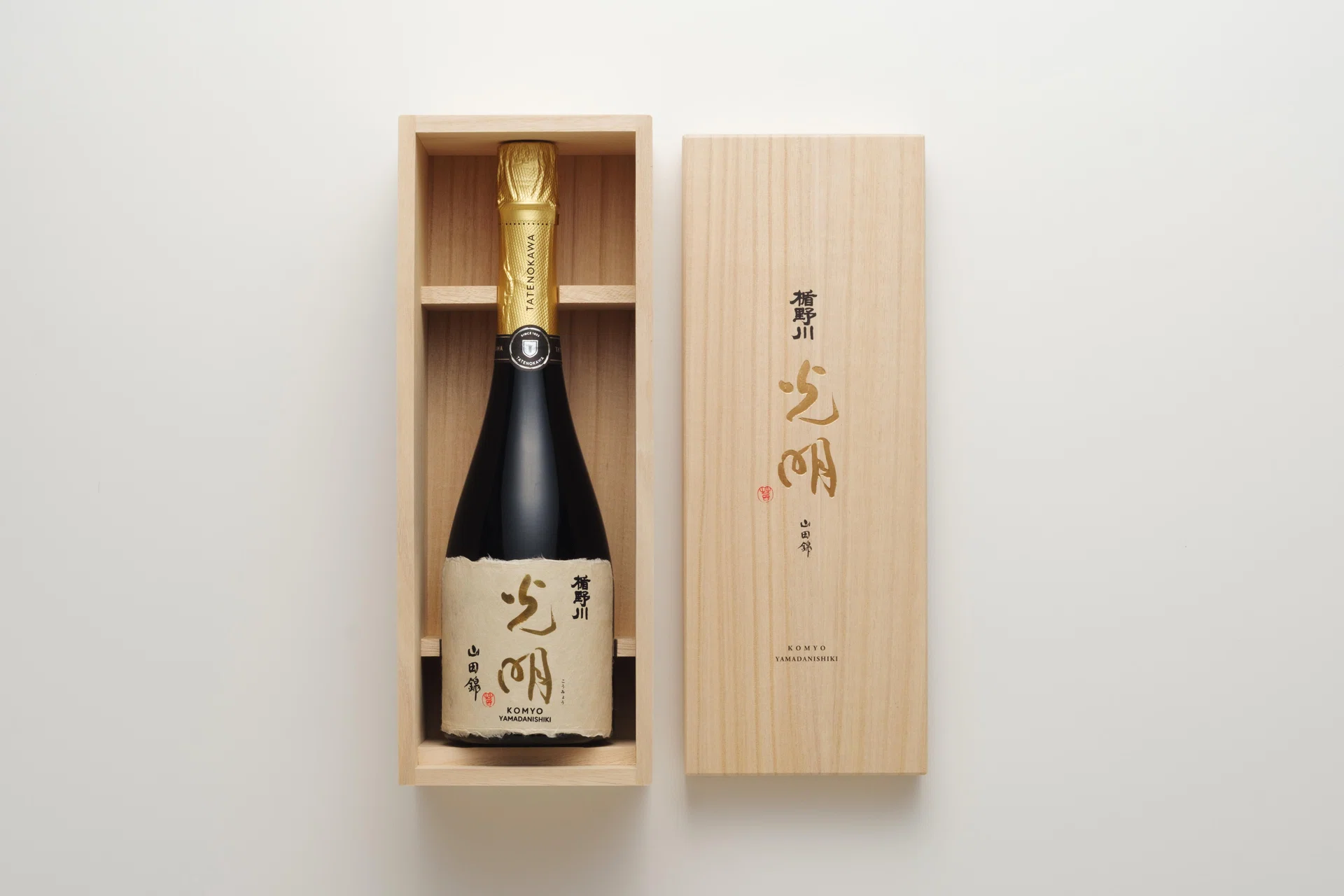
The more polished the rice, the purer the sake. Tatenokawa, a brewery that only makes Junmai Daiginjo sakes, took this philosophy to the extreme when it released Komyo Yamada Nishiki, a sake with a one per cent polish rate (meaning 99 per cent of the rice has been stripped away).
This milestone expression, alongside limited edition and exclusive bottlings, is available at the first-of-its-kind Tatenokawa sake counter at Tensei on Club Street.
Jack Lau, an International Wine Challenge (IWC) Sake judge and Tatenokawa’s first-ever brand ambassador, explains why the feat was remarkable, “The polishing process is both labour and time-intensive. At such an extreme polishing rate, the rice heats up easily; if the temperature rises too much, it can crack, break, or turn into powder. For this reason, the rice must be polished very carefully, stopping frequently to allow it to cool, which takes a very long time.”
The extreme milling, which strips away most of the rice, results in significantly higher costs and much lower yields. Yet, breweries see it as a symbol of prestige, technical mastery and the pursuit of sake’s limits.
In 2018, the Niizawa Sake Brewery, the producer of the award-winning Zankyo Super 7, went even further, releasing the Reikyo Absolute Zero with a jaw-dropping polishing ratio of 0.85 per cent. The brewery followed it with Reikyo Crystal Zero, which can fetch up to $17,000 a bottle, made with the “king of rice” Yamada Nishiki.
While record-breaking polish has become the shorthand for ultra-premium sake, Alexis is quick to caution that it doesn’t tell the full story, “It only covers Junmai Daiginjo or high-polish sakes, which in my opinion, doesn’t necessarily equate to quality. It overlooks equally rare and time-kissed styles like aged sakes, or fresher, one-off experimental sakes.”
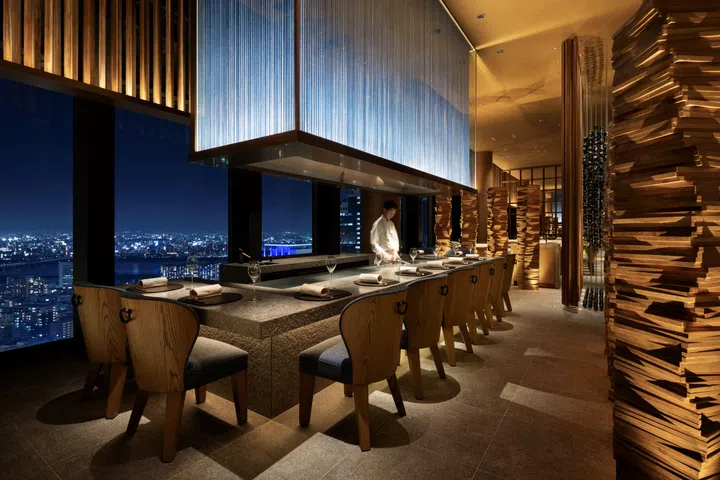
He points to Aramasa’s Private Lab series, one of the most experimental and tightly allocated sake projects in Japan, as an example. The brewery’s Nirugame (99), as the name suggests, is only polished down one per cent.
“It’s the opposite extreme of Niizawa’s Crystal Zero, and yet is still highly sought after — a testament to the brewery’s skill, unconventional approach, and willingness to do what no other brewery does.”
It’s a brewery that also resonates with Dominic Dijkstra, director of Mixology at Waldorf Astoria Osaka. “At Tsukimi (the hotel’s premium Japanese restaurant), we have rare bottlings such as Juyondai Junmai Daiginjo Daigokujo Soukou and Daigokujo Morohaku. But if I were to spotlight one, it would be Aramasa Private Lab Hinotori. This sake speaks to the future of ultra-premium sake-making. It is expressive, textural, and alive, driven by native yeast and experimental techniques. Its vibrant acidity and subtle sweetness make it a fascinating partner for dishes that incorporate fermentation or gentle richness, such as aged fish or preparations with koji elements.”
This focus reflects the broader shift Dijkstra observes: a deeper appreciation for ultra-premium sake. “In Japan, this evolution feels like a rediscovery of value. Ultra-premium sake has long existed, but it is now appreciated not only for its craftsmanship but also for its versatility and emotional resonance.”
Pairing sake with food
Beyond Japanese cuisine, chefs and sommeliers are recognising that sake can complement a wide range of flavour profiles, from raw seafood and grilled proteins to fermented elements and even subtle dairy notes. It aligns perfectly with the direction modern dining is heading.”
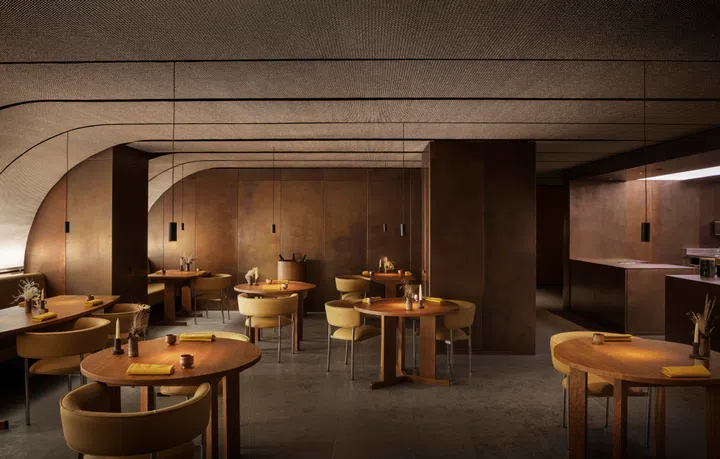
London also provides another clear example of this trend, with an increasing number of sake bars opening and more sommeliers attending sake courses to deepen their knowledge, says Ikoyi’s head sommelier Federico Quintavalle.
The two-Michelin-starred restaurant, which combines seasonal British produce with African and Asian spices, has had a dedicated sake-pairing menu for the past two years.
Quintavalle leads the match-making, “more structured, umami-driven Junmai to match intensely spicy and savoury courses; vibrant, unpasteurised Nama-zake with high acidity for our fish course; and a five-year-old Koshu (aged sake), offering savoury, tertiary and caramelised aromas, perfectly paired with our aged beef and spicy jollof rice”.
Over at the three-starred Hélène Darroze at The Connaught in London, where the Nabeshima Secret Black Junmai Daiginjo from Fukuchiyo Brewery goes for a cool £1,250, Lucas Reynaud-Paligot, head of wine at The Connaught, notes “sake’s expansion into non-Japanese fine-dining restaurants, where sommeliers are increasingly positioning ultra-premium sake alongside top Champagne and Burgundy as serious pairing options”.
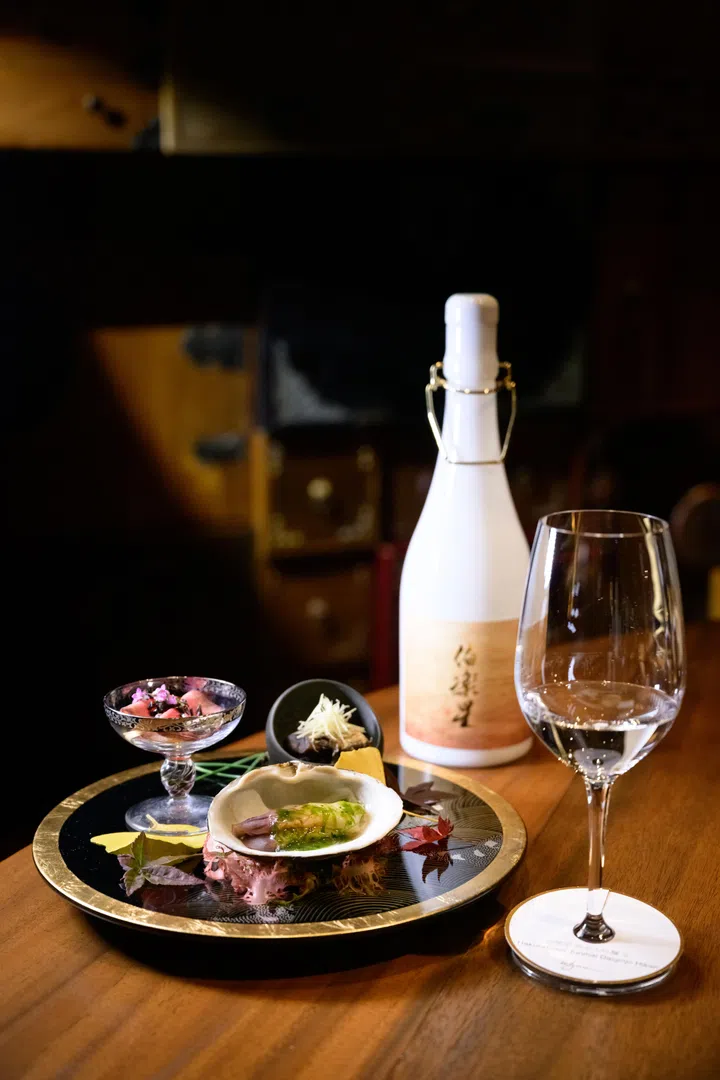
Outside of bars and restaurants, he shares, “London wine merchant Berry Bros & Rudd has introduced sake ‘en primeur’ offerings, a method traditionally associated with collectable wine releases, signalling changing perceptions and a growing collector interest.”
Perhaps an unexpected yet increasingly important global hub for top-tier sake is Macau, playground of the well-heeled and well-travelled. Wynn Macau’s acclaimed Japanese restaurant Mizumi is home to “China’s Best Sake List”, awarded last year by China’s Wine List of the Year Awards.
Thanks to the luxury hotel’s close ties with breweries and judging bodies like IWC, the restaurant can source rare and hard-to-obtain labels.
“Our stock includes the Born Chogin Vintage 2013, a limited release that sold out on launch day, which we sourced directly from the brewery owner’s private collection,” shares Just Wong, executive director of Beverage Operations, Wynn Macau and Wynn Palace.
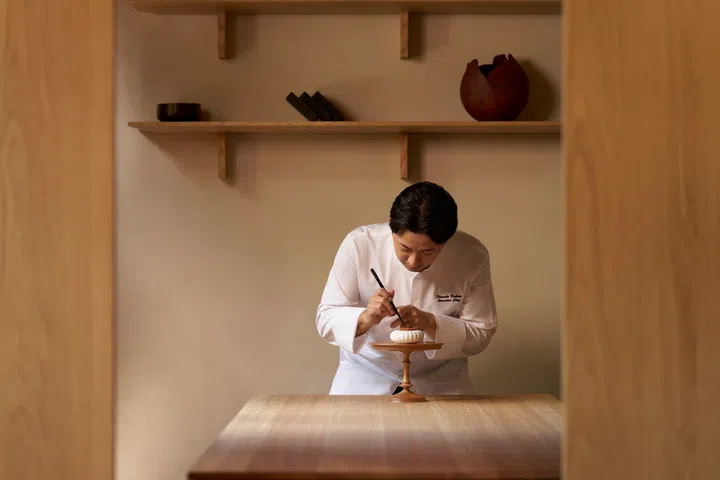
In Singapore, Loca Niru, a fine-dining restaurant blending French, Japanese, and Southeast Asian influences, offers a carefully curated sake-pairing programme alongside its wine-pairing programme.
Sommelier Vincent Kwong works closely with chef Shusuke Kubota to match each bottle to the menu, from the approachable Daishinshu Chokarakuchi Junmai Ginjo, a taste of chef Shu’s Nagano hometown, to the versatile Isojiman Junmai Daiginjo 37 Largo, which complements cuisines as varied as Southern Chinese and Italian.
For chef Shu, each sake is a chapter in the meal’s story. “We choose sakes for their uniqueness and flavour profiles, not just how premium a bottle is,” he smiles.
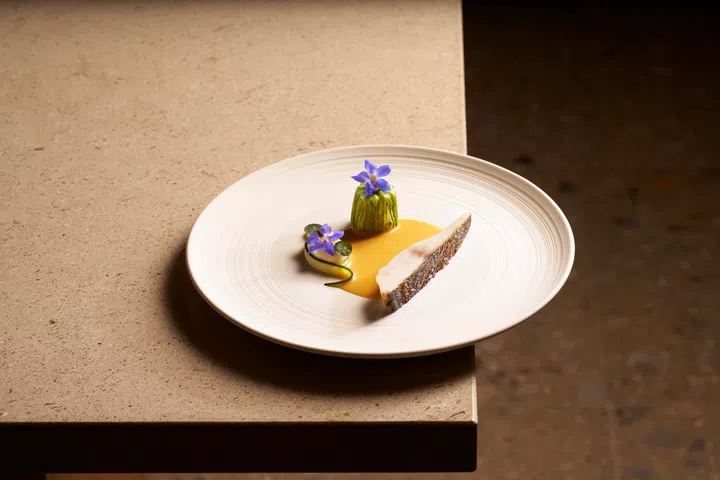
To pair with his unique Isaki course — pan-seared Japanese grunt fish served with a Nyonya beurre blanc — the young chef is partial to the Zankyo Super 7, the first sake to achieve a single-digit rice polishing ratio. “Zankyo is highly aromatic, yet very dry and precise. It complements the fragrant spices of the Nyonya sauce, while cleanly highlighting the umami and grilled notes of the isaki.”
Champagne inspiration
Last November, Waku Ghin hosted a one-night-only sake dinner with Richard Geoffrey, the founder of IWA sake. Geoffrey, the legendary former chef de cave of Dom Pérignon, is part of a wave of vintners venturing into sake, including Heavensake’s Règis Camus, the ex-chef de cave of Piper-Heidsieck, and François Chartier, who began blending sake with Tanaka Shuzo, resulting in Tanaka 1789 X Chartier.
Collectively, they have been raising the profile of premium sake internationally, fuelling interest particularly in the Western world.
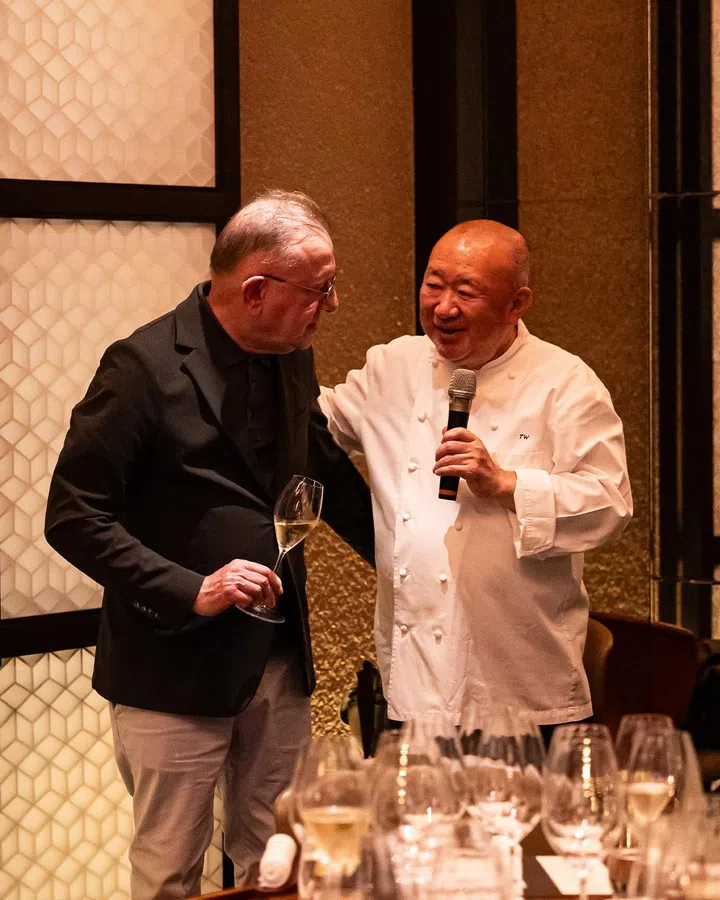
Geoffrey, in town to introduce the IWA 5 Reserves — a blend of aged sakes inspired by the Champagne tradition of setting aside reserve wines — was reunited with old friend Chef Tetsuya Wakuda.
“Richard has been a personal friend for 30 years,” Wakuda recalls. “Long ago, he said, ‘One day, when I retire, I want to make sake.’ So I introduced him to Ryuichiro Masuda, the owner of Masuizumi, almost nine or 10 years ago. That’s how it all started.”
Today, the French winemaker applies the Champagne art of assemblage to create balanced, layered and expressive sakes in the stunning Kengo Kuma-designed brewery on the slopes of Tateyama Mountain.
Although the Champagne legend brings a fresh perspective to the craft of sake-making, Singapore’s first Sake Samurai Adrian Goh notes that “blending, or assemblage, has always existed in sake — it’s just not widely discussed. A brewer might take three to five years of the same sake and blend them to create new flavours. Yamamoto Brewery’s Akita Royal Flush, for instance, blends five rice types and five sake yeasts into one sake”.
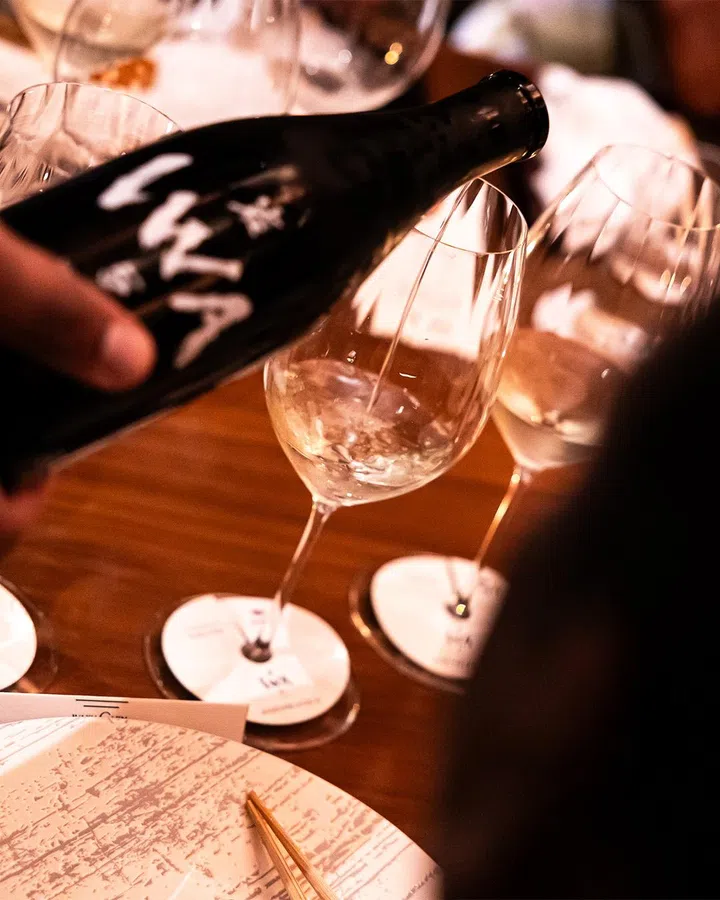
Yet, greater visibility and interest can only be a boon to sake. “It’s definitely a plus. Anything that drives sales or awareness is good,” he grins.
Singapore is also joining the global conversation with the release of its first super-premium sake by the homegrown Orchid Sake Brewery. Launched in February, the uTama Royal 35 uses premium Kitashizuku rice from Hokkaido, polished down to 35 per cent.
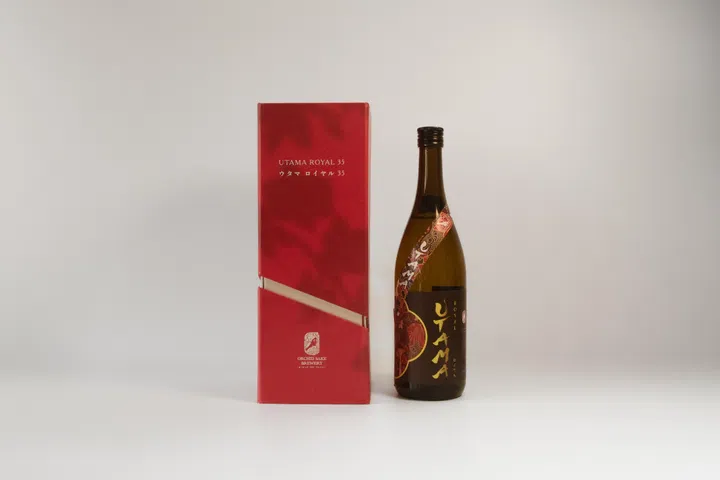
“Recent export statistics actually show that Singapore spends the second highest per bottle of sake internationally,” says founder Reuben Luke Oh, quoting data from the Japan Sake and Shochu Makers Association.
“But that’s not the reason we moved to the 35 per cent bracket with the uTama Royal. Brewing head Yumika Yamamoto and I wanted to create a competition-grade sake that can stand on its own while bearing the unique mark of sake made here — something both Singaporeans and Japanese can be proud of. Its slightly more acidic, wine-like profile invites a broader audience, while keeping the clean body and bounty of fruit typical of premium sakes.”