
Why Tasmanian whisky should be on every collector’s radar right now
From sheep dung to amphora maturation, the island’s iconoclastic distilleries are capturing the whisky world’s attention with their uncompromising vision.
By Ben Chin /
Share this article
Sunlight filters through the warehouse’s skylights, illuminating the rows upon rows of whisky quietly maturing in wooden barrels. The still air is heady with the scent of Angel’s Share, the poetic term for whisky vapours that escape as the liquid ages.
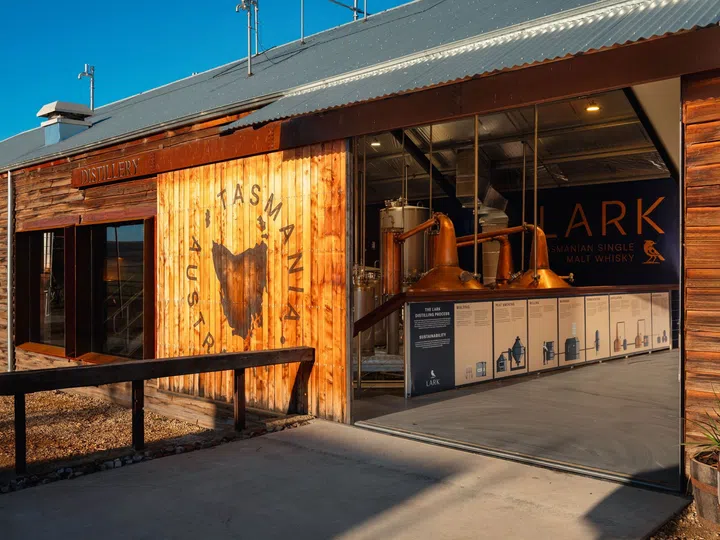
This could be a scene plucked straight from the Scottish Highlands, but we’re standing inside the beautifully restored 1800s sandstone estate of Lark Distillery in Pontville, Tasmania, about a 40-minute drive from Hobart.
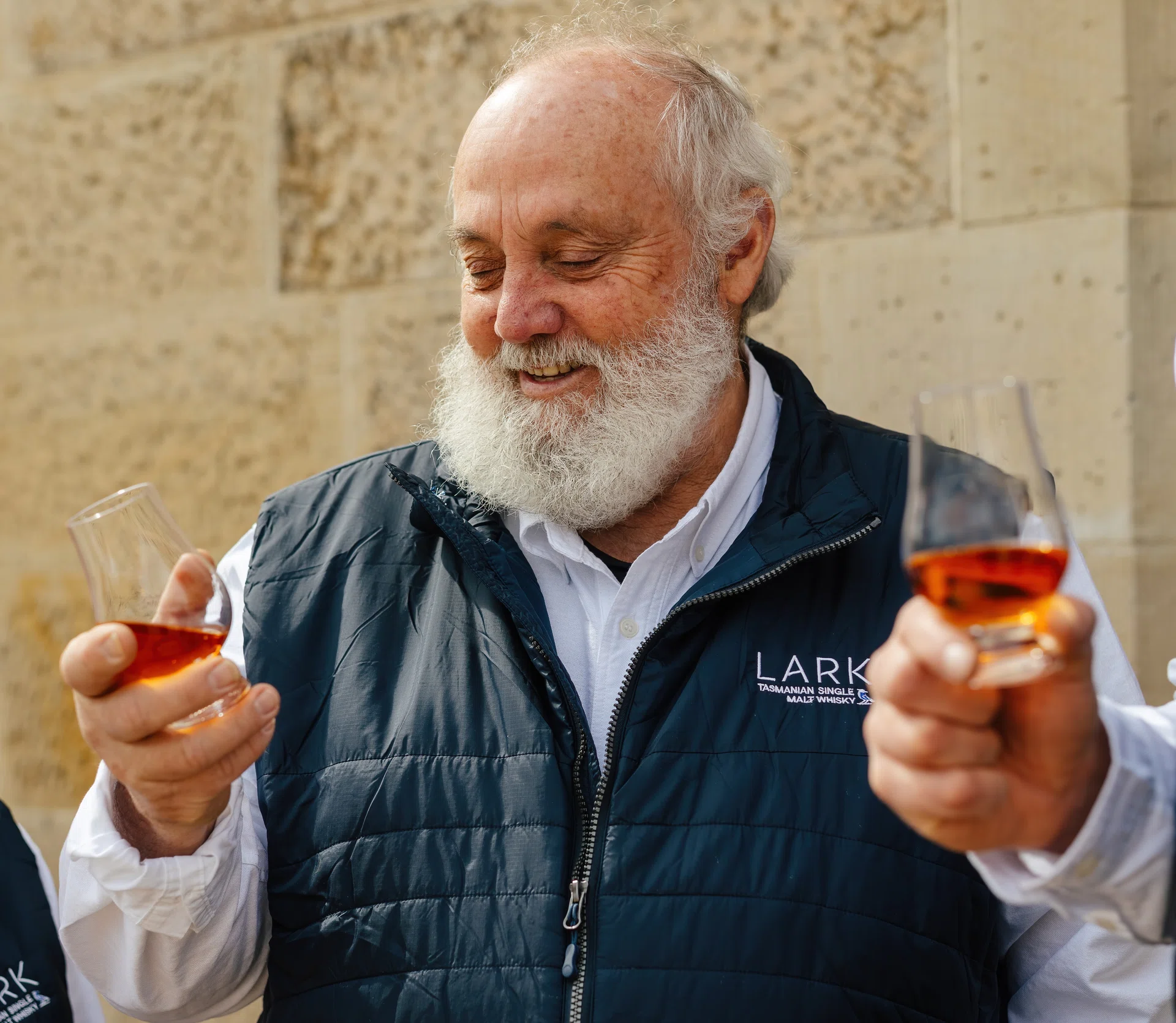
Lark first put Tasmania on the map when it took home Best Other Single Malt Whisky at the World Whiskies Awards 2009. Founded in 1992 by Bill Lark, who’s known as the Godfather of Tasmanian whisky, the distillery continues to rack up accolades, including nine medals at the 2026 World Whisky Masters.
Lark also set the template for Tasmanian whisky’s distinctively rich, full-bodied character by using local brewer’s barley instead of the traditional distillery barley favoured by Scotch makers.
“(At the time) there was no whisky industry,” explains Lark’s cellar door supervisor Guillaume Barbeau during our visit. “Spirit barley wasn’t a thing. So after Bill went to Cascade Brewery, he found that their beer barley made something very oily and fruity.”
Far from the rigid regulations surrounding Scottish whisky, producers in Tasmania are free to experiment and innovate, to define whisky-making on their own terms. And sometimes, inspiration can come from the most unexpected places.
Barbeau recounts the time Bill’s wife and co-founder Lyn Lark walked into a bar. “She was complaining that her sweater was soaking wet,” he recalls.
“And everyone was smoking in the bar. She said, ‘I’ve been here for five minutes, and now I reek of cigarettes. I can’t get the smell out of my wet hair!’ And Bill had a lightbulb moment: ‘What if I swap you for the grain and do the same thing? Wet grain plus smoke — it should stick.’ So he went home, got a fish smoker, and tried it.”
That little moment became the breakthrough of Lark’s pioneering post-malting peating process, which imbues the liquid with softer smoke rather than the heavier, more medicinal twang of an Islay Scotch.
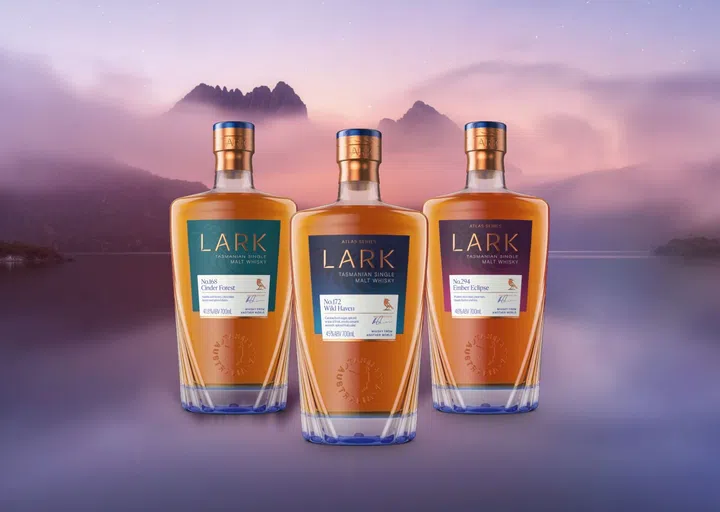
That delicate Tasmanian peat is what makes Devil’s Storm No.183, part of the distillery’s new core range, one of Lark’s bestsellers. The Fire Trail No. 151, characterised as the purest expression of the Lark house style, and the blended malt Symphony Nº1 are also some of its most popular bottlings. Today, Lark is one of Tasmania’s most prolific whisky distilleries, with the capacity to produce 300,000 litres annually.
Lark’s experimental derring-do reflects a broader truth: Tasmania’s producers aren’t bound by someone else’s blueprint, but are forging their own path forward. Since distilling was outlawed for over 150 years, thanks to the Governor’s wife, Lady Jane Franklin, there was no whisky legacy to inherit.
Tasmania’s whisky industry was also shaped almost entirely by outsiders — land surveyors, property developers, marine scientists — with no formal distilling background. Geographically isolated and fuelled by Australia’s maverick spirit, its whisky makers are proving there’s more than one way to make exceptional whisky.
Some 20 miles away in Cambridge, Sullivans Cove, in true Tasmanian spirit, is also boldly forging its own path. “Tasmanian whisky has never really sought to copy Scotch. Tasmania is quite a unique environment, with quite a unique approach to whisky-making,” says Distillery Manager Heather Tillott.
But even among peers, Sullivans Cove stands apart. “We have some unique technical oddities,” she says with a smile.
“For example, we use a Charentais alembic-style still (typically designed to make cognac), which brings a very distinct take to whisky production. We also run a very long ferment — seven days of active fermentation, followed by another seven days of resting — which adds spice, fruit, florals, and that signature creamy, lactic character.”
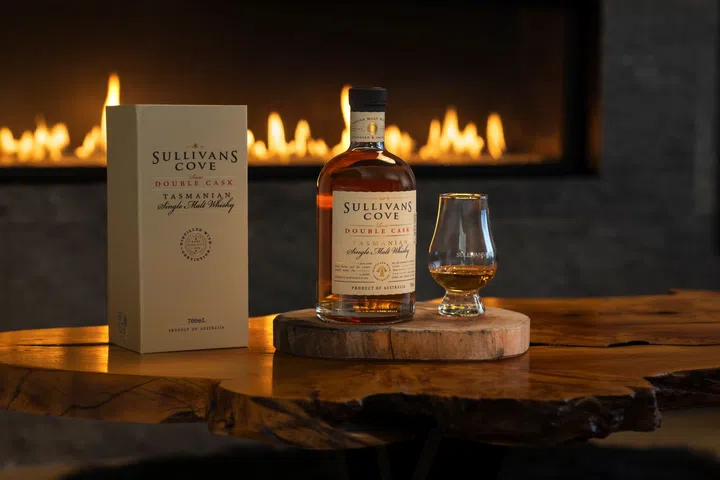
Coupled with exceptionally long maturation in full-sized casks, it’s evidently a winning formula. The Hobart distillery just clinched its record fourth World’s Best title at the World Whiskies Awards in March this year — a historic streak unmatched by any other distillery.
While Sullivans Cove predominantly releases its core whiskies as Single Cask bottlings, its blended Double Cask, which marries French and American Oak, is widely considered the house’s gateway expression — critically lauded and often sold out. The distillery’s current annual output sits at 90,000 litres.
Cold-smoked with sheep dung
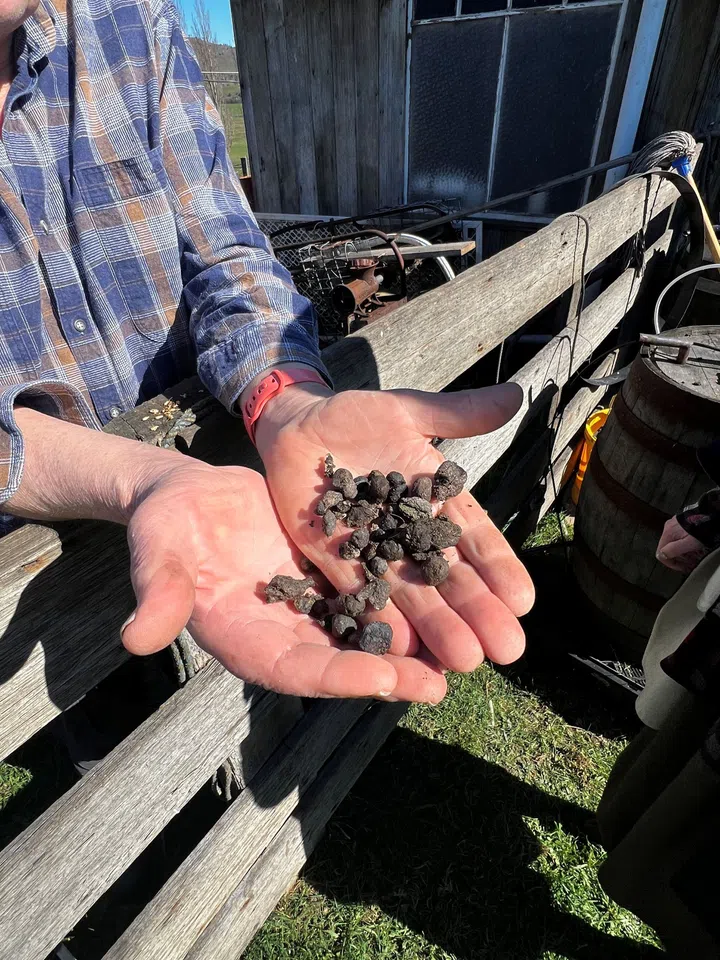
Next to a state-of-the-art facility like Sullivans Cove, Belgrove Distillery’s unvarnished setup might seem ramshackle, but it’s a whisky icon in its own right.
Founder Peter Bignell, who famously had celebrity chef Gordon Ramsay shovel sheep dung for him on a National Geographic television series, embodies the best of Tasmanian eccentricity. A sixth-generation farmer, agricultural scientist, and champion sand sculptor, Bignell crafts spirits that command global cult fervour.
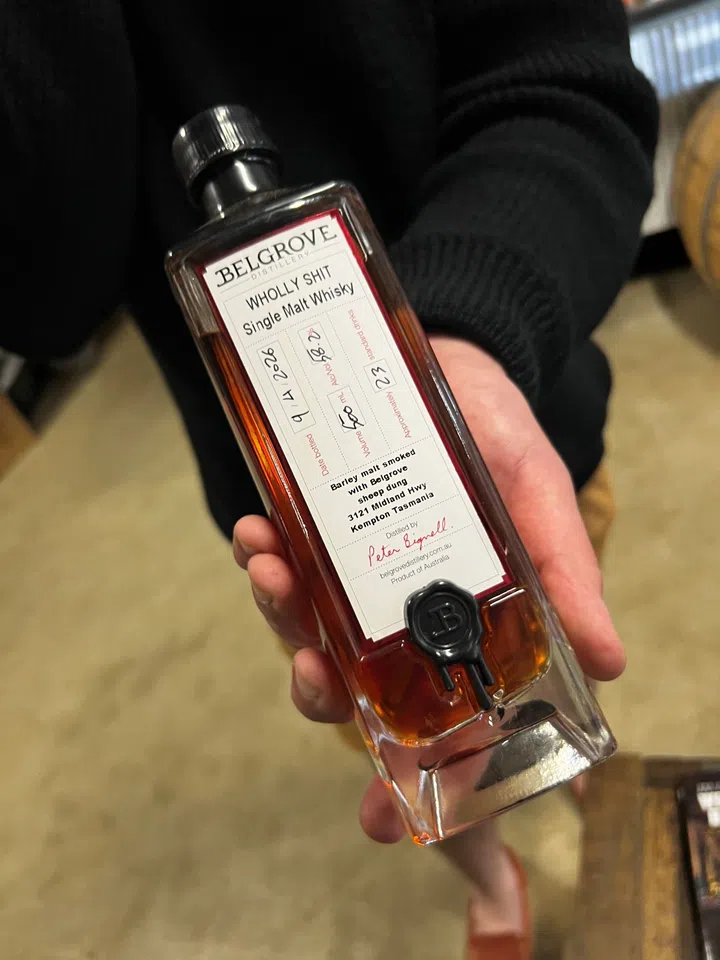
During our visit, we sampled the utterly unconventional Wholly Shit Smokin’ Barrel, a paddock-to-bottle expression crafted with malted grain cold-smoked on sheep dung, producing a liquid that’s complex, savoury, and strangely compelling.
On the first sip, we blanched at its unfamiliar, intense depth, but something about its bushfire smoke layered with a light barnyard funk made each subsequent taste less tentative. Ultimately, as Australia’s pioneer rye whisky maker, Belgrove remains best-known for its farm-grown rye expressions — one of which Jim Murray crowned “Liquid Gold” in his Whisky Bible.
Finished in clay
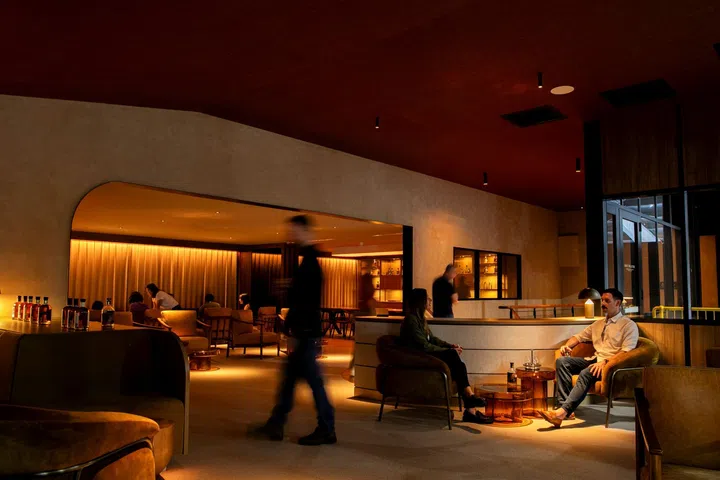
Also defying convention, the sleek, glass-clad Callington Mill Distillery is a modern-day whisky wonderland, complete with an elegant dining room and personalised whisky-making experiences.
Not content with ageing its whiskies in a selection of sherry, tokay and brandy casks, the distillery has taken the audacious step of finishing the liquid in custom 350-litre clay amphorae for two years.
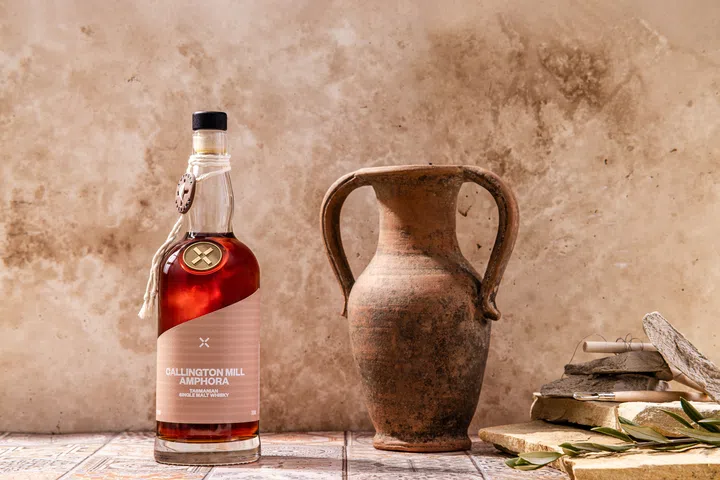
The ancient clay vessels are said to remove impurities, softening the liquid into a silky texture without imparting any unwanted notes, but their inherent porosity also means a higher Angel’s Share.
The gamble seems to have paid off: The first-of-its-kind limited-release Amphora Tasmanian Single Malt Whisky won Best Australian Single Malt and was crowned a Category Winner at the 2026 World Whiskies Awards.
A distillery on water
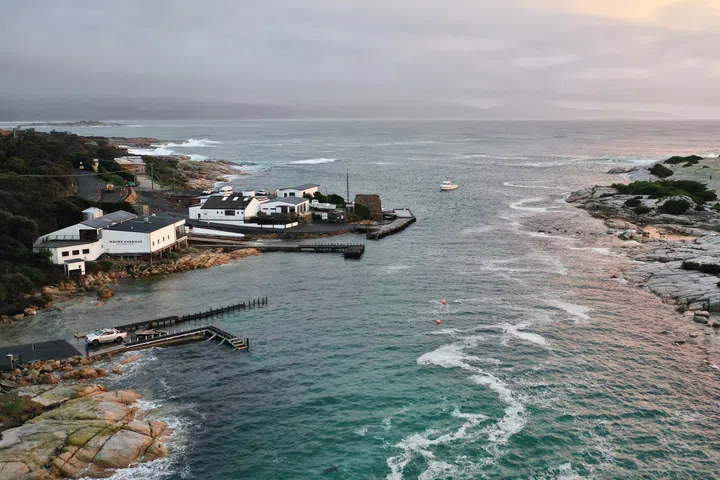
If you find yourself in Tasmania, it’s worth the drive to the charming coastal town of Bicheno, if only to drop by the island’s most scenic distillery, Waubs Harbour. Perched dramatically at the edge of the sea amidst the sound of seagulls and crashing waves, it’s a stunning site for the former oyster hatchery turned distillery.
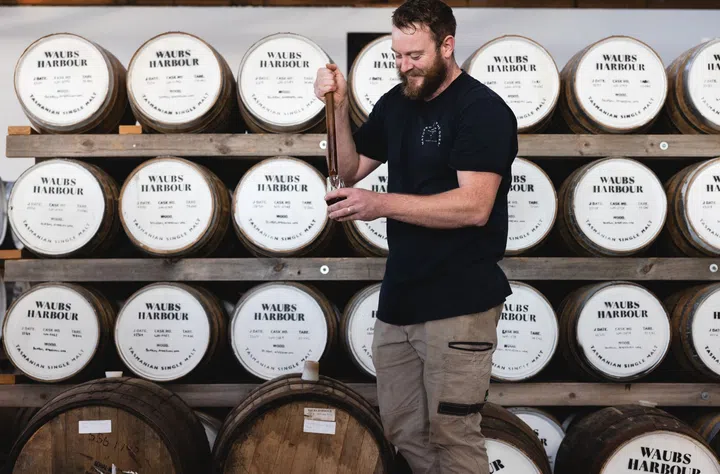
Unlike Scotland’s coastal distilleries, which sit farther from the shore, Waubs’ bond stores sit right on the water, with the barrels feeling the full force of the maritime influence. It also doesn’t hurt that the tasting room comes with sweeping ocean views — we spotted seals sunbathing on rocks as we sampled the cask-strength Founder’s Reserve, aged in ex-Tawny Port casks.
“Tasmanian whiskies have reached an interesting point in their evolution: the quality has been proven, but global awareness is still catching up,” explains Diego Araud, managing director, La Maison du Whisky Asia-Pacific.
“The best producers are working with exceptional natural resources, including pure water and local barley, while placing real emphasis on long fermentation, careful maturation and highly selective cask management. Combined with a distinctly cool-climate environment and a strong culture of small-scale, hands-on production, the result is whisky with a genuine sense of place and a level of character that is difficult to replicate elsewhere.”
“For collectors, that makes Tasmania particularly compelling right now. Many of its most distinctive releases are produced in extremely limited quantities, yet the category is still relatively under-discovered internationally. That combination of quality, scarcity, and growing recognition creates a rare window to explore the region before broader demand catches up.”
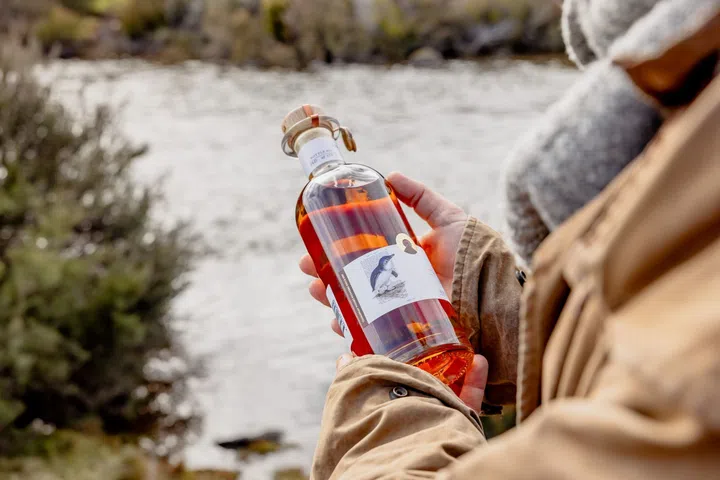
For those interested in experiencing some of the best Tasmania has to offer, Araud reveals, “Some of the most exciting bottles from Sullivans Cove and Hellyers Road are the single casks selected exclusively for La Maison du Whisky in Singapore. Several will feature in our new The Anthologists catalogue and are available for tasting at Whisky Live Singapore on November 21 & 22, within the VIP Hall.”
Look out for the Hellyers Road 22 Year Old Peated from 2004. The rare bottling is among the distillery’s most intensely peated, with full smoky and phenolic notes without sacrificing precision.